
How to Mix and Match Living Room Furniture
A living room rarely feels memorable when everything matches perfectly. Often, the most interesting spaces tend to feel collected over time, where pieces relate to one another without looking like they were purchased as a set. That balance between contrast and intention is what can shift a room from predictable to stylishly layered.
If you have been trying to figure out how to mix and match living room furniture, the answer is not about adding more variety. It's about making thoughtful decisions with what you bring into the room and how those different furniture pieces interact once they are in place.
At Trevor Fulmer Design, we approach each living room as a composition. Every piece has a purpose and every contrast is intentional. When those decisions are made carefully, the room begins to feel natural, not assembled.

“Memorable rooms feel collected, balanced, and thoughtfully composed over time.”
— Trevor Fulmer

Start with a focal point
Every well-considered living room starts with something that grounds it. This is often the largest or most visually present piece, such as a sofa, a fireplace, or a media console. Once that anchor is in place, the rest of the room begins to take shape around it.
A strong focal point or statement piece creates direction. Without it, the room can feel like a collection of unrelated pieces. With it, each addition has something to respond to, which makes decision-making far more intuitive as the room evolves.
If your sofa has a structured profile, consider introducing a chair with a softer silhouette. If yourfocal point carries visual weight through material or scale, balance it with lighter elements nearby. These shifts create contrast, but they still feel connected.
When the starting point is clear, the rest of your living room furniture choices tend to fall into place more naturally. For a more complete perspective on how layout and furnishings come together, explore our full approach to living room design.
Balancing scale and proportion
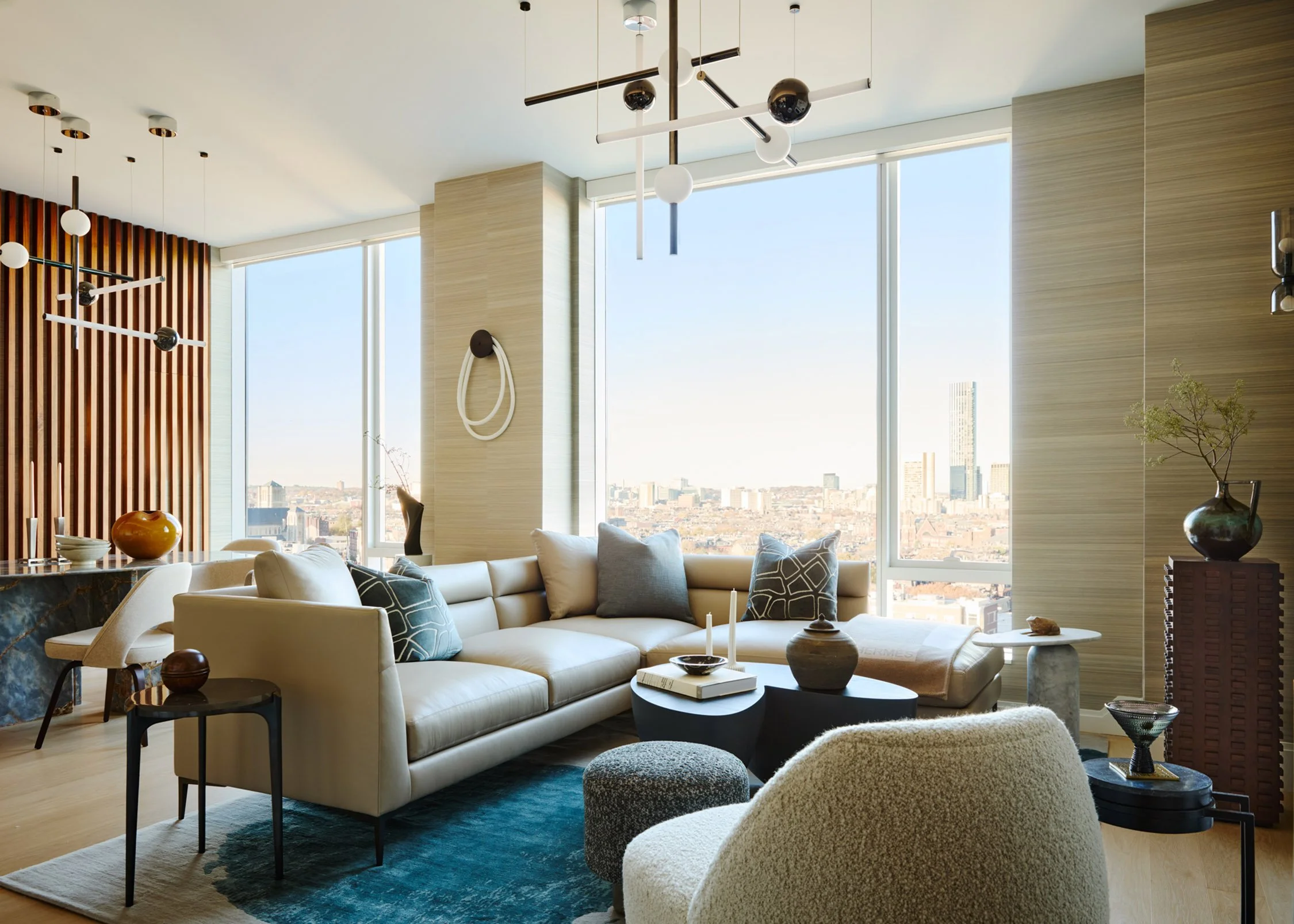
Once the focal point is established, scale becomes the next layer to consider. A room can feel unsettled when proportions are off, even if each piece works individually. It helps to think about visual weight rather than just dimensions. A large sectional paired with delicate chairs can feel uneven. At the same time, a slightly oversized chair can work beautifully alongside a standard sofa if the balance feels intentional.
When you match furniture, focus on how each piece sits within the room. Seat heights should feel compatible. Tables should land within reach. Pathways should remain open and easy to move through.
Variation is useful, but it needs restraint. A sofa, a loveseat, and a pair of chairs can create a layered arrangement that feels inviting without crowding the space. The difference in scale adds visual interest, while the consistency keeps everything grounded.

Blending styles without chaos
With proportion working in your favor, style becomes the next consideration. Mixing different furniture styles introduces personality, but it benefits from a clear point of view. For instance, a modern sofa can sit comfortably next to a vintage table or a more traditional chair, but they need a shared reference point. That connection might come through color, material, or even a repeated line or shape.
Varying silhouettes is another way to introduce contrast without losing control. A room feels more layered when you mix square backs with rounded arms, or pair structured seating with softer, more relaxed profiles. These subtle differences keep the space from feeling too uniform while still maintaining a sense of balance.
Rooms that rely entirely on matching furniture often feel static. On the other hand, introducing too many contrasting pieces without a plan can make the space feel unsettled. A more effective approach is to repeat ideas. If you introduce one contrasting element, bring it back somewhere else. A single vintage piece can feel out of place, but when that influence appears again, it begins to feel purposeful.
With time, this layering creates a room that doesn't feel overly styled or overly coordinated.
Color and finish harmony
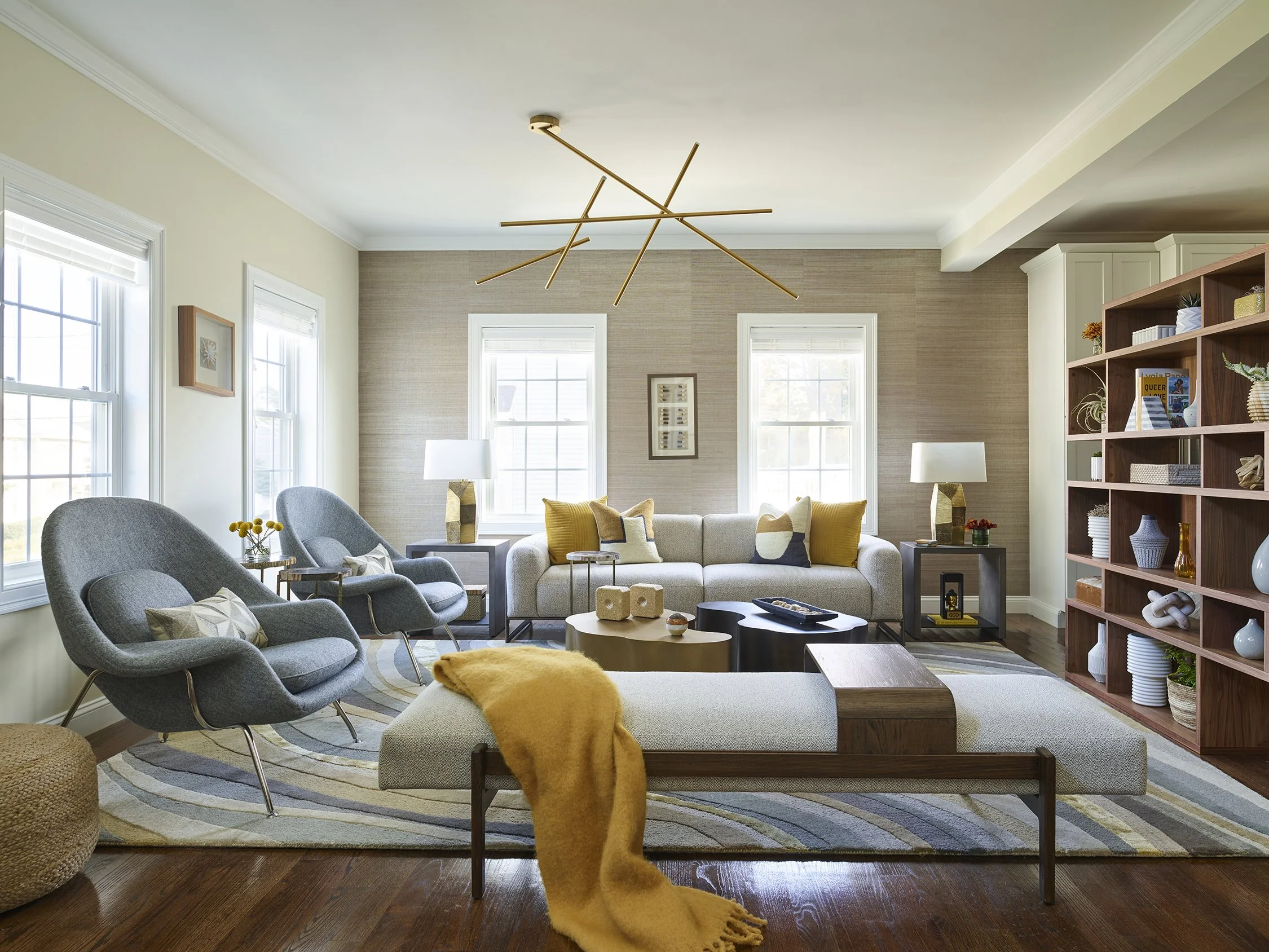
After style is established, color begins to do its quiet work in the background. Even when pieces differ, a consistent color palette can help the room feel connected.
Start with a base tone that appears in larger elements like your sofa or rug. From there, build in supporting colors through chairs, textiles, and artwork. These tones do not need to match exactly, but they should feel related enough to create continuity.
Wood finishes are another area where mixing can feel uncertain. The goal is not to keep everything identical. Instead, focus on undertones. Warm wood tones tend to work well together, and cooler finishes do the same.
When you match living room furniture, think in terms of relationship. A darker wood tone coffee table can sit comfortably alongside a lighter console when the tones feel compatible. These subtle connections help the room feel layered.

Function first: layout by use
At this stage, it becomes important to step back and think about how the room will actually be used. A living room should support daily life, not just look considered.
Some rooms are centered around conversation. Others revolve around a television. Many need to support both. Defining these uses early helps guide layout decisions and prevents constant rearranging later.
Arrange seating so it supports interaction where needed. Position primary seating toward focal points when viewing is the priority. Smaller zones, such as a reading corner, can be created with minimal pieces that still feel complete.
When working with mismatched furniture, layout becomes even more important. Thoughtful placement helps different pieces feel connected and gives the room a sense of structure. Pulling furniture away from the walls can also change the feel of the room as it allows the space to feel lived in.
Textiles and accessories that tie it together
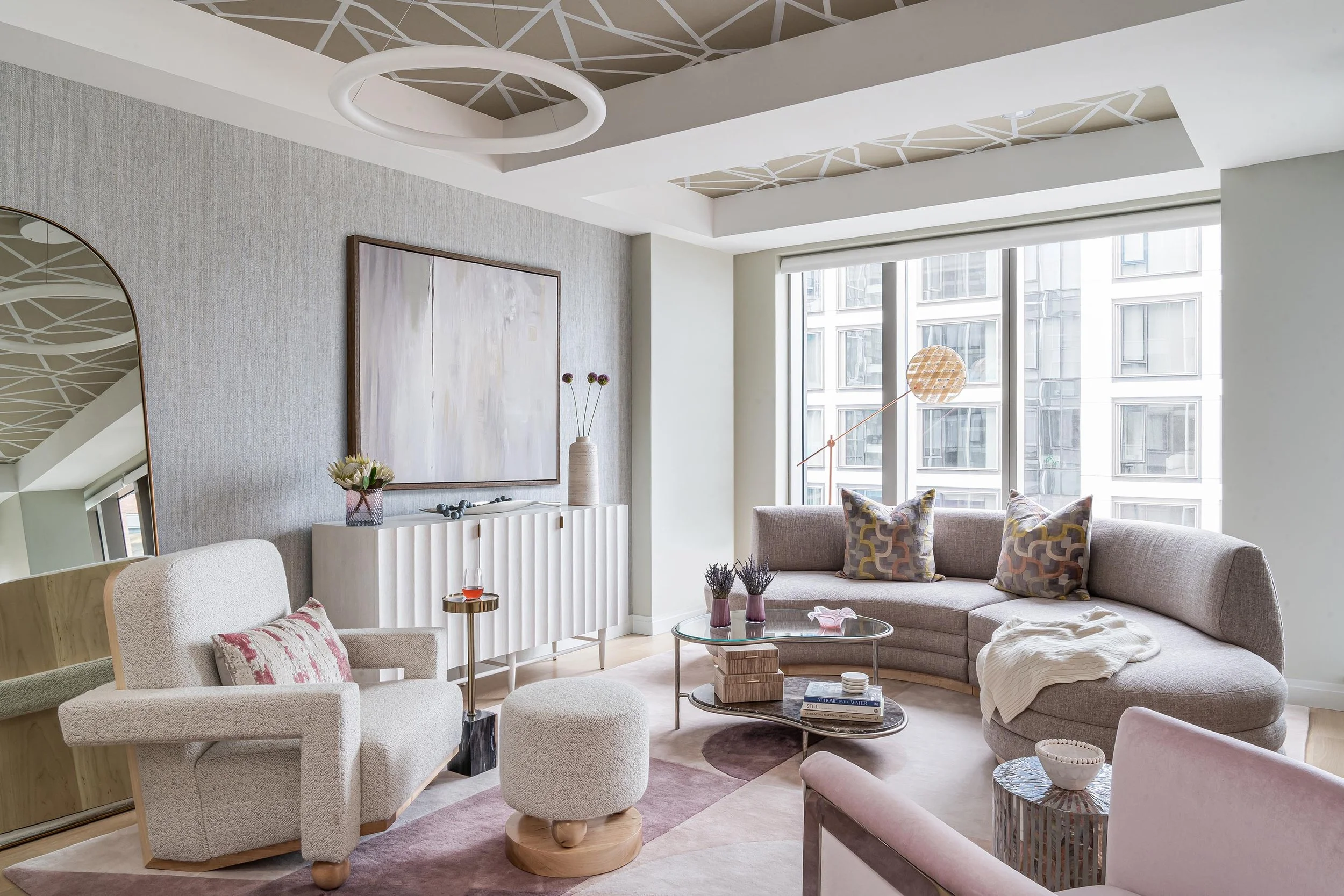
Once the foundation is in place, textiles begin to bring everything together. Rugs, pillows, and throws help connect elements that might otherwise feel separate.
An area rug can anchor the seating arrangement while introducing colors that appear throughout the space. Upholstery plays a similar role on a larger scale, tying seating pieces together through fabric choice, tone, or texture. Pillows can repeat those tones and add variation through different textures, while a throw can soften a more structured piece.
Accessories follow the same principle. Artwork, objects, and lighting help reinforce the overall direction of the room without competing for attention. These layers of different materials often make the biggest difference as they allow the room to feel finished without relying on perfect matches.
Real world layout examples
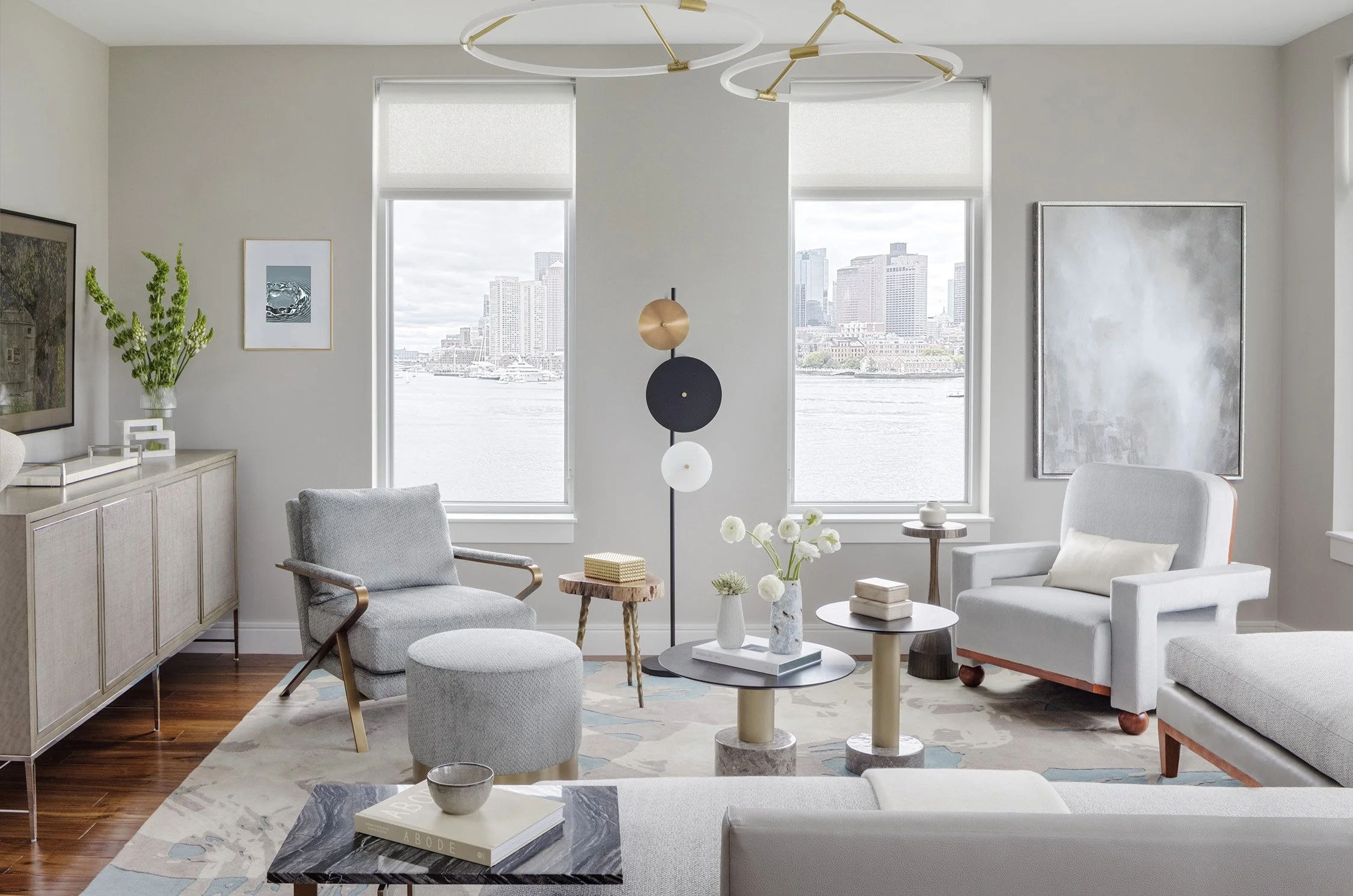
Seeing how these ideas come together in practice makes the process feel more intuitive. Different layouts create different moods, and each approach offers a way to mix pieces while keeping the room grounded.
A symmetrical layout places a sofa opposite a pair of chairs with a central table. This setup creates a sense of balance and works well in spaces that benefit from structure.
An asymmetrical arrangement introduces variation by pairing a sofa with different chairs or side tables. The result feels more relaxed and allows for a mix of shapes and styles without feeling forced.
An L shaped setup – often created with a sectional or a sofa and chaise – helps define the seating area while making the most of available space. This layout works well for both conversation and everyday lounging.
Open plan layouts rely on subtle boundaries. Rugs, furniture placement, and lighting help define the living area within a larger space, giving it purpose while keeping the flow between rooms intact.
Each layout shows that mixing furniture is less about strict rules and more about how pieces relate to one another within the space.
Putting it all into practice
Mixing furniture works best when decisions are grounded in how the space will be used and how each piece contributes to the overall composition. It can feel straightforward in theory, but pulling everything together in a way that feels natural often benefits from an experienced interior design perspective.
At Trevor Fulmer Design, we focus on creating spaces that feel collected rather than assembled all at once. If you're ready to take a more considered approach, our team of interior designers can help guide the process from concept through completion.
Reach out to us today and see what we can do for your home.
