
What to Know Before You Build or Renovate a Coastal Home
Designing a coastal home is about how it lives. Light shifts throughout the day. Doors stay open. Surfaces are used constantly. Materials are exposed to air, moisture, and movement. Every decision needs to support that environment while still delivering a strong point of view.
A coastal home is shaped by more than its location. It determines how a space feels, how people move through it, and how daily life unfolds from morning to evening. Light, materials, and layout all play a role, influencing comfort, durability, and how the home connects to its surroundings.
Planning a coastal home requires clarity. Understanding how layout, materials, and performance work together helps narrow decisions and makes the process simplified. Whether you are renovating an existing property or building new, approaching each choice with a clear framework allows you to move forward with confidence and create a home that feels complete from the start.
Blog Contributor:
Trevor Fulmer

“A coastal home is not just about the view. It’s about how it functions, ages, and feels.”
— Trevor Fulmer


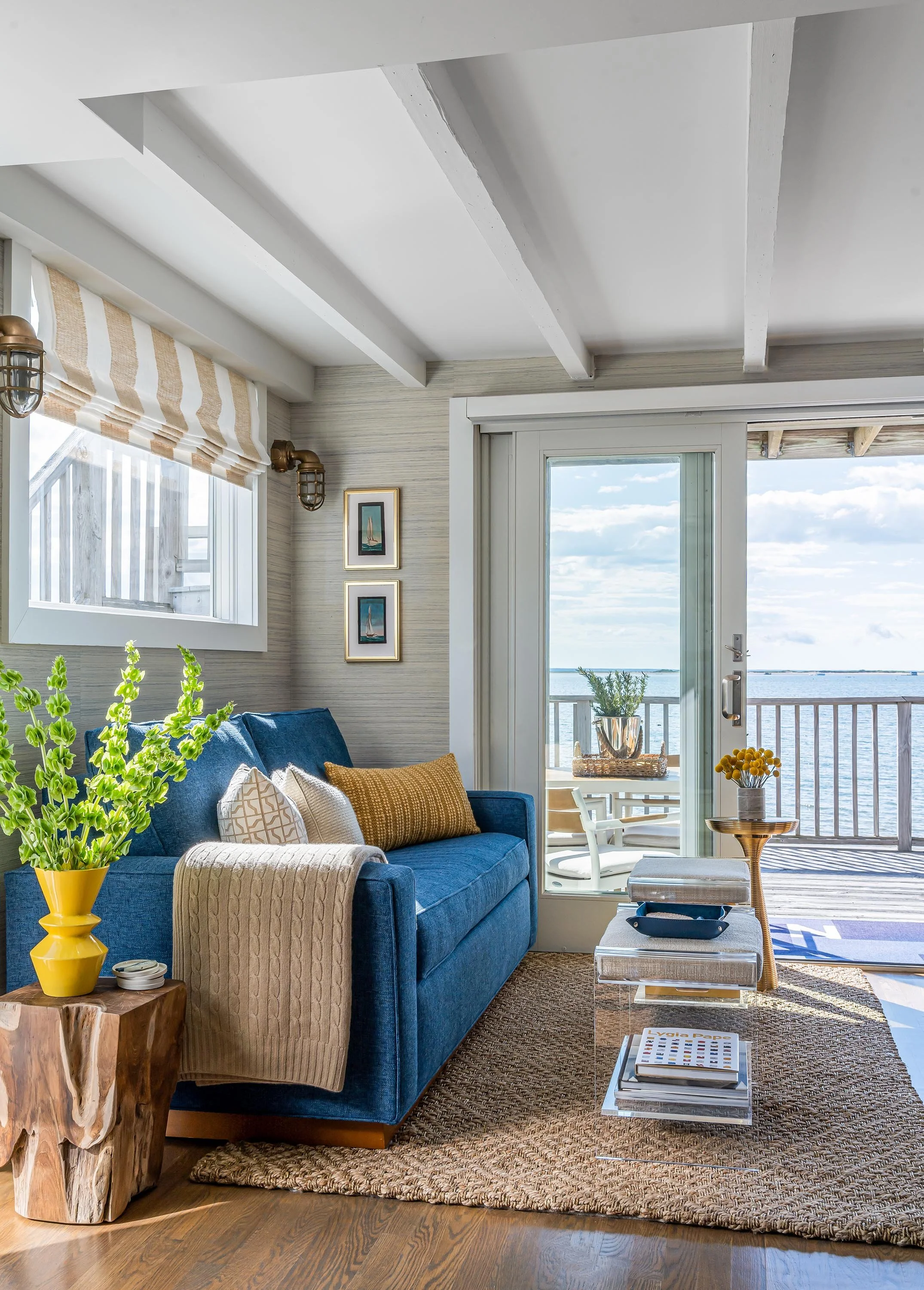

Let the Site Lead the Design
A coastal home should respond to its surroundings. Orientation, views, and natural light all shape how a space feels and functions.
Position living areas to capture the strongest views. Consider how sunlight enters throughout the day and how it impacts comfort. A room that faces the water may need a different approach to shading and layout than one set further back.
Circulation matters just as much. Movement between indoors and out should feel easy and direct. Secondary entries, outdoor access points, and transition zones help the home function without interruption.
When the layout follows the site, everything feels more natural.
Explore how Seaside Sanctuary blends into the seaside surroundings.

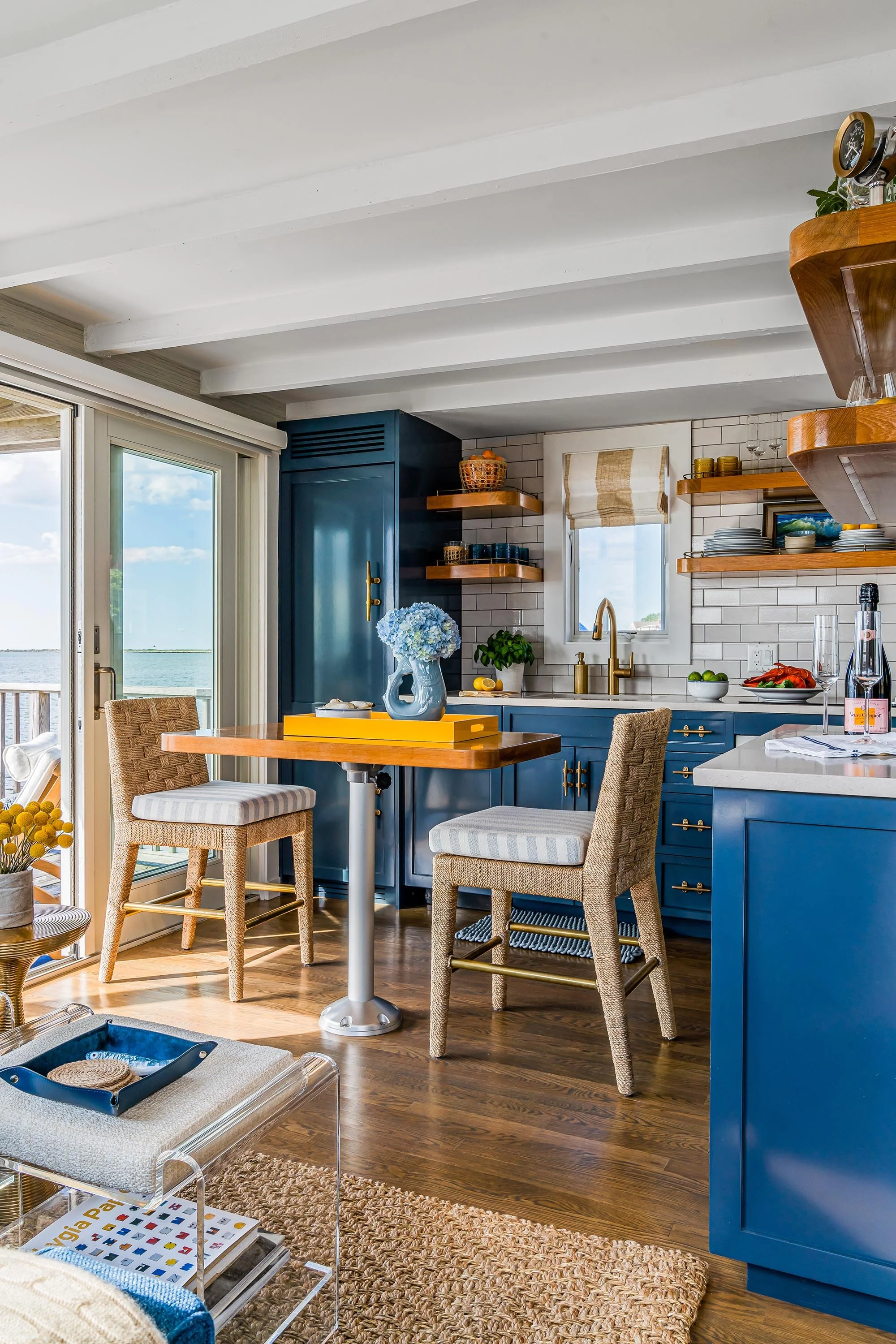

Plan for How the Home Will Be Used
Coastal homes are active. They host guests, handle long weekends, and often operate at full capacity.
Kitchens need space to gather, not just cook. Islands should support multiple uses without congestion. Dining areas should scale comfortably for both everyday meals and larger groups.
Living spaces benefit from flexibility. Seating should be easy to rearrange and able to expand when needed. Guest rooms should include storage and lighting that support longer stays.
The plan should anticipate actual use so the home can keep up with it.
Discover Trevor’s Ptown Pied-à-Terre.
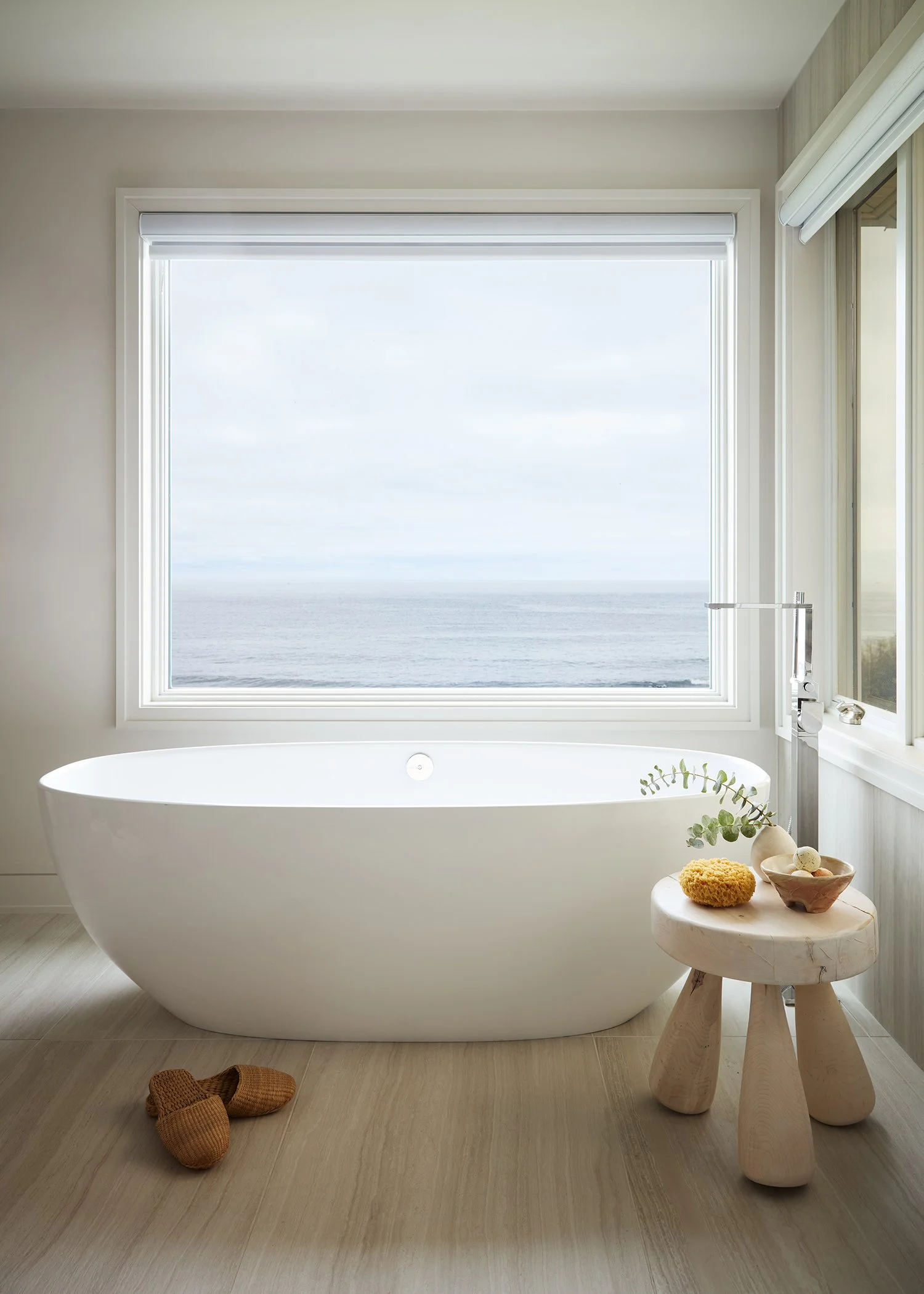


Choose Materials That Perform
Performance is what allows a coastal home to stay sharp over time. Materials should be selected based on how they respond to the environment.
Flooring needs to handle sand, moisture, and movement. Stone, tile, and properly finished wood are strong options depending on the space. Upholstery should be durable and easy to maintain. Performance fabrics allow for a tailored look without limiting use.
Metals and hardware should be specified with longevity in mind. Certain finishes are better suited to coastal environments and will maintain their appearance with less effort.
Every selection should support the way the home is lived in.
Explore the dramatic finishes in Nautical Noir.


Understand How Materials Will Age
A coastal home evolves. Materials shift, soften, and develop character over time. The key is to plan for that change.
Wool rugs can react to moisture and humidity. Metals can develop patina. Natural stone can show subtle variation with use. These qualities can enhance a space when they are expected and placed intentionally.
Consider where you want that evolution and where you want consistency. A material that gains character in a powder room may not be the right choice for a high traffic entry.
When materials are chosen with time in mind, the home feels more complete as it ages.
See the thoughtful materials in Seaside Sanctuary.


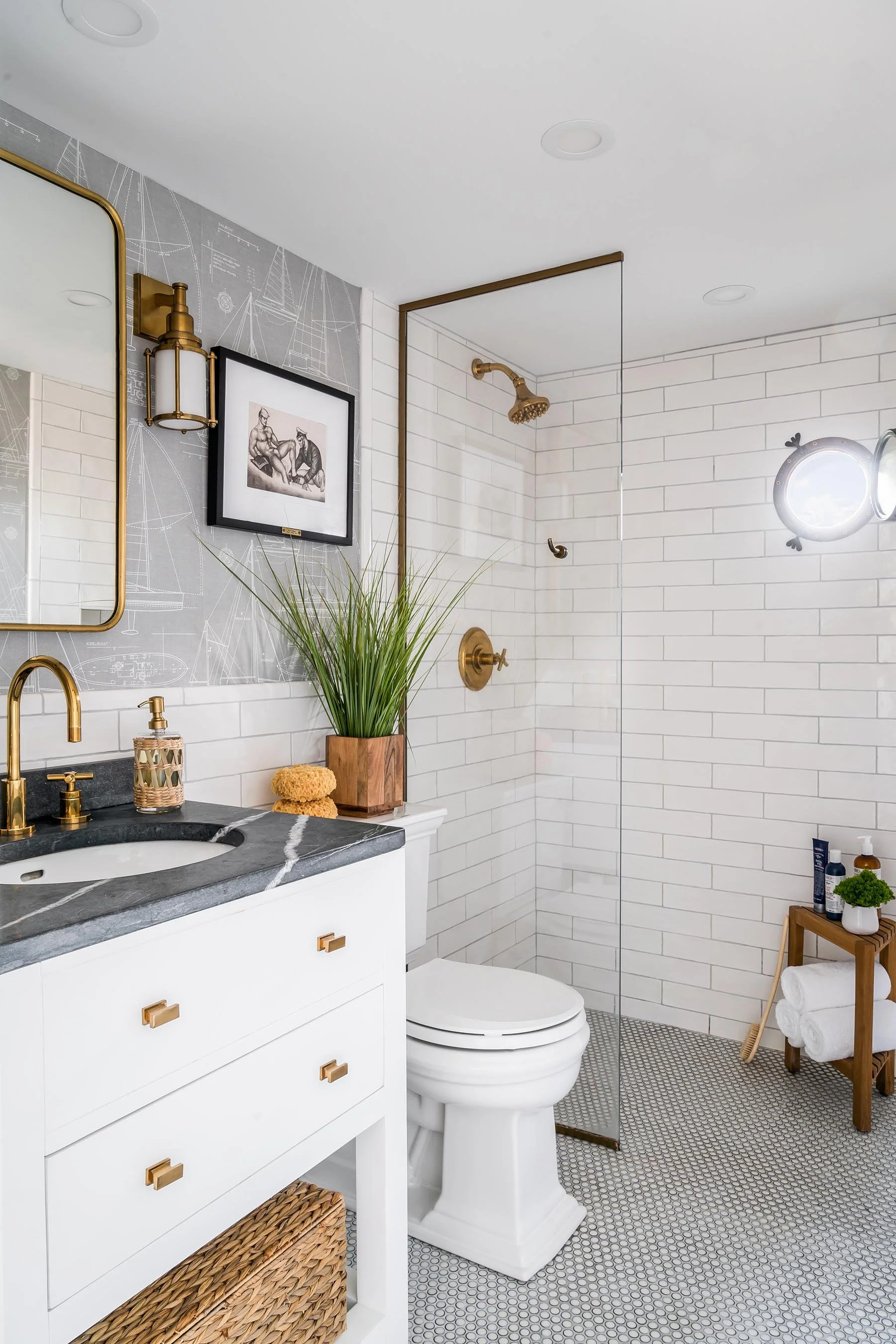
Balance Natural Light with Control
Light defines a coastal interior. Large openings, long views, and open layouts bring in a strong connection to the outside.
Control is just as important. Glare, heat, and fading can impact comfort and materials. Window treatments should be integrated early. Sheers can soften light without blocking views. Layered solutions allow spaces to adjust throughout the day.
Artificial lighting should support the home from morning through evening. Ambient lighting sets the tone. Task lighting supports function. Accent lighting highlights architecture and material.
The goal is a home that feels consistent no matter the time of day.
Watch the light shift in our Nautical Noir film.


Design Storage That Supports Coastal Living
Coastal living comes with volume. Towels, outdoor accessories, and everyday items need to be accounted for.
Storage should feel integrated into the architecture. Built in millwork, concealed compartments, and dedicated zones keep the home organized without adding visual weight.
Entry areas benefit from space to handle shoes, bags, and daily use. Living areas should include storage that allows surfaces to stay clear. Outdoor spaces should include solutions for cushions and accessories.
When storage is built into the design, the home stays composed.
Explore custom millwork in Nautical Noir.

Create a Strong Indoor Outdoor Connection
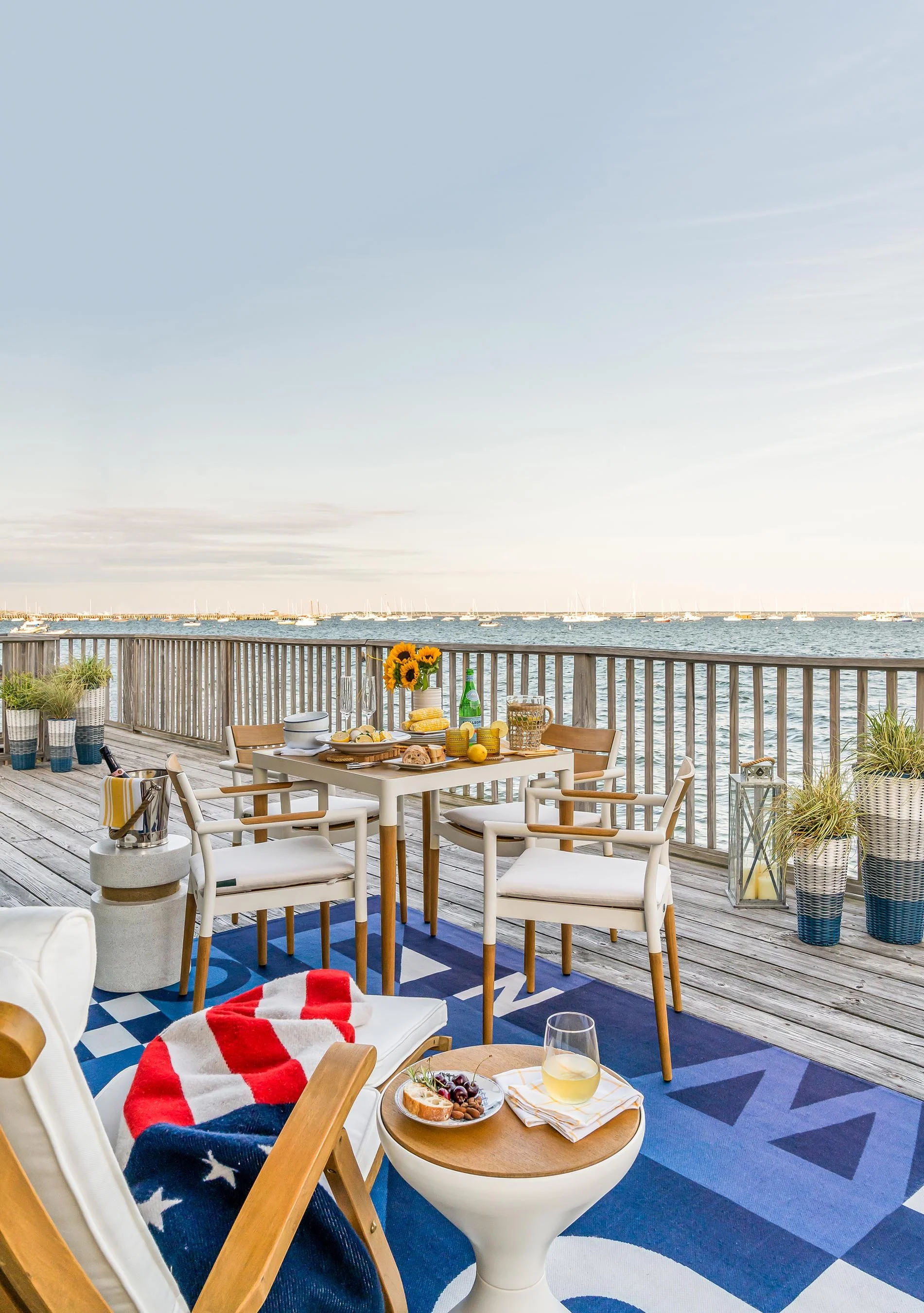
A coastal home should move easily between inside and out. This connection expands how the home is used.
Transitions should feel deliberate. Materials can shift, but they should relate to one another. Sightlines should extend beyond the interior, drawing attention outward.
Outdoor spaces should be designed with the same level of detail as interiors. Layouts should support cooking, dining, and lounging. Lighting should allow these areas to function into the evening.
In projects like Ptown Pied-à-Terre and Seaside Sanctuary, this connection shaped the entire design approach. The result is a home that feels larger and more connected to its surroundings.


Build a Cohesive Material and Color Strategy
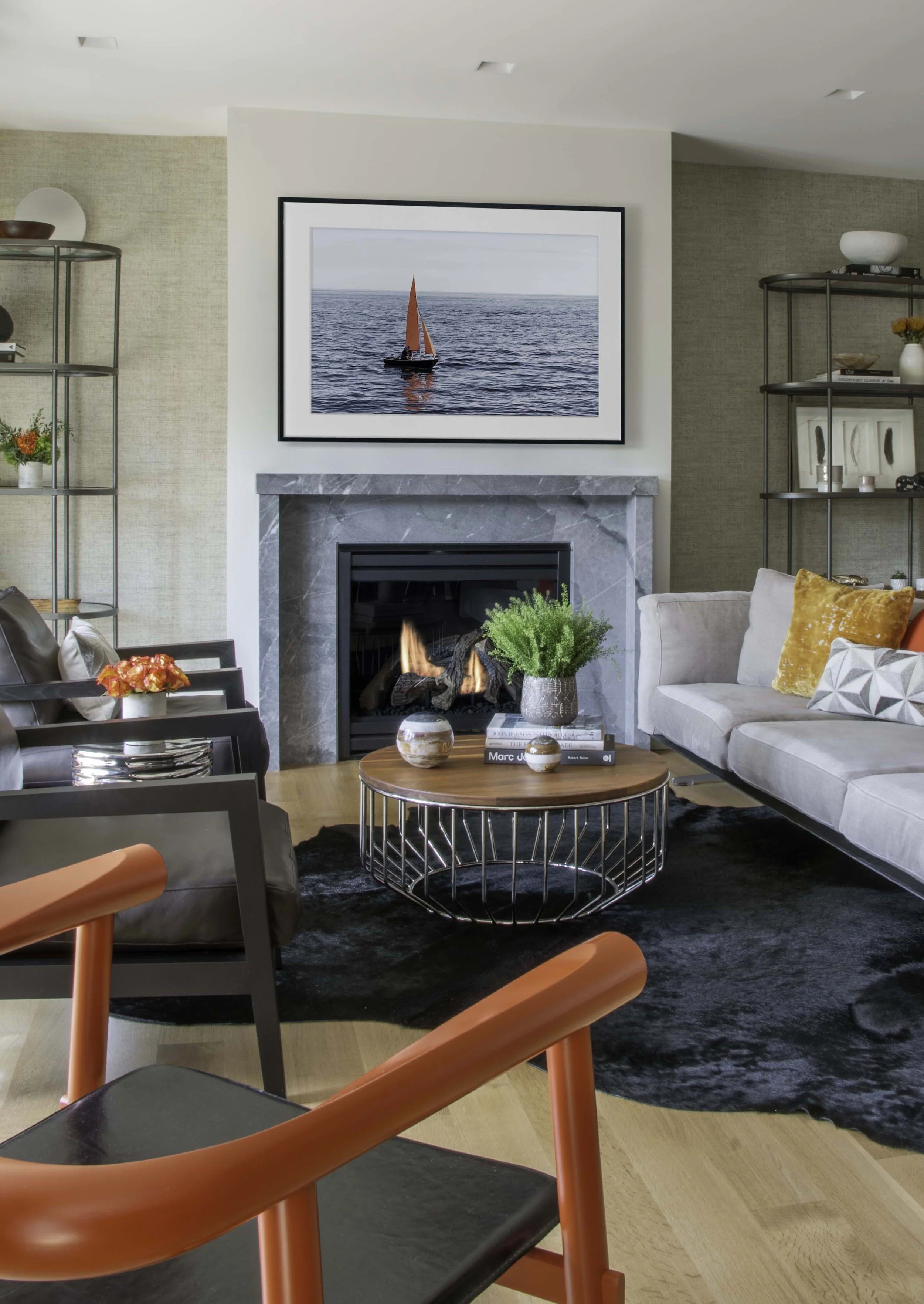
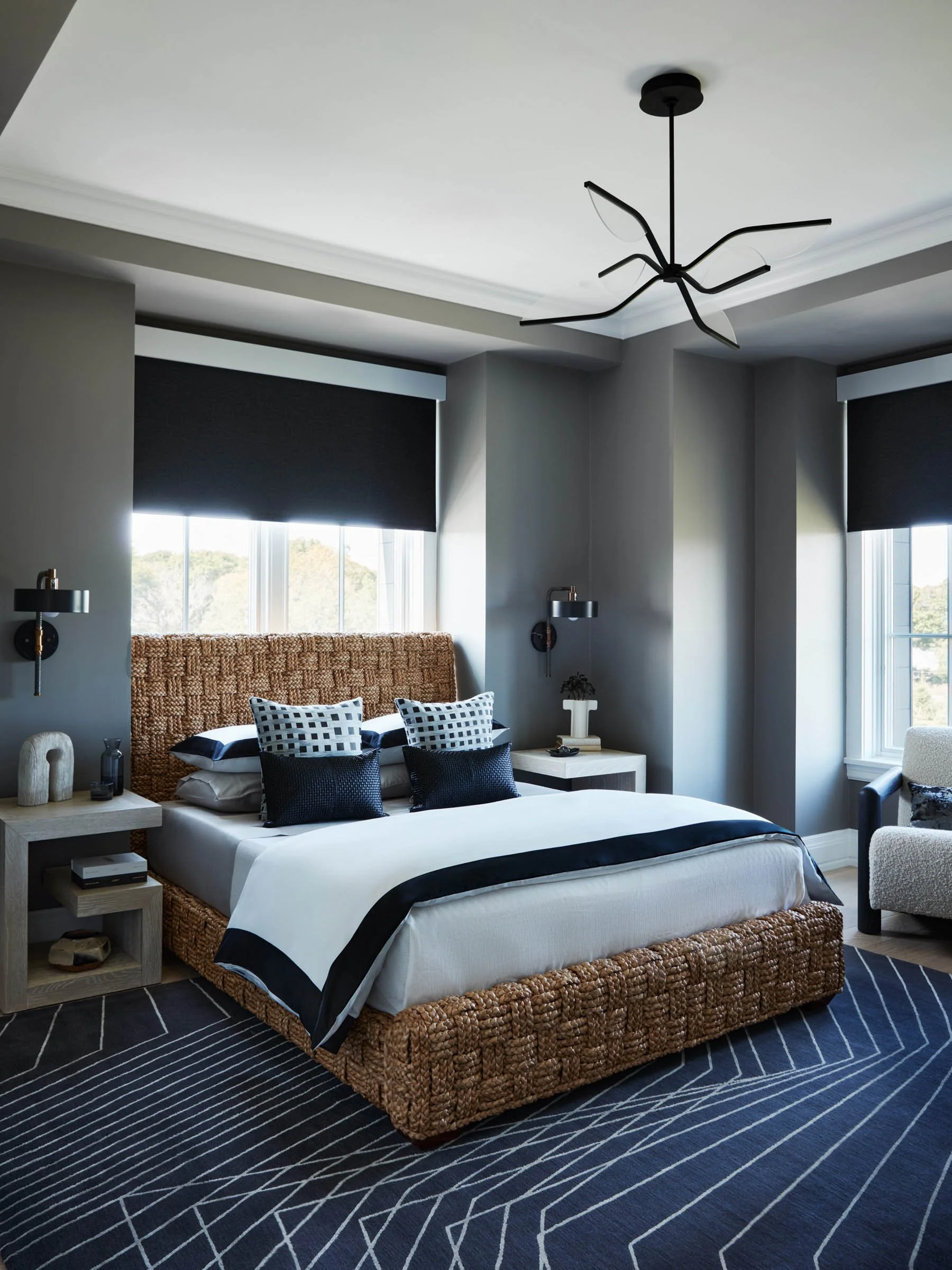
A coastal home benefits from a clear material direction. Rather than relying on a single palette, focus on how materials work together.
Wood, stone, metal, and textile selections should create contrast while still feeling connected. Darker elements can anchor a space. Lighter materials can reflect light and open it up.
Repeating materials across rooms helps create flow. Limiting competing finishes keeps the design focused.
In projects like Ptown Pied-à-Terre and Seaside Sanctuary, the surrounding environment informed the palette, but the execution remained controlled and consistent.
A cohesive approach allows each space to feel connected to the next.
Where Coastal Style and Design Experience Begin
There is no single formula for a coastal home. The right approach depends on how you live, how your home is used, and how you want it to feel day to day. When layout, materials, and lighting are aligned with that reality, decisions become clearer and the result feels resolved.
If you would like help planning a renovation, designing a coastal residence, or building a home from the ground up, our team at Trevor Fulmer Design can guide the process from concept through completion. Reach out to start the conversation and see how a clear design approach can simplify every step.
Interested in learning more? Explore our portfolio or contact us to begin your project.
