
How to Layer Rugs in a Room
The power of layered rugs
Most rooms have the right pieces, they just do not always feel finished.
That missing layer is often underfoot. A single rug can anchor a space, but layered rugs change how it reads altogether. They add depth, soften the floor, and give the room a sense of weight where it needs it.
You notice it in how your eye moves. You notice it when the seating area finally feels defined. It is subtle, but it shifts the entire space.
At our interior design firm, we use rug layering often because it solves more than one problem at once. It can ground a layout, introduce color without taking over, and break up large stretches of flooring.
Learning how to layer rugs in a room comes down to a few core ideas. Scale, texture, and placement do most of the work.

“Layered rugs transform space, adding depth, structure, and visual clarity.”
— Trevor Fulmer

Why layer rugs? Function & style
Layering rugs is not just about style. It is practical.
From a visual standpoint, layering rugs creates contrast. A flat base rug paired with a patterned rug or a vintage rug on top gives the space dimension. It keeps the floor from feeling like one uninterrupted surface.
Functionally, it helps define how a room is used. In open layouts, multiple rugs can separate spaces without adding walls. A layered rug setup can mark where a seating area begins or where a reading corner sits.
It also adds comfort. A softer top layer makes a noticeable difference in spaces where you spend time relaxing. If a single rug feels too small or too quiet, layering rugs gives you more control without requiring a full redesign.
Selecting rug sizes for layering
The success of a layered rug starts with scale. If the sizing is off, the whole setup feels unsettled.
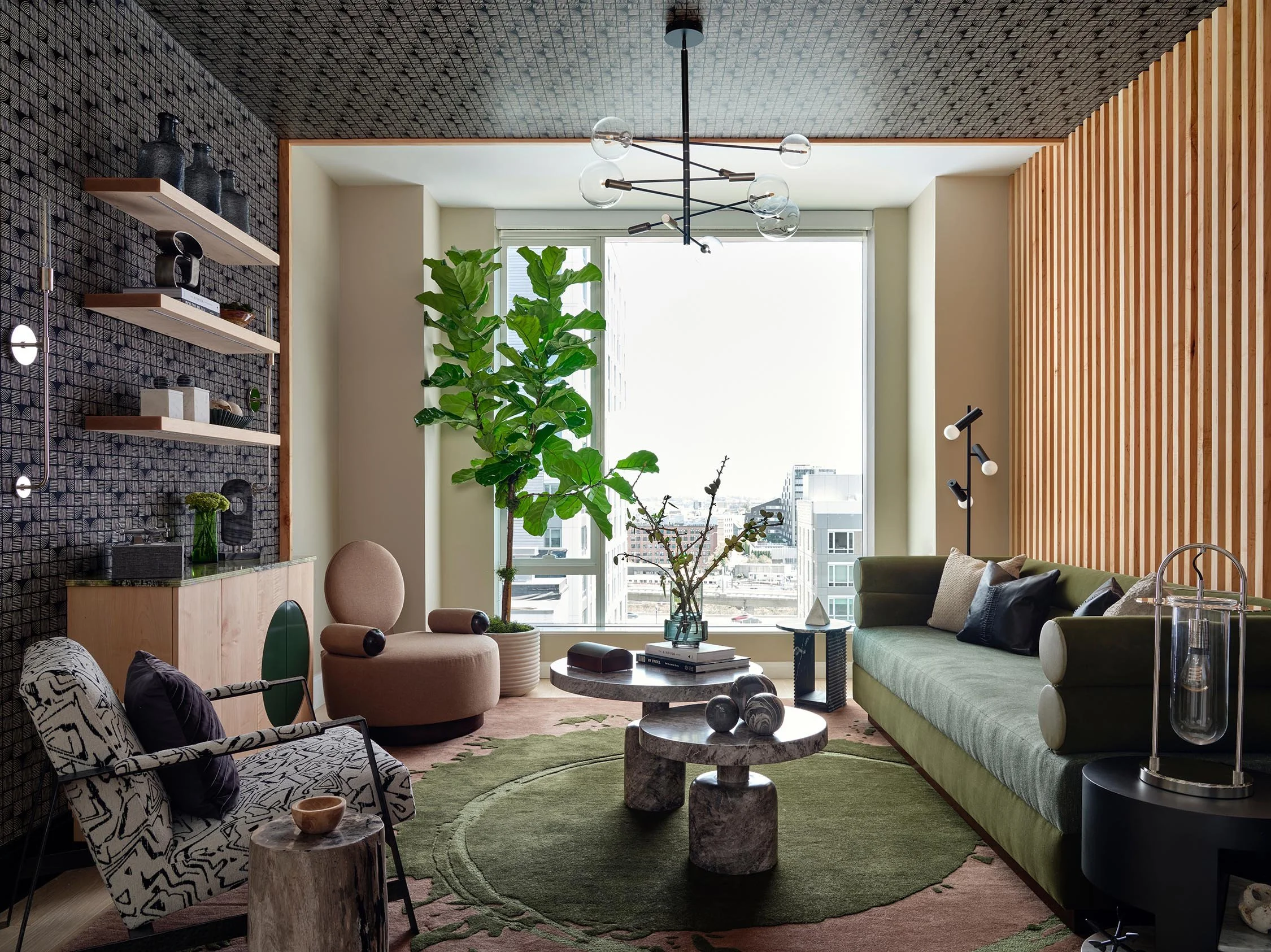
Begin with a base rug that grounds the room. In a living room, that means a rug large enough to sit under the front legs of your sofa and chairs. This creates a foundation that holds the space together.
From there, bring in a smaller rug. This could be an accent rug placed under a coffee table or centered within the seating area. The smaller rug should clearly sit within the base rug rather than compete with its size.
When working with multiple rugs, think about how they relate to each other and the furniture. Each layer should feel intentional, not added out of necessity.
Mixing textures & materials
Texture is where rug layering starts to feel interesting.
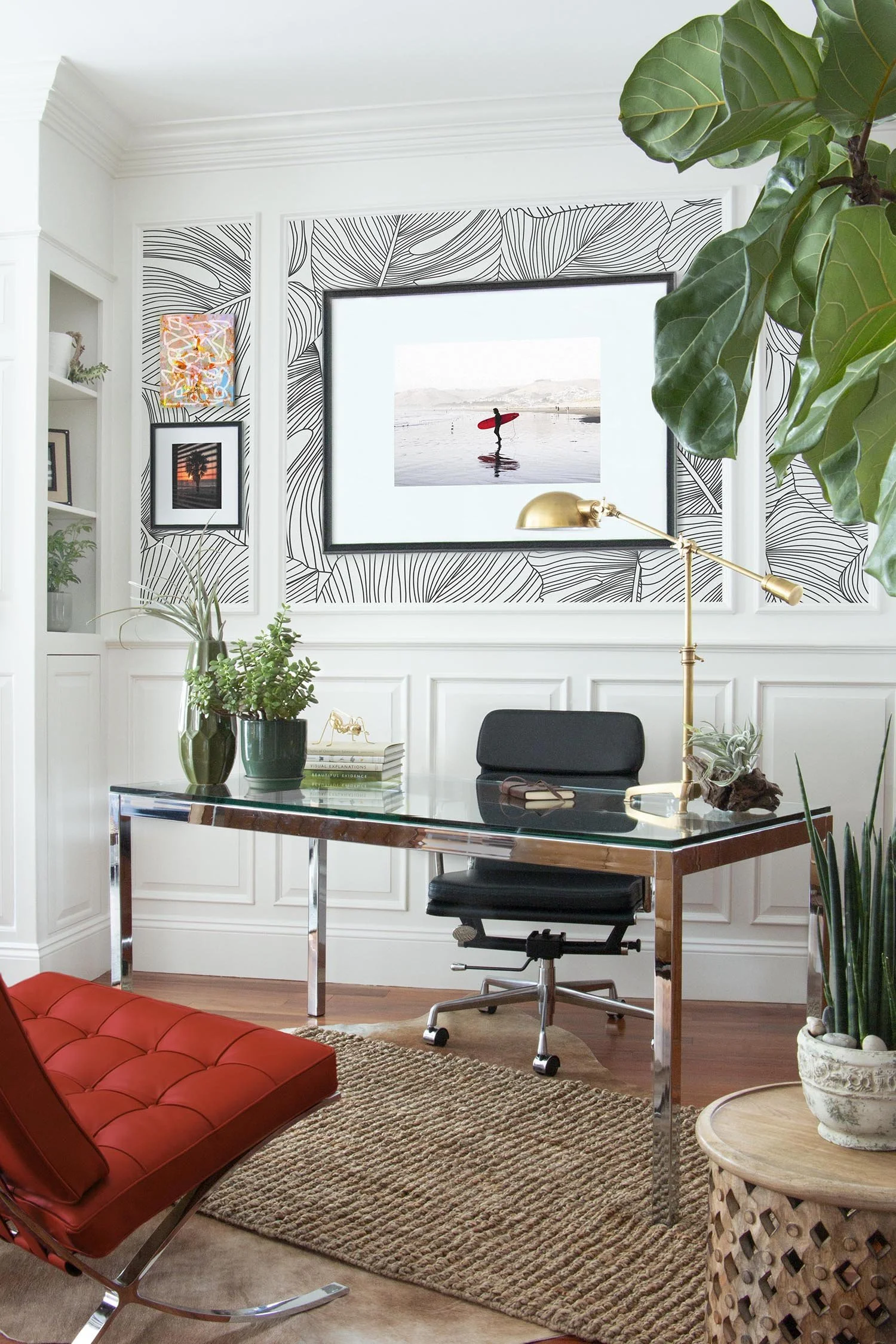
A natural base rug like jute or sisal works well as a starting point. It is durable and understated. From there, you can layer something softer. Wool, a low pile vintage rug, or a patterned rug can sit comfortably on top.
The contrast between textures gives the layered rug its depth. A smooth surface paired with something more tactile creates interest without relying on bold color.
Pay attention to thickness. A high pile rug stacked on another plush surface can feel heavy. Keeping one layer lower in profile helps the top rug sit cleanly.
Remember, a good layering rug combination should feel balanced underfoot and look grounded from across the room.
Color, pattern, and harmony
Color is where layering rugs can either come together or fall apart.
Start simple. A neutral base rug gives you flexibility. It allows the top rug to carry more personality without taking over the room.
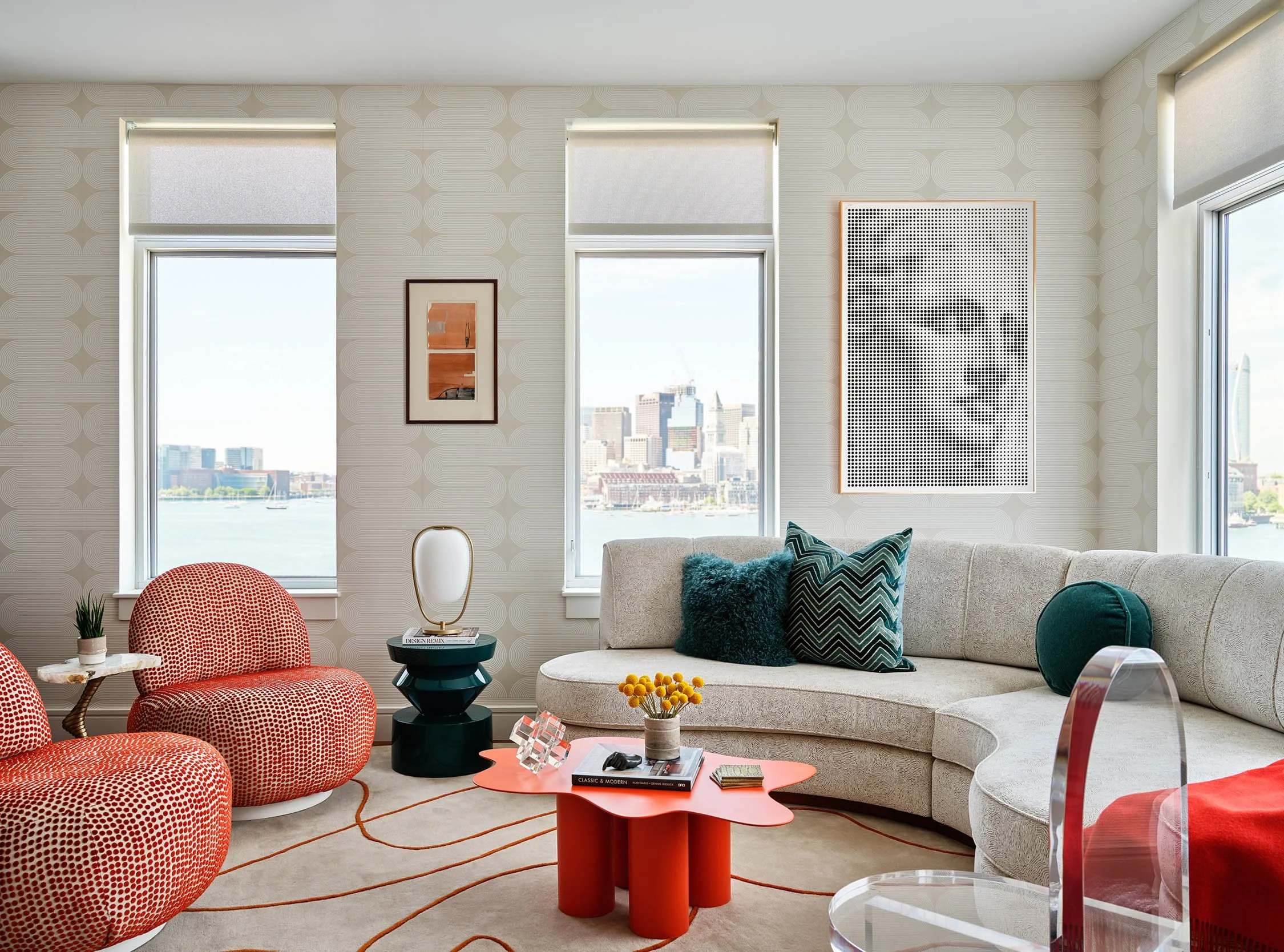
If you are drawn to bold tones – like red rugs or deeper patterns – layering helps keep them grounded. A strong patterned rug over a quieter base rug feels more integrated.
Keep your palette connected to the room. Pull tones from existing elements like upholstery or artwork so the rugs feel like they belong.
Pattern also needs restraint. One patterned rug paired with a more subtle base rug usually works best. Two strong patterns can compete if there is no shared element connecting them.
The goal is balance with each rug standing on its own while still relating to the rest of the space.
Placement strategies by room
Placement is where everything comes together.
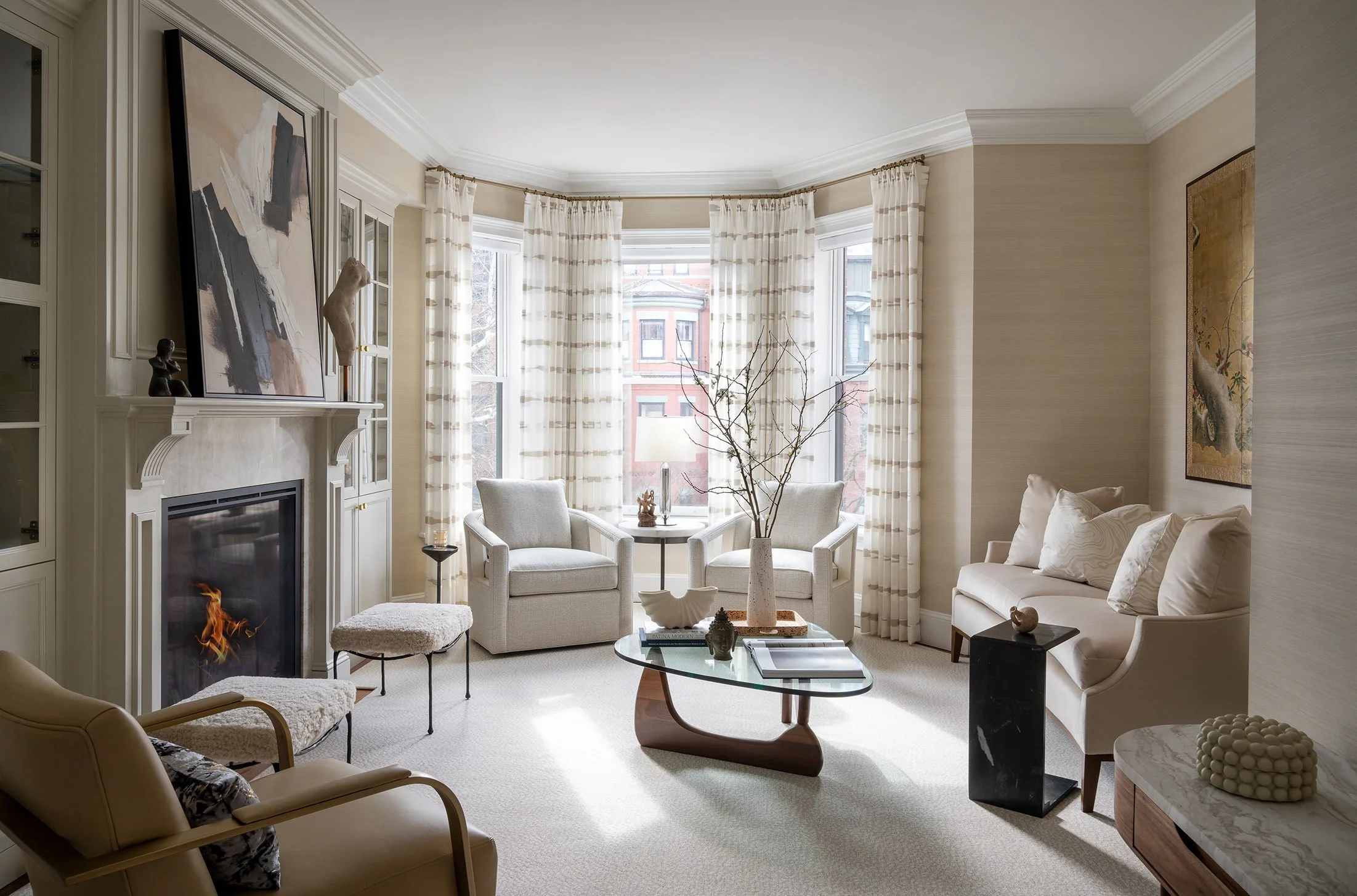
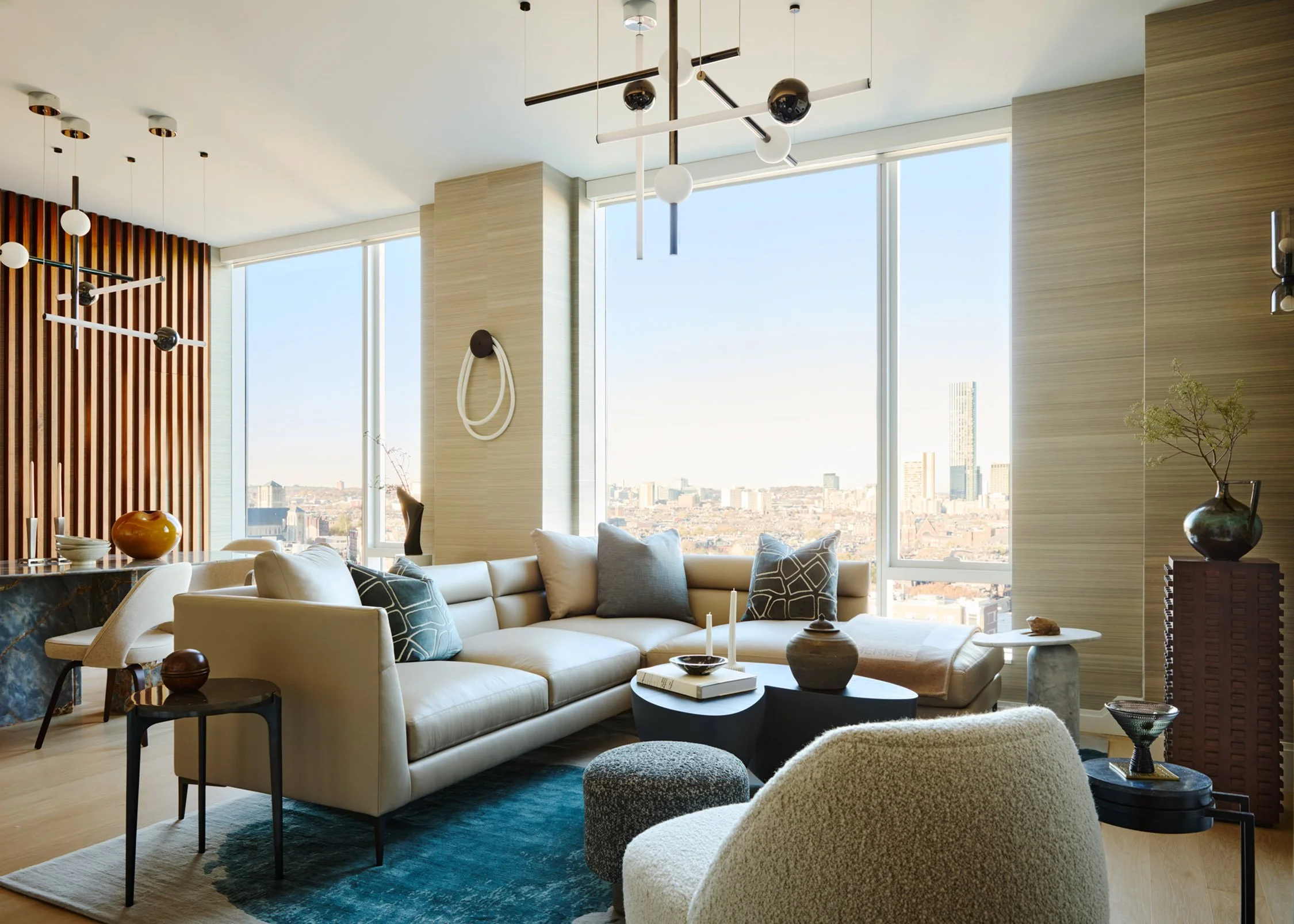
In living rooms, start with the base rug under the main seating area. Then layer a smaller rug under the coffee table. This creates a clear focal point and helps organize the space. It is a common approach in our living room design work because it keeps the layout grounded.
In bedrooms, the foundation rug should run past the sides and foot of the bed, giving you a soft landing when you step out each morning. Entryways are another place where layered rugs work well. A durable base rug handles foot traffic, while a smaller patterned rug adds character.
Rug layering can also define zones in larger spaces. A layered rug under a seating area signals where that zone begins, even in an open floor plan.

Practical tips for securing rugs
Once your rugs are in place, keeping them stable matters just as much.
A rug pad under the base rug helps prevent slipping and adds cushioning. It also protects the floor beneath. For the top layer, a thinner rug pad or rug tape can keep movement under control. Edges should lie flat. If a layered rug curls or bunches, it disrupts the look and creates a tripping point.
Take a moment to check alignment. Even slight angles can make the setup feel off. Adjust until the rugs line up with the furniture and the room itself. These details may seem small, but they are what make a layered rug feel finished.
Common layering mistakes
Layering rugs gives you flexibility, but a few missteps can throw off the entire room.
One of the most common issues comes down to size. When rugs are too similar in scale, the layered look starts to feel accidental instead of intentional. The smaller rug should sit clearly within the base rug so that the hierarchy reads at a glance.
Pattern can also get out of hand quickly. A bold patterned rug layered over another busy design creates visual noise. The eye does not know where to land, and the room can feel unsettled. Keeping one rug quieter allows the other to stand out.
Thickness is another detail that matters more than most expect. Stacking two heavy rugs can feel bulky underfoot and uneven at the edges. A lower profile base rug helps the top layer sit cleanly and keeps the transition smooth.
Scale shows up again in placement. A smaller rug without a proper base rug often feels like it is floating in the room. Without that foundation, the layout can feel incomplete.
When rug layering works, each piece has a clear purpose and supports the way the room is arranged.
A layered look that feels right
Rug layering is a simple way to add depth and personality without changing everything else in the room. It gives you flexibility to mix materials, introduce color, and shape how a space feels underfoot.
If you are starting from scratch, our Foundations Collection offers base rug options designed to ground a room and support layered combinations.
Be sure to keep these ideas in mind as you layer rugs:
Start with a base rug that fits the room
Add a smaller rug to create contrast
Mix textures to build depth
Keep colors connected to the space
Use a rug pad to keep everything in place
Check alignment before finishing
If you want help refining the look, working with our experienced interior designers can make the process much easier. After all, a well-placed layered rug does more than fill the floor, it changes how the room feels.
