
How to Brighten a Dark Room
Light is design’s best tool
Some rooms struggle with light from the start. A north-facing living room, a den in the center of a house, or an older home with small windows can leave a space feeling dim even at noon. Many people respond by adding more lamps, but that rarely solves the real issue.
Brightness comes from several design choices working together. Wall color, furniture placement, window treatments, lighting fixtures, and surface finishes all affect how light moves through a room. When these elements work together, a once gloomy space begins to feel open and lively.
At Trevor Fulmer Design, the first step is diagnosis. Is the room short on natural light? Are finishes absorbing it? Is furniture blocking what little brightness exists?
Once the source of the problem becomes clear, the solutions follow.
Here, we go over practical design strategies that can be used to bring life into dim spaces. Some changes are simple while others require thoughtful planning. However, when applied correctly, they can turn a shadowy room into one that feels inviting throughout the day.
Blog Contributor:
Trevor Fulmer

“Light improves when design decisions work together, not independently”
— Trevor Fulmer

Evaluate natural light sources
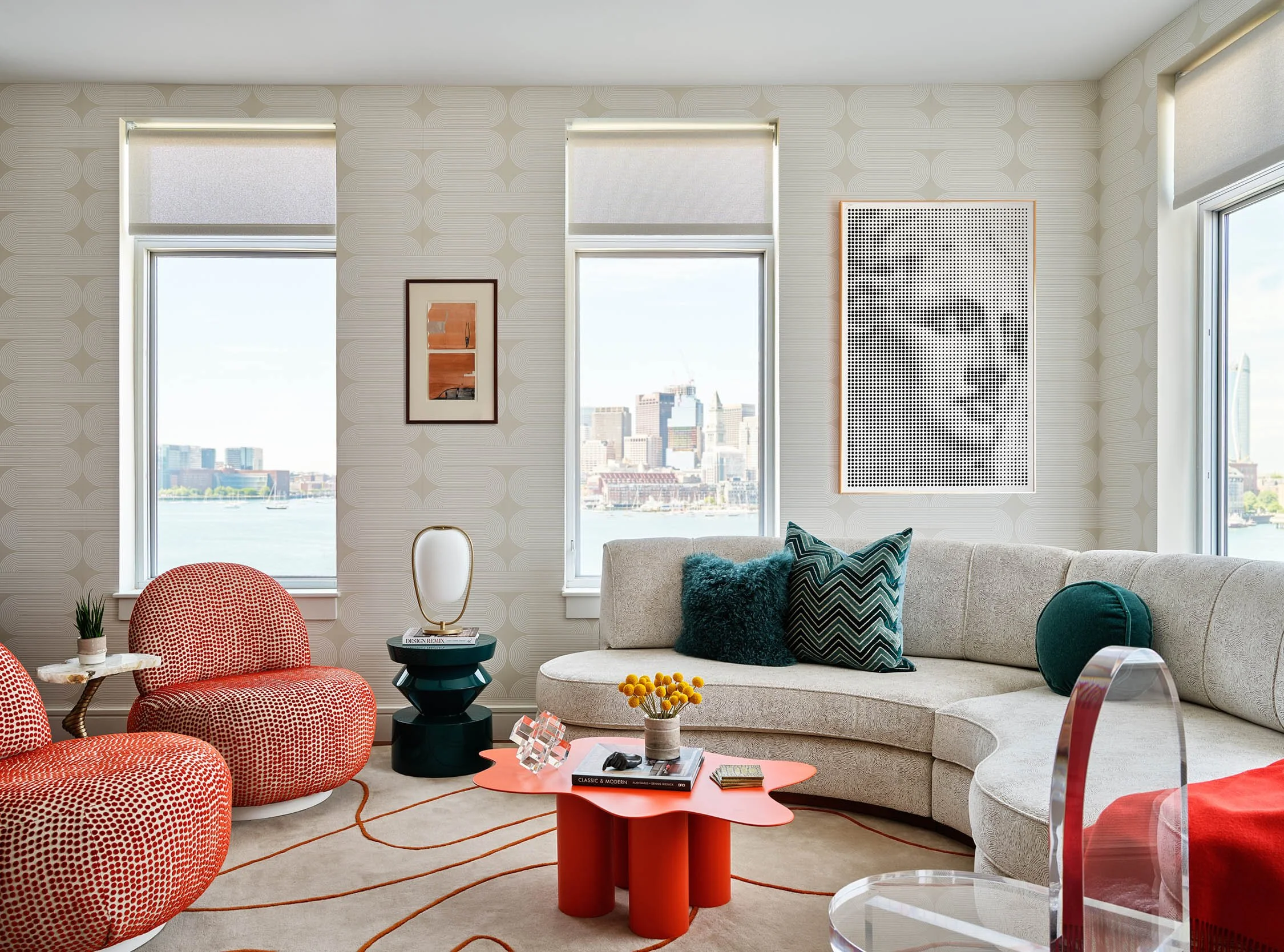
Before buying new lamps or choosing paint, it’s important that you study how daylight enters the room. Natural light shifts during the day, and helps guide design decisions.
Start with the windows as their direction matters more than you might first assume. South-facing windows deliver the most consistent daylight, while north-facing ones provide cooler light. East-facing windows brighten mornings, and west-facing windows stay dim until late afternoon when the sun drops lower.
You’ll want to look outside as well. Trees, nearby buildings, deep porch overhangs, and exterior awnings can block light before it reaches the glass. Sometimes something as simple as trimming landscaping or adjusting exterior elements allows far more daylight inside.
Of course, interior obstacles also matter. Heavy drapery, tall furniture near windows, or clutter on sills interrupt light as it enters the room.
Because of all these different elements, it’s essential to spend time observing how sunlight moves across the room during the day. Once you understand that pattern, design decisions become much easier.

Light reflective color strategies
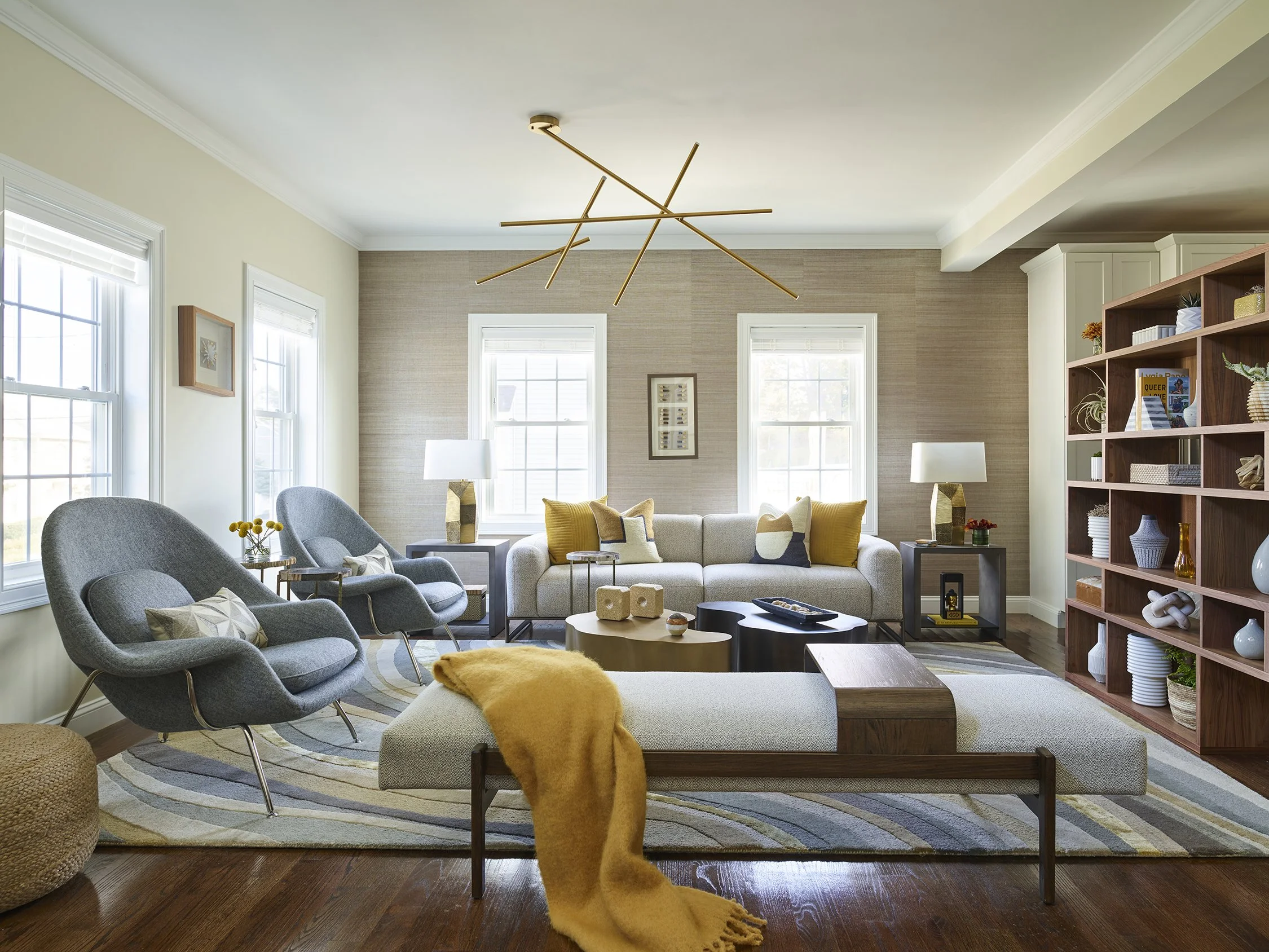
Color and wall treatments have a major influence in darker spaces. Many people assume the solution is simply painting everything white. While lighter tones can help, the real advantage comes from finishes that reflect light, rather than absorb it.
For instance:
Flat paint tends to absorb illumination.
Satin or eggshell finishes reflect more light back into the room.
Higher sheen paints can make a noticeable difference in spaces that struggle with brightness.
Lacquered finishes and glossy surfaces push light around much like polished materials.
Ceilings deserve attention as well. A bright ceiling helps a room feel taller because light travels upward and spreads outward. Designers often select a slightly lighter ceiling shade to reinforce this effect.
Trim and built-ins also influence brightness. Crisp trim colors reflect light along the edges of a room, helping define the space and add visual lift. Cabinetry with a soft sheen can brighten kitchens and dining areas without adding fixtures.
Color does not need to feel sterile. Soft creams, warm whites, pale blues, and muted greens keep a room lively while reflecting light.
Layered lighting: ambient, task, accent
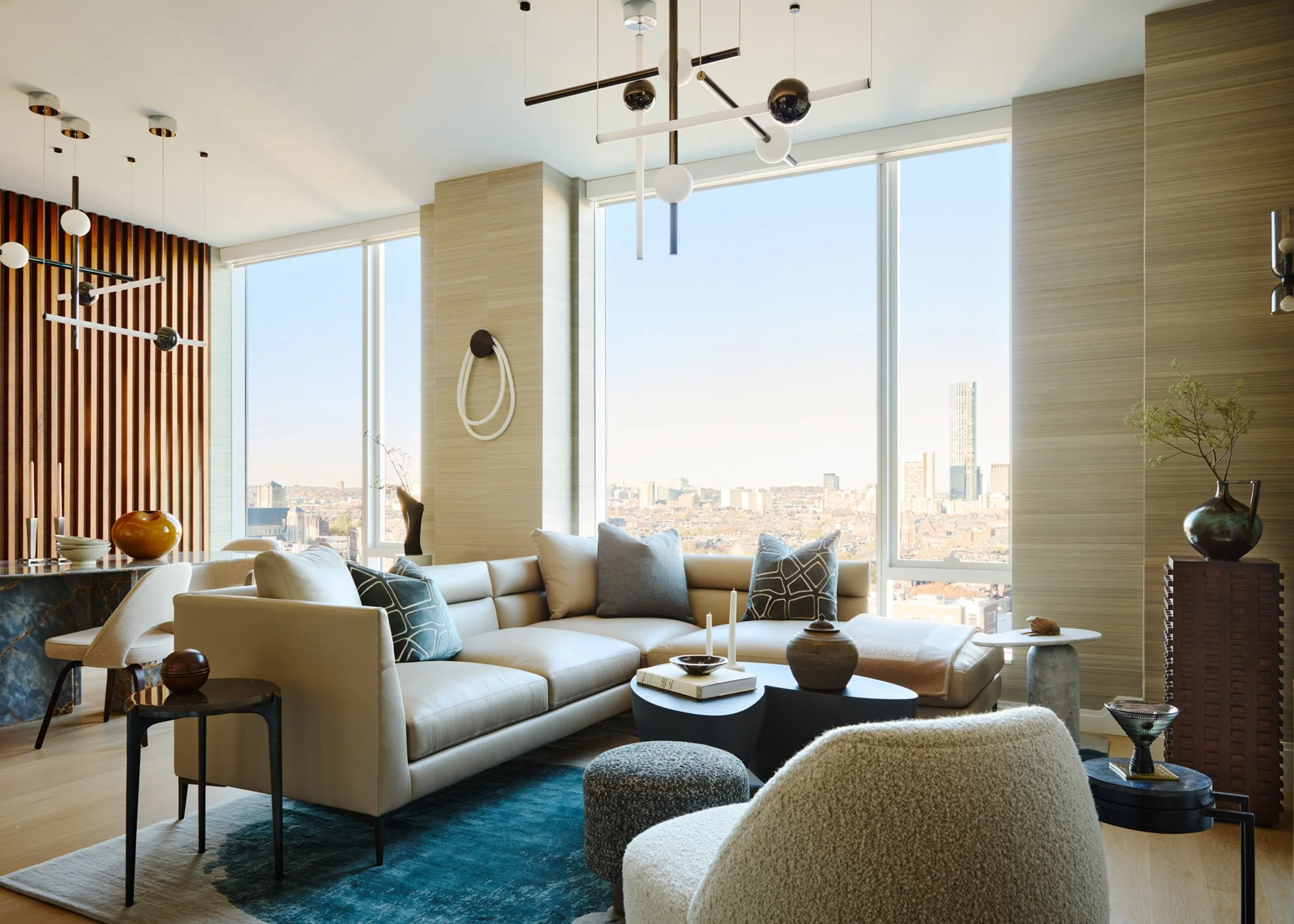
As natural daylight fades by evening, artificial lighting must carry the room after sunset. A single overhead fixture rarely provides the balance a space needs. Instead, our designers rely on layered lighting.
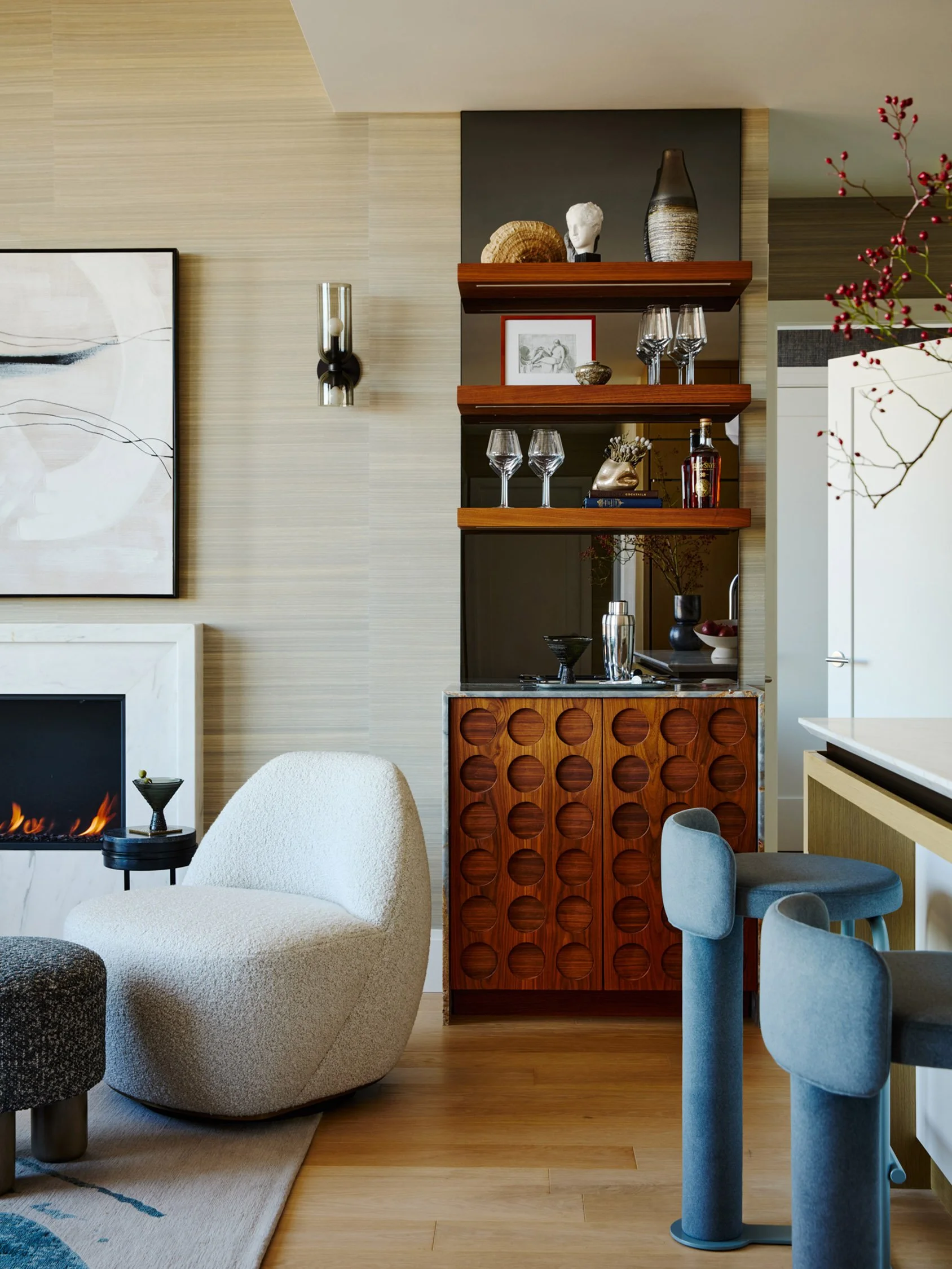
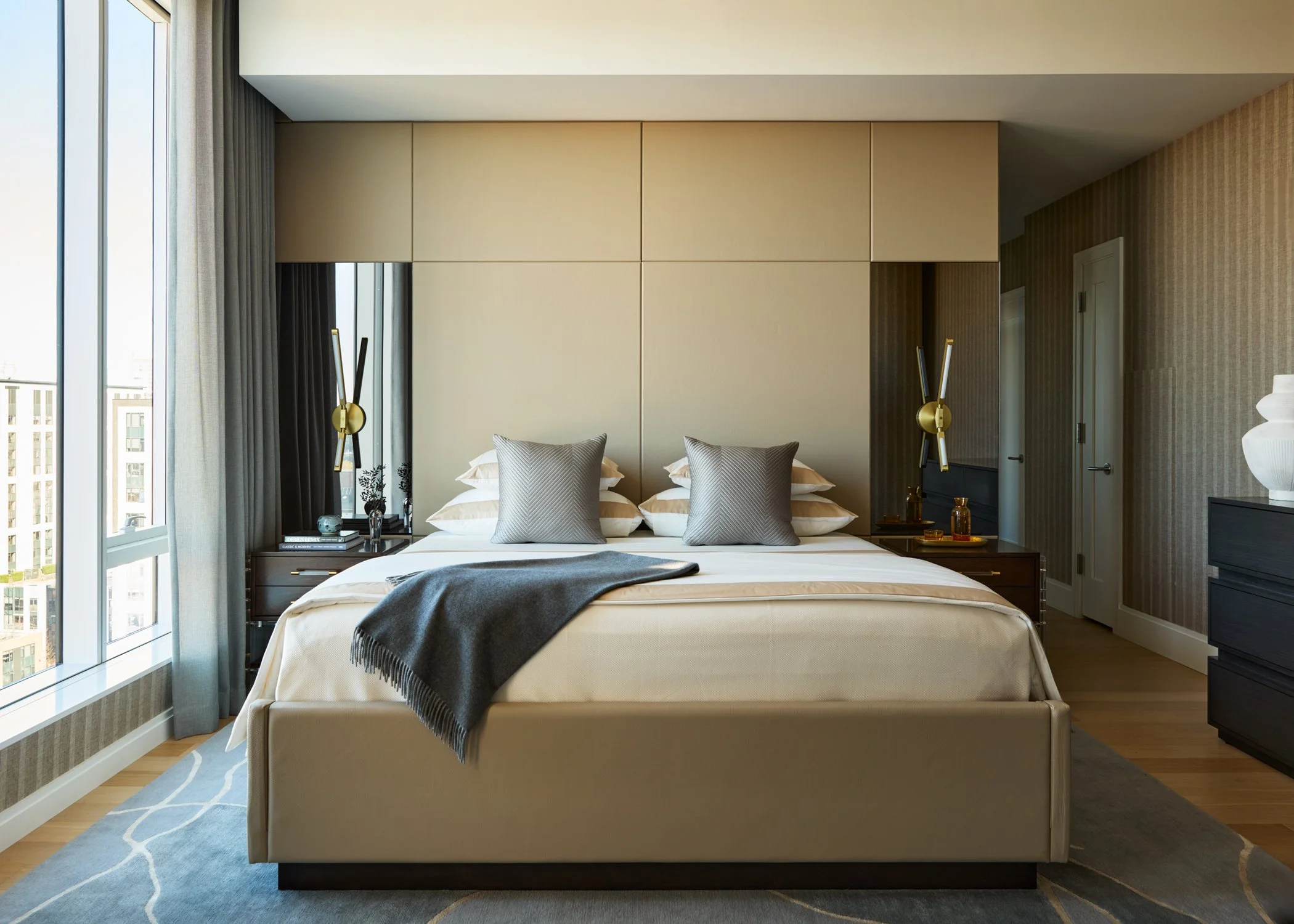
First, ambient lighting forms the base layer. Recessed canister lights, flush mounts, pendants or chandeliers fill the room with general illumination and reduce dark corners.
Next, task lighting focuses on specific activities. Reading lamps beside a chair, under-cabinet lights in the kitchen, or a desk lamp in an office bring brightness exactly where it is needed.
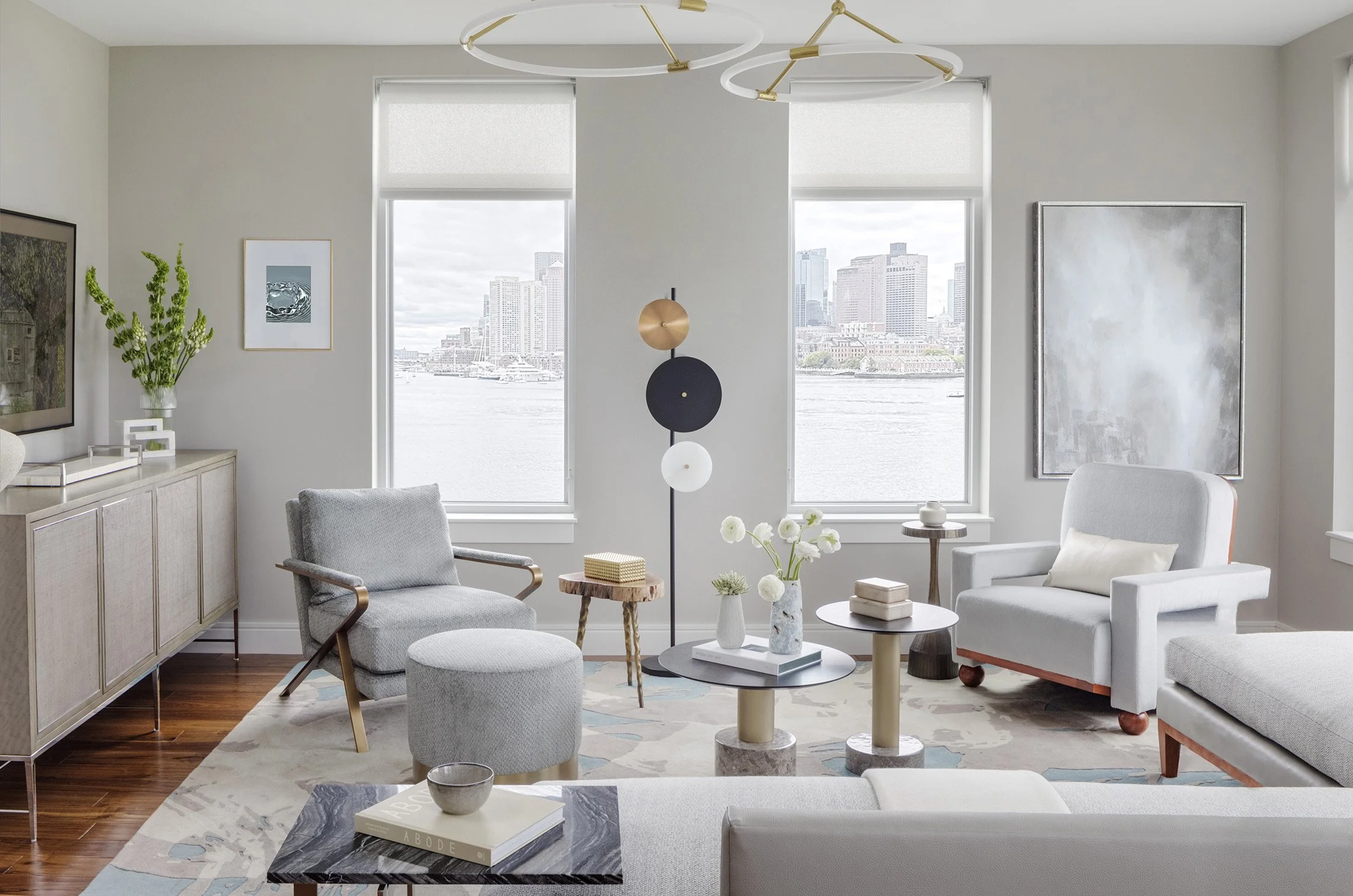
Then, accent lighting adds dimension. Wall sconces, picture lights, or spotlights aimed at architectural details introduce highlights that prevent the room from feeling flat.
When these layers work together, light spreads across the room from multiple directions, which reduces shadows and creates a welcoming atmosphere.
Mirror and reflective surface placement
Mirrors do far more than reflect a person standing in front of them. In design, they redirect light.
Placed across from a window, a mirror doubles the effect of daylight. Sunlight reflects back into the room and travels farther than it would on its own. A mirror near a lamp can create the same effect in the evening.
Pro tip: A large mirror can act almost like a second window with smaller mirrors grouped together scatter light in several directions.
Reflective surfaces beyond mirrors help as well. Glossy tile backsplashes, polished stone countertops, lacquered furniture, and metallic finishes bounce light throughout the room. Even glass tabletops help reduce visual weight while spreading brightness.
Placement matters with your mirrors and reflective surfaces. You want to aim mirrors toward light sources rather than blank walls so that the room’s existing light travels farther.
Window treatments that let light in
Window treatments can block more light than many people expect. Heavy fabrics and dark colors often turn a decent window into a narrow beam of daylight.
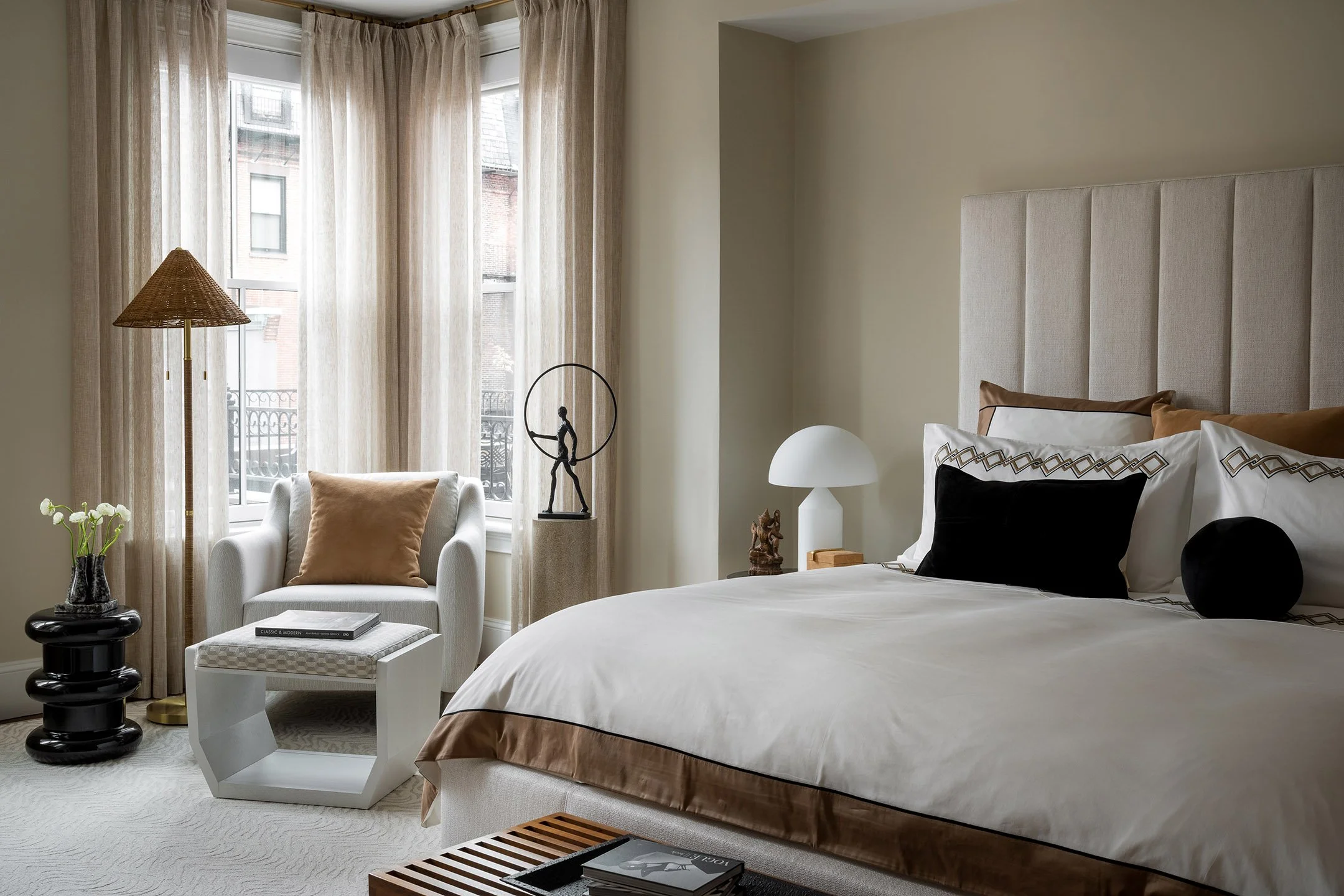
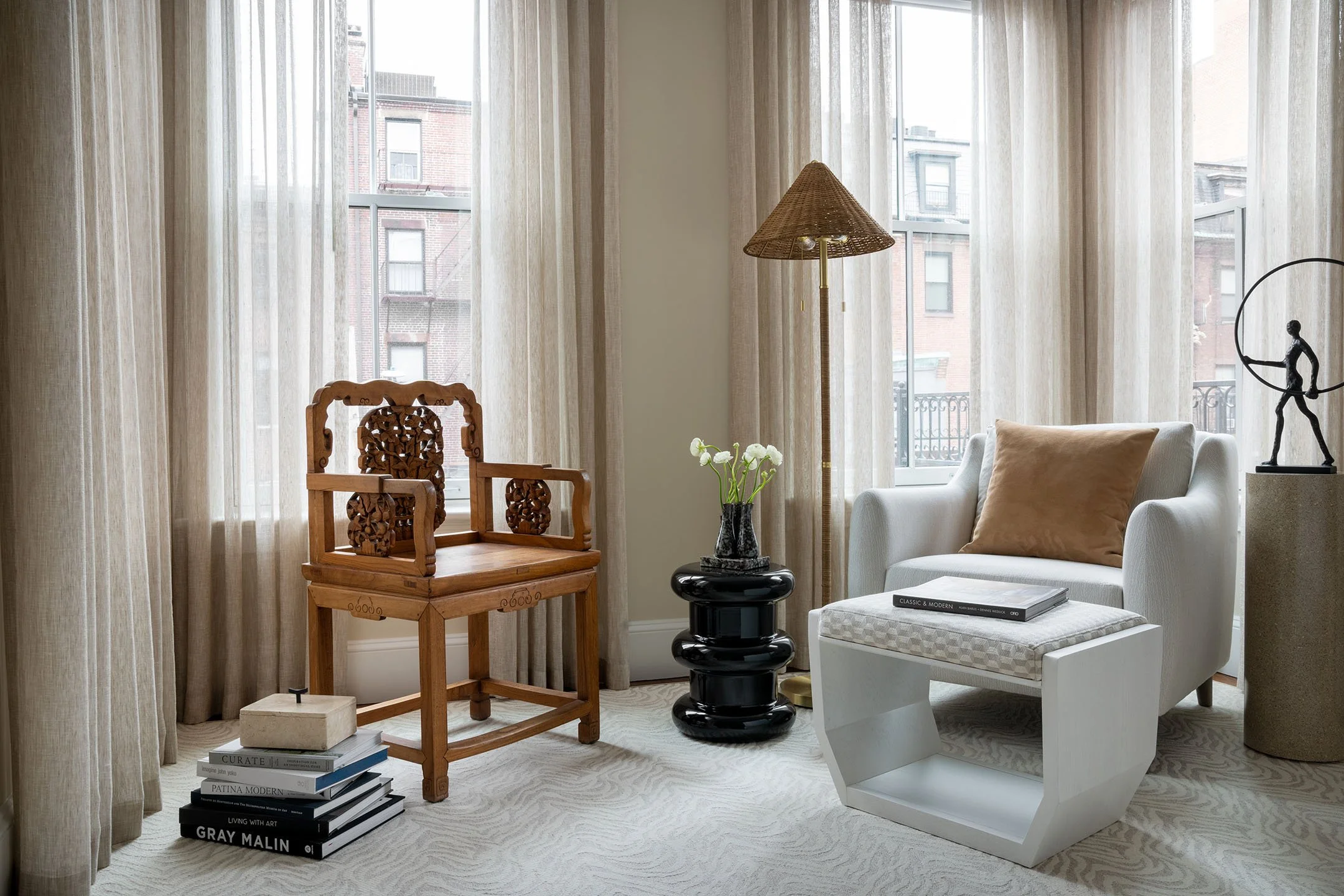
Typically, lighter treatments work better. Sheer curtains or unlined romans shades soften sunlight while allowing the room to glow. Something as simple as a switch from heavy drapery to soft linen panels can noticeably brighten a room.
Roman shades and roller shades are another good choice. When raised, they sit compactly at the top of the window and stay out of the way. Motorized shades allow easy adjustment throughout the day as sunlight changes.
Mounting curtain rods higher than the window frame can make windows appear taller. When curtains open, more glass becomes visible and daylight stretches upward.

Furniture and flooring choices
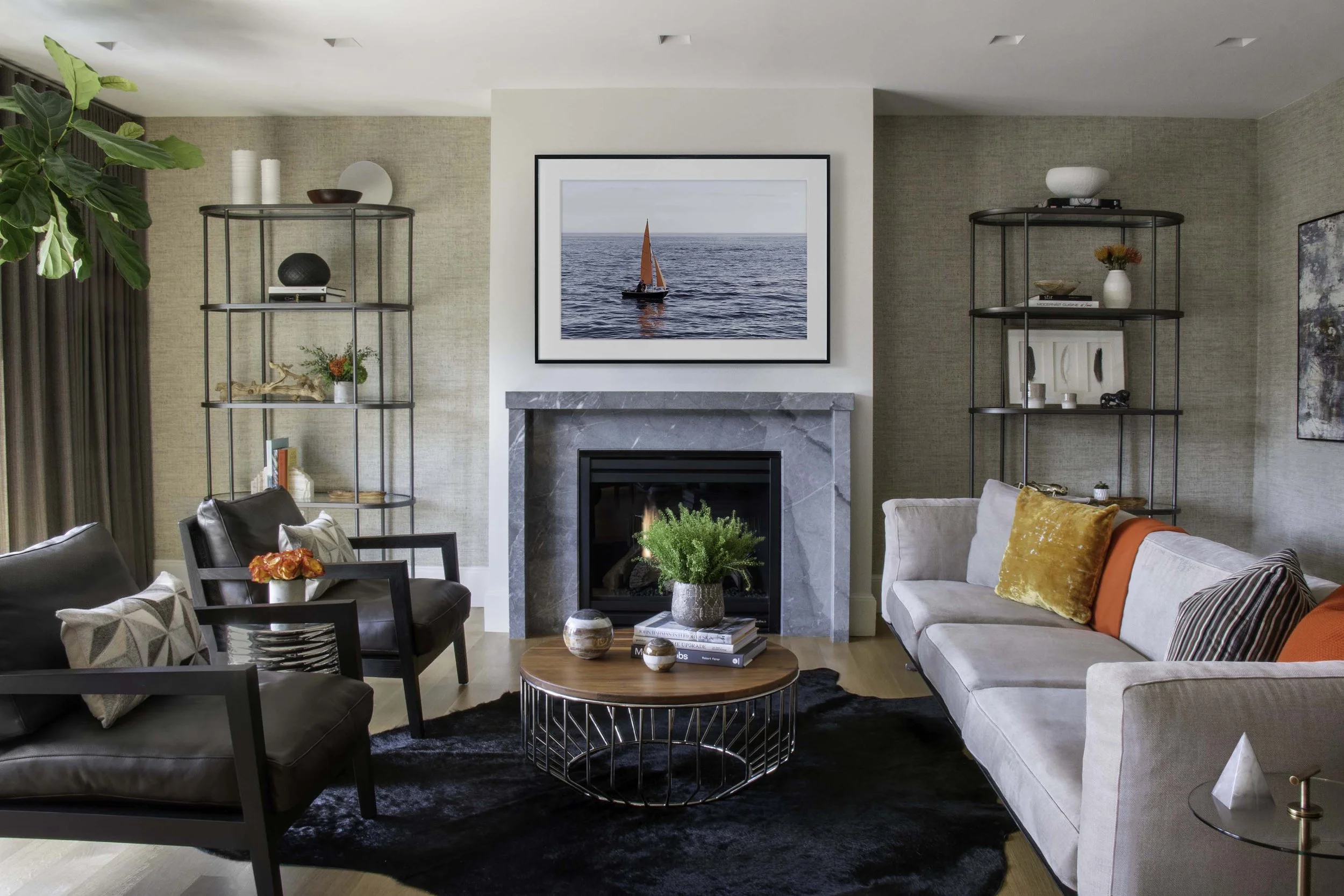
Furniture affects how light travels through a space and any large pieces that sit directly on the floor often create darker zones. Furniture with legs introduces space beneath each piece, allowing light to move under chairs, sofas, and tables. That small gap helps the room feel more open.
Upholstery color also plays a role. Lighter fabrics reflect light and brighten the visual field. Cream, pale gray, and soft beige upholstery help spread illumination.
Metal accents contribute as well. Brass lamps, chrome details, or metal table bases catch light and scatter it through the room. Flooring can also influence brightness more than expected. Dark hardwood absorbs light. Lighter wood tones, pale area rugs, or layered textiles reflect light upward and lift the room visually.
The goal is balance. A few darker pieces anchor the space while lighter elements keep the room bright.

Declutter and open sightlines
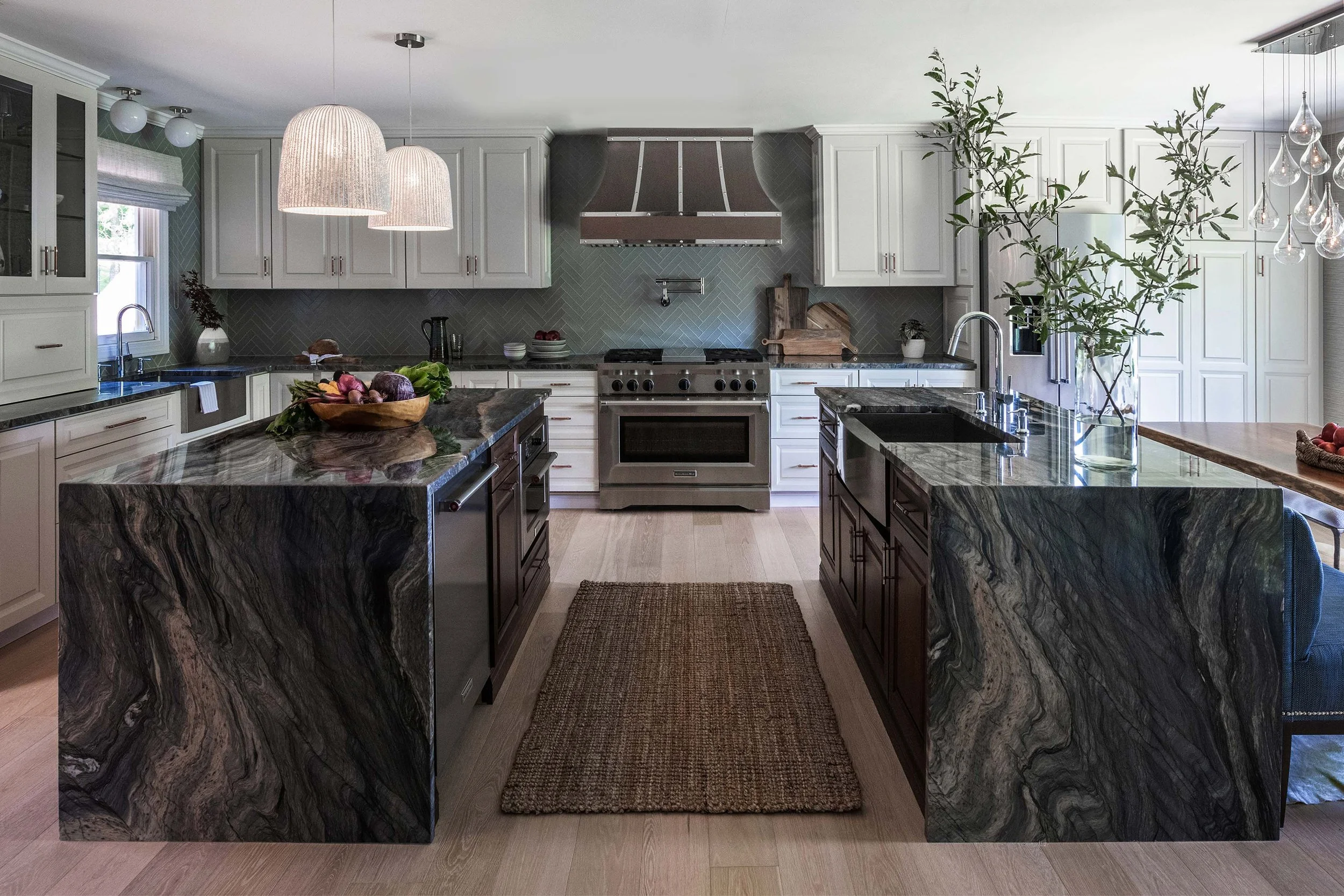
Light travels best through open space. When rooms fill with objects, the path of light becomes interrupted. Instead of spreading across the room, brightness gets trapped behind furniture, décor, and crowded surfaces.
Removing visual barriers allows brightness to reach deeper into the room. Tall bookcases in front of windows, bulky cabinets, or excessive décor can create pockets of shadow that make a space feel smaller. Even stacks of books, plants, or decorative objects on window ledges can block the first wave of daylight entering the room.
Floating furniture slightly away from walls sometimes helps daylight reach farther into the space. Even small adjustments in placement can change how light spreads across the floor and walls. Leaving a bit of breathing room around furniture also helps the room feel more comfortable and balanced.
Open shelving or glass cabinet doors maintain storage while allowing light to pass through. These choices prevent storage pieces from acting like solid walls inside the room.
A well-edited room feels brighter simply because light can move freely. When every item has space around it, the room feels lighter, calmer, and far more welcoming.


Artwork and accessories that add brightness
Decorative pieces can also contribute to brightness. Artwork with lighter tones reflects illumination across wall surfaces and prevents large areas from feeling heavy. Landscapes with open skies, abstract pieces with pale tones, or artwork with white matting can subtly brighten an entire wall.
Metallic frames catch daylight and lamp light, sending small reflections across the room. Brass, gold, and brushed silver finishes add warmth while helping light travel farther.
Glass and crystal accessories work in a similar way. A glass vase or crystal lamp base scatters light gently and keeps surfaces from feeling dense. Even small pieces like glass bowls or decorative bottles can catch light during the day and reflect lamp light at night.
Small reflective objects like trays or candleholders can add brightness without taking up much space. These pieces also introduce texture and visual interest without making the room feel crowded.
A few well-chosen accents bring sparkle to the room without clutter, helping the entire space feel lighter and more energized.
Bright rooms feel better. Here’s how
A dark room rarely has a single cause. Window direction, paint finishes, furniture placement, and lighting choices all shape how bright or dim a space feels.
When natural light patterns are understood and reflective finishes, layered lighting, and open sightlines are introduced, the atmosphere of a space can change dramatically. Many times, small adjustments make a bigger difference than people expect.
If the space still feels dim after trying these strategies, professional guidance can make the process easier. That’s where the interior design services from Trevor Fulmer Design can help. Our team studies how light moves throughout your home and offers expert guidance on how to brighten a dark room with thoughtful design solutions tailored to your space.
Contact us today to start the conversation.
