
Different Sofa Styles, Explained
A sofa is often the first piece people notice and the one everything else gathers around. It shapes how a room feels, how people move through it, and where conversations naturally happen. More than just seating, it helps set the mood for the space, influencing comfort, layout, and how the rest of the furniture fits together. Before anyone sits down, a sofa already communicates something about the room, whether it feels relaxed or polished, bold or understated.
Because the sofa plays such a central role, choosing the right style is worth some thought. Understanding the differences between common sofa styles helps narrow the field and makes the process feel far more approachable. Whether you are furnishing a new home or updating a familiar space, knowing what defines each style allows you to make informed choices and enjoy the process rather than second-guess it.
Blog Contributor:
Trevor Fulmer

“A sofa is more than a place to sit. It establishes how a room feels and how people gather.”
— Trevor Fulmer

How to Choose the Right Sofa Style
Before looking at silhouettes or fabric options, it helps to step back and consider how the sofa will be used. Room size and layout come first. A compact room benefits from a sofa with clean lines and exposed legs, while a larger space can handle deeper seats or heavier proportions.
Lifestyle matters just as much. A household that hosts often may prioritize seating capacity and durability. Someone who loves to stretch out with a book might care more about seat depth and cushion softness. Pets, children, and everyday wear also influence which different sofa styles and materials make sense.
Personal taste should guide the final decision, but it works best when paired with practical thinking. A sofa should suit the way the room functions today yet still feel comfortable years from now.


Classic Sofa Styles
Classic sofa styles have lasted for good reason. Their familiar shapes and proportions feel grounded, making them easy to place in a wide range of interiors. Although each style has distinct features, they all share an emphasis on structure, balance, and longevity.
Chesterfield Sofas
The Chesterfield is one of the most recognizable sofa styles. It is defined by deep button tufting, a low back, and arms that sit at the same height as the back. Often upholstered in leather, this style brings a tailored presence to a room. It works well in offices, libraries, and living room spaces that lean traditional or structured.
Lawson Sofas
Lawson sofas offer a softer take on classic design. Their defining feature is separate back cushions that rest above the frame, creating a relaxed and inviting profile. This style prioritizes comfort while still feeling composed, making it a popular choice for family rooms and everyday living areas.
English Roll Arm Sofas
English roll arm sofas soften the look even further. The arms curve gently outward and sit lower than the back, giving the piece a welcoming shape. This style pairs well with both traditional and transitional interiors and feels comfortable without appearing casual.
Camelback Sofas
Camelback sofas are known for a curved back that peaks in the center. This distinctive shape gives them a more formal appearance and makes them well suited for rooms designed around conversation. Even with simple upholstery, a camelback sofa stands out as a visual focal point.


Modern and Contemporary Sofa Styles
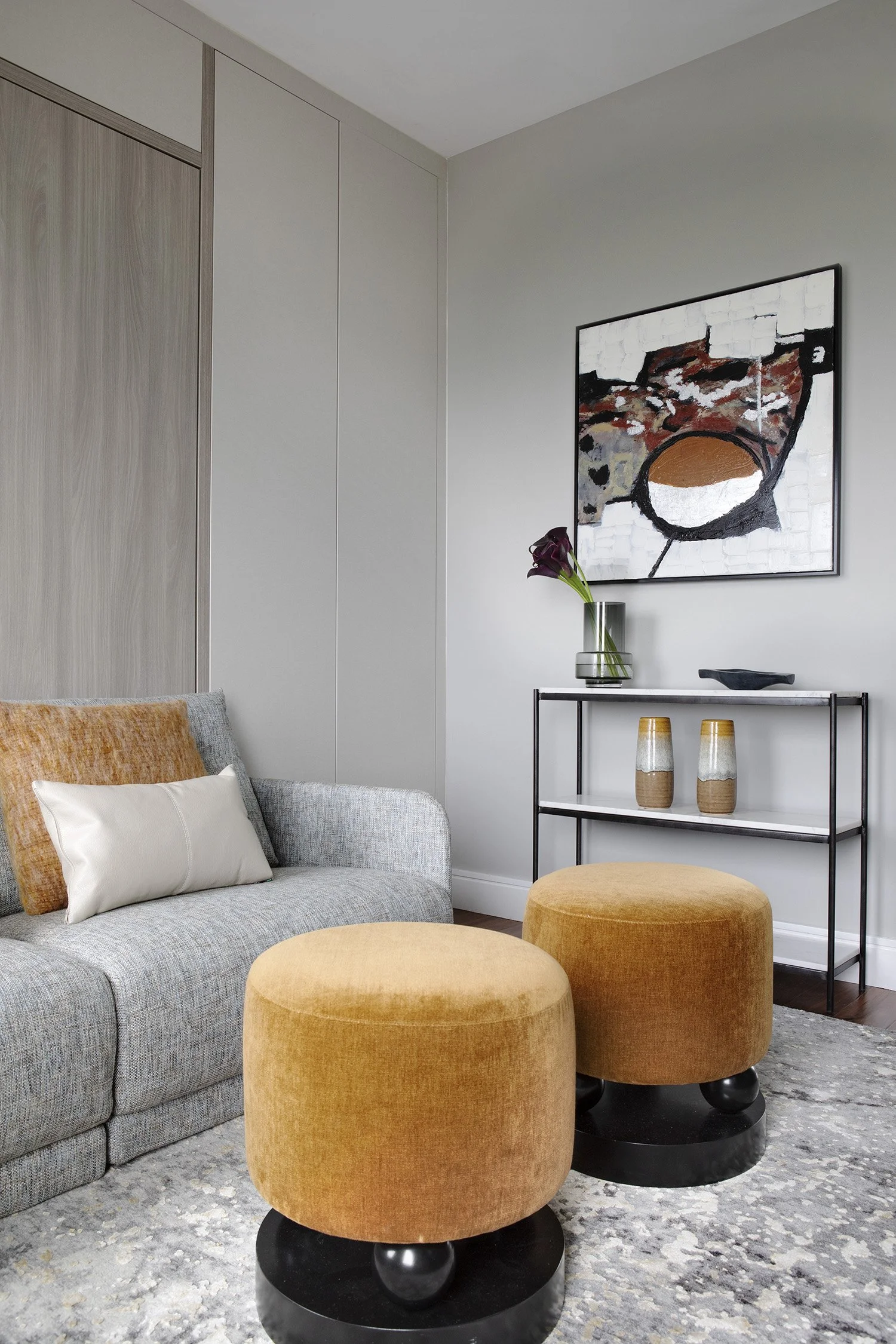
Modern and contemporary sofa styles focus on simplicity, clean lines, and proportion. These designs often feel lighter visually and work well in open layouts, newer homes, and spaces where the architecture plays a strong role.
Track Arm Sofas
Track arm sofas are defined by straight, squared-off arms that create a tailored silhouette. This style works across a wide range of interiors and can lean modern or transitional depending on upholstery and leg design. Track arm sofas are a popular choice for those who want a clean look without feeling stark.
Low-Profile Sofas
Low-profile sofas sit closer to the ground and often feature deeper seats. Their horizontal emphasis creates a relaxed feel and works well in rooms with tall ceilings or expansive windows. This style supports casual lounging but maintains a streamlined appearance.
Transitional and Versatile Sofa Styles
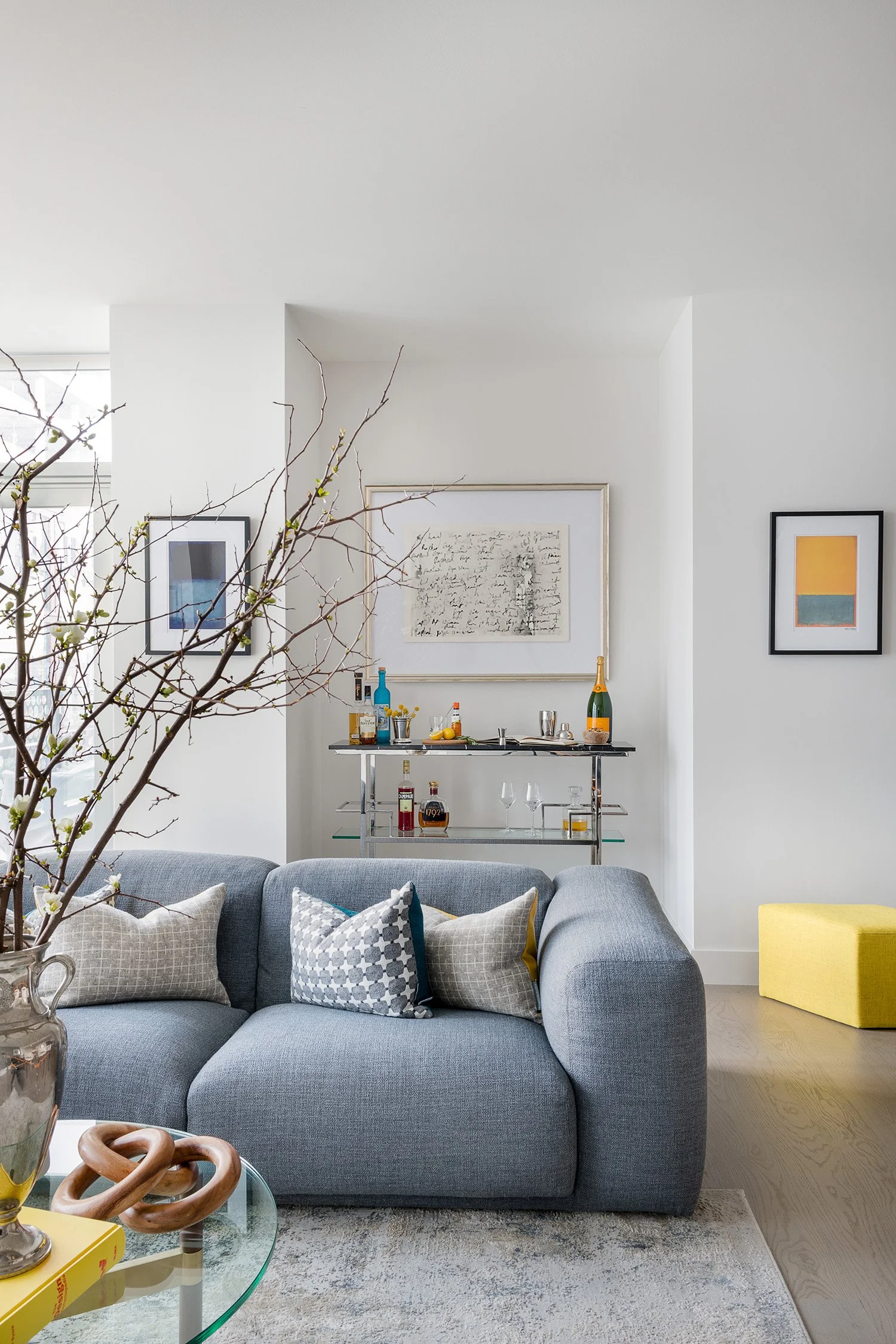
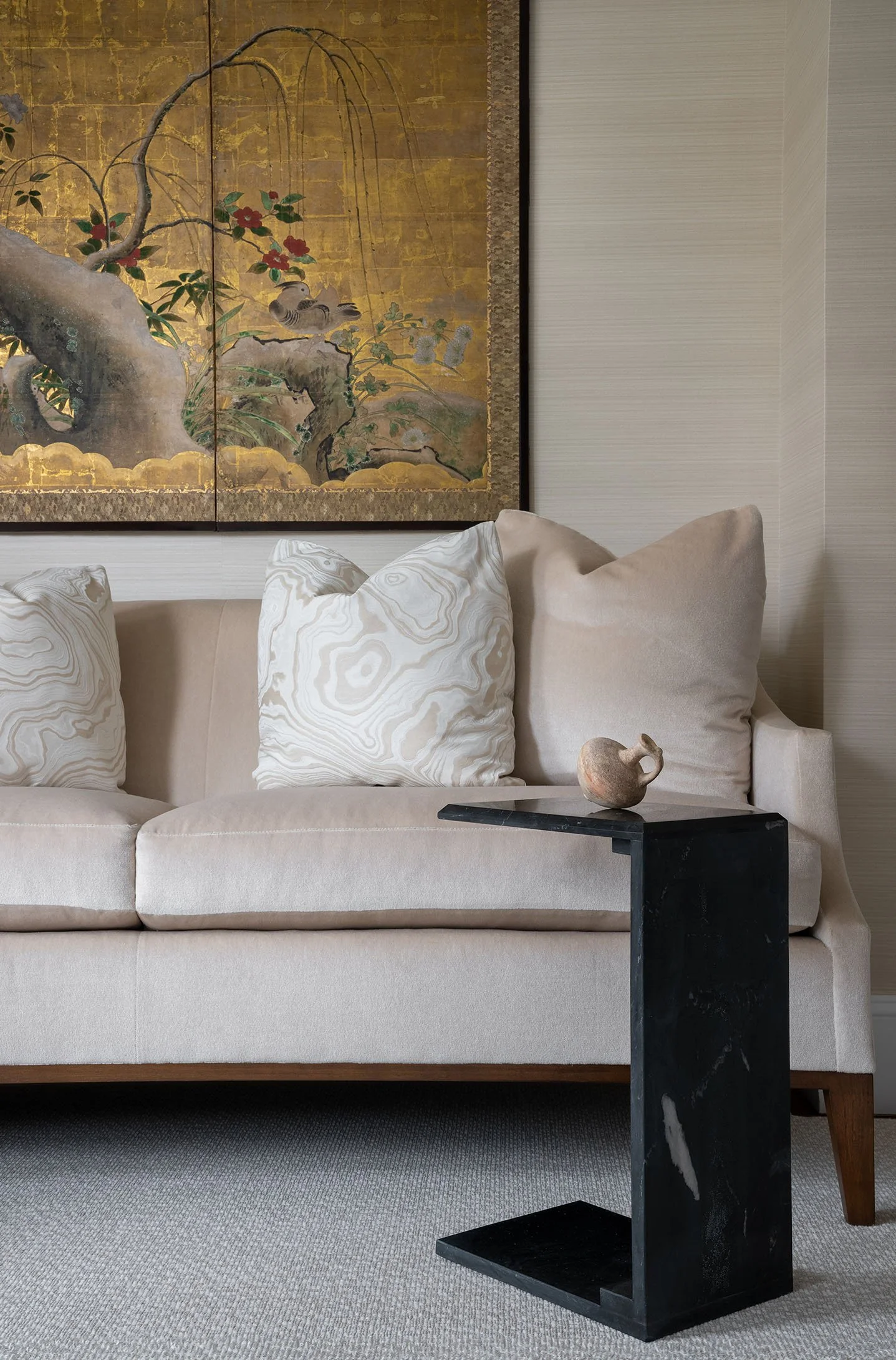
Transitional sofas sit comfortably between classic and modern design. They borrow elements from both sides, creating pieces that feel current without being tied to a specific trend.
These sofas often have simple arm shapes, moderate seat depth, and subtle detailing. The goal is balance, not statement. Because of this, transitional sofas tend to age well and adapt easily as other furnishings change.
This category works especially well for homeowners who want a polished look without committing fully to a traditional or modern style. Transitional sofas also pair easily with a wide range of materials and finishes, making them a practical long-term choice.


Sectionals and Modular Sofas
Sectionals are designed to maximize seating and define space. They are often used in larger rooms or open floor plans where a single sofa may not provide enough coverage.
L-Shaped Sectionals
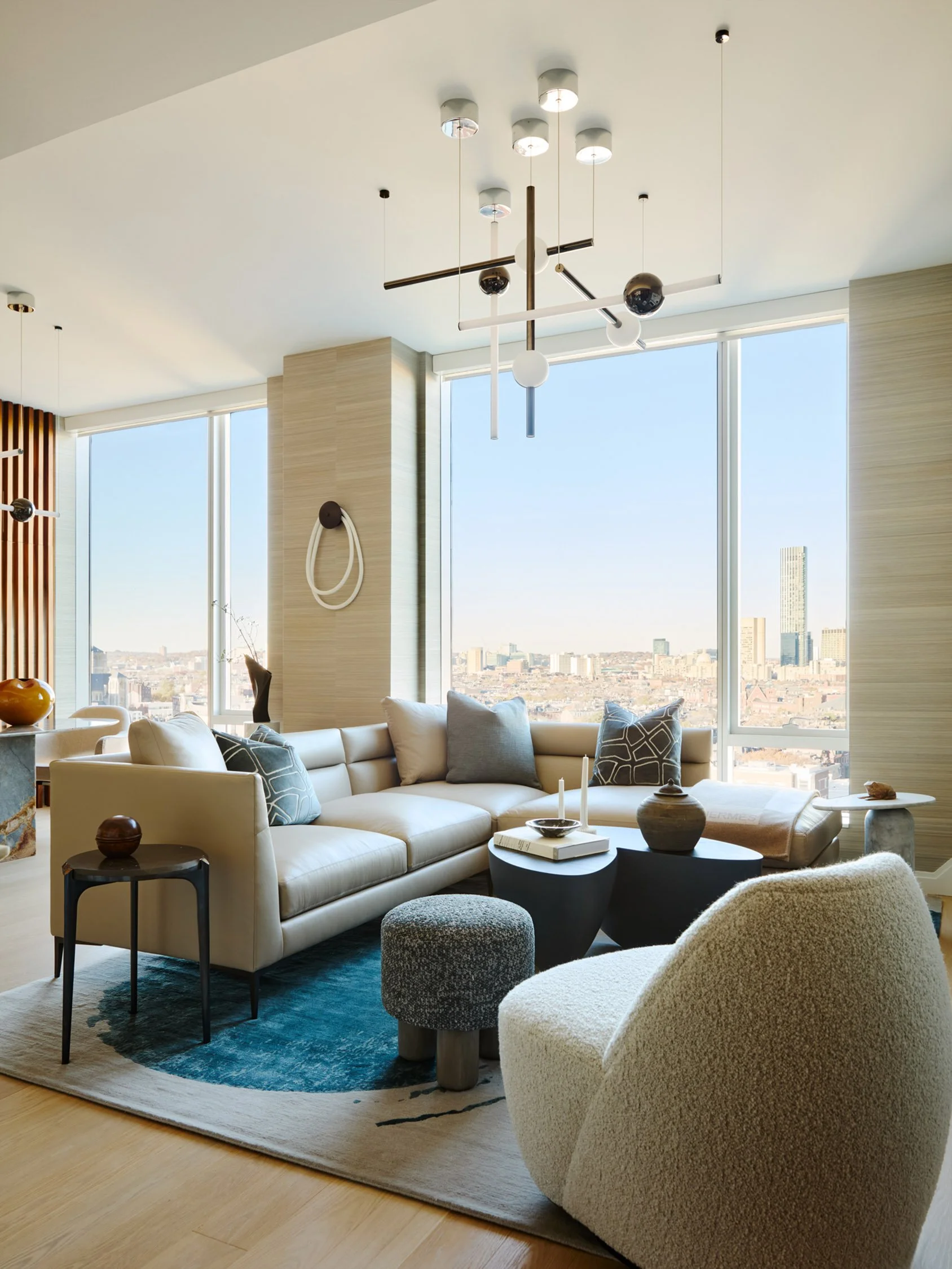
L-shaped sectionals work well in medium to large rooms and help anchor seating areas. Their shape naturally defines zones without closing off the space, making them a strong option for open layouts.
U-Shaped Sectionals
U-shaped sectionals provide generous seating and work best in rooms designed for gathering. This configuration creates a sense of enclosure that encourages conversation and shared use.
Modular Sectionals
Modular sectionals take flexibility further by allowing pieces to be rearranged, added, or removed. This makes them a practical choice for households that need seating to adapt over time or serve multiple purposes.

Specialty and Statement Sofas
Specialty sofas are often selected for their visual impact or specific function. These pieces tend to play a supporting or standout role within a room rather than serving as the primary everyday sofa.
Curved Sofas
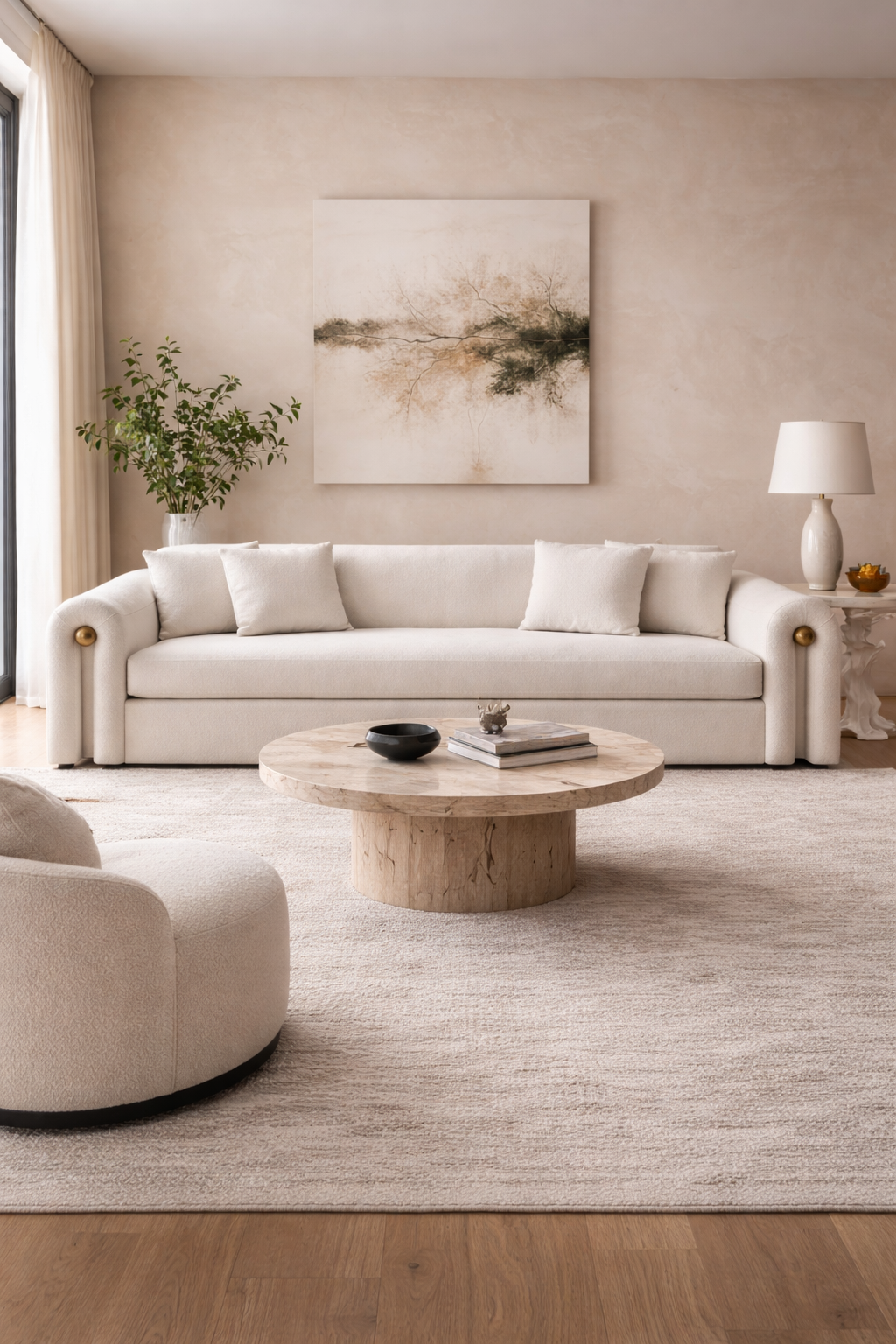
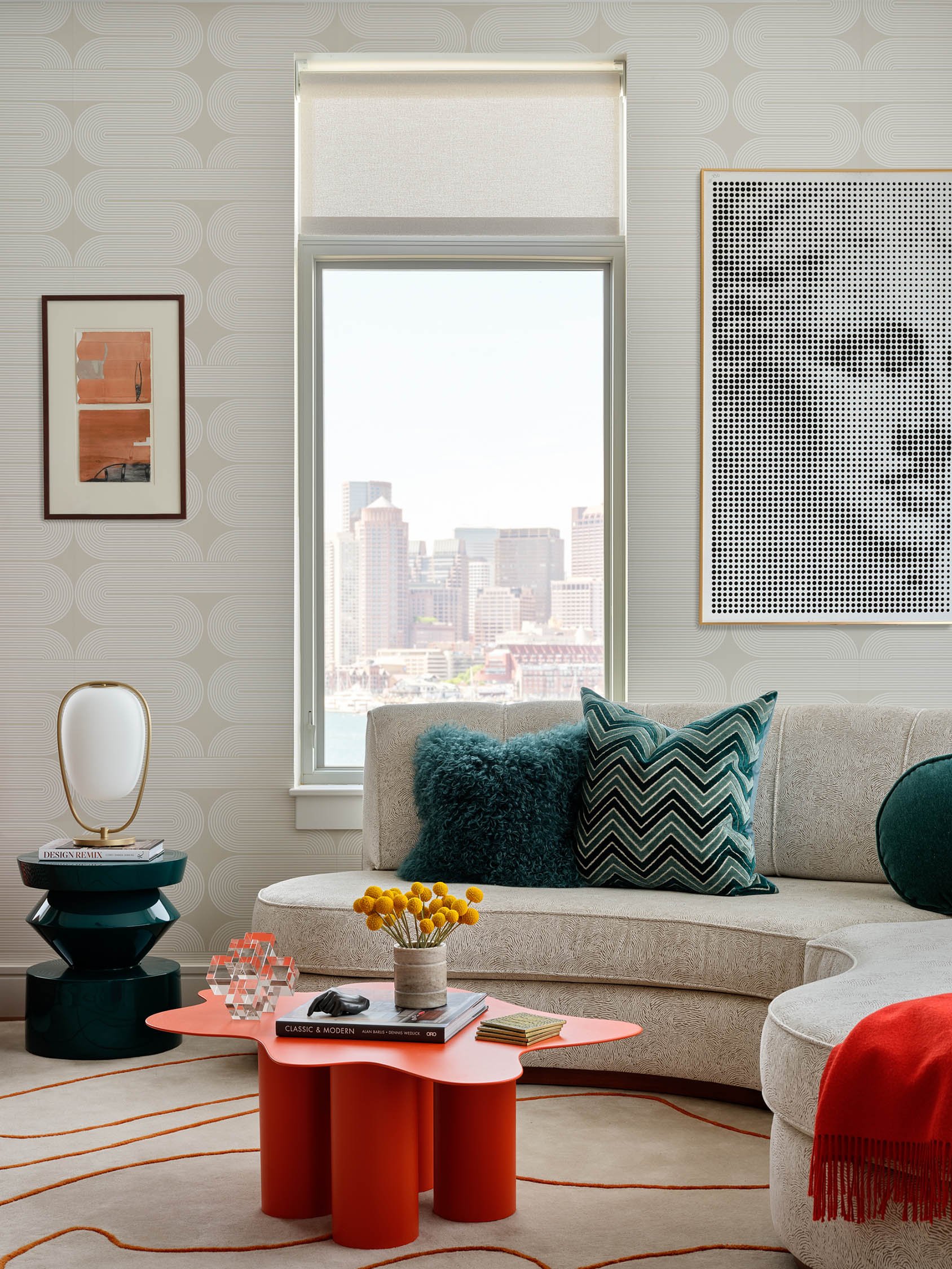
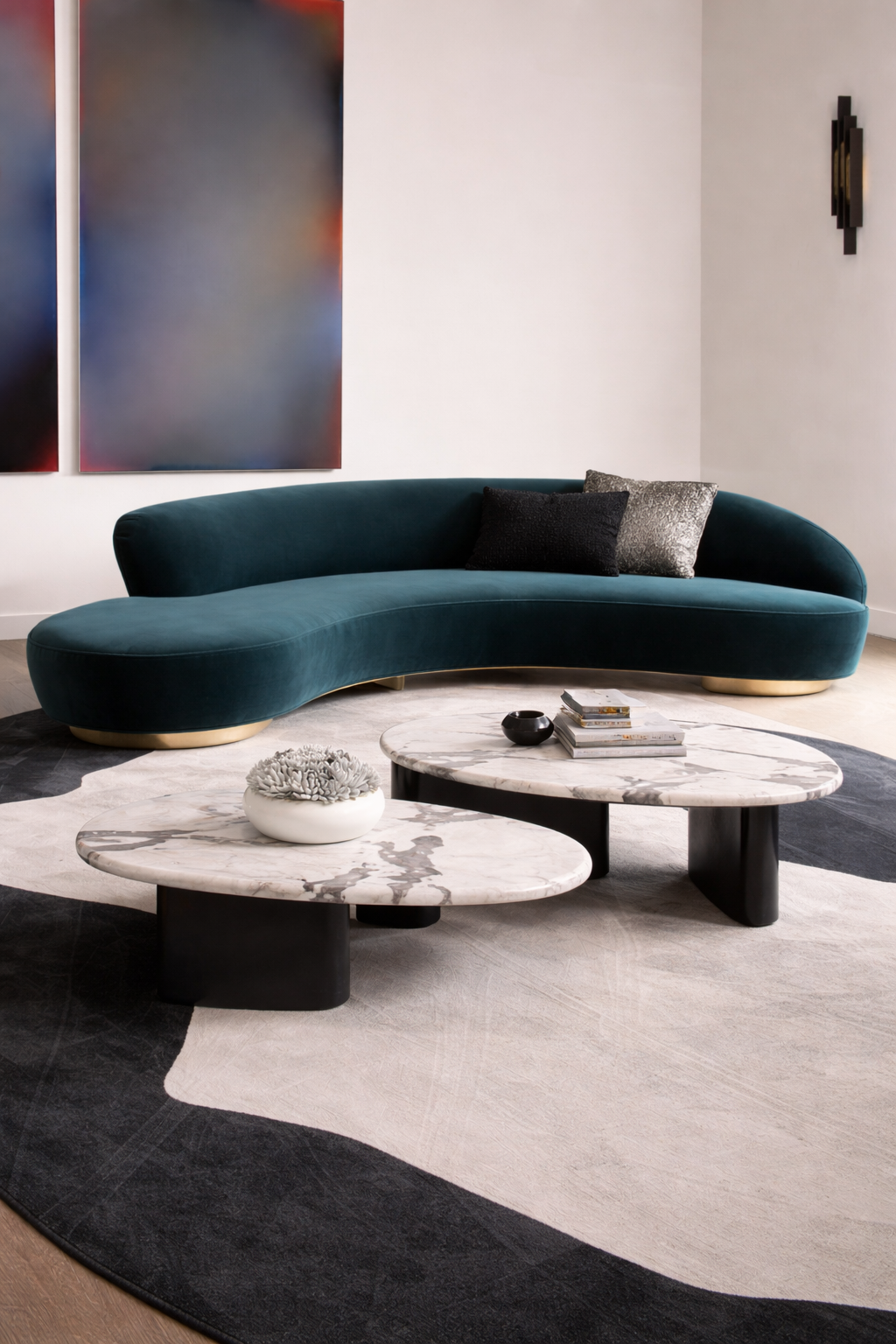
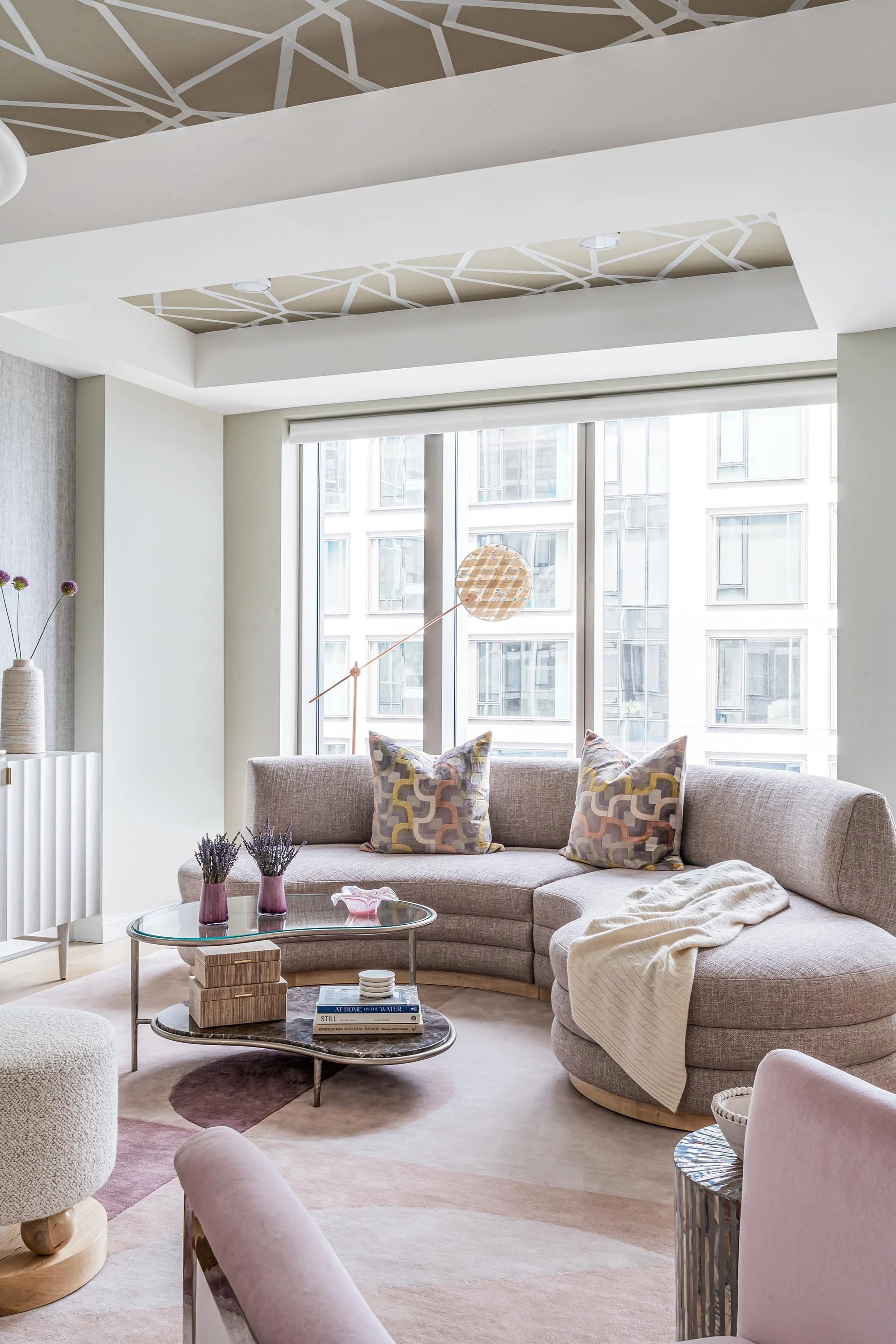
Curved sofas soften a room and naturally draw people together. Their shape works well in larger spaces or rooms with curved architectural features. Because they stand out visually, their placement and scale may require extra thought.
Slipcovered Sofas
Slipcovered sofas offer a relaxed, casual feel and are valued for their practicality. Removable covers make cleaning easier, which suits homes with active daily use. This style works well in informal settings and layered interiors.
Sleeper Sofas
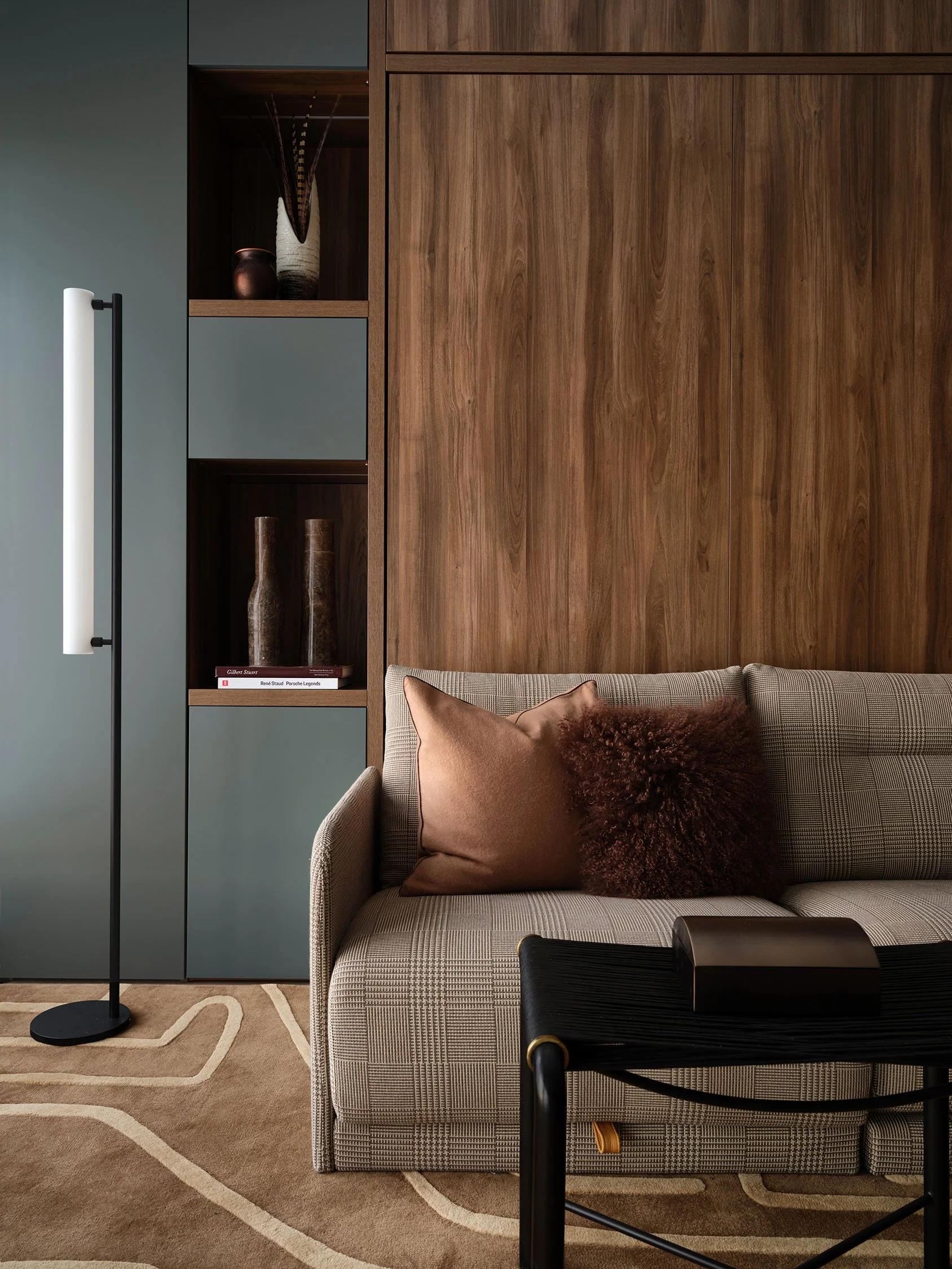
Sleeper sofas combine seating and sleeping in one piece. Modern designs offer improved comfort and cleaner lines, making them suitable for guest rooms or flexible living areas without drawing attention to their dual purpose.
Accent Sofas and Settees
Accent sofas and settees are smaller in scale and often used to add interest or extra seating. They work well in offices, bedrooms, or as part of a layered seating arrangement within a larger room.
Fabric and Cushion Considerations
Style is only part of the equation. Upholstery and cushion construction have a major impact on comfort and appearance.
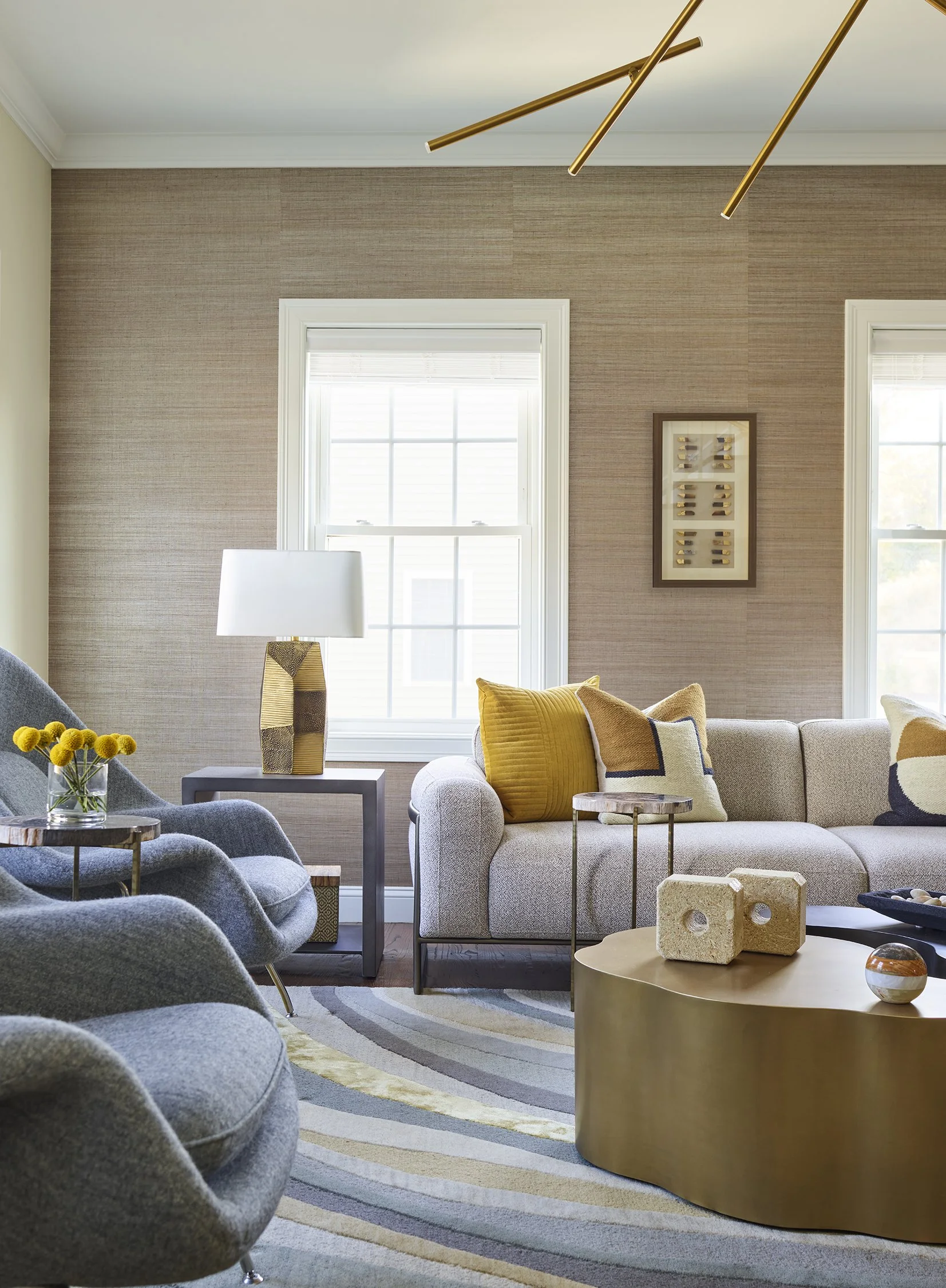
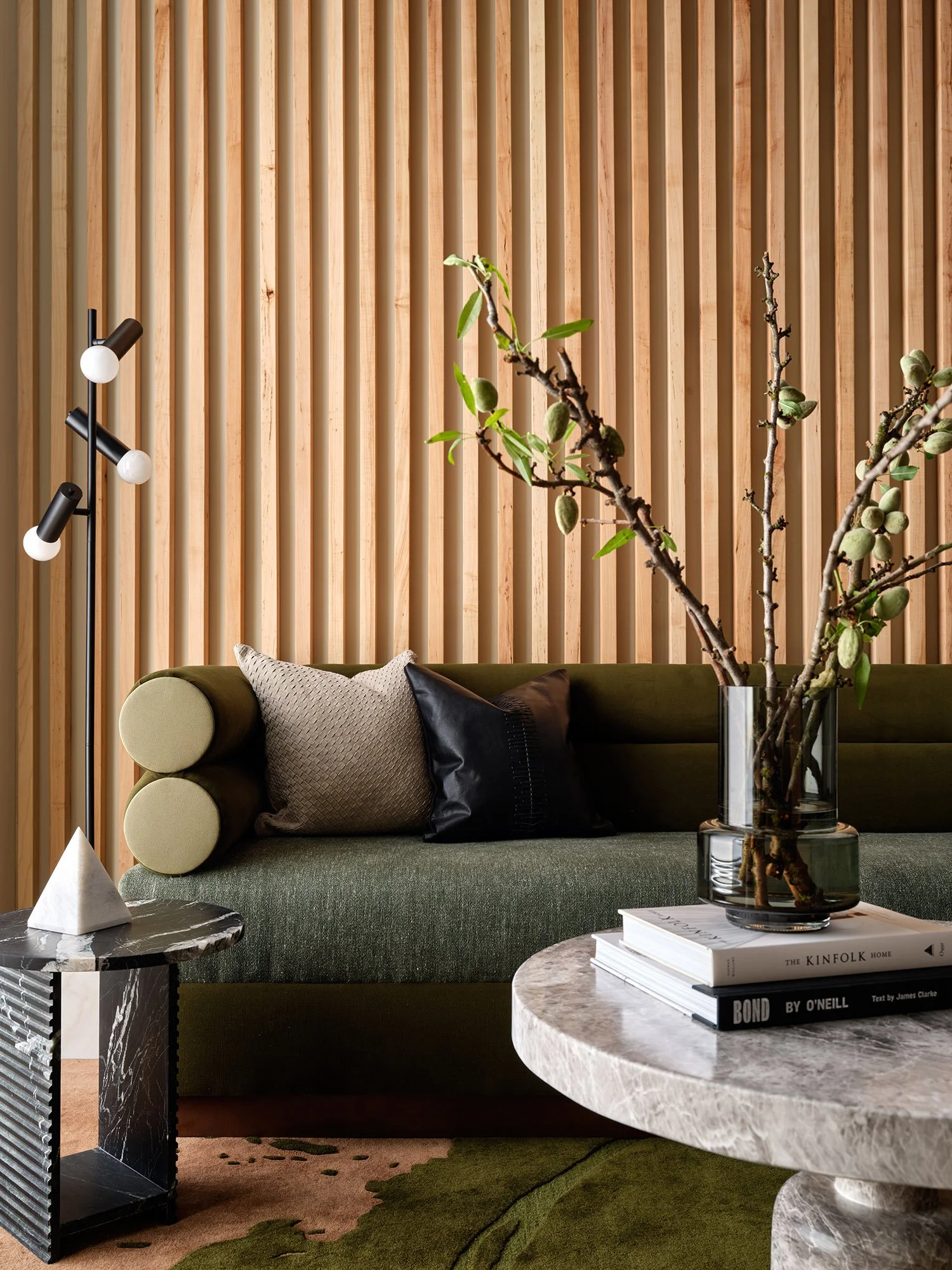
Fabric choice affects durability, texture, and maintenance. Tighter weaves tend to hold up better over time, while softer fabrics feel inviting but may show wear more easily. Color and pattern also influence how prominent the sofa feels in the room.
Cushion fill is important for both comfort and upkeep. Foam cushions offer structure and hold their shape well. Down or down-blend cushions feel softer but require more maintenance to keep them looking neat.
Seat depth and height should match how you plan to use the sofa. Deeper seats encourage lounging, whereas shallower seats support more upright sitting. Testing these details in person whenever possible helps avoid surprises.
Designer Tips for Sofa Selection
Choosing a sofa involves more than picking a shape you like. These professional considerations help narrow choices and avoid common missteps.
Pay close attention to scale and proportion
A sofa that looks right in a showroom can feel completely different at home. Consider the height of the arms, the thickness of the frame, and how much visual weight the piece carries. In smaller rooms, exposed legs and slimmer profiles help keep the space open. In larger rooms, a sofa with more presence can hold its own without feeling lost. This supports layered living room design that doesn’t feel overly coordinated.
Test comfort in multiple positions
Do not rely on first impressions alone. Sit upright, lean back, and stretch out if possible. Seat depth, cushion firmness, and back height all affect comfort, and preferences vary widely. A sofa should support how you use the room, not just how it looks.
Think about how the sofa relates to other furniture
The sofa does not need to match every piece in the room, but it should connect visually. This can happen through shared materials, similar shapes, or complementary colors. When these relationships are weighed early, the room feels balanced.
Account for circulation and placement
Walkways, sightlines, and door swings matter. A sofa that blocks movement or interrupts flow can make a room feel awkward, no matter how good it looks on its own.
Consider long-term use, not just current trends
A sofa is a long-term investment. Neutral shapes with thoughtful details tend to age better and adapt more easily as other elements in the room change.
Know when to ask for professional input
Interior designers look beyond style to consider layout, durability, and how a piece will function over time. Their guidance can help avoid costly mistakes and lead to choices that truly fit the space.
Where Comfort Meets Good Design
There is no single sofa style that works for everyone. The right choice depends on how you live, how your space is laid out, and what kind of atmosphere you want to create. By understanding the defining features of different styles, you can narrow options and make informed decisions.
If you would like help selecting a sofa, designing a room, or outfitting an entire homeour team here at Trevor Fulmer Design can provide guidance from start to finish. Reach out today and see how our professional eye can make the process easier.
Interested in learning more? Explore our portfolio or contact us to start your project.
