
The History of Interior Design and Its Influence on Modern Homes
Interior design has evolved alongside architecture, culture, and the changing needs of homeowners. From the decorated villas of ancient Rome to the streamlined interiors of the midcentury era, each period introduced new approaches to furniture, materials, and residential layouts. Many features we appreciate in today's homes, such as traditional moldings to sculptural furniture, can be traced to these historical influences.
For homeowners looking for design inspiration, understanding the history of interior design offers a useful perspective on what makes certain styles endure. It can also help explain why some architectural details are worth preserving and how furnishings from different periods can work together.
To better understand these influences, let’s explore the major design movements that shaped residential interiors and the ideas that remain relevant today. Along the way, we'll look at how historical craftsmanship and modern technology can come together to create homes that reflect personal tastes and accommodate changing lifestyles.
Blog Contributor:
Trevor Fulmer

“Layered rugs introduce texture, dimension, and a stronger sense of composition.”
— Trevor Fulmer
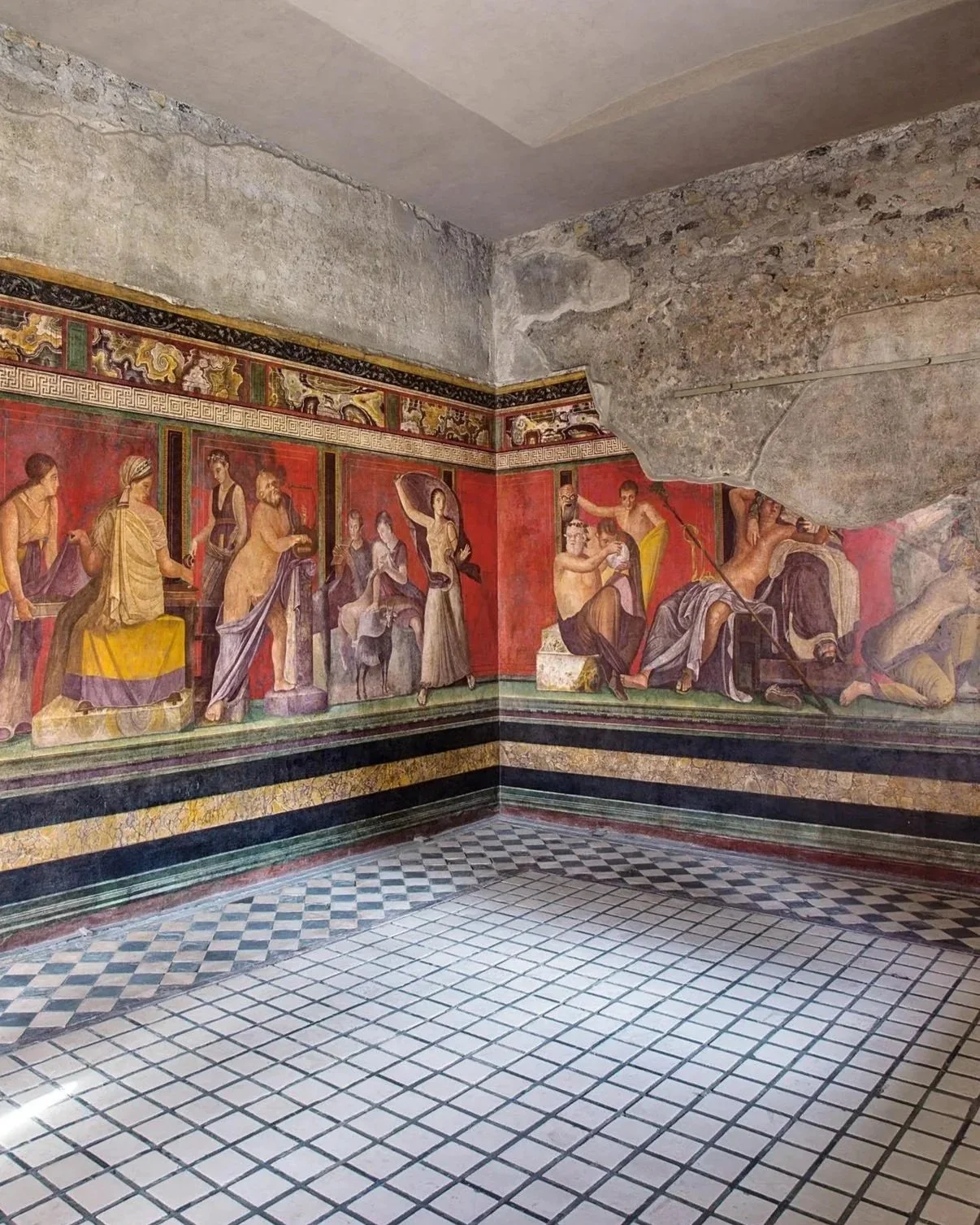
The origins of interior design from ancient civilizations to the Renaissance
The earliest examples of interior design reveal how people used their homes to express cultural identity, wealth, and artistic preferences.
In ancient Egypt, wealthy households featured painted murals, decorative textiles, carved furniture, and symbolic motifs that reflected religious beliefs and social standing.
Ancient Greek and Roman civilizations developed the relationship between architecture and interior decoration. Greek interiors emphasized proportion and symmetry, while Roman villas featured mosaic floors, painted walls, and decorative stonework. Classical columns and architectural ornament established principles that would influence European buildings for centuries.
During the Middle Ages, European interiors emphasized durable furnishings and craftsmanship. Heavy wooden tables, carved chests, tapestries, and detailed joinery were common in wealthy residences, while textiles provided insulation within large stone buildings. Gothic architecture introduced pointed arches and ribbed vaults, features that remain recognizable in historic buildings today.
The Renaissance brought renewed interest in classical Greek and Roman design, with architects and artisans studying mathematical proportion, symmetry, and decorative detail. Interiors featured elaborate ceilings, handcrafted furniture, and architectural elements arranged according to classical principles.
These early influences remain visible in modern residential design through traditional paneling, custom cabinetry, marble flooring, and furniture inspired by classical proportions. Their continued use demonstrates how historical approaches to scale and craftsmanship remain relevant despite changing decorative preferences.
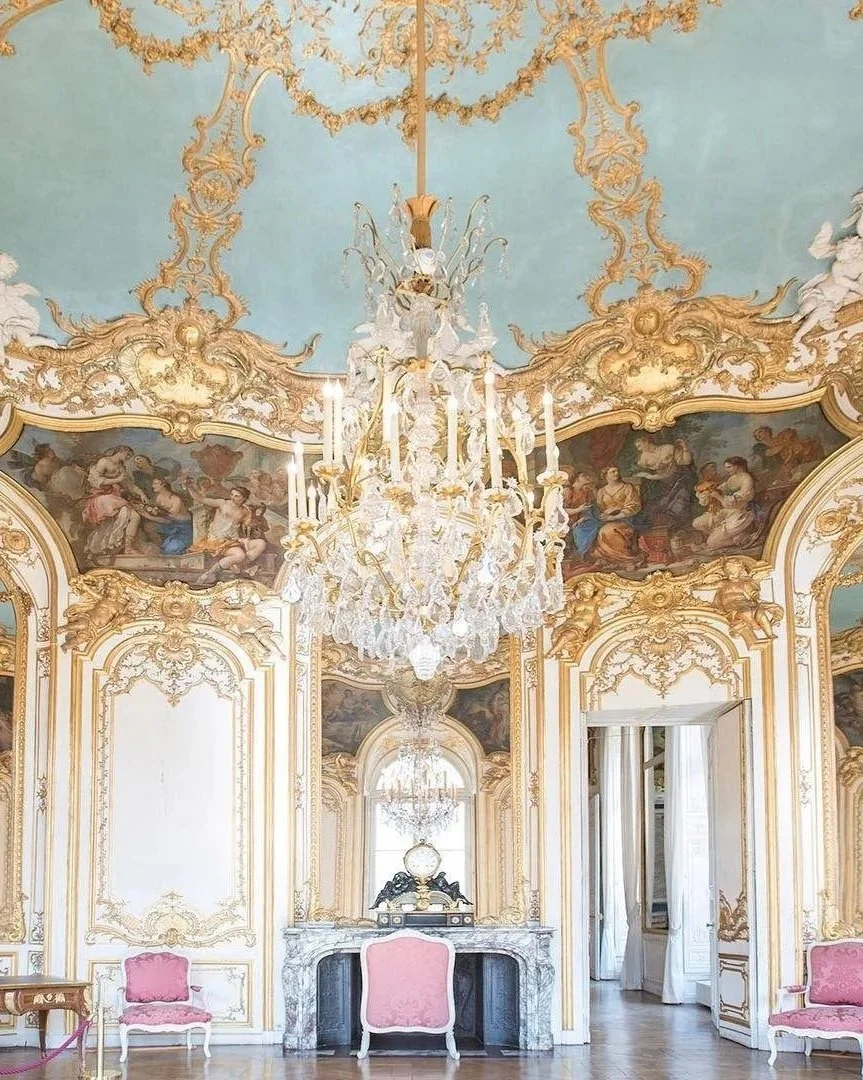
Baroque, Rococo, and Neoclassical interior design
During the 17th and 18th centuries, European interior design became more expressive, especially within royal residences and wealthy households.
Baroque interiors emphasized grandeur through decorated ceilings, gilded surfaces, substantial furniture, and richly colored textiles.
Rococo design introduced a lighter approach to ornamentation, favoring curved furniture, delicate carvings, pastel colors, and intricate decorative motifs. Furniture, mirrors, and wall treatments frequently featured flowing shapes inspired by natural forms.
Neoclassicism later revived the architectural principles of ancient Greece and Rome, replacing elaborate ornamentation with straighter lines, balanced proportions, and classical detailing. Decorative columns, geometric arrangements, and restrained wall treatments became defining features of the movement.
Although contemporary homeowners may not want to recreate a Baroque palace, these historical styles offer plenty of inspiration for modern interiors. A sculptural chandelier can introduce drama above a dining table, while decorative moldings or an antique mirror can bring character to a room furnished with contemporary pieces. The key is selecting details that complement the home's architecture and proportions, giving them room to stand out without overwhelming the space.
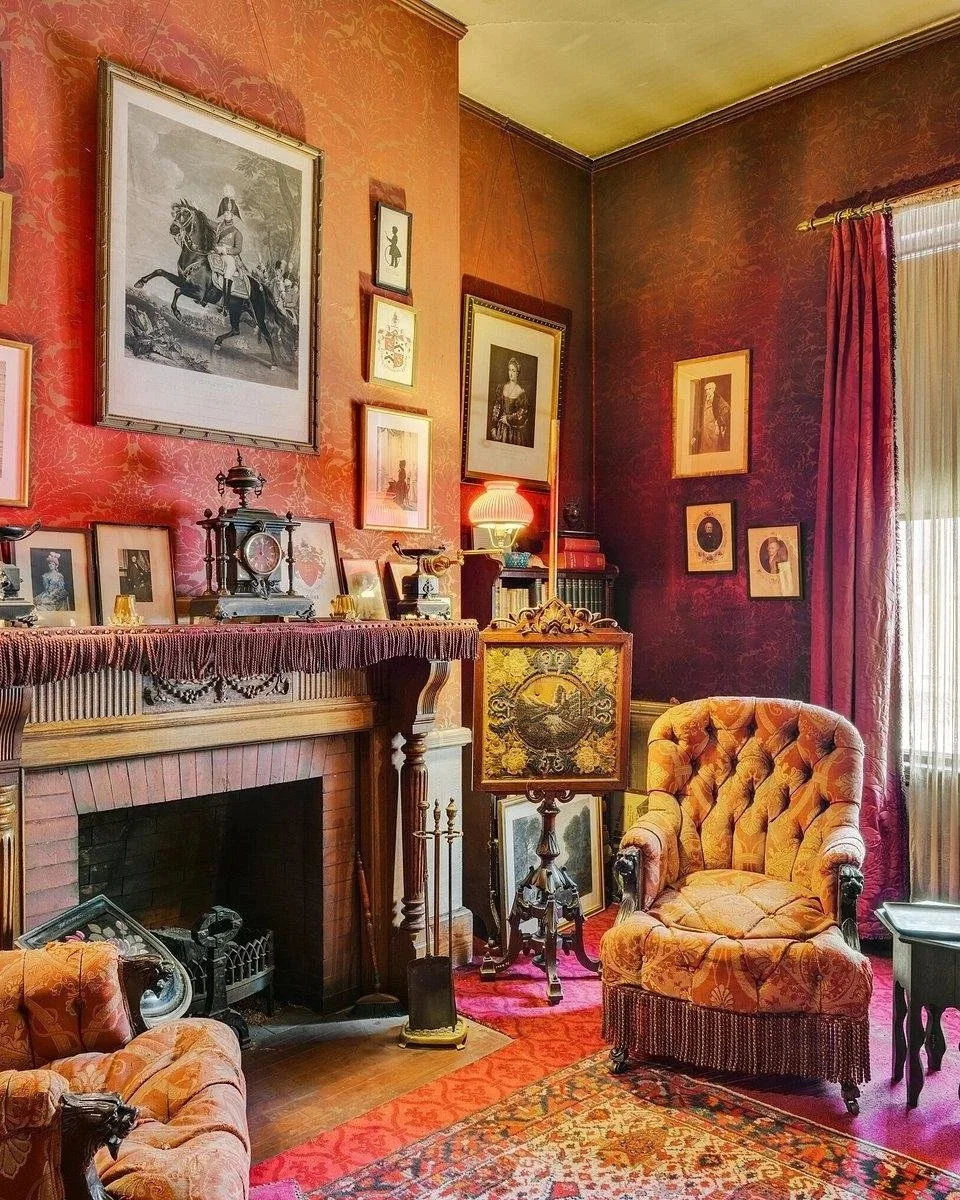
Victorian interior design and the Industrial Revolution
The Industrial Revolution changed how furniture, textiles, and decorative materials were produced, while growing demand for domestic comfort influenced how homes were furnished.
Mechanized manufacturing expanded access to household goods, giving homeowners more choices in wallpaper, upholstery, furnishings, and decorative accessories to create comfortable living spaces.
During the Victorian era, which spanned Queen Victoria's reign from 1837 to 1901, residential interiors became known for elaborate decoration and layered furnishings. Rich colors, patterned wallpaper, heavy drapery, upholstered seating, and detailed woodwork were common in affluent households.
Victorian interiors reflected the social customs of the period, with formal parlors, dining rooms, and sitting rooms serving different purposes. Furniture arrangements supported entertaining, while decorative collections and family possessions communicated the interests and status of the household.
In Boston and throughout New England, historic Victorian residences still feature ornate fireplaces, ceiling medallions, detailed staircases, and substantial wood moldings. These architectural elements provide valuable context when updating older properties for contemporary living.
The Victorian appreciation for pattern and collected furnishings also has a place in today's interiors. Contemporary maximalism draws on similar ideas, combining expressive wallpaper, antiques, artwork, and textiles to create rooms with personality. For homeowners renovating a Victorian property, retaining original architectural details can provide a foundation for introducing modern furnishings without losing the home's history.
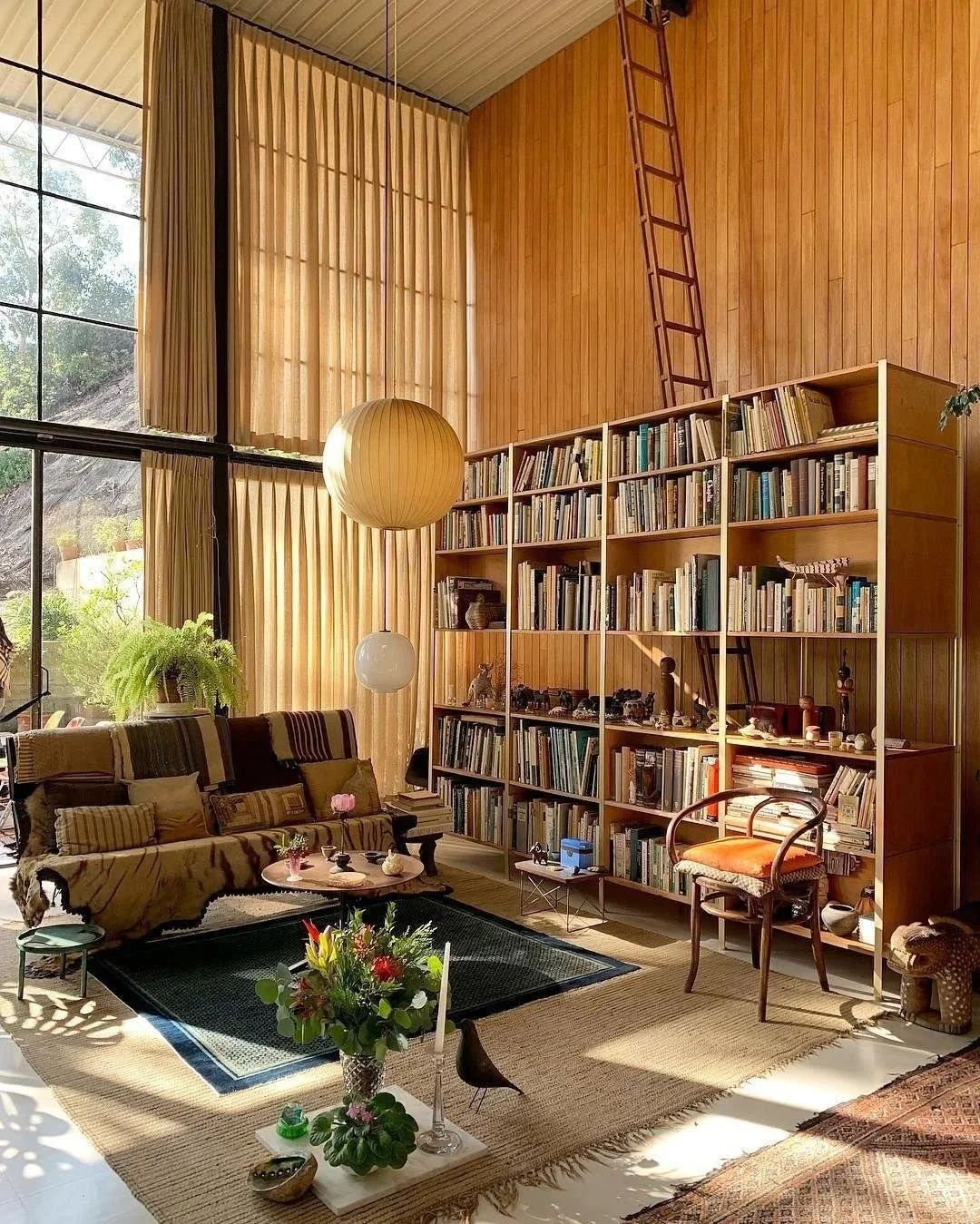
Modernism and midcentury modern interior design
By the early 20th century, interior designers were challenging the elaborate decoration associated with previous generations.
Modernism emphasized simpler forms, practical layouts, and materials that reflected their construction, changing expectations for residential architecture and furniture.
The Bauhaus school, founded in Germany in 1919, helped develop this approach. Its designers explored the relationship between art, craftsmanship, and industrial production, creating furniture and household objects suited to modern manufacturing.
The modernist principle of "form follows function" influenced how interior spaces were planned, placing greater attention on circulation, furniture placement, and household activities. Open layouts, built-in storage, and furnishings with simple silhouettes became associated with modern residential design.
Midcentury modern design expanded these ideas during the 1950s and 1960s, introducing organic shapes, tapered furniture legs, warm wood finishes, and innovative molded materials. The Eames lounge chair, introduced in 1956, demonstrated how contemporary manufacturing techniques could produce distinctive furniture designed around comfort.
These influences remain apparent in contemporary kitchens, streamlined cabinetry, open living areas, and custom furniture. However, modernist principles do not require interiors to feel sparse or impersonal, particularly when natural stone, wood, textured upholstery, and layered lighting introduce warmth.
The continued popularity of midcentury furniture illustrates how well-designed pieces can outlast the period in which they were created, becoming valued additions to homes with different architectural styles.
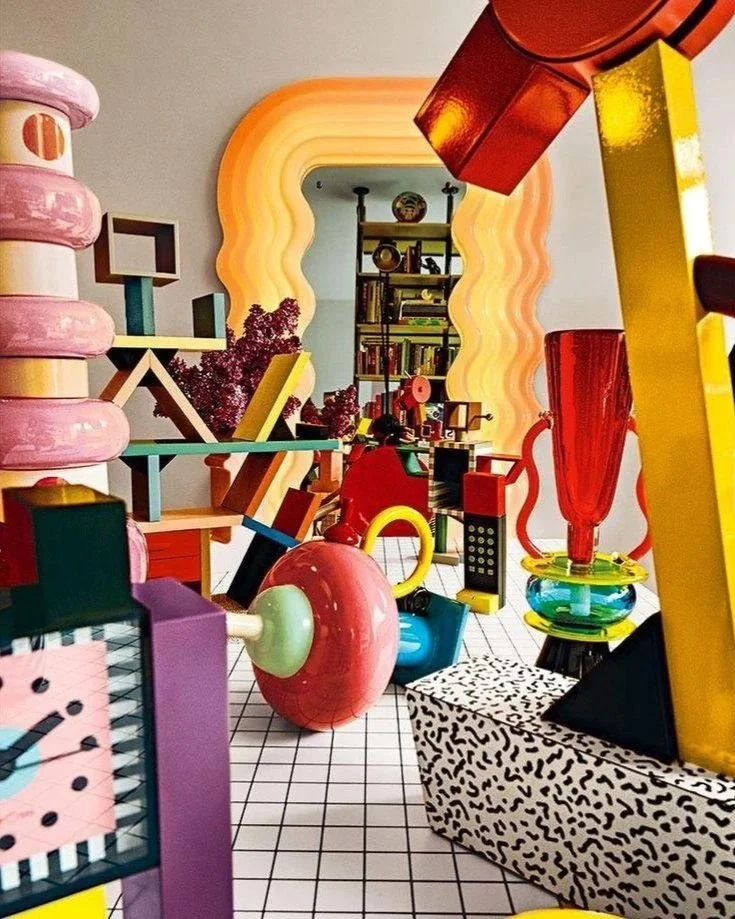
Postmodernism and contemporary interior design
By the late 20th century, postmodernism challenged modernism's preference for simplicity, introducing bold colors, exaggerated proportions, playful shapes, and unexpected historical references.
Designers experimented with furniture and decorative objects that questioned established ideas about residential interiors.
This movement expanded the possibilities for combining styles, an approach that remains prominent in contemporary design. A living room might feature a traditional fireplace, a modern sectional, a midcentury coffee table, and an antique cabinet, with each piece contributing something different to the space.
Contemporary interiors also reflect growing interest in sustainability, natural materials, and biophilic design, which draws on connections between indoor environments and nature. Daylight, indoor greenery, natural wood, and views of surrounding landscapes can influence material selections and spatial planning.
Personal expression remains central to contemporary residential design as homeowners become more comfortable mixing furnishings from different periods. The challenge is selecting pieces that complement the architecture, allowing historical references to feel like part of the home without creating a collection of unrelated trends.
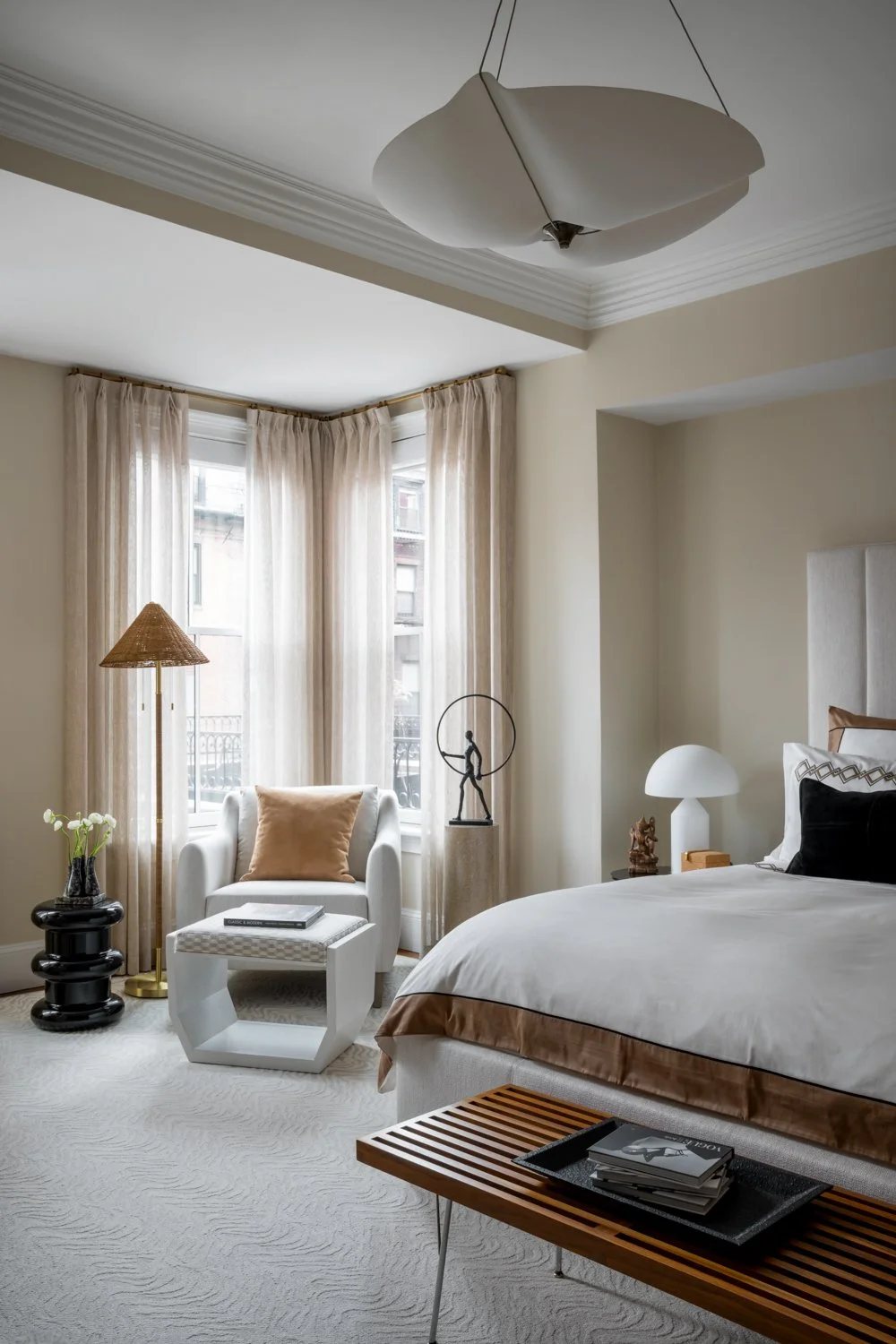
How historical design influences modern luxury homes
Understanding historical design movements can be valuable when working with homes that possess distinctive architectural features.
In Boston and throughout New England, older residences frequently contain original fireplaces, decorative moldings, wood paneling, and traditional room proportions that deserve attention during renovations.
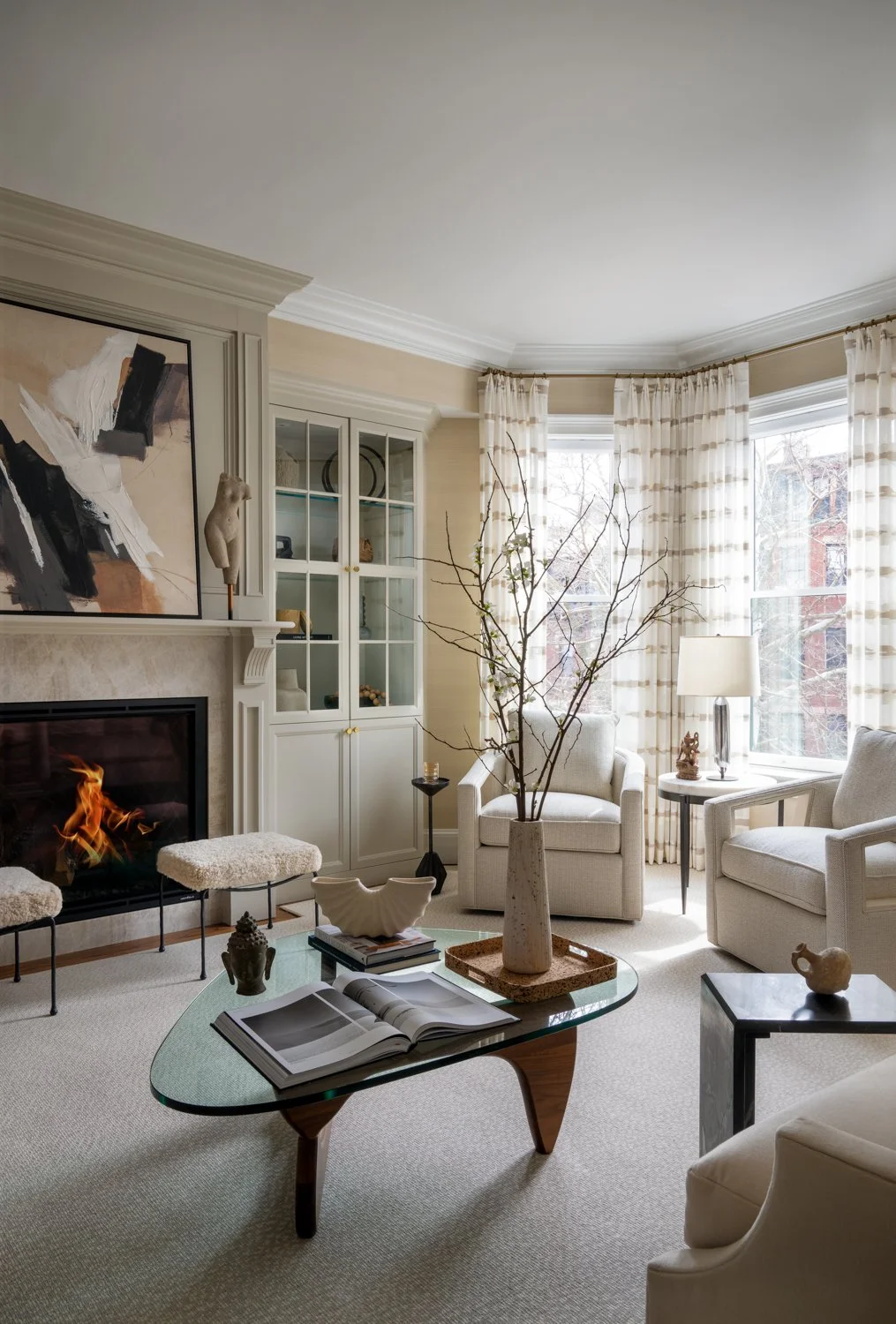
Preserving architectural character
Preserving these details does not mean maintaining an outdated floor plan or sacrificing modern conveniences.
A historic home can accommodate a contemporary kitchen, improved lighting, and updated living areas while retaining the architectural features that define its character.
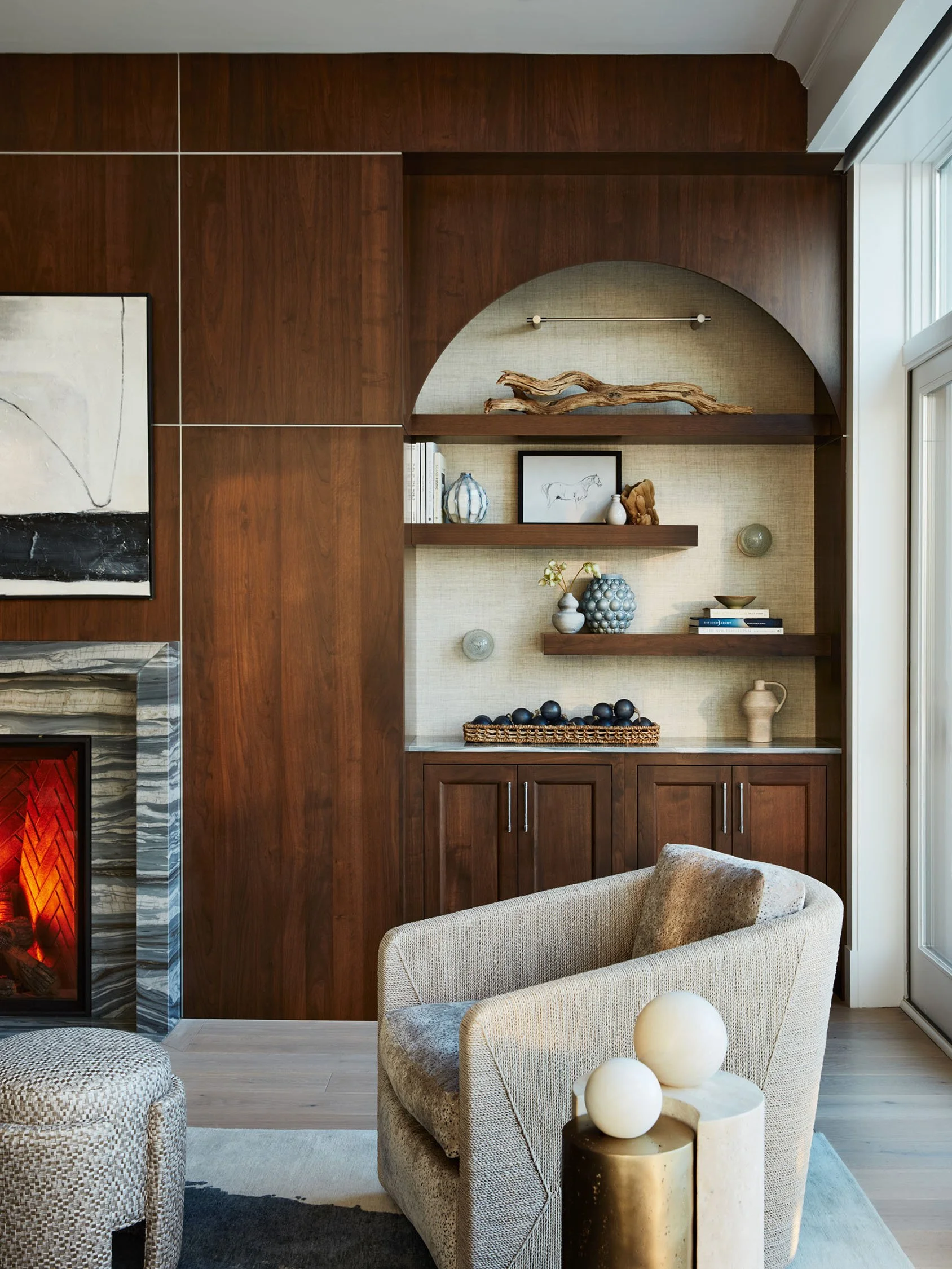
The relationship between old and new also influences furnishings and materials. A traditional dining room might feature custom cabinetry inspired by historical millwork alongside a contemporary stone table, while an antique chest could introduce contrast within a modern bedroom.
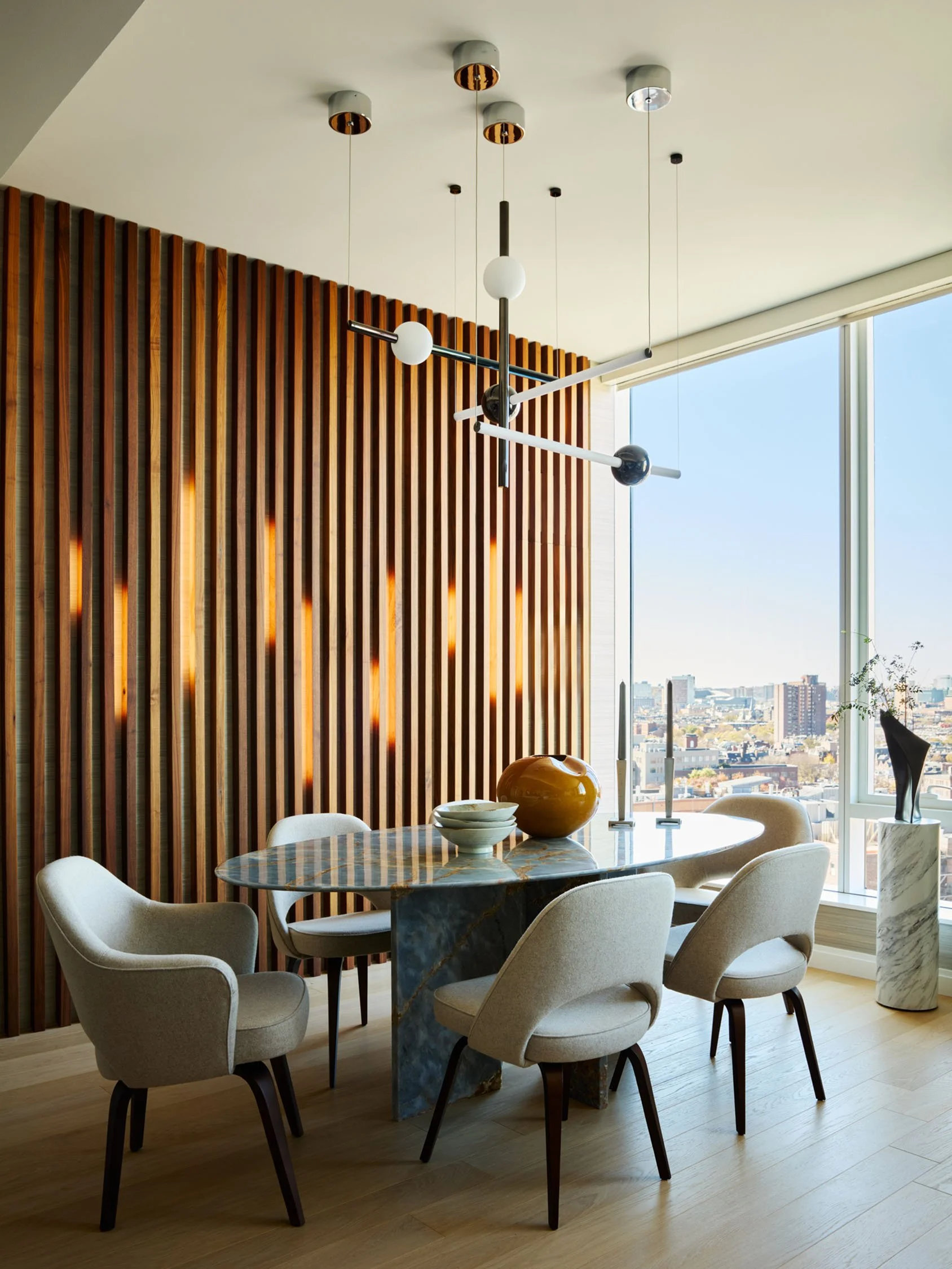
Drawing inspiration from traditional craftsmanship
Historical craftsmanship offers lessons about longevity.
Detailed joinery, natural materials, and well-constructed furniture have remained desirable across generations, making them worthwhile influences when selecting custom pieces for today's homes. A handcrafted dining table or upholstered chair can become a future heirloom when its construction and materials support years of use.
Adapting historical influences to modern living
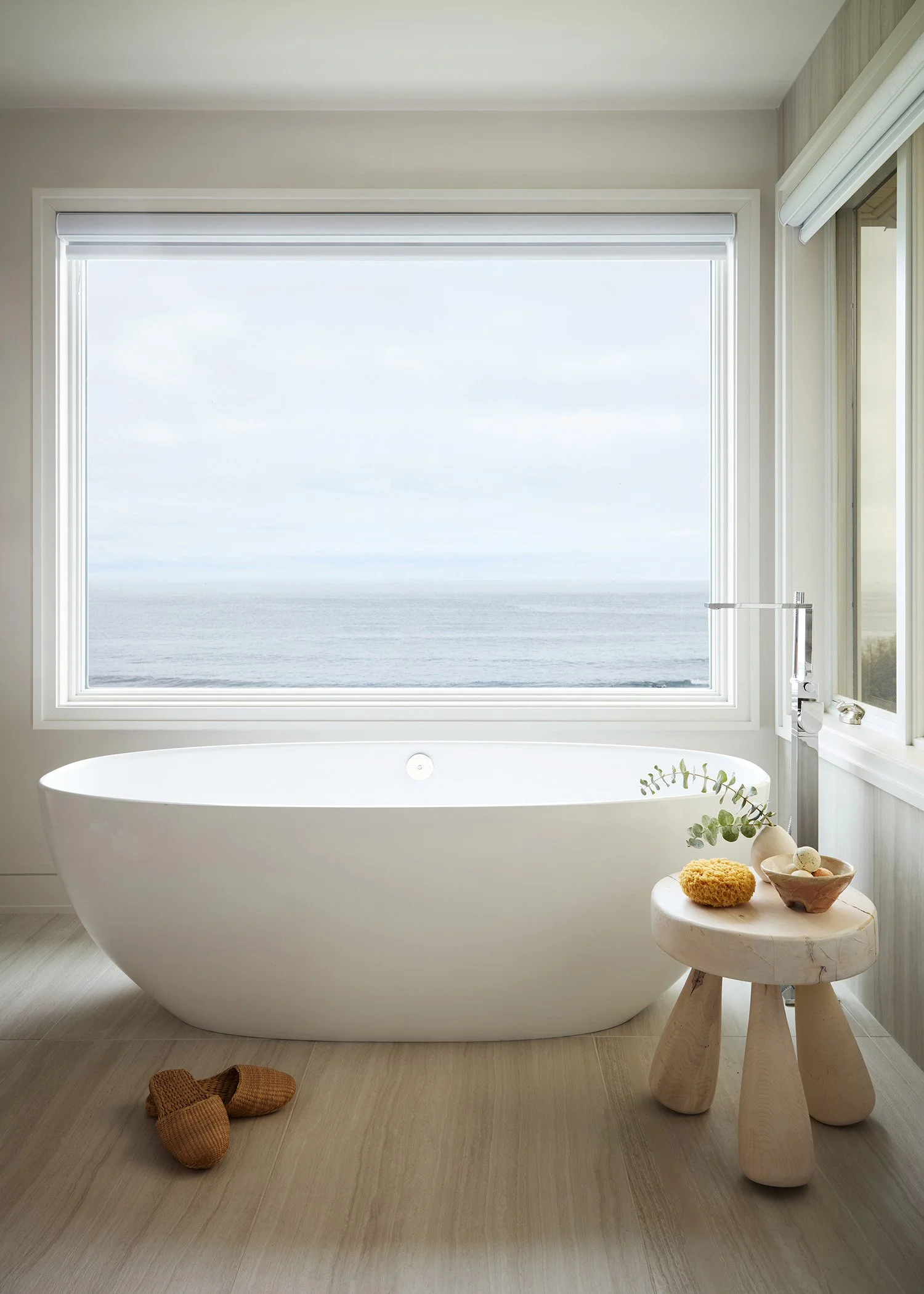
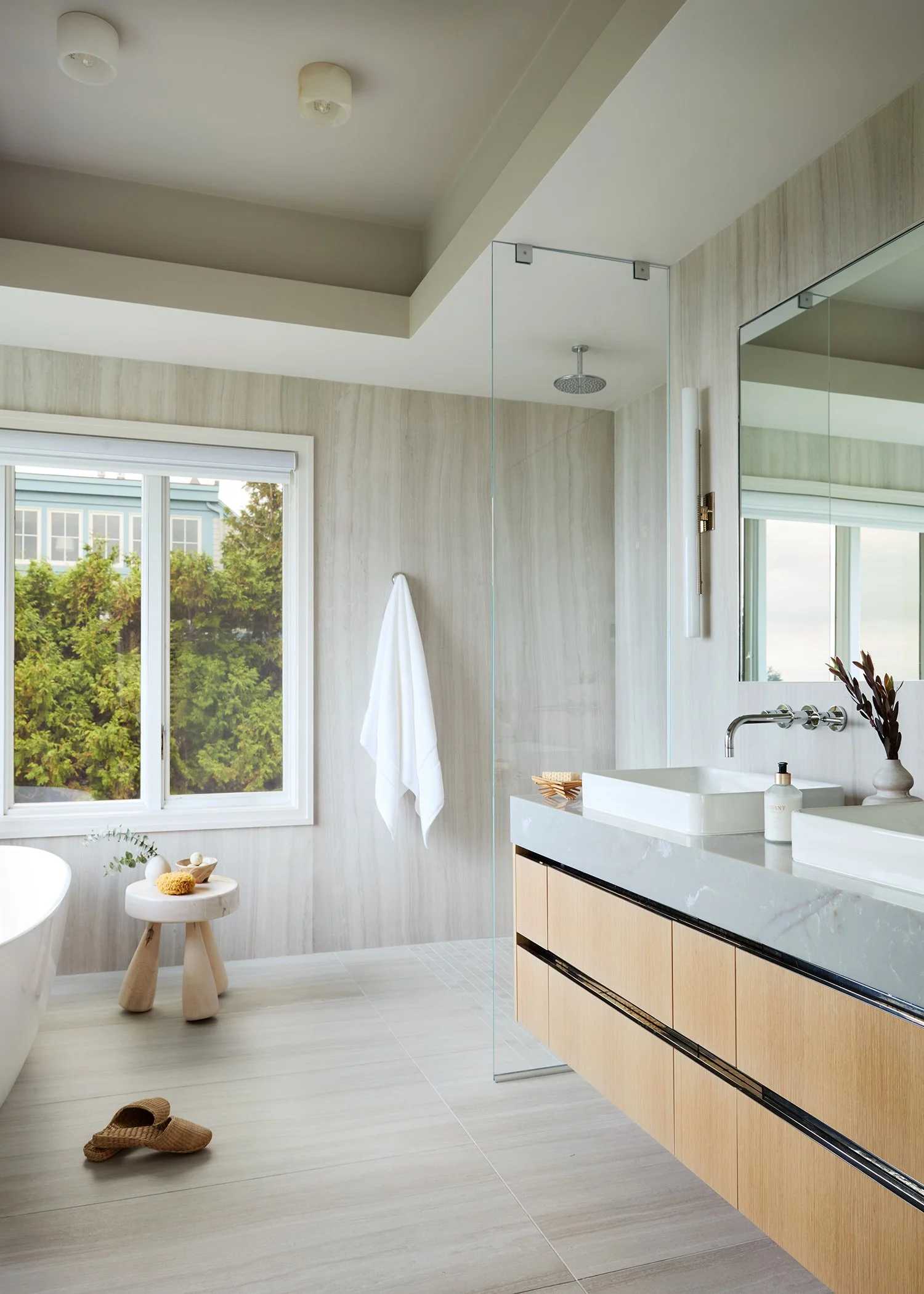
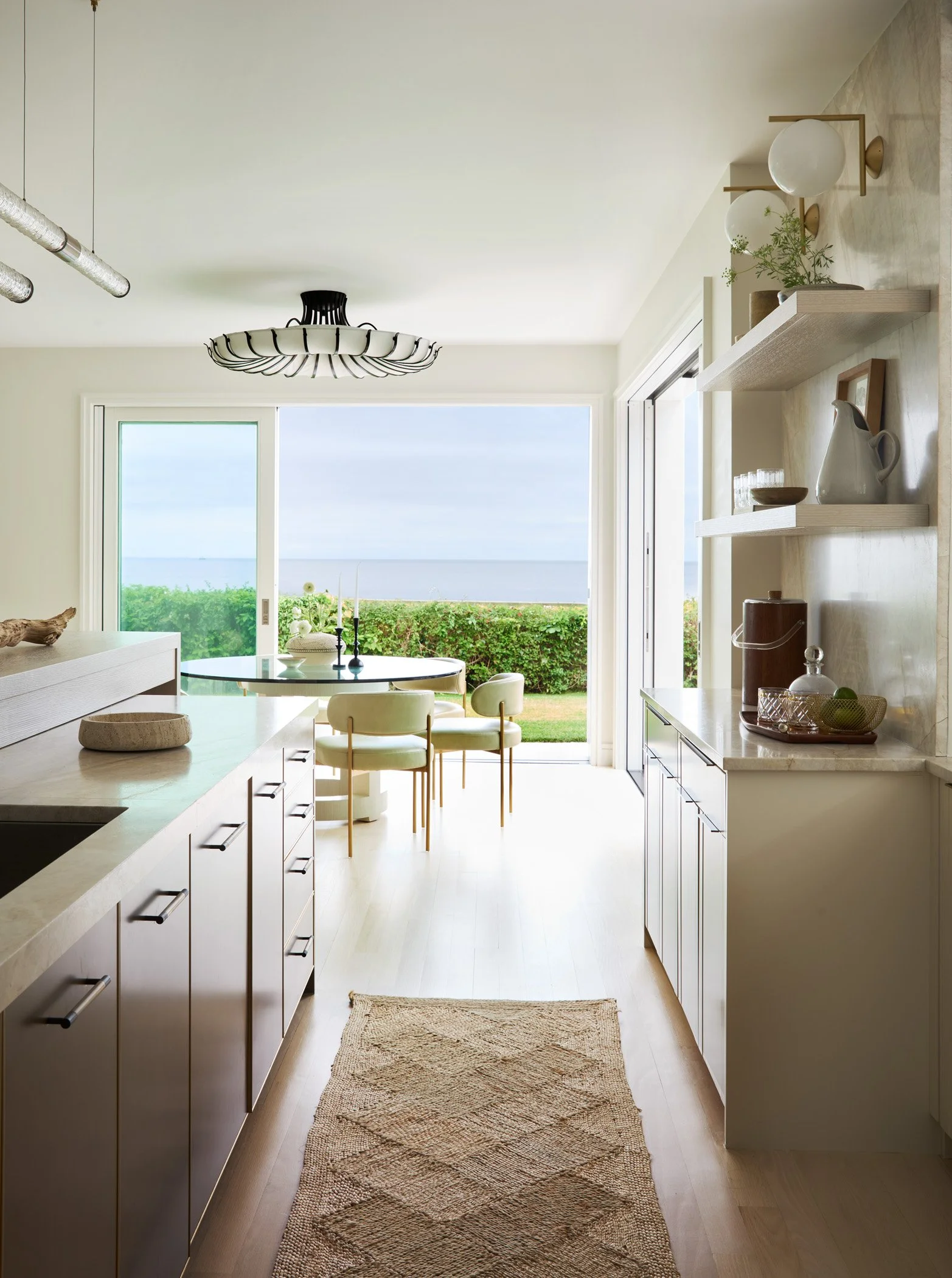
Technology offers opportunities to adapt traditional interiors to changing lifestyles.
Lighting controls, integrated entertainment systems, and home automation can be planned around existing architectural details, reducing the need for visible equipment that might compete with the room's design.
While trends can introduce new materials and decorative ideas, their lasting appeal depends on how well they complement the property and its occupants. Drawing from design history allows homeowners to make selections informed by centuries of architectural and decorative development while creating spaces suited to contemporary life.
Bringing timeless design into your home
The history of interior design shows how ideas from previous generations continue to influence the way we approach our homes.
Although styles have changed considerably through the centuries, many of the principles behind successful residential design remain relevant today.
Drawing inspiration from the past does not require recreating a specific historical period. By understanding what makes these influences enduring, homeowners can make design choices that respect their property's character while creating a space that reflects their preferences and the way they live.
At Trevor Fulmer Design, we draw on architectural influences and craftsmanship to create interiors that reflect each home's character and its owners' needs.
Our approach to full-service interior design brings historical references into contemporary residential projects without treating any single style as a fixed set of rules.
If you're planning a renovation or designing a new home in the Boston area, contact our studio to discuss how the past can inspire a home designed for your future.
