
How Much Does a Luxury Home Renovation Cost in Boston?
One of the first questions homeowners ask when considering a major renovation is also one of the hardest to answer: How much is this actually going to cost?
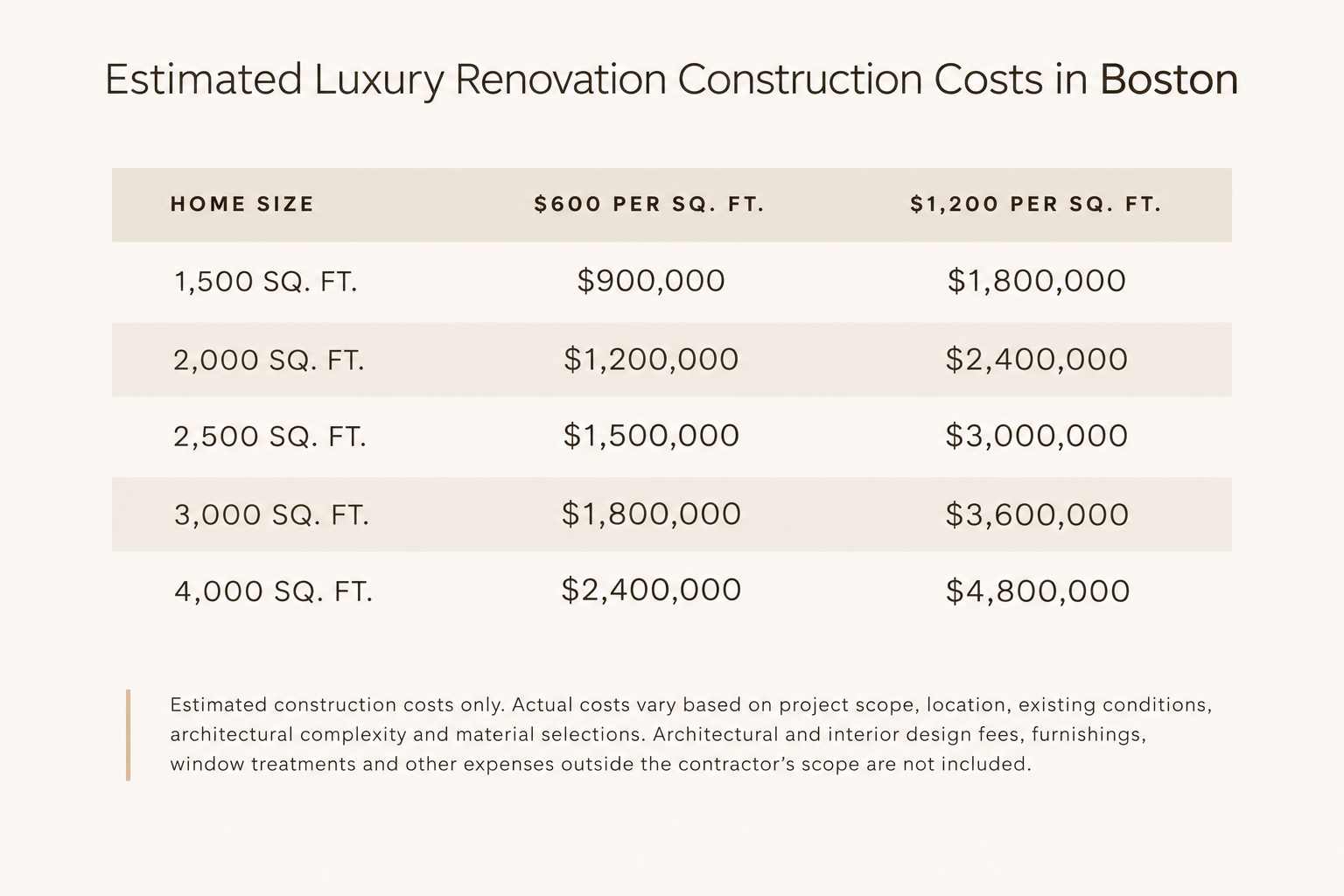
For extensive luxury home renovations in Boston, construction costs can range from approximately $600 to $1,200 or more per square foot. However, every project is different, and costs vary depending on the scope of work, property location, existing conditions, architectural complexity, material selections and level of customization. These estimates represent construction costs only and do not include architectural or interior design fees, furnishings, window treatments or other expenses outside the contractor's scope.
Renovating a historic Back Bay brownstone presents different challenges than transforming a luxury condominium in the Seaport. Likewise, renovating a home in Wellesley or Weston may involve a completely different scope than updating an oceanfront residence on the North Shore or Cape Cod.
Rather than beginning with a single number, we encourage homeowners to understand the different components that make up a renovation budget and how those decisions influence the overall investment.
Here are nine factors that can have the greatest impact on the cost of a luxury home renovation in Boston and throughout New England.
Blog Contributor:
Trevor Fulmer

“A successful renovation budget is not about spending everywhere. It is about understanding where the investment will have the greatest impact.”
— Trevor Fulmer
Estimated Luxury Home Renovation Construction Costs in Boston
The following estimates illustrate how construction costs can vary based on the size of a home. These figures are intended as general planning guidelines rather than project quotations. Every renovation requires an individual evaluation of the property, scope of work and desired finishes.
1. Start by Defining the True Scope of the Renovation
Before establishing a budget, you need to understand what you are actually renovating.
There is an enormous difference between furnishing several rooms and undertaking a renovation that includes architectural changes, kitchens, bathrooms, lighting, flooring, millwork and new furniture.
We begin by defining the scope as specifically as possible.
Are walls moving? Is plumbing being relocated? Does the electrical system need to be updated? Are you replacing flooring? Will there be custom cabinetry? Are windows or doors changing? Does the project include furniture and window treatments?
These decisions establish the framework for the budget.
Scope can also expand quickly during the design process. What begins as a kitchen renovation may reveal an opportunity to improve circulation into the dining room. Updating a primary bathroom may lead to reconsidering the adjacent closet.
Understanding these relationships early helps homeowners make informed decisions before construction begins.
2. Understand the Five Major Components of a Renovation Budget
A luxury renovation budget extends far beyond construction.
A luxury home renovation involves more than construction costs. Understanding how the overall investment is distributed helps homeowners establish realistic expectations and make informed decisions throughout the design process.
Architectural and Interior Design Fees
Professional services may include architectural planning, interior design, construction documentation, material selection, custom millwork design and coordination with contractors and trades.Construction and Trade Labor
Demolition, framing, plumbing, electrical, HVAC, flooring installation and other skilled trades represent a substantial portion of most renovation budgets. Costs vary depending on the property's existing conditions and complexity of construction.Materials, Fixtures and Custom Millwork
Natural stone, tile, cabinetry, plumbing fixtures, architectural lighting, hardware and custom architectural details can significantly influence costs. Material quality, fabrication requirements and installation complexity all contribute to the final investment.Furniture, Decorative Lighting, Rugs and Window Treatments
A comprehensive renovation budget should account for the furnishings that complete the home. Custom upholstery, decorative lighting, rugs, window treatments and other furnishings are often separate from the construction budget but should be considered from the beginning.Freight, Receiving, Storage and Installation
Transportation, receiving, inspection, storage and professional installation are additional expenses that homeowners should anticipate, particularly when sourcing custom or specialty furnishings.
Considering these five categories early helps avoid a common renovation challenge: completing construction without sufficient funds remaining to furnish the home.
A comprehensive budget considers the entire project, not simply the cost of building it.
3. Older Boston Homes Can Require a Larger Contingency
Historic architecture can contain expensive surprises.
Boston's brownstones and historic residences are incredibly rewarding to renovate, but opening walls in a century old home can reveal conditions that were impossible to see during the initial planning process.
Electrical systems may need updating. Plumbing may need to be relocated or replaced. Floors may not be level. Previous renovations may have created structural or mechanical issues that need to be corrected.
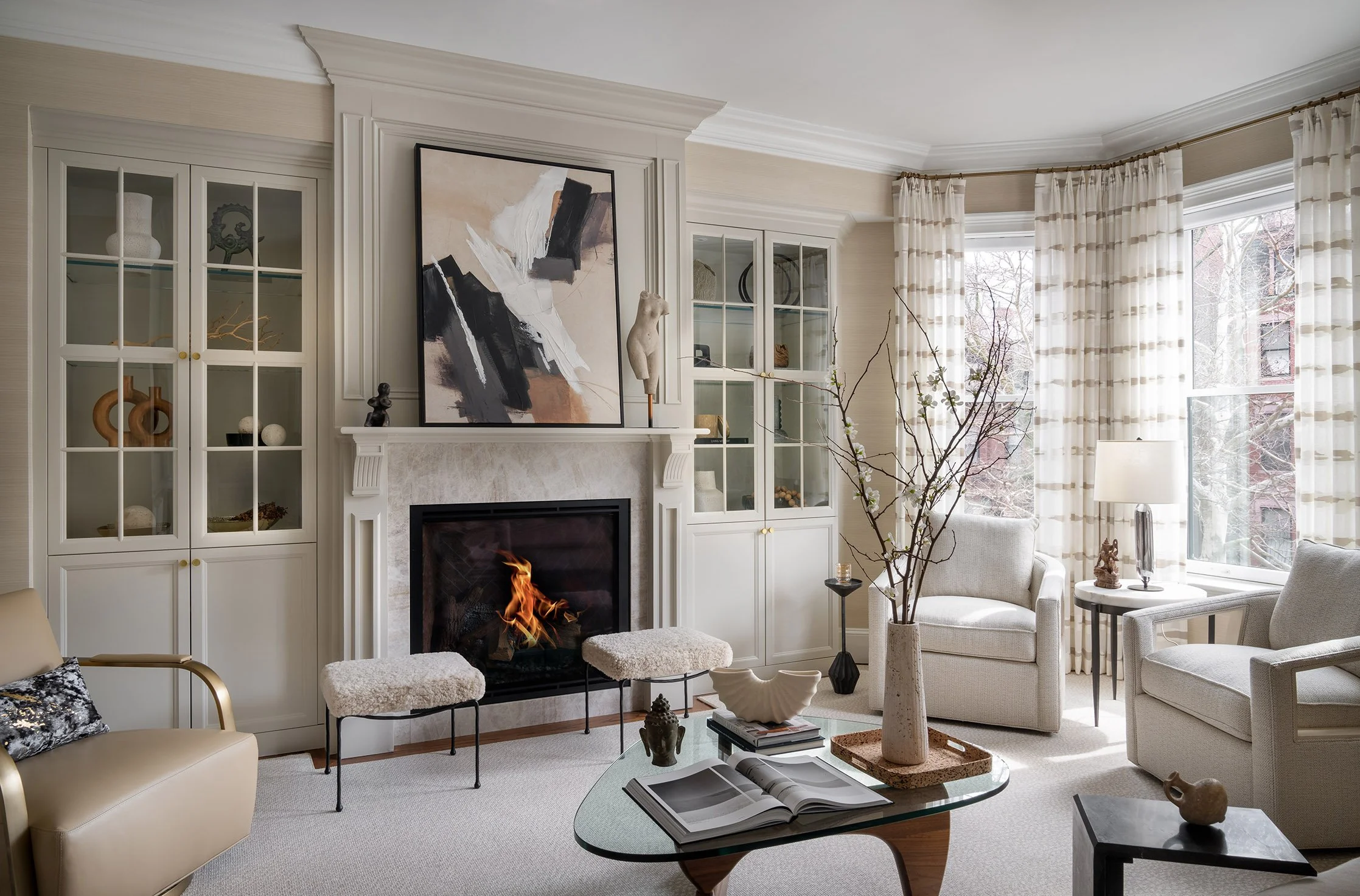
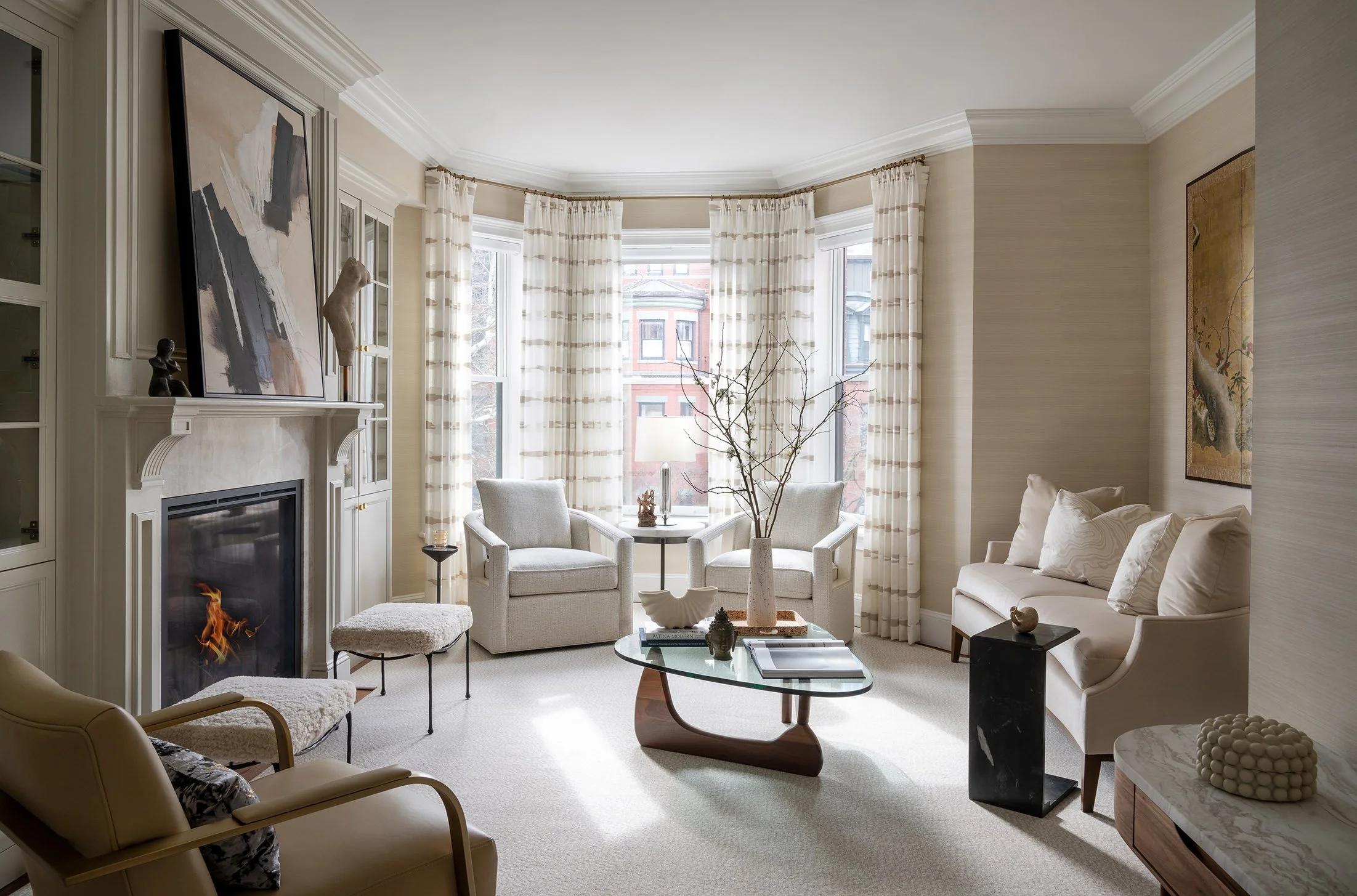
In our Neutral Nuances project in Back Bay, preserving the character of the historic brownstone while creating a contemporary interior required working carefully with the home's existing architecture.
This is why contingency is particularly important when renovating older Boston properties.
For major renovations, we recommend homeowners consider setting aside approximately 15% to 20% of their construction budget for unforeseen conditions. Historic Boston properties may require additional flexibility depending on the age of the building, previous renovations and the extent of structural or mechanical work.
For example, a $1 million construction budget with a separate 20% contingency would require an additional $200,000 in reserve. Planning for these expenses early helps protect the overall project budget when unexpected conditions arise.
A contingency is not wasted money sitting in the budget. It is protection against the unknown.
If it is not needed, wonderful. But planning for unforeseen conditions is considerably better than discovering them halfway through construction without the resources to address them properly.
4. Kitchens and Bathrooms Can Significantly Affect the Budget
The most expensive rooms are often the ones containing the most infrastructure.
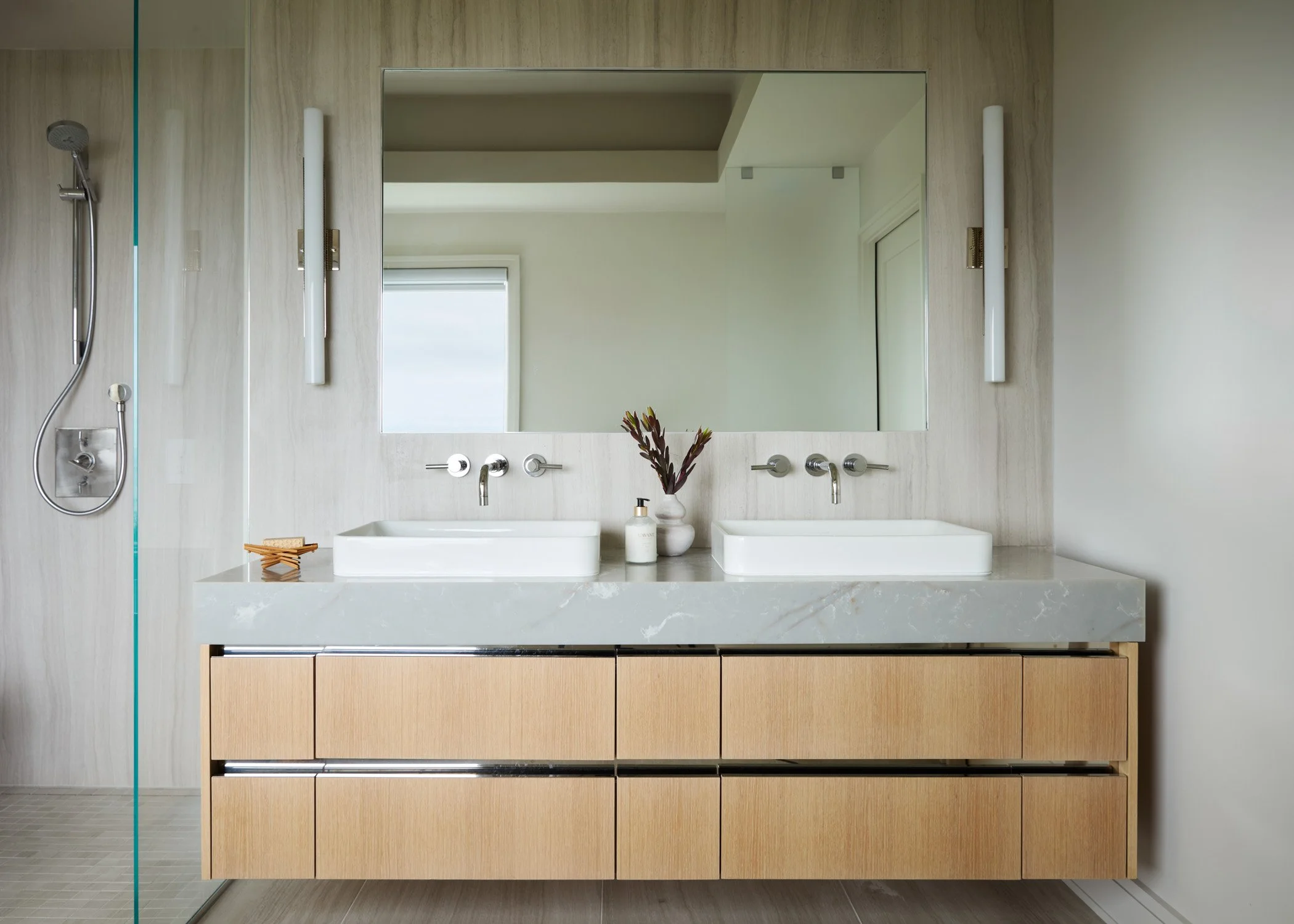
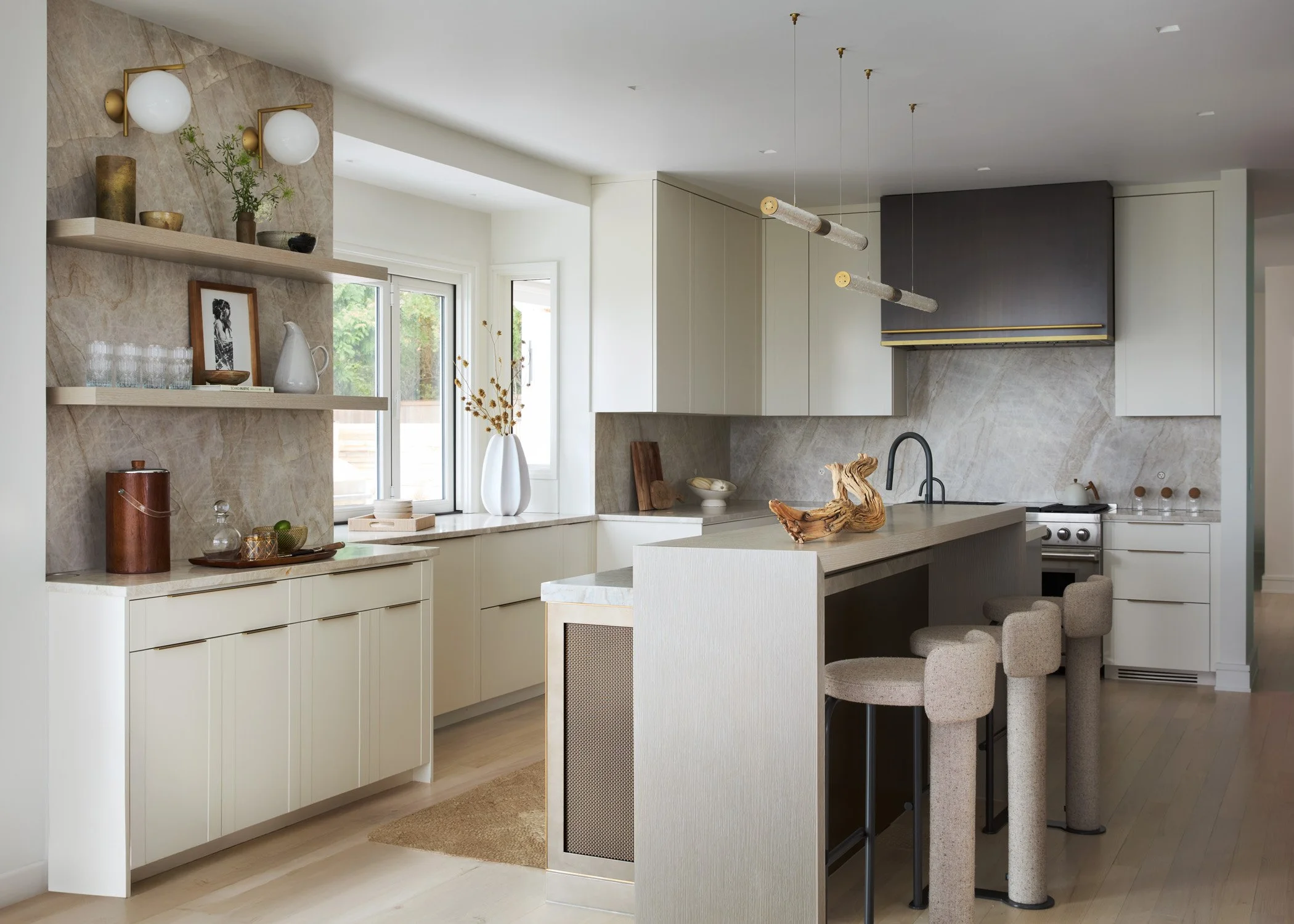
Kitchens and bathrooms combine plumbing, electrical, cabinetry, stone, tile, appliances, fixtures, hardware and specialized labor within relatively small areas.
Moving a sink is very different from replacing a sink in its existing location. Relocating plumbing, electrical or ventilation can create additional work that extends beyond the room itself.
Material choices also have an enormous impact.
Custom cabinetry, natural stone slabs, integrated appliances, specialty plumbing fixtures and architectural lighting can quickly increase the investment.
The objective should not necessarily be to reduce spending in these rooms. Kitchens and bathrooms are used constantly and can fundamentally change how a home functions.
Instead, determine which features matter most and build the budget around those priorities.


5. Custom Millwork Changes Both the Home and the Budget
Custom millwork is one of the best ways to make a home feel specifically designed for its architecture.
Built in cabinetry, bars, libraries, media walls, closets and architectural paneling allow us to solve functional problems while creating something unique to the home.
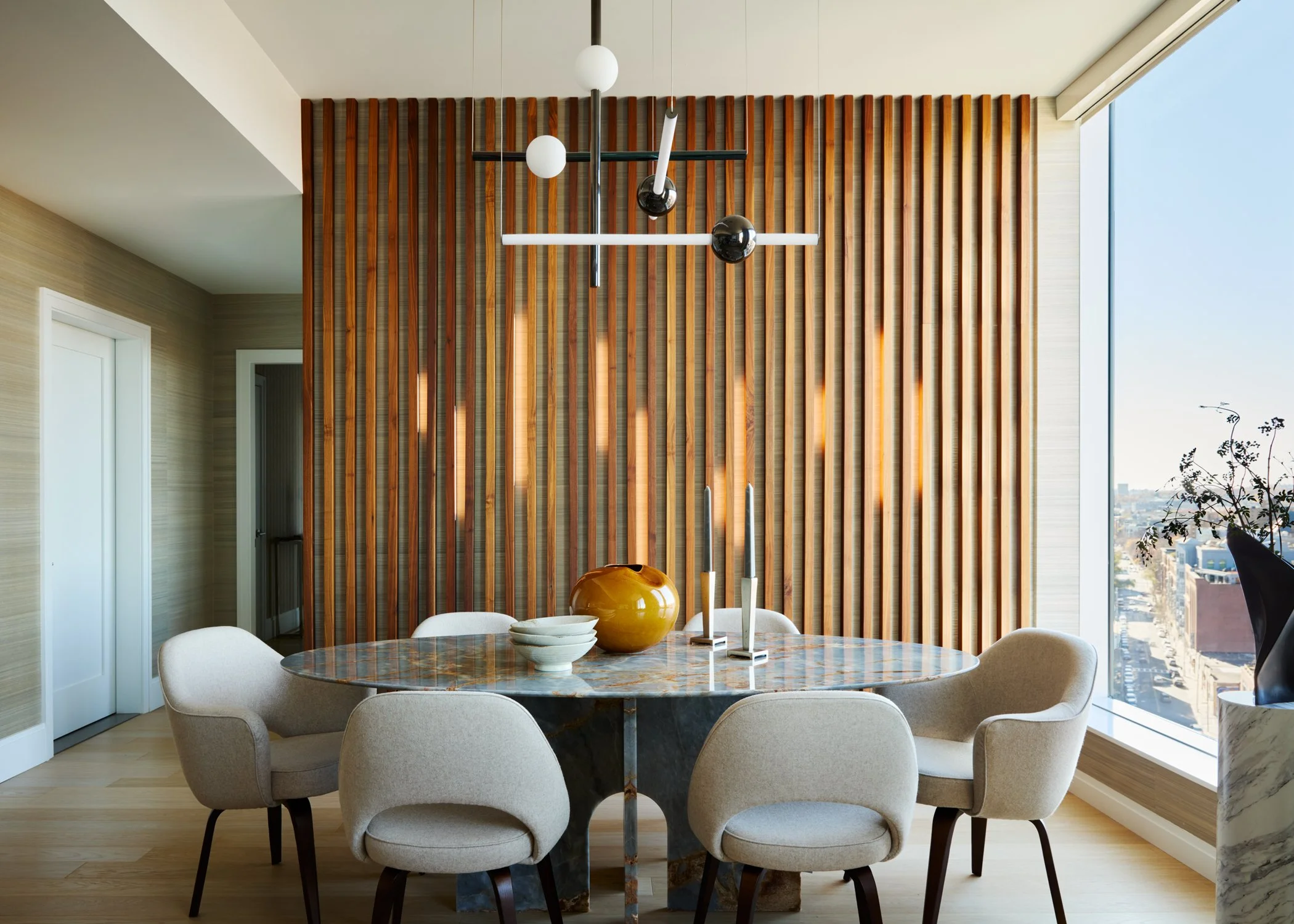
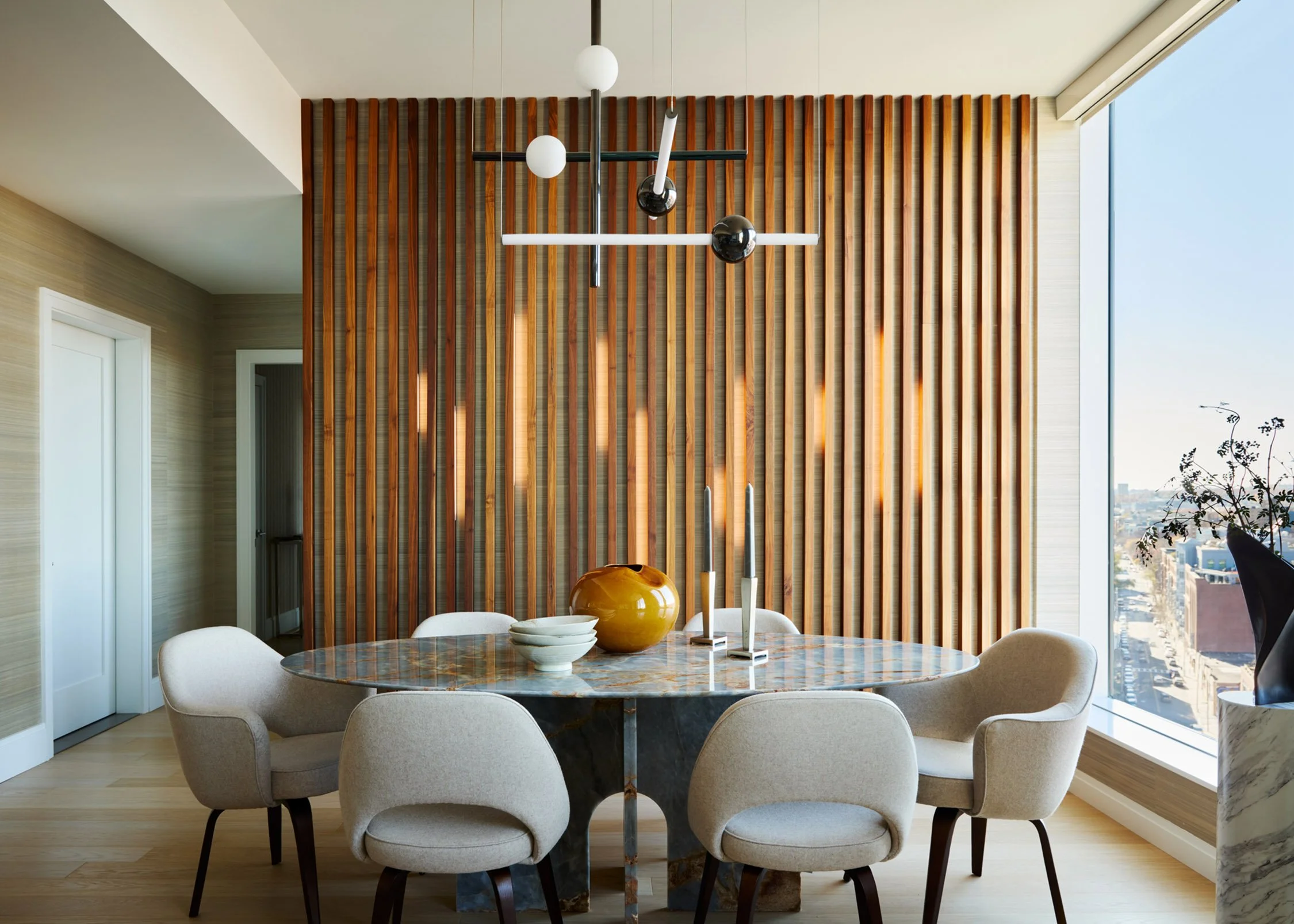
In Nautical Noir, custom walnut elements became an important part of the architectural language of the oceanfront residence. In Skyline Sophistication, bespoke cabinetry and walnut detailing helped create warmth and individuality within a contemporary Boston penthouse.
Custom work naturally requires a larger investment than purchasing ready made furniture or cabinetry.
There are also different levels of customization.
Depending on the project and budget, we may consider fully custom architectural millwork, semi custom solutions or freestanding furniture that accomplishes a similar functional goal.
Knowing where customization will make the greatest difference allows the budget to work harder.
6. Material Selection Creates a Wide Range of Costs
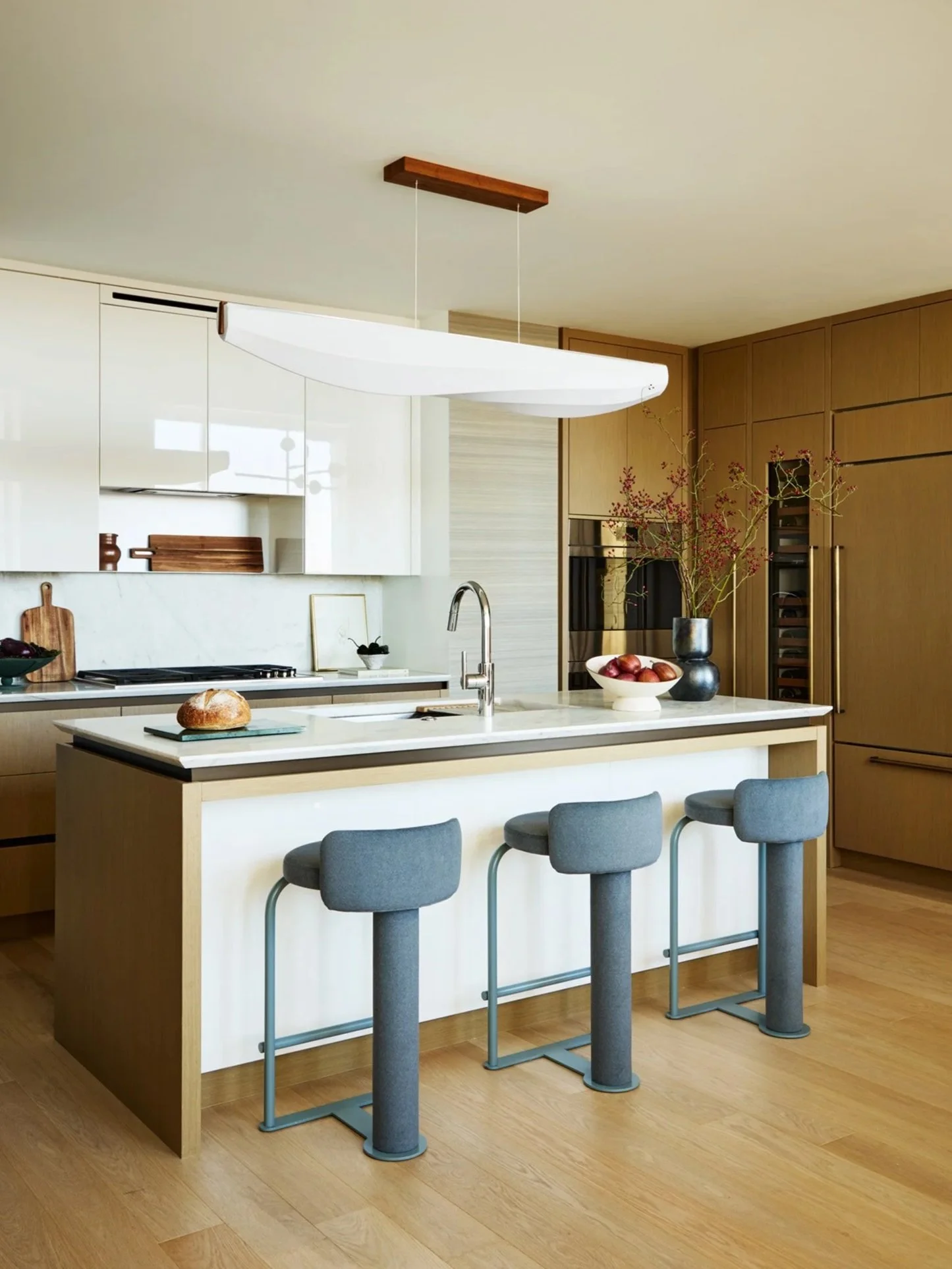
Two kitchens with nearly identical layouts can have dramatically different budgets depending on the materials selected.
Natural stone is a good example.
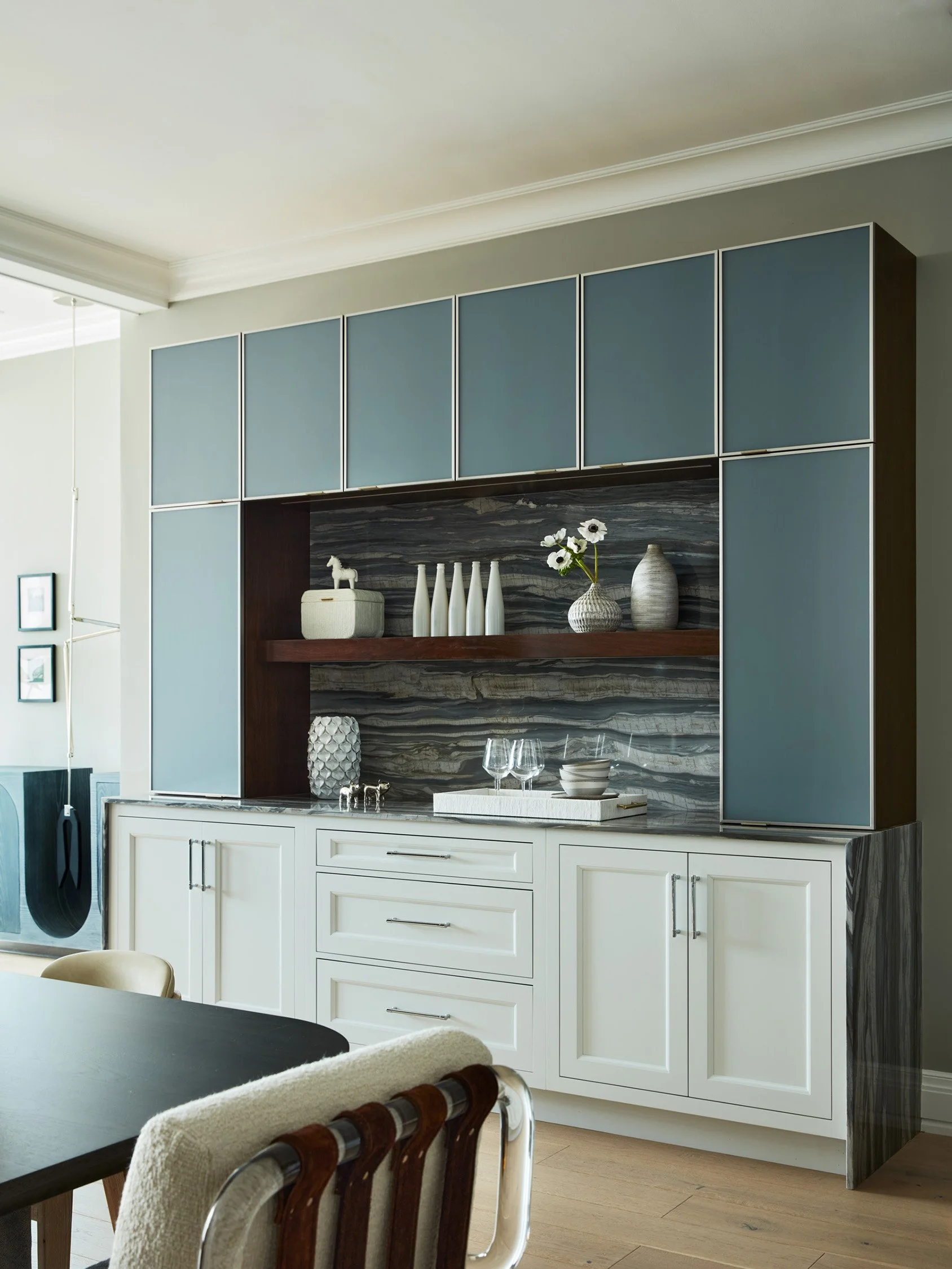
The cost of marble and quartzite can vary significantly depending on the stone, slab size, availability, fabrication requirements and installation complexity.
The same applies to flooring, plumbing fixtures, decorative lighting, hardware, wallcoverings and tile.
This is why establishing the desired level of finish early is so important.
Luxury does not require choosing the most expensive option in every category.
I would rather invest in one extraordinary stone and surround it with simpler materials than distribute the same budget across multiple competing finishes.
Good design depends on composition, not simply cost.


7. Furniture Should Be Part of the Renovation Budget
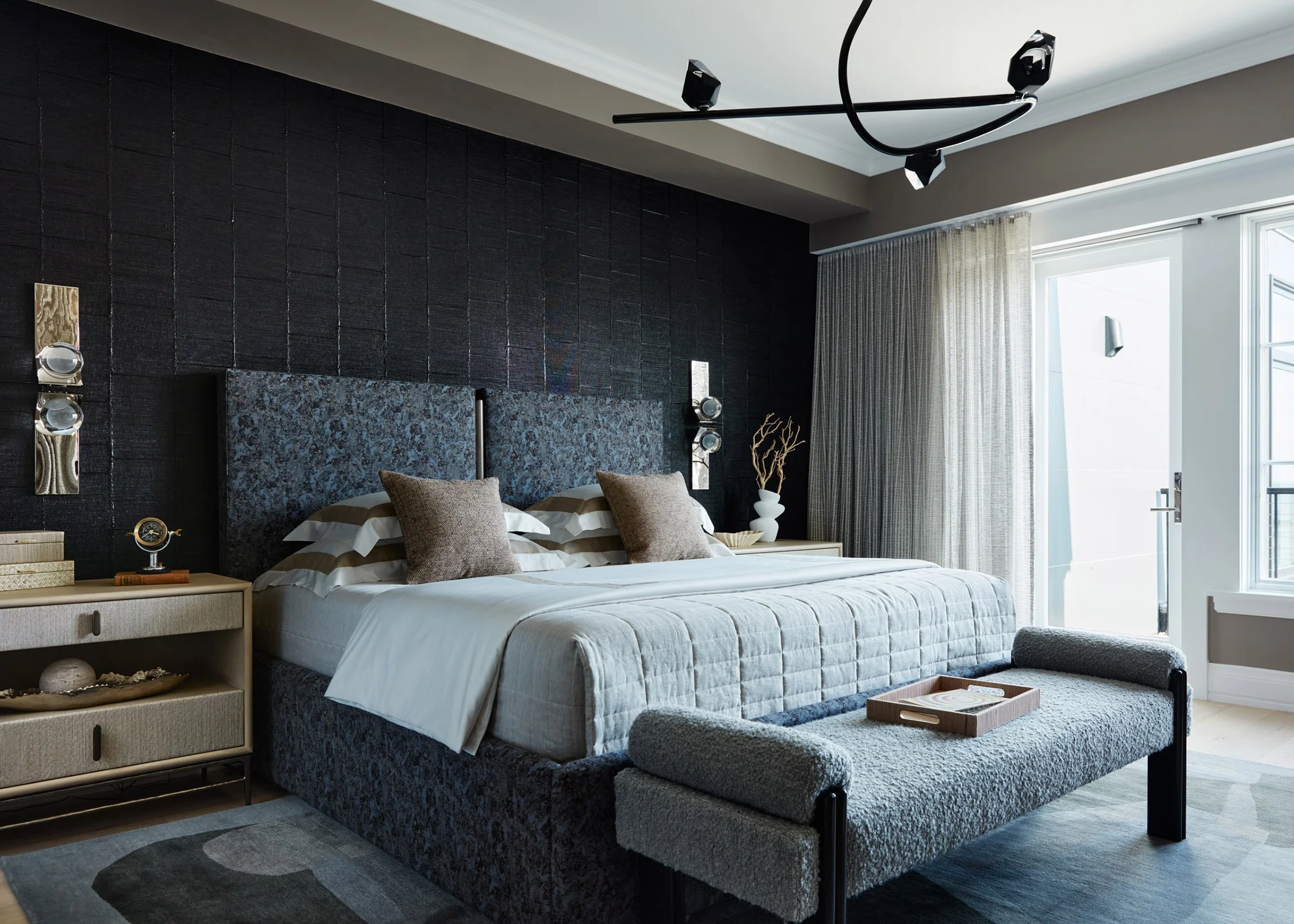
Furniture is often treated as something that can be figured out after construction. For a comprehensive renovation, it should be considered much earlier.
Furniture determines how rooms function and can influence electrical plans, lighting locations, floor outlets, millwork dimensions and circulation.
A custom sectional requires a different investment than a retail sofa. Hand knotted rugs, bespoke dining tables, artisan lighting and custom window treatments also need to be accounted for when establishing the overall project budget.
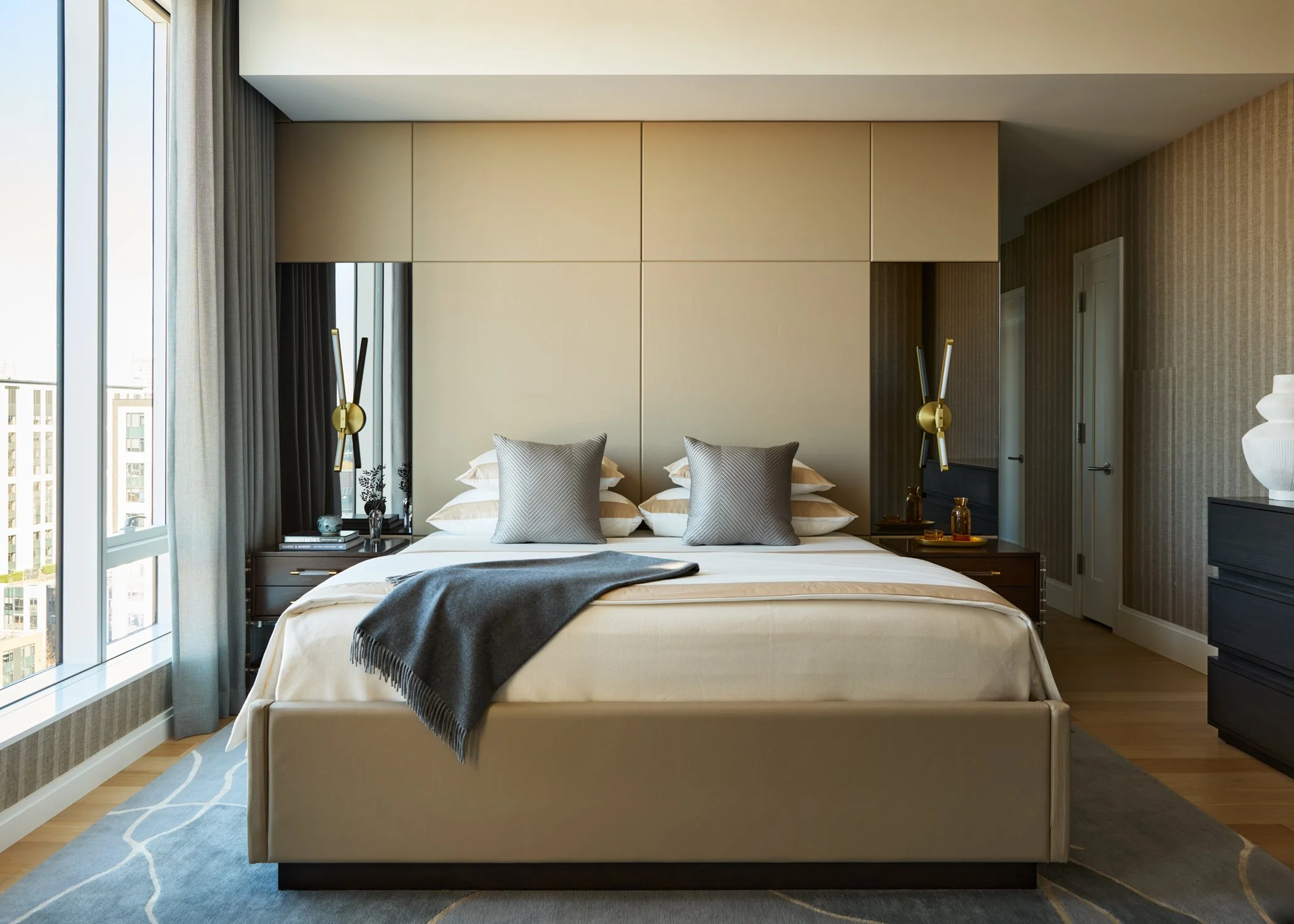
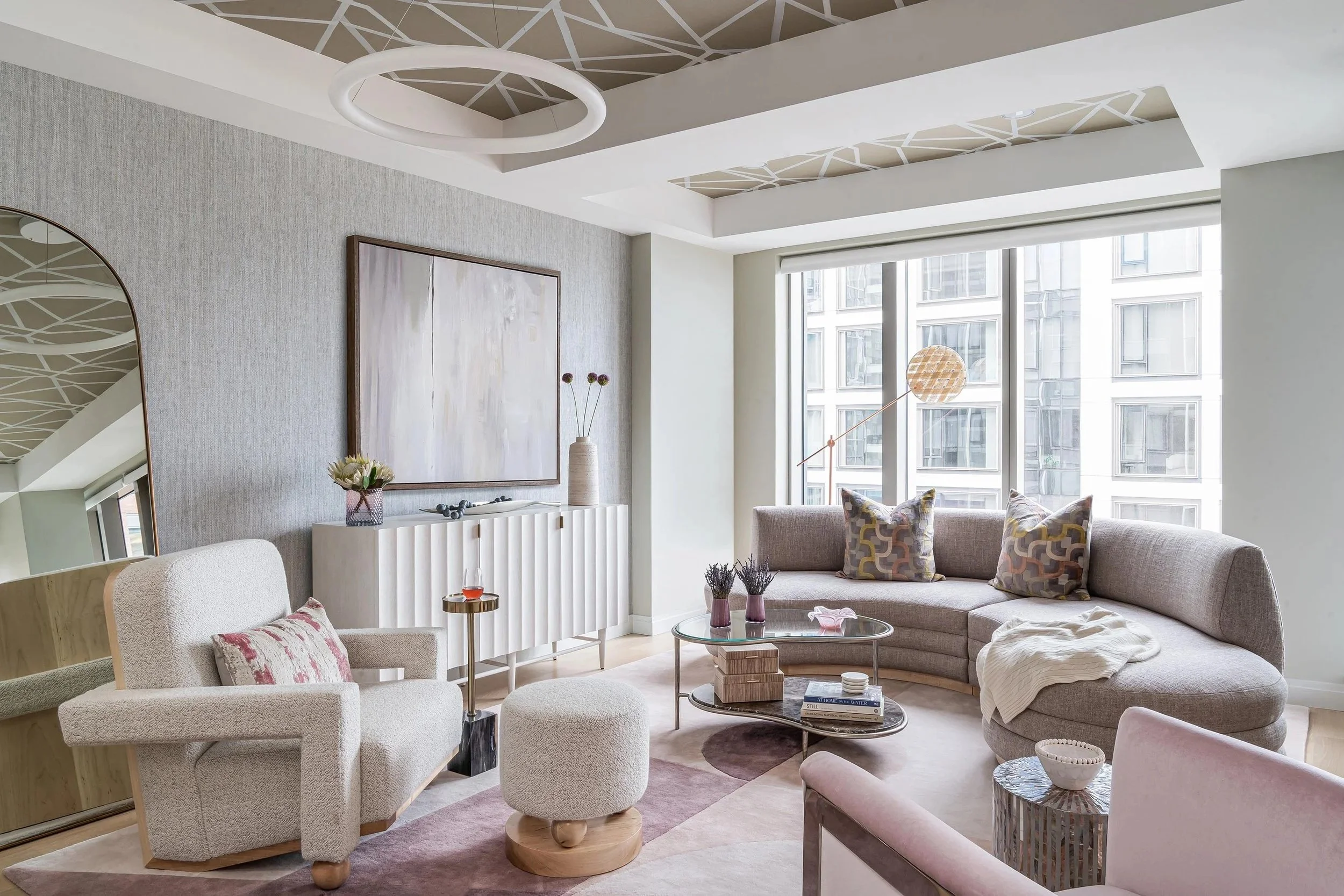
Our Skyline Sophistication project demonstrates how architecture and furnishings can work together. Custom elements, furniture, lighting and rugs were considered as part of the complete composition rather than individual additions.
This also prevents a common renovation problem.
Homeowners invest heavily in beautiful architecture and construction, only to discover that the remaining furniture budget does not support the level of the renovated space.
Plan for both from the beginning.

8. Freight, Receiving and Installation Are Real Project Costs
One of the most commonly overlooked parts of a luxury interior design budget is getting everything into the home.
Furniture and lighting may need to travel from manufacturers around the country or internationally. Large pieces may require specialized delivery. Custom furniture needs to be inspected before arriving at the residence.
There can also be receiving, storage and installation costs.
This becomes particularly important in Boston condominiums and high rise residences where deliveries may require building approvals, certificates of insurance, elevator reservations and specific installation windows.
Our full service projects include extensive coordination between vendors, receivers, delivery teams, installers and trades.
These expenses may not be the most exciting part of the renovation, but they are necessary to get a home from a collection of orders to a completed interior.
9. How to Establish a Realistic Luxury Renovation Budget
Start with the amount you are comfortable investing, then determine what that budget can realistically accomplish.
I prefer this approach to designing an entire project first and discussing cost afterward.
Once we understand a client's overall investment range, we can begin determining where to allocate it.
Some clients prioritize custom architectural elements. Others care deeply about furniture, lighting or artwork. A homeowner who loves to cook may want to direct more of the budget toward the kitchen. Someone who entertains frequently may prioritize living spaces, a bar or outdoor areas.
There can also be multiple ways to accomplish the same design objective.
A fully custom wall of millwork may represent the highest level of investment. A modular architectural system could provide a middle option. Carefully selected freestanding furniture may accomplish the functional need with a smaller investment.
Establishing the budget early allows these conversations to become part of the creative process.
Frequently Asked Questions About Luxury Home Renovations in Boston
How much does a luxury home renovation cost per square foot in Boston?
Extensive luxury home renovations in Boston may range from approximately $600 to $1,200 or more per square foot in construction costs. The final investment depends on the property's location, existing conditions, scope of work and level of customization. Architectural and interior design fees, furnishings and other expenses outside the contractor's scope are not included.
Are interior design fees included in renovation construction costs?
Interior design fees are typically separate from construction costs. Depending on the project, these services may include space planning, material selection, custom millwork design, lighting, furniture procurement and coordination with contractors. Homeowners should establish separate budgets for construction, professional services and furnishings to understand their total investment.
How much contingency should I budget for a historic Boston home?
For major renovations, a contingency of approximately 15% to 20% of the construction budget is a useful starting point. Older Boston brownstones and historic properties may require additional reserves depending on structural conditions, aging mechanical systems and the extent of previous renovations.
Planning a Luxury Home Renovation in Boston?
There is no universal price for a luxury renovation because no two homes or homeowners have exactly the same requirements.
A historic Back Bay brownstone, South End penthouse, Beacon Hill townhouse, Brookline residence and waterfront New England home each present different opportunities, challenges and costs.
The important question is not simply, "How much does a luxury home renovation cost?"
It is, "What do we want this investment to accomplish?"
At Trevor Fulmer Design, we specialize in comprehensive residential renovations, interior architecture, kitchen and bath design, custom furnishings and luxury interior design throughout Boston and New England.
Our process begins with understanding your priorities, budget and the scope of work before developing a design plan. From there, we help determine where customization matters, where costs can be adjusted and which investments will have the greatest impact on the finished home.
Planning a luxury home renovation in Boston? Contact Trevor Fulmer Design to discuss your project.
