
The Benefits of Interior Design for Luxury Homes
A home can look beautiful and still have its frustrations. Perhaps the kitchen lacks storage where it's needed, the living room furniture makes conversation difficult, or the lighting never feels quite right. These details affect daily life, even when the furnishings and finishes are attractive.
Professional interior design addresses these challenges by looking at how a home works as a whole. From planning renovations to selecting materials, an experienced designer can help homeowners avoid expensive mistakes and make choices that support their property's future.
At Trevor Fulmer Design, we approach luxury residential interiors with an appreciation for each home's architecture and the people who live there. For homeowners throughout Boston and New England, understanding the benefits of interior design can help turn a renovation or new construction project into an opportunity to improve daily life.
Blog Contributor:
Trevor Fulmer

“Timeless design is not about avoiding trends. It is about knowing which ideas deserve permanence.”
— Trevor Fulmer
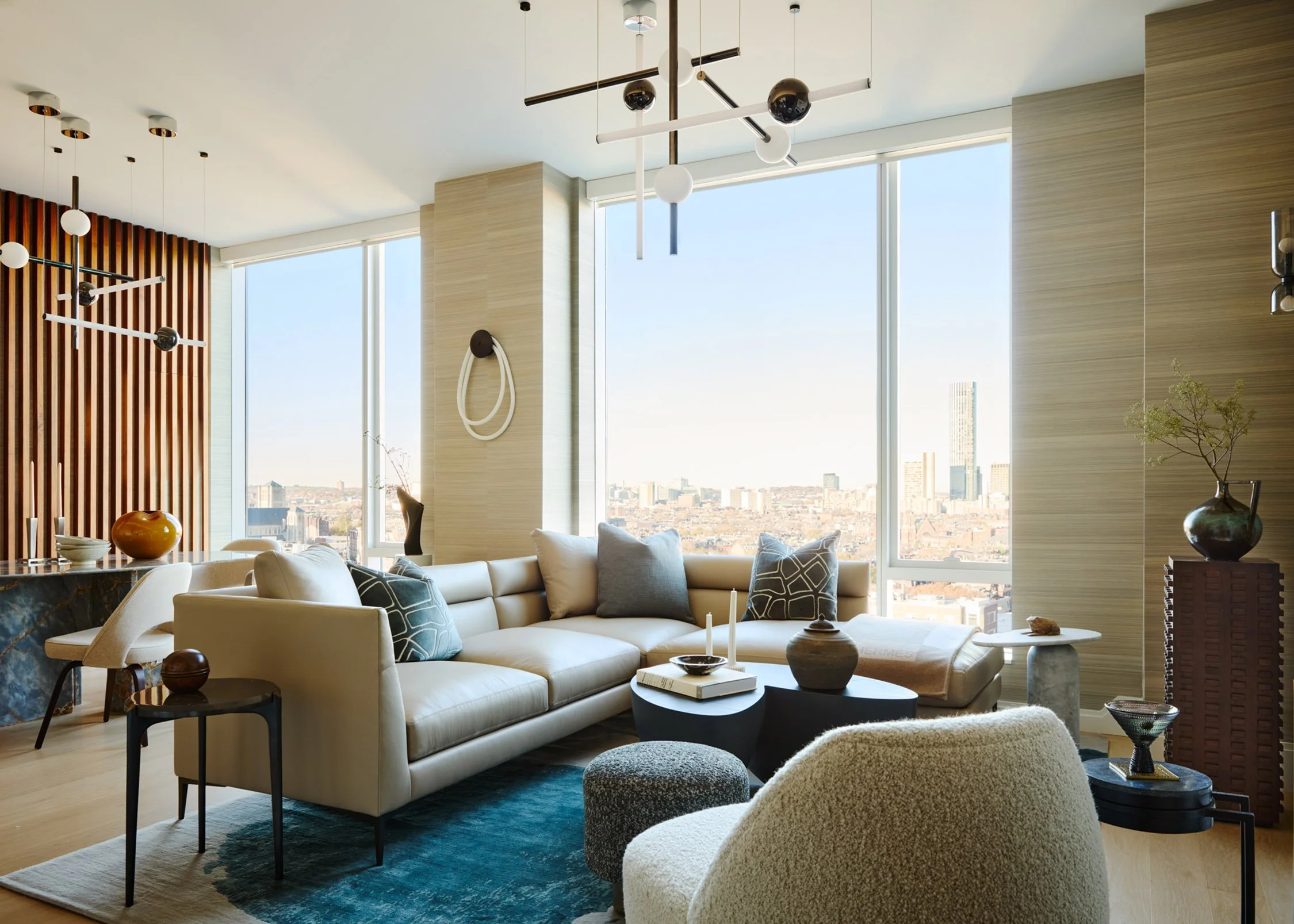

Make everyday living more comfortable and convenient
Some of the most valuable design improvements address problems homeowners have grown accustomed to living with.
A kitchen may have plenty of cabinets but little storage near the cooking area. A spacious living room might feel cramped because furniture interrupts movement between doorways. Even a large bedroom can lack a comfortable place to read or get dressed.
An interior designer starts by understanding how the household uses each room. Where do people naturally gather? Which areas feel crowded? What activities need more space or better storage? Answering these questions helps establish priorities before furniture or finishes are selected.
Space planning translates those needs into practical solutions. In a narrow living room, rearranging seating can create a comfortable conversation area without blocking walkways. In a kitchen, adjusting the relationship between the island, appliances, and preparation surfaces can make cooking easier when several people share the space.
Storage deserves similar attention. Custom cabinetry can accommodate unusual architectural dimensions, while built-in shelving provides room for books and personal belongings without occupying additional floor space. These solutions are useful in older Boston homes, where traditional room proportions may not accommodate standard furniture.
The room's layout is only one part of daily comfort as there are plenty of other design decisions that can improve how homeowners experience their spaces including:
Combining natural light, task lighting, and dimmable fixtures allows homeowners to adjust illumination for different activities, from preparing meals to relaxing in the evening.
Selecting furniture with appropriate seat depth, back support, and table height improves comfort in home offices and living spaces where people spend extended periods.
Incorporating rugs, upholstered furniture, and window treatments helps absorb sound, making rooms with hardwood floors and large windows more comfortable for conversation.
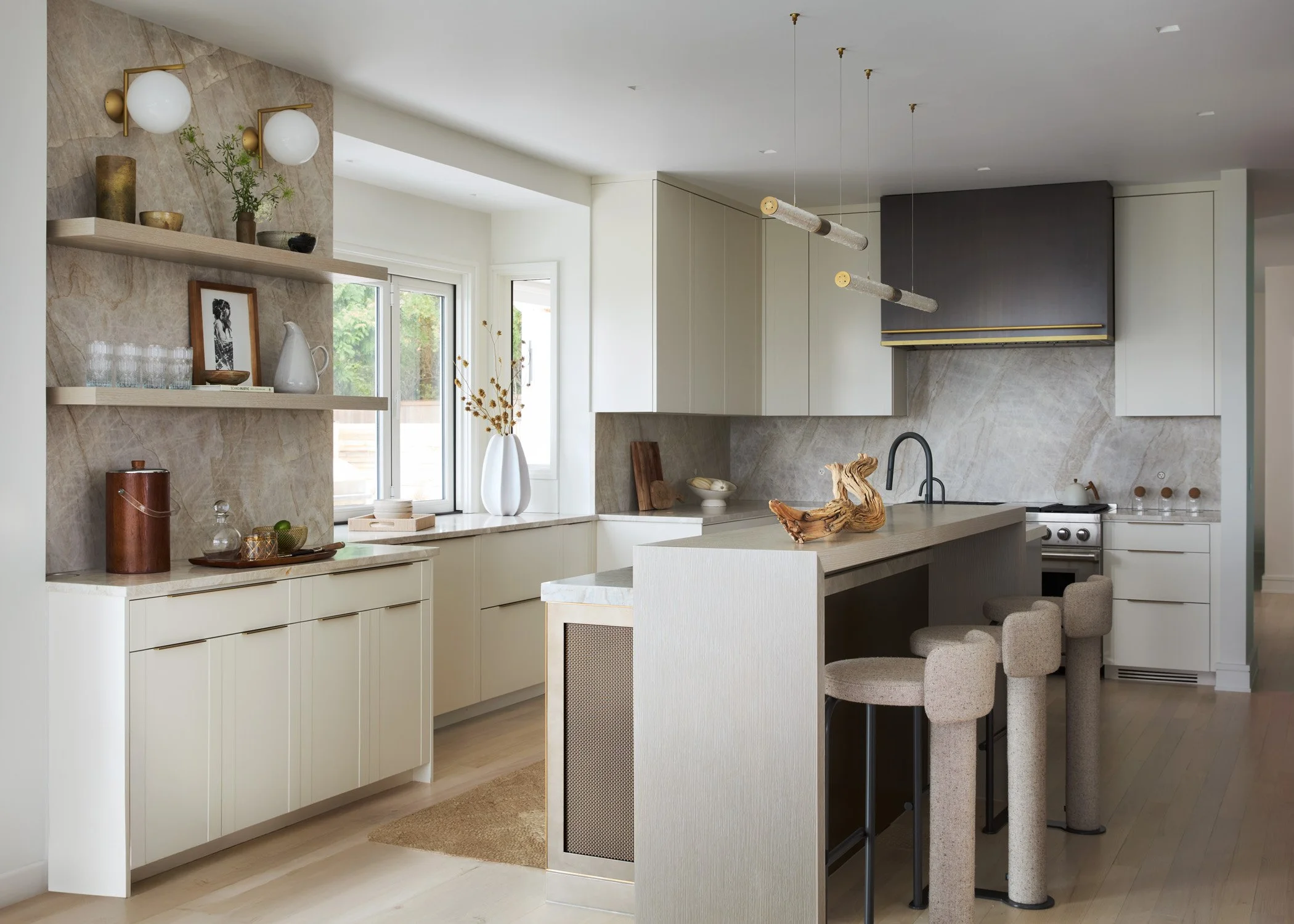
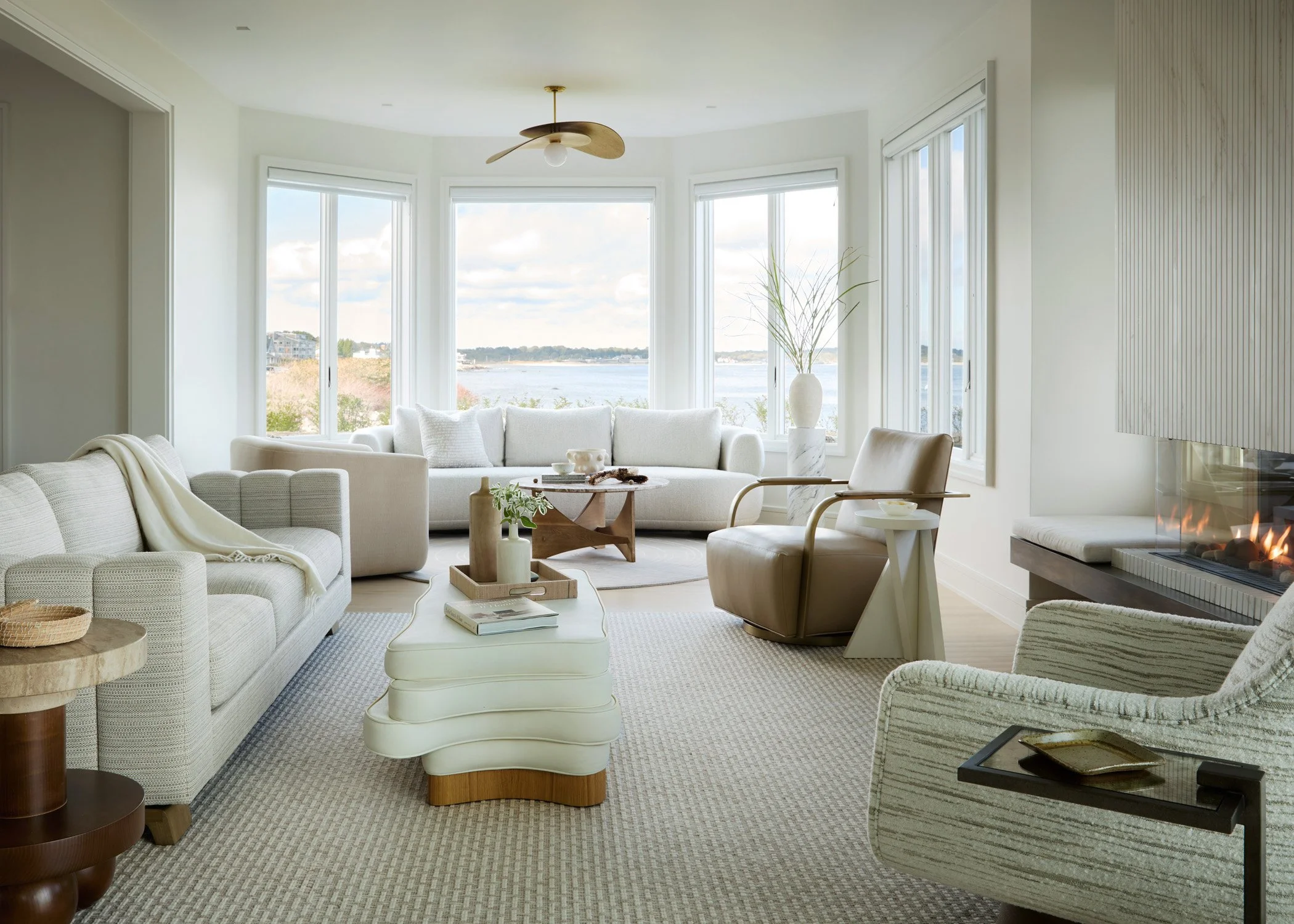
Avoid costly renovation and design mistakes
Renovations involve decisions that can become expensive to change once construction begins, especially when homeowners make selections without understanding how they will work within the space.
Incorrect measurements, unsuitable materials, and poorly positioned lighting can lead to disappointing results and additional expenses.
A sofa that appears appropriately sized in a showroom may overwhelm a living room once delivered, while a stone countertop selected from a small sample may look different when installed across a larger surface. Other decisions have wider implications, such as bathroom vanity placement, which affects plumbing, electrical work, lighting, and storage.
Professional interior designers help identify these issues before homeowners commit to purchases or construction. Depending on the project, this may involve:
Using detailed floor plans to establish furniture dimensions, circulation space, and the relationship between architectural features.
Reviewing material samples under the room's actual lighting conditions to evaluate colors, textures, and finishes.
Confirming furniture and lighting dimensions, placement, and installation requirements before placing orders.
These steps become more important when several trades are involved. During a kitchen renovation, cabinetry dimensions must account for appliances, electrical outlets, plumbing, and ventilation. Poor coordination can increase costs and delay installation.
Interior designers also collaborate with architects, builders, and contractors to identify potential conflicts before work begins. For larger interior design projects, project management helps coordinate selections, ordering schedules, and installation requirements so decisions are made when contractors need them.
Professional guidance can help homeowners spend wisely. Natural stone, hardwood, and specialty surfaces have different maintenance requirements, so the most expensive option isn't always the best choice. The interior design process allows homeowners to compare materials based on durability, appearance, and intended use.
Investing in quality cabinetry or flooring may provide greater long-term benefits than expensive decorative finishes throughout every room. A designer can help determine where additional spending is worthwhile and where simpler selections will serve the home.
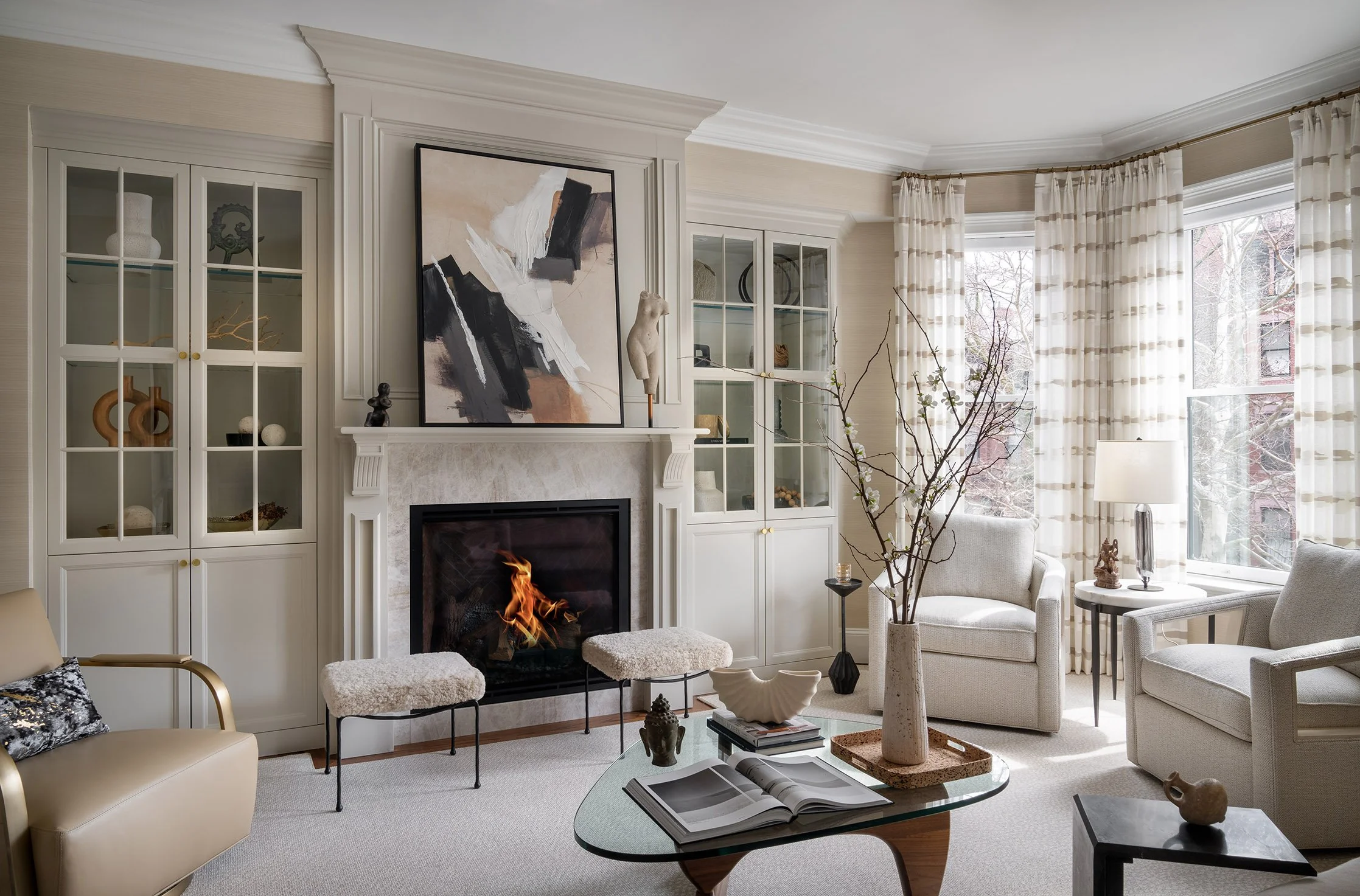
Create a more connected home environment
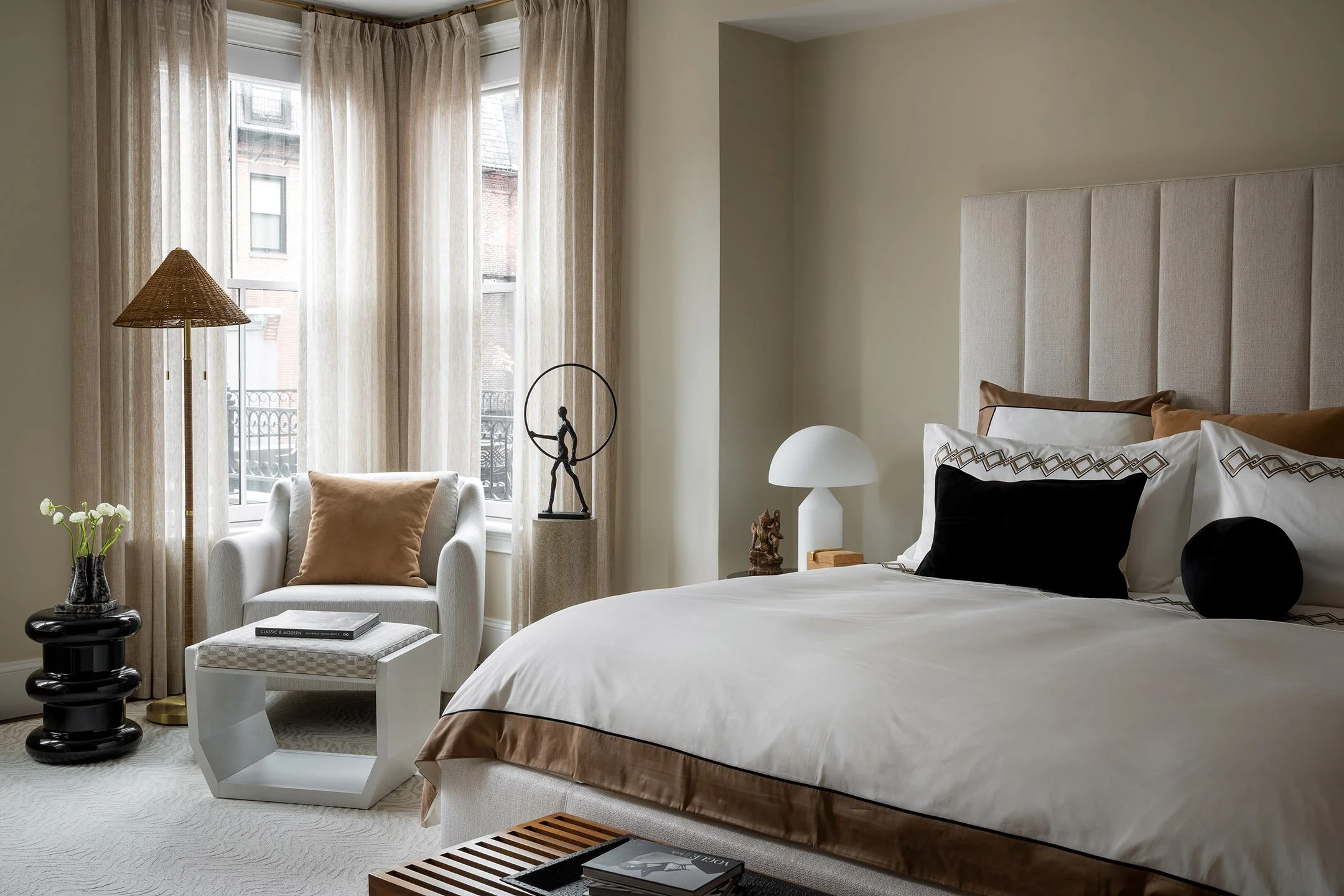
A home can contain attractive rooms without feeling like they belong together.
This sometimes happens when renovations take place years apart or furnishings are selected without accounting for the surrounding architecture.
Interior designers address this by studying the property as a whole. Coordinating materials, colors, furnishings, and architectural details establishes consistency while allowing each room to have its own character. A dining room might feature dark wood furniture and a dramatic chandelier, while the adjoining living area uses lighter upholstery and softer lighting. Repeating a wood finish or maintaining compatible architectural details can establish a relationship between the spaces without making them identical.
Transitions deserve attention as well. Flooring changes, doorways, trim profiles, and sightlines influence how one room relates to the next. Reviewing these details during planning can prevent adjoining spaces from feeling disconnected.
This approach is useful in historic Boston and New England homes. Original fireplaces, decorative moldings, and traditional millwork can provide a starting point for contemporary updates. Introducing furnishings that respect the home's proportions allows older architectural features to remain part of the design.
Feel more at home in your surroundings
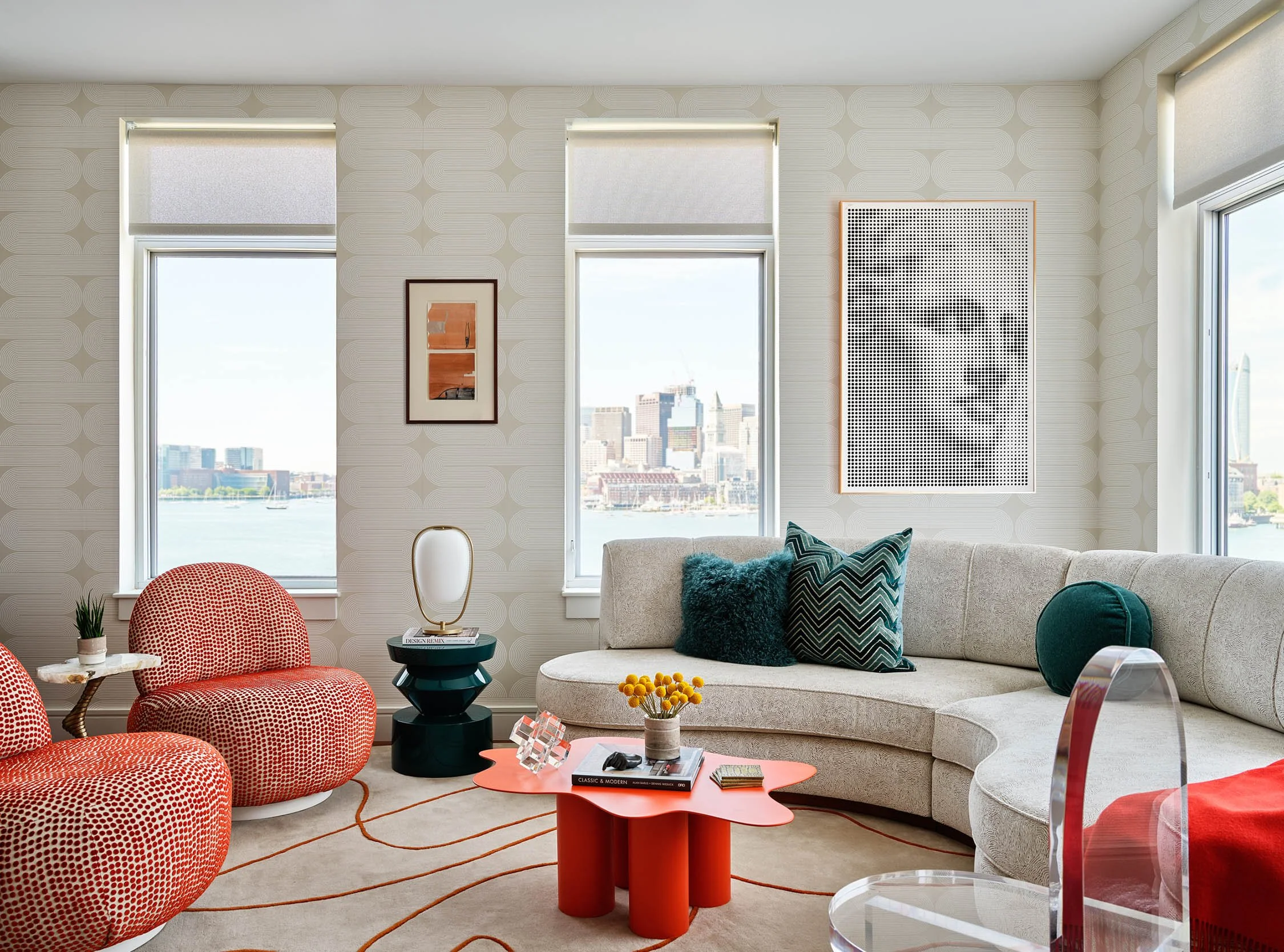
Interior design influences how people feel in their surroundings.
Lighting, color, texture, and furniture arrangements can affect mood, creating environments suited to relaxation, entertaining, and everyday activities.
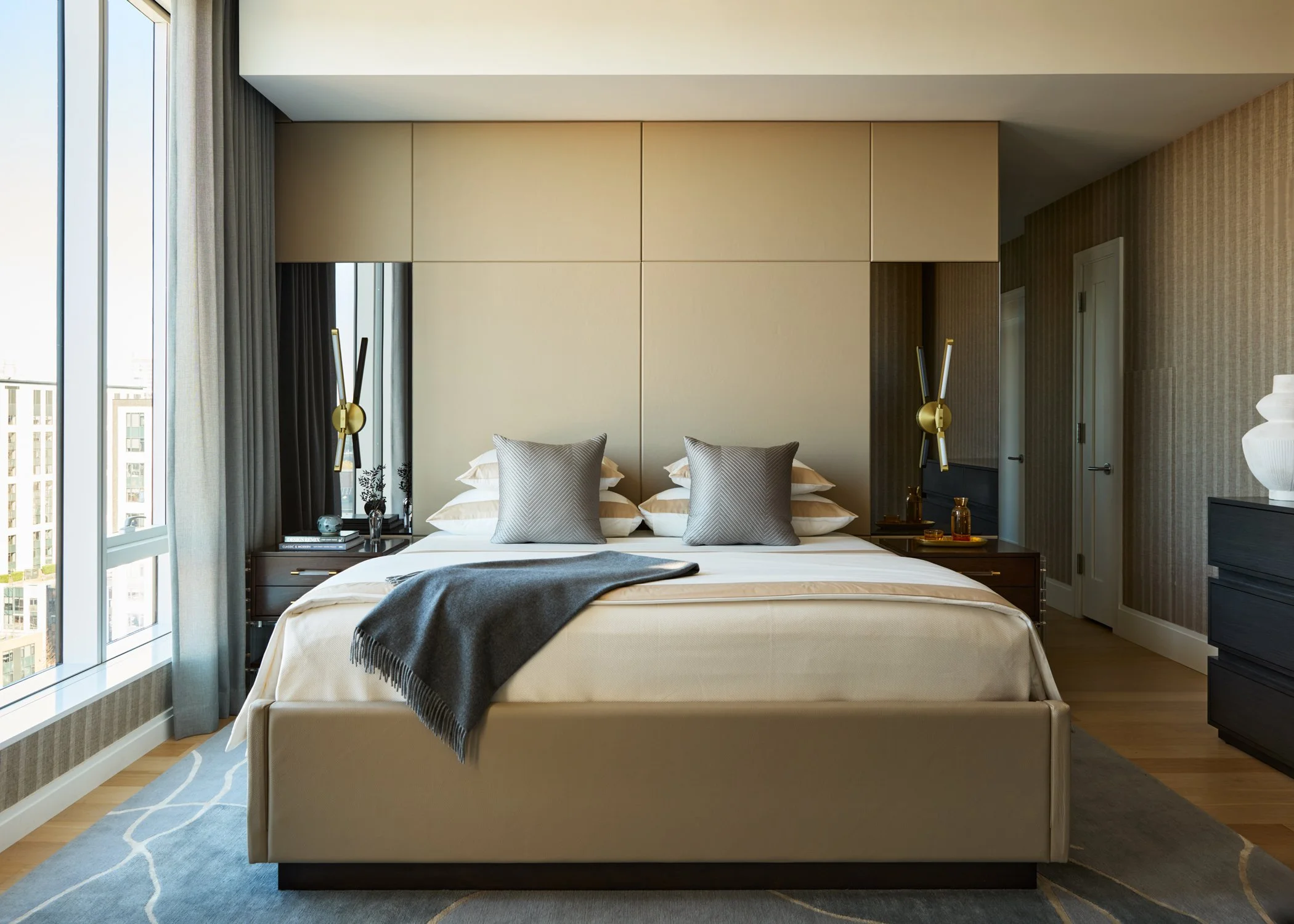
A bedroom with soft lighting, comfortable textiles, and limited visual clutter may encourage relaxation, while a living room with inviting seating and natural light can make family time more enjoyable. Designers support these experiences by choosing furnishings and finishes suited to each room's activities.
Personal preferences are equally important. Some homeowners find rich colors and layered textures comforting, while others prefer lighter palettes and natural materials. Understanding these differences helps establish an atmosphere that feels appropriate to the people using the space.
A home also becomes more meaningful when it reflects its owners' experiences. An inherited dining table, artwork collected during travels, or a favorite antique can influence furniture placement, color selections, and decorative details.
Incorporating these belongings gives familiar pieces a place within the updated interior while preserving their associated memories. The design feels personal because it draws from the homeowner's life, not simply current trends.
Protect your home's long-term value
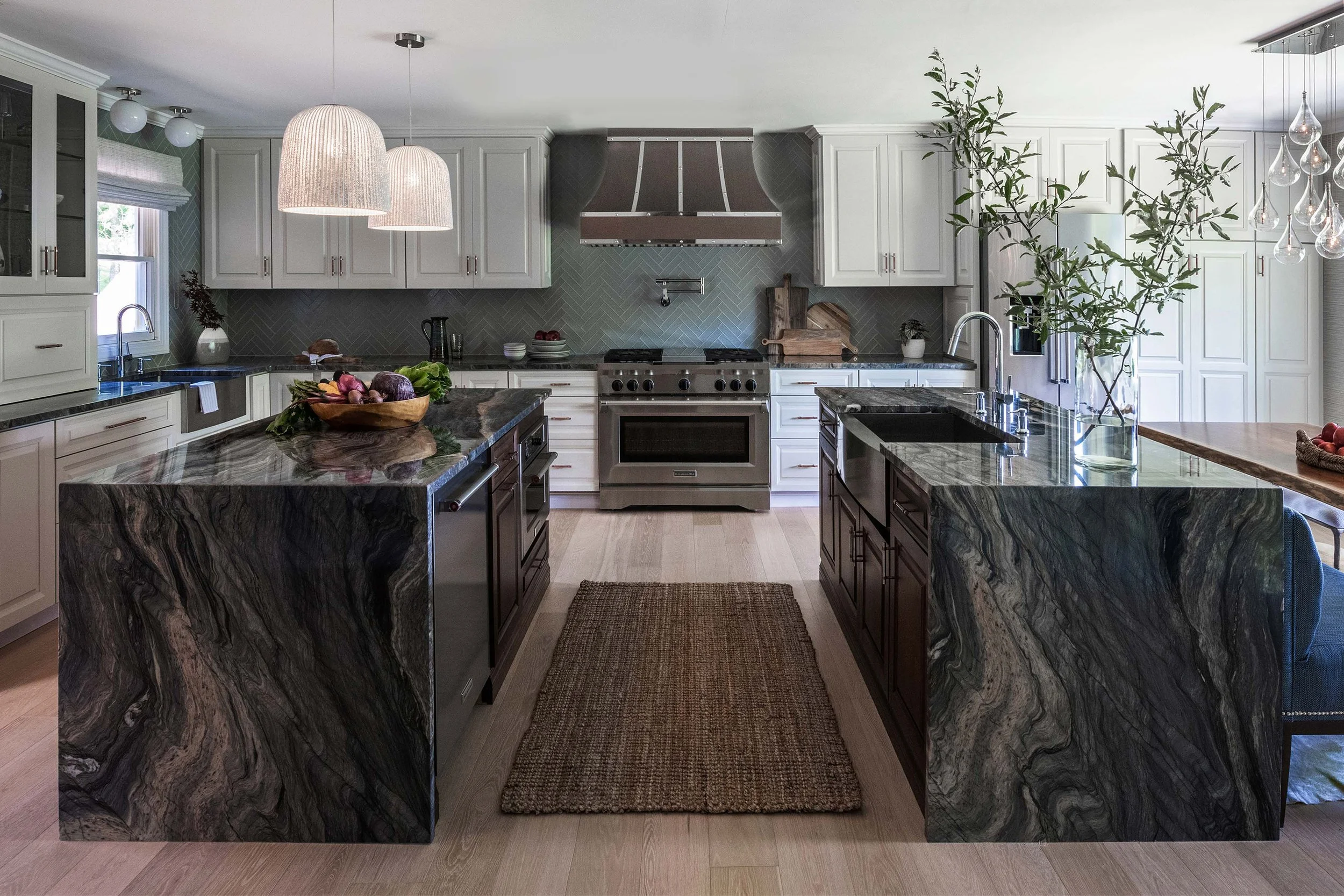
A well-planned renovation can improve how a home functions today while supporting its appeal to future buyers.
Interior designers help homeowners identify improvements that serve daily needs without overlooking the property's long-term potential.
Kitchens, bathrooms, and primary living spaces deserve attention because their layouts and finishes affect daily use. Practical storage, sufficient preparation space, and properly positioned appliances can make a kitchen more appealing than expensive finishes with little practical benefit. The same applies to bathrooms. Accessible storage, appropriate lighting, and moisture-resistant materials make these spaces easier to maintain and more comfortable to use.
That said, not every renovation produces the same financial return. Project costs, property condition, and the local real estate market influence resale value. Highly customized features may suit the current homeowner but hold less appeal for prospective buyers.
An interior designer can help homeowners evaluate which improvements are worth the investment, balancing individual preferences with features that may attract future buyers. This means understanding which decisions are expensive to reverse and where flexibility may be valuable.
Invest in materials and furnishings that last
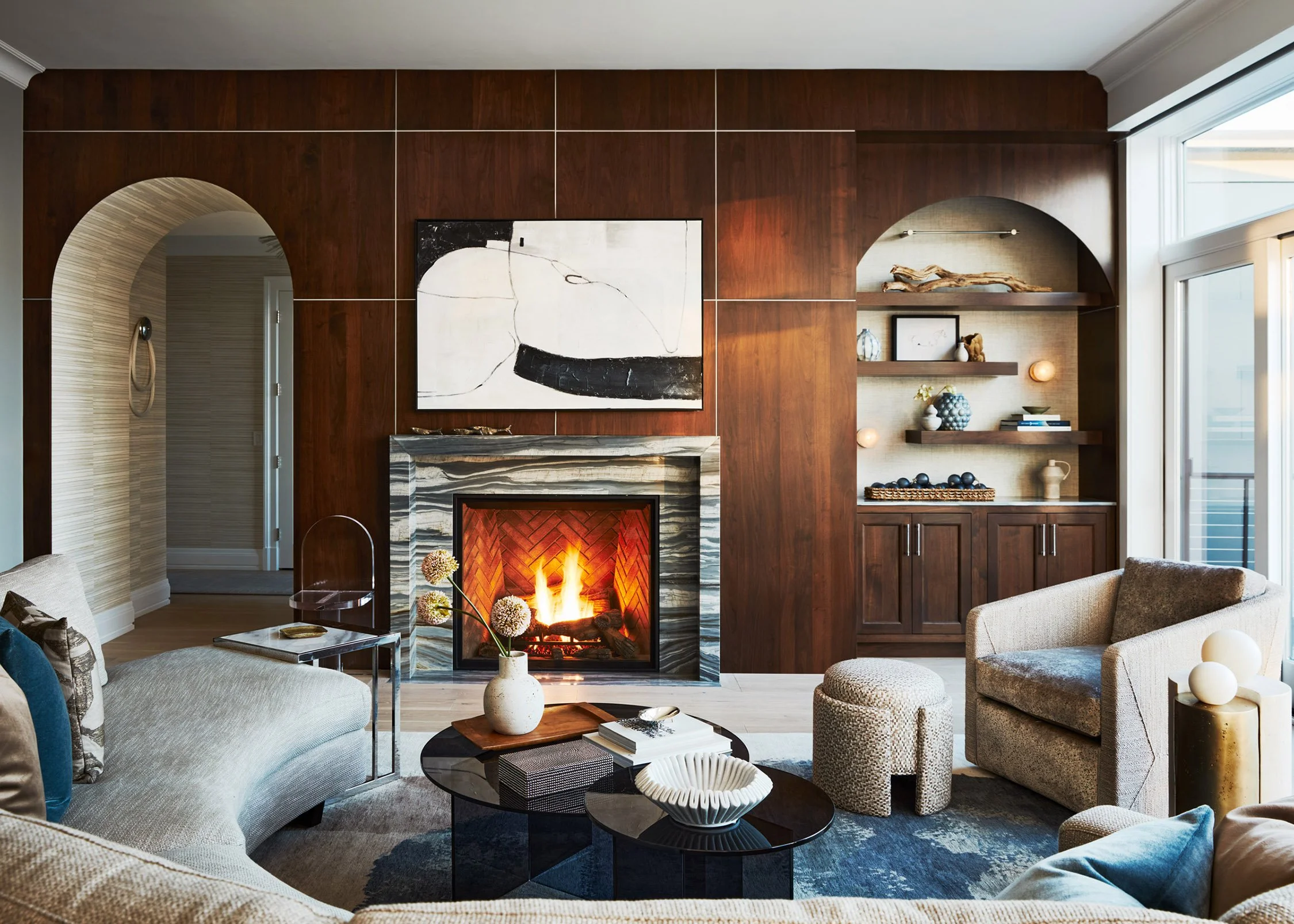
Long-term value depends on how well materials and furnishings withstand daily use.
Quality hardwood flooring, natural stone, and well-constructed furniture can provide years of service, but their suitability depends on where and how they will be used.
Marble offers natural variation but requires more care than some alternative countertop materials. Homeowners who enjoy its appearance may welcome the maintenance involved, while those who prefer a lower-maintenance surface may find another material more practical.
Furniture deserves the same attention. A well-constructed sofa with durable upholstery may remain comfortable through several decorating changes, while an antique dining table can continue serving the family as surrounding furnishings evolve.
Energy-efficient lighting and adjustable controls help homeowners manage electricity use. Incorporating these features during a renovation also allows switches, fixtures, and controls to be positioned appropriately.
Finally, think about which design choices should remain in place for years and which can change easily. Artwork, textiles, and decorative accessories introduce current styles without replacing expensive architectural elements. For larger investments such as cabinetry, flooring, and built-in furnishings, selecting materials that suit the property's character and daily demands can reduce the need for frequent updates.
Experience the benefits of interior design with Trevor Fulmer Design
A successful interior design project should leave you with more than a beautiful home.
It should make daily living more comfortable while reflecting your personal style and the character of your property.
At our design studio, we take the time to understand how our clients want to live, bringing that perspective to luxury residential interiors throughout Boston and New England. If you're planning a renovation or new construction project, explore our portfolio or contact us to discuss your vision for your home.
