
Can You Mix and Match Wood Tones?
Wood has been a staple in interiors for centuries. From floors and beams to tables and cabinetry, it brings warmth, texture, and a sense of permanence that few materials can match.
Still, many homeowners pause when they start layering wood elements and ask the same question: can you mix and match wood tones without making a space feel disjointed? The short answer is yes. The longer answer is that it works best when done with intention.
Wood is not just a surface choice. It is a design component that adds depth, personality, and visual interest. When approached thoughtfully, mixing wood tones can move a space from predictable to curated, giving it a layered, lived-in quality that feels timeless.
Blog Contributor:
Trevor Fulmer

“Wood is a foundational element in every interior. Mixing and matching wood tones gives a home character.”
— Trevor Fulmer


The modern design approach to wood
In the past, matching was the rule. Rooms were often filled with identical sets of wood furniture, finished in the same stain and sheen. While coordinated, these spaces could feel flat.
Modern interiors take a different approach. Today’s homes blend old and new pieces, custom millwork, architectural wood elements, and collected items over time. This layered method creates contrast while still feeling connected. A single different wood tone can add depth, while multiple tones introduce variation.
The most compelling interiors balance contrast with consistency. Instead of forcing every piece to match, designers focus on how materials relate to one another across a room.

Understand undertones, not just shades
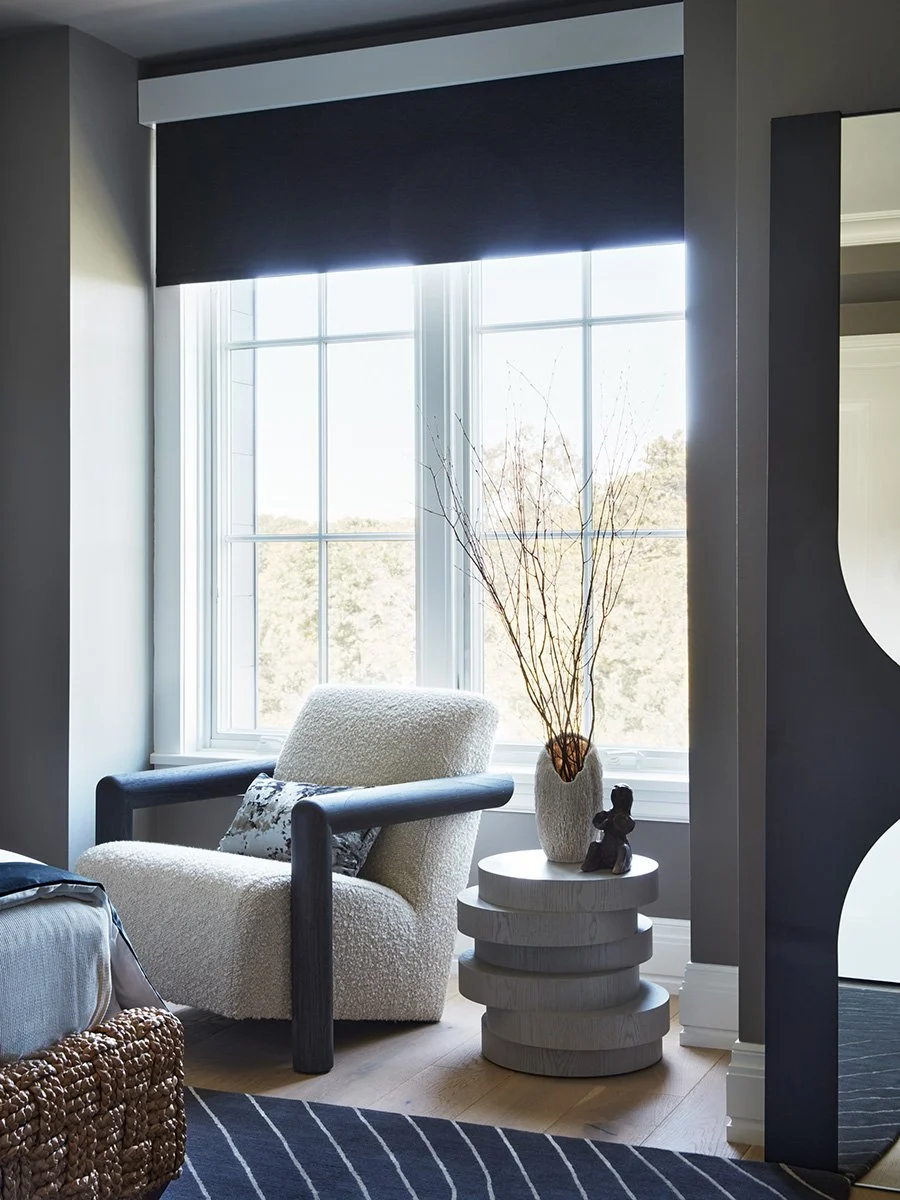
One of the most important steps in mixing wood is understanding undertones. Woods are not just light or dark. They carry subtle temperature cues that shape how they interact.
Paying attention to undertones helps avoid visual tension. When undertones align, contrast feels intentional. Even varied finishes can feel harmonious when the underlying temperature is consistent.
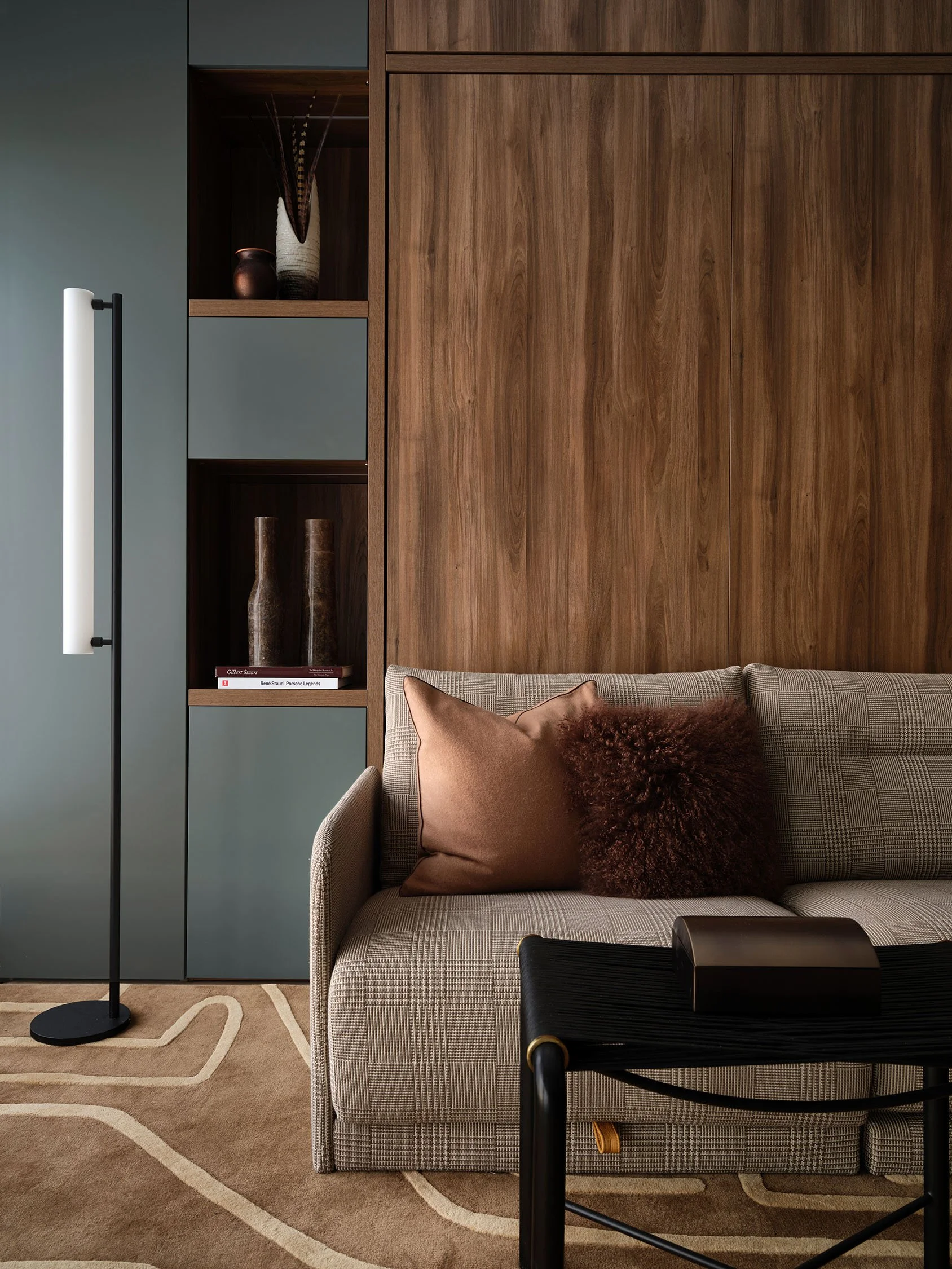
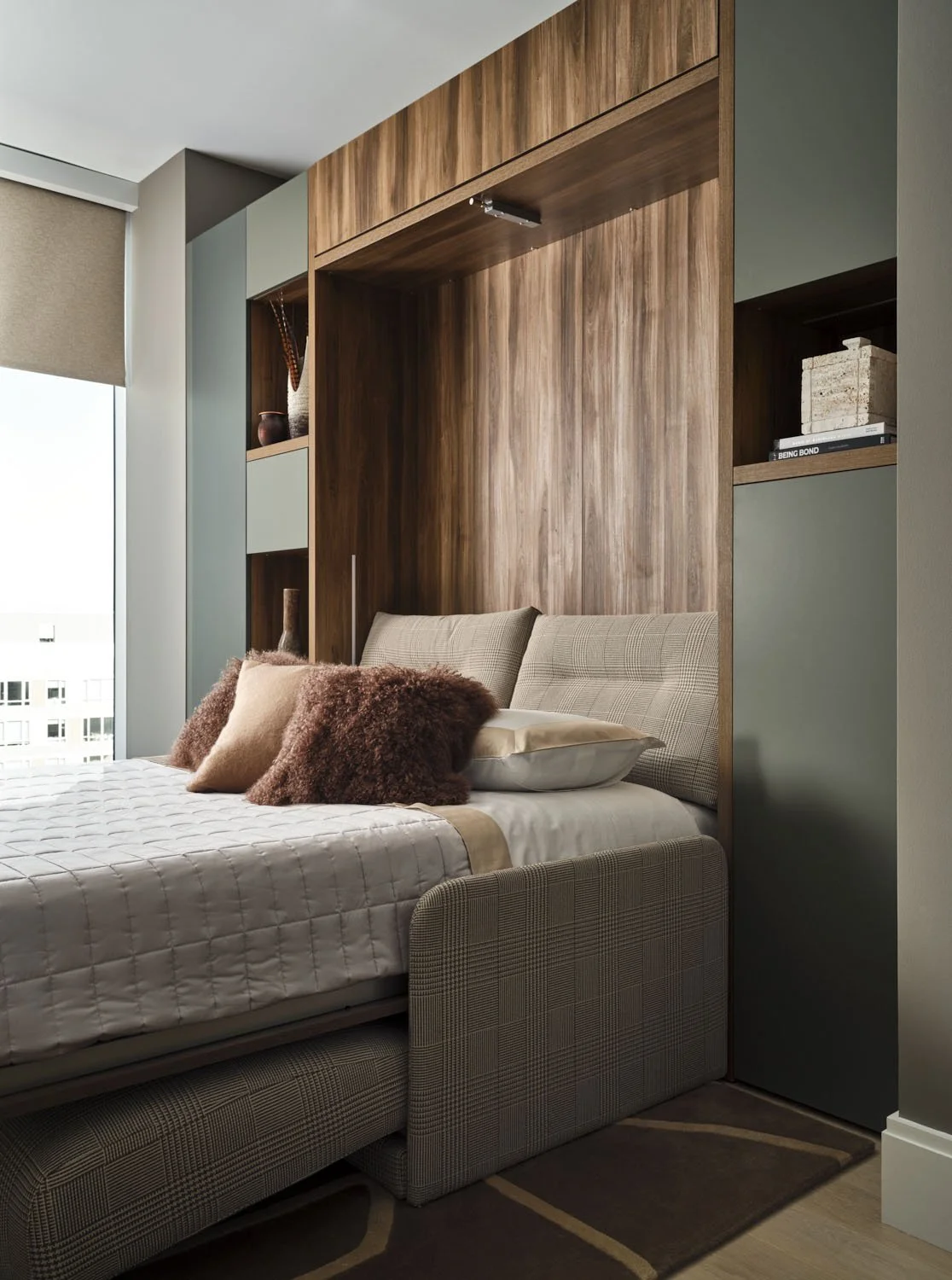
See how we mixed warm and cool wood tones in Nautical Noir.
Start with a dominant wood
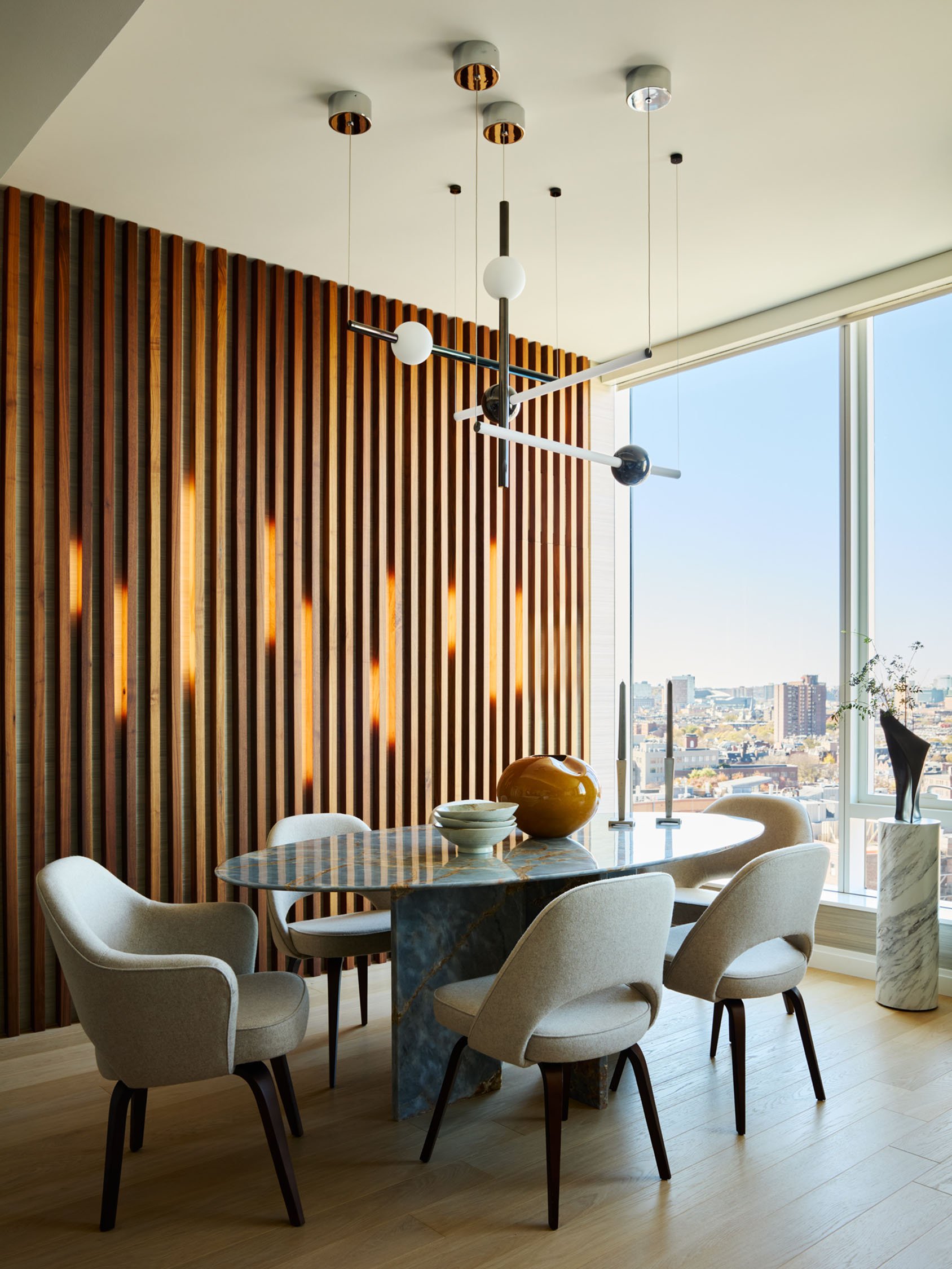
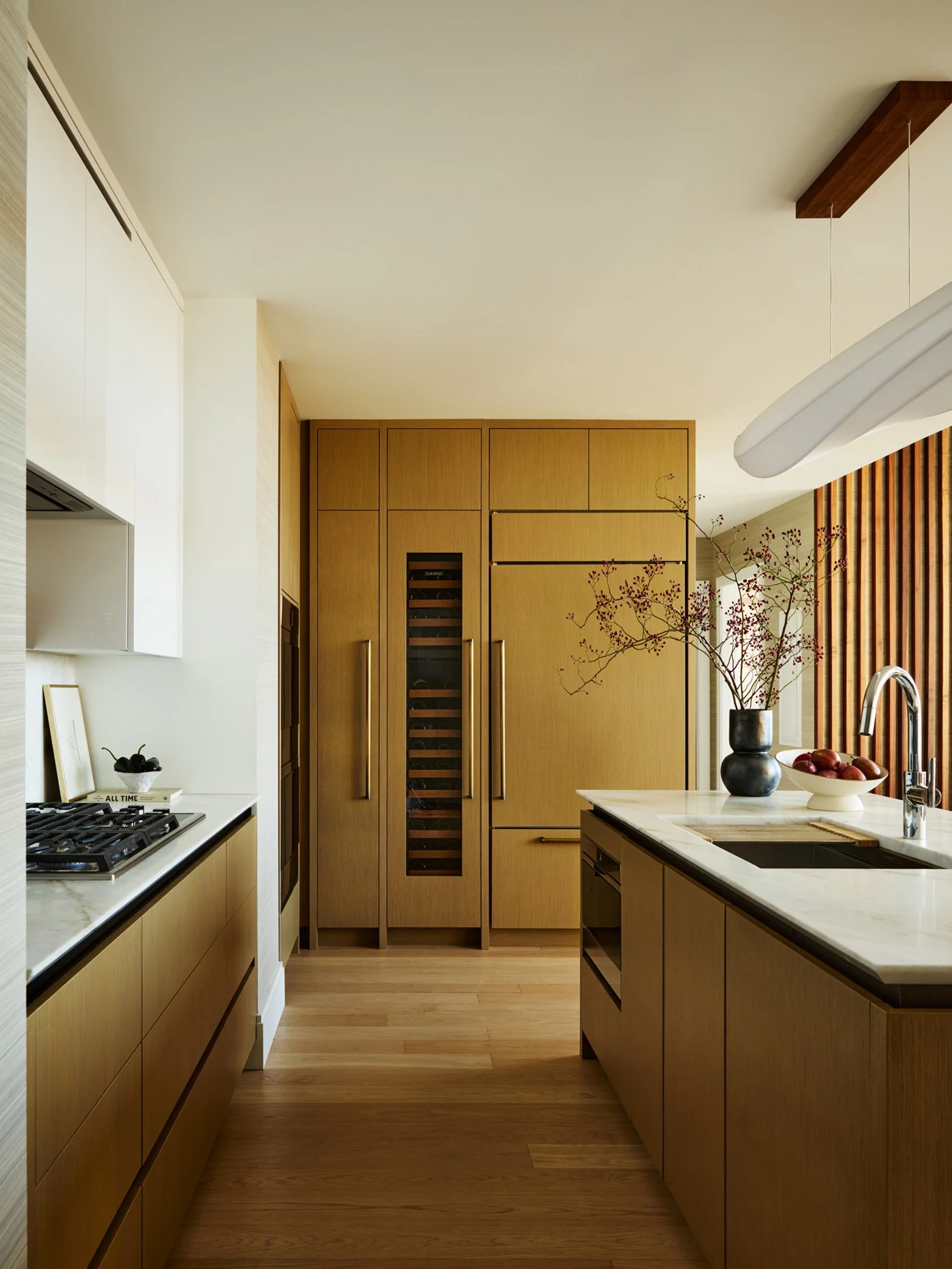
Every space can benefit from an anchor. A dominant wood tone gives the eye a place to settle and sets the direction for other choices. In many homes, this anchor is wood flooring, but it can also be built-ins, ceiling beams, or a large furniture piece.
Once the anchor is identified, other woods can support it. Repeating that main tone in smaller ways helps maintain continuity. This might show up in shelving, trim details, or accent pieces.
Without a clear starting point, rooms can feel like collections of unrelated items. A dominant tone provides structure while still allowing flexibility.
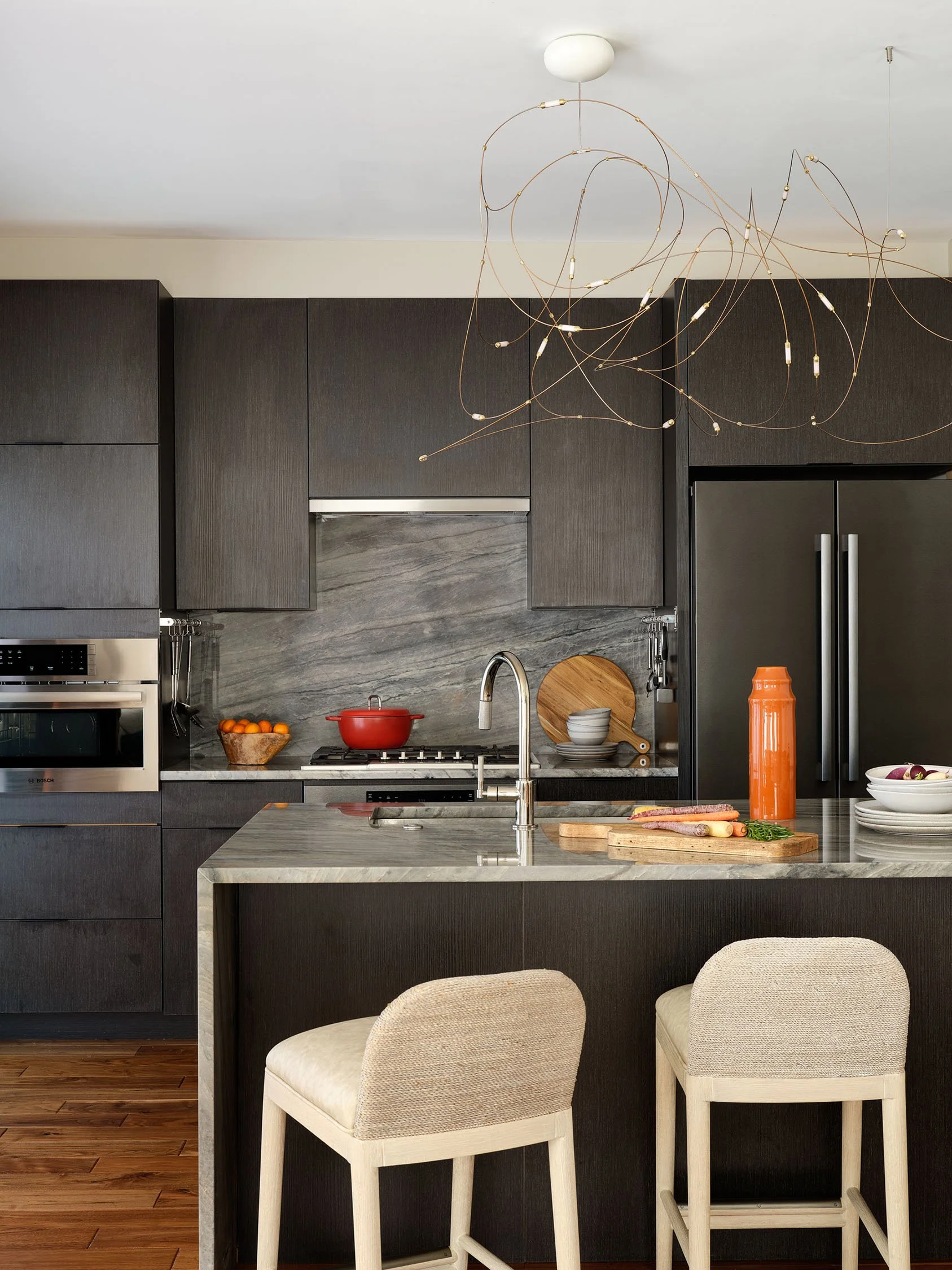
See how we created dominant tones in Skyline Sophistication.
Effective rules for mixing wood tones
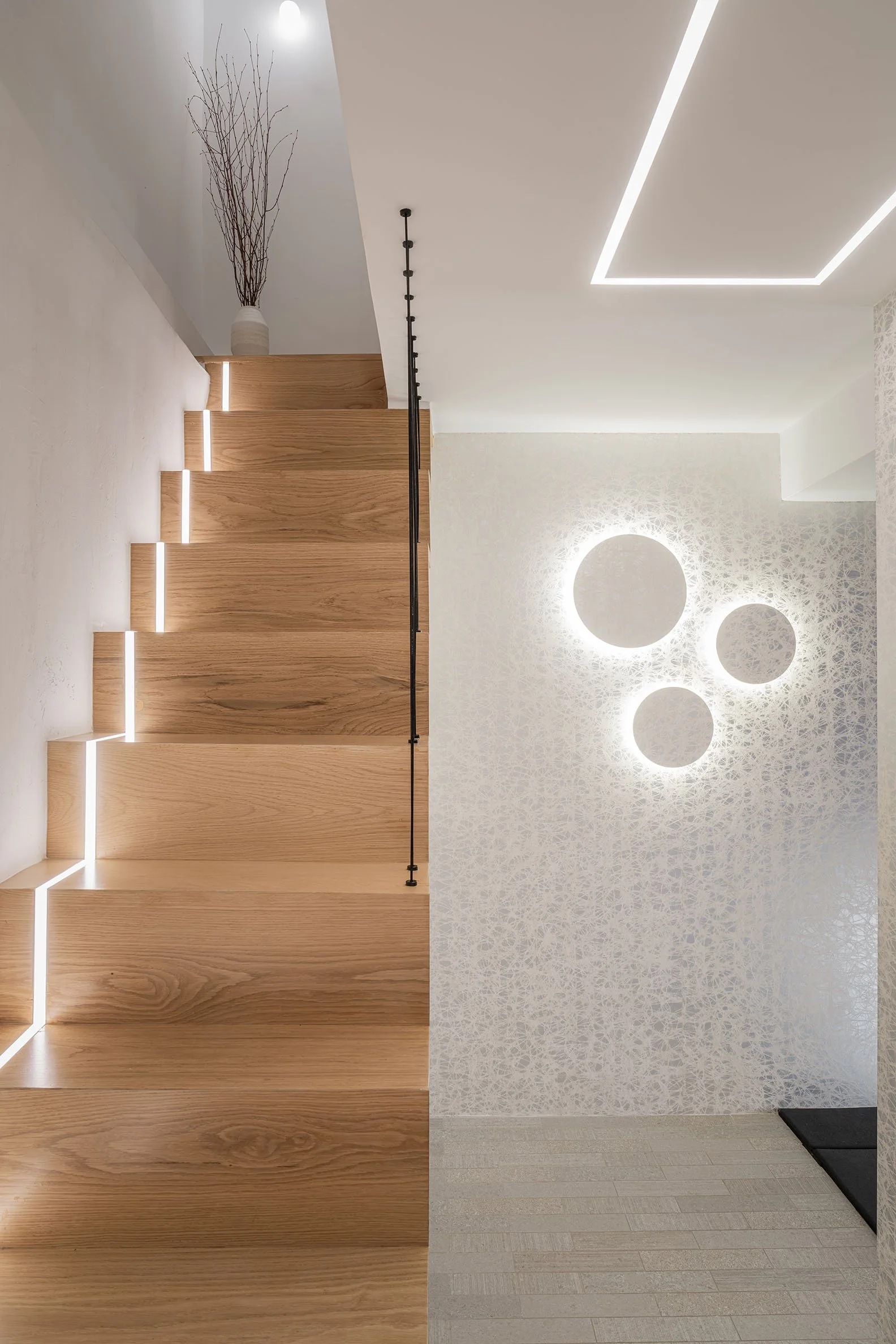
Mixing wood successfully comes down to a few clear principles including:
Limit the number of tones
Sticking to two or three distinct wood tones keeps the palette easy to read. Pattern, grain, and texture can add interest without introducing too many competing colors.Pair compatible undertones
Woods with a warm undertone tend to work best together, as do woods with a cool undertone. Neutral woods can help connect tones when both are present in the same space.Use contrast with purpose
Combining light, medium, and dark woods adds depth and helps define areas within open layouts, such as separating a dining space from a living area.Repeat each tone more than once
Reintroducing each wood tone at least twice helps create visual appeal. It also keeps the space feeling deliberate. This can be done through furniture, millwork, or smaller wood accents.
These guidelines reflect how our designers approach balance when working with multiple wood tones in a single space.
Integrating wood with other materials
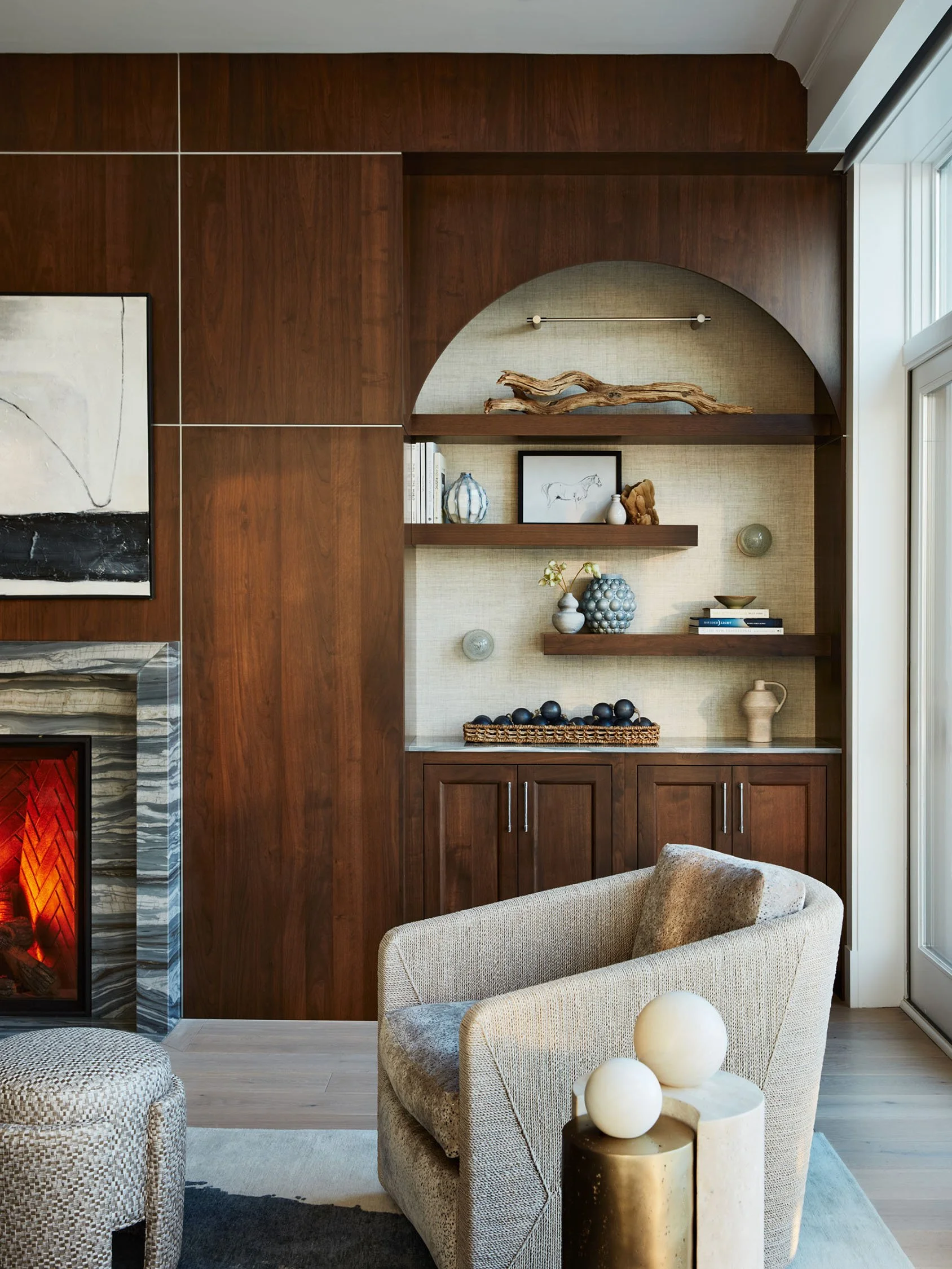
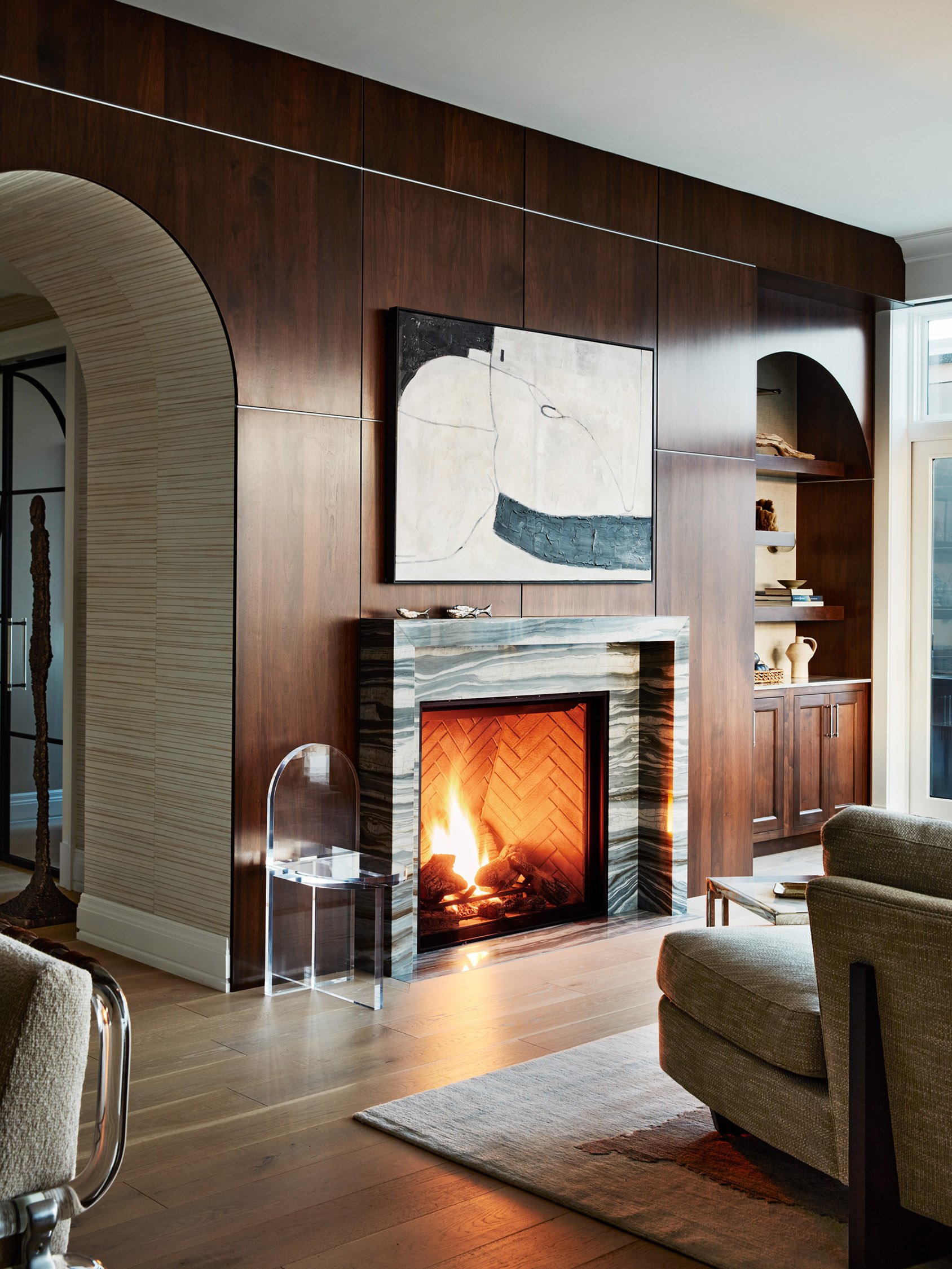
Wood rarely stands alone. Stone, metal, plaster, tile, and textiles all influence how wood is perceived. These materials can ground a mix of tones and give the eye a break. When wood variation feels supported by other textures, the mix reads as balanced instead of busy.
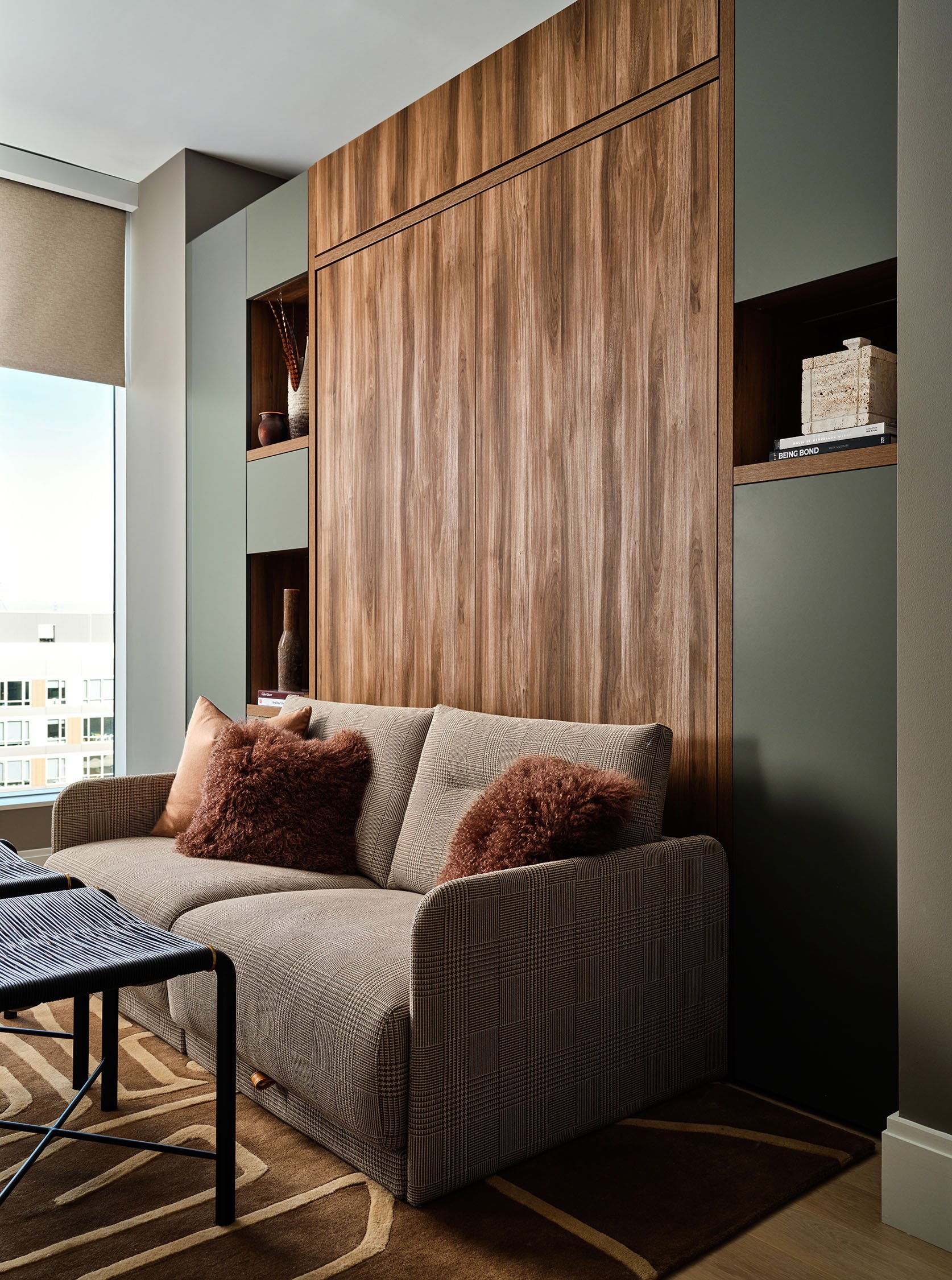
Painted surfaces often act as visual pauses, allowing wood variation to feel calculated. Fabrics like linen, wool, and leather soften hard surfaces. They can even prevent the space from feeling overly saturated with natural material.
Finish, grain, and aging matter
Finish choices have a strong impact on how wood reads. Oil-based finishes deepen color and highlight grain, while water-based finishes often appear lighter and more neutral. Cerused finishes can introduce contrast by emphasizing grain texture.
Grain scale also matters. A bold wood grain can dominate visually, while a finer grain feels quieter. Mixing grain sizes can work well when done with restraint.
Sheen should not be overlooked. Matte finishes feel softer and more natural, whereas higher sheens reflect light and draw attention. Over time, wood also changes. Exposure to light and air can shift wood color, so it helps to consider how pieces will age together.
Sustainability and smart wood use
Thoughtful design also considers sourcing as well as longevity. Choosing durable woods for high-use areas and reserving more delicate materials for accent applications supports function as well as sustainability.
Reusing existing wooden furniture, refinishing older pieces, or selecting responsibly sourced materials reduces waste and adds character. A well-considered mix often relies less on quantity and more on quality.


Room-by-room examples
Seeing how these principles come together in real spaces makes wood tone mixing feel more approachable. Below are a few ways wood choices can work across different rooms.
Living Room
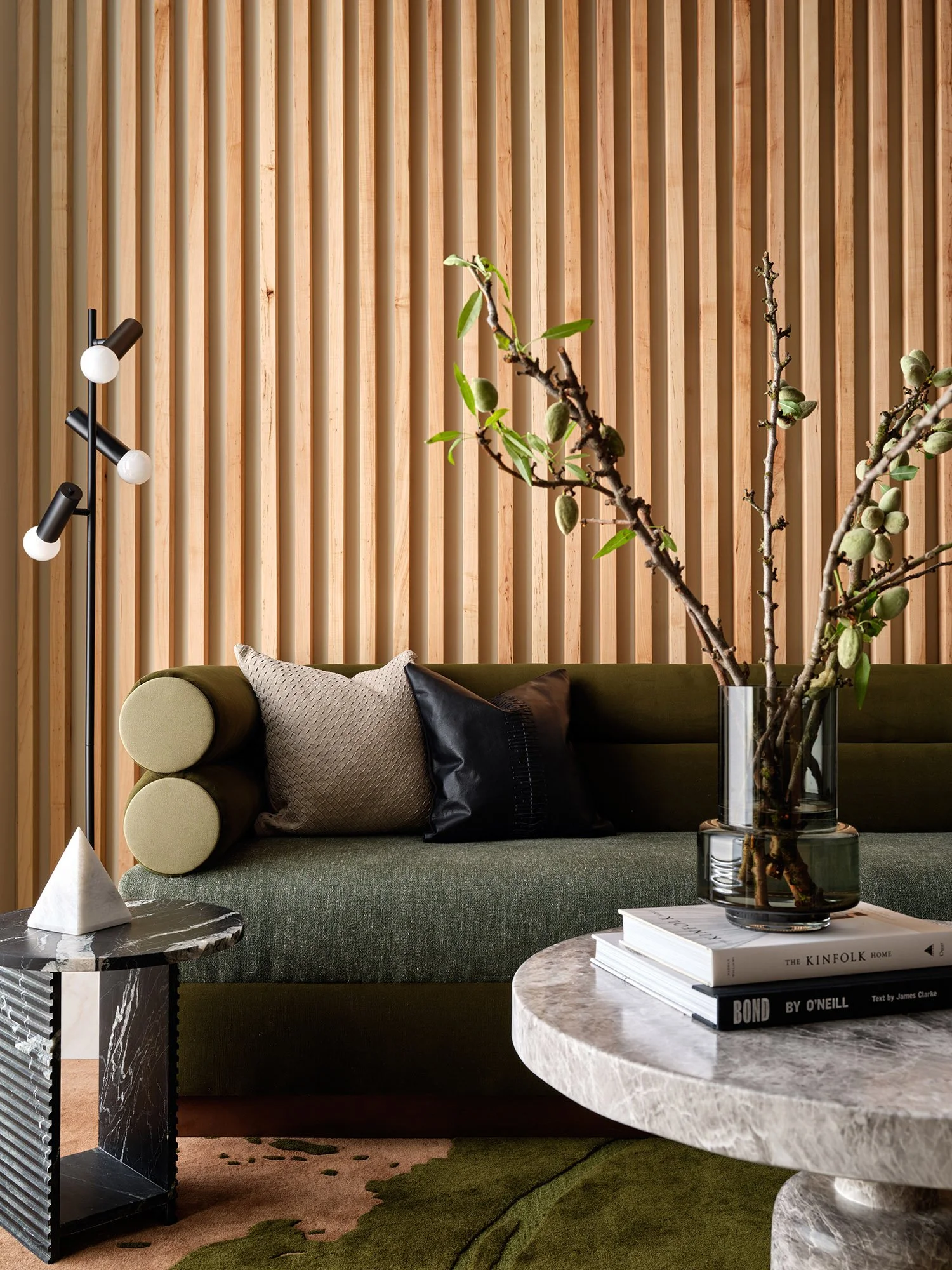
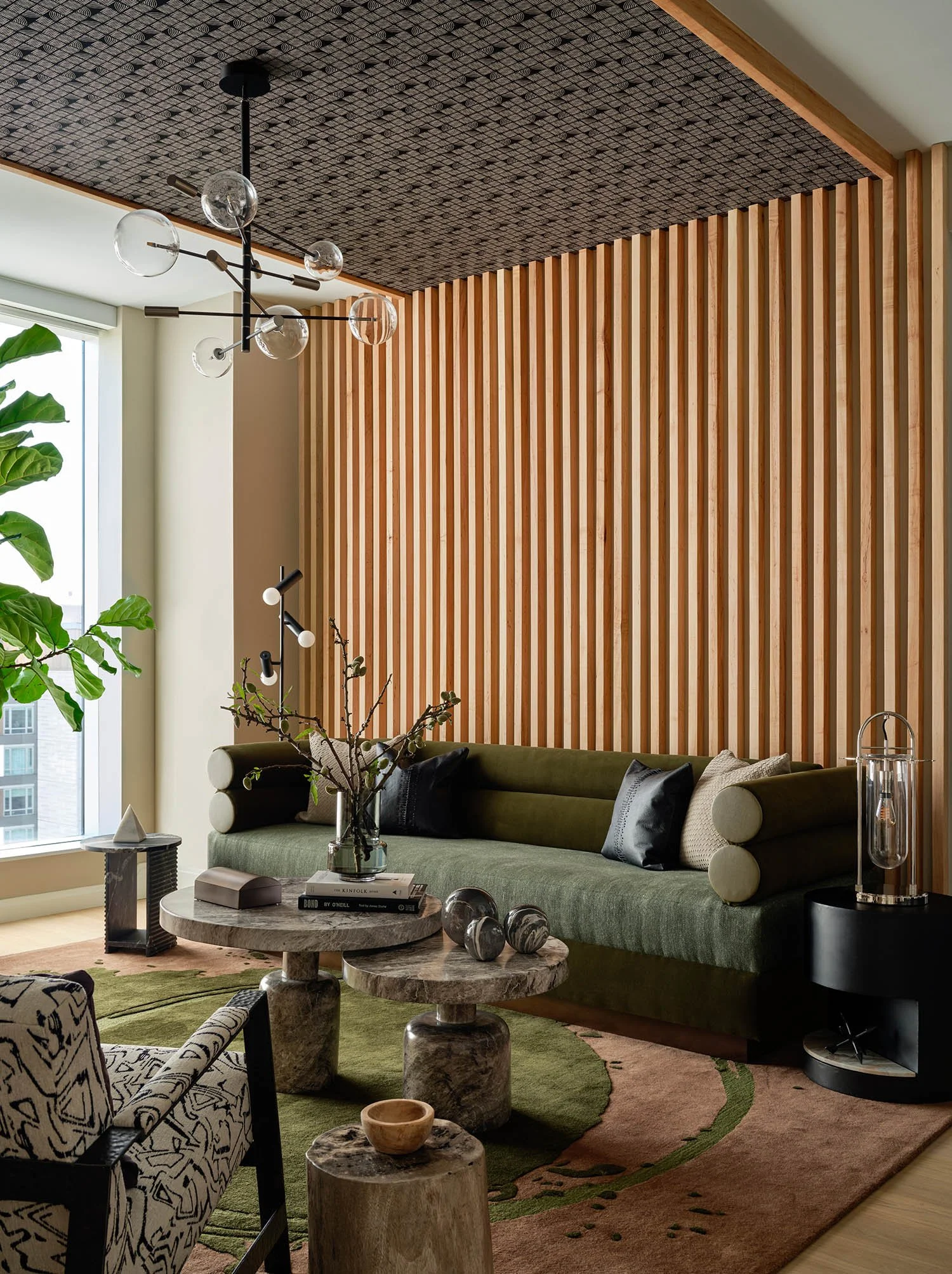
For an inviting living space, a mid-tone oak floor often serves as a strong anchor. A blackened walnut coffee table introduces contrast, while a vertically slatted, naturally oiled, walnut wood wall keep the palette feeling unique and cohesive. Together, these elements support a layered living room design without visual clutter.
Kitchen
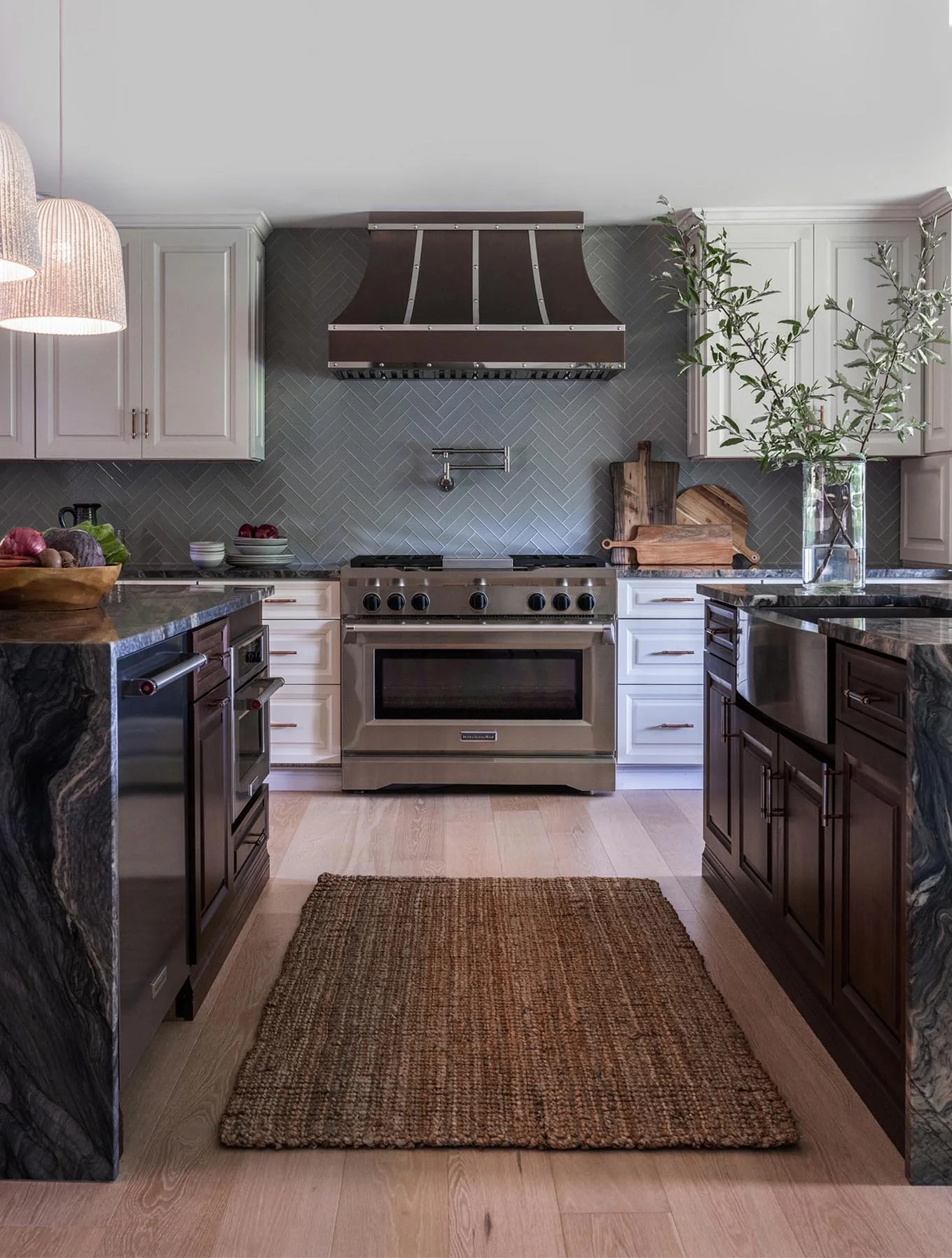
In kitchens, two-tone cabinetry helps establish function along with flow. Dual darken wood islands paired with lighter perimeter cabinets create natural separation, while a bleach white oak floor reference both tones visually link the space.
Bedroom
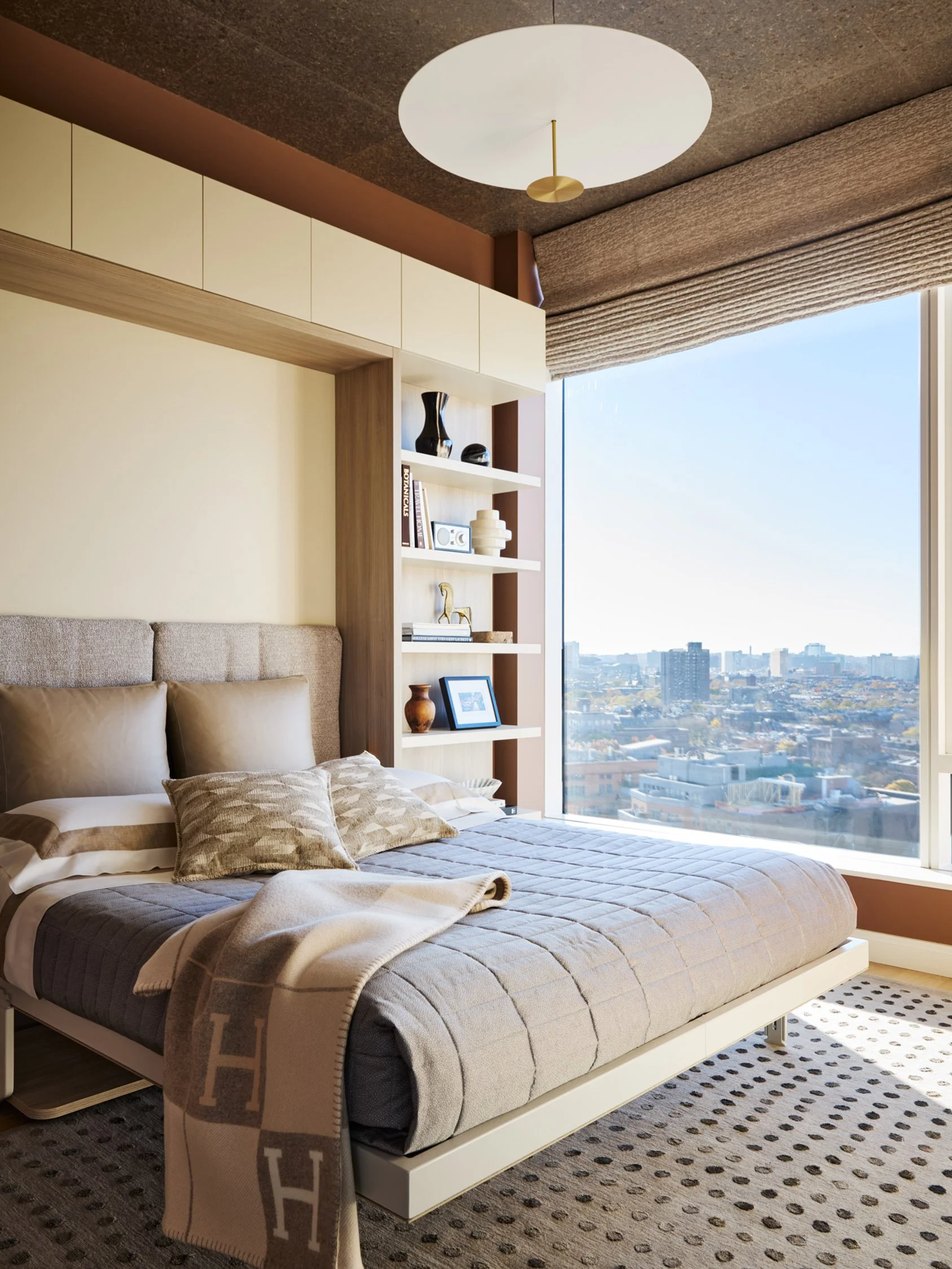
Bedrooms tend to benefit from contrast too. Oil-stained, white oak bedside tables can ground a room, while a lacquered, gray ash wood detail on the bed headboard can add a point of visual interest. A whitewashed maple dresser with a dimensional metal front adds a contrasting material. Don’t forget about a double-bullnose, high gloss wood leg on the bench at the foot of the bed.
Across all rooms, repetition matters more than precision. When wood tones relate to one another, the space feels thoughtfully assembled.

How interior designers approach wood tone mixing
Our experienced interior designers view wood as a family of materials rather than a single shade to replicate. Each piece plays a role in the larger composition. Purposeful contrast adds interest. Wood layers engage the senses through texture, warmth, and visual depth. This approach helps spaces feel authentic.
Typically, we begin by studying light, finish, grain, and use case before selecting additional wood tones. The result is a space that feels natural.
Mix with intention
Mixing wood tones is not about rules for the sake of rules. It is about awareness as well as choice. When balance, undertones, and context guide decisions, wood variety becomes an asset, not a risk.
If you're exploring how to pair materials or update a space that already includes multiple woods, the team here at Trevor Fulmer Design can help guide the process. We invite you to explore our portfolio or reach out to discuss how our approach to material layering can bring new life to your home.
Interested in learning more? Explore our portfolio or contact us to start your project.
