
Tips for Home Lighting from Trevor Fulmer Design
Use lighting as a foundation, not a finishing touch.
Lighting is often one of the last decisions made during a project. Fixtures are selected after finishes, furniture, and layouts have already been finalized. By then, opportunities to improve how the space functions and feels have often been missed.
Lighting influences far more than visibility. It shapes how materials look, where your eye naturally goes, and how comfortable a room feels at different times of day. That's why lighting should be considered long before the fixtures are selected.
Blog Contributor:
Trevor Fulmer

“Lighting determines what you notice, what recedes, and what matters.”
— Trevor Fulmer
Plan lighting early in the design process
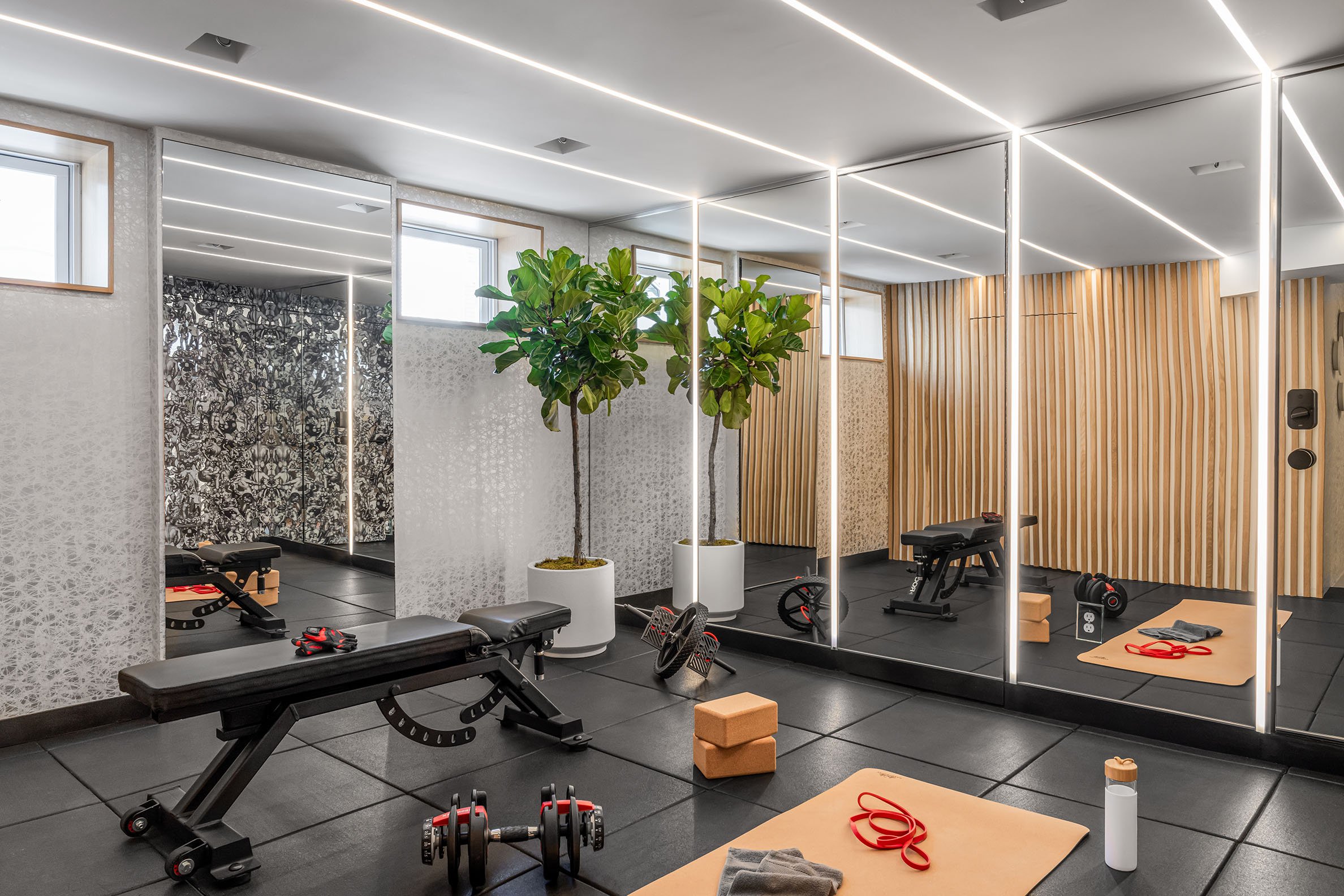
Lighting should be planned with the architecture, not added after it. That requires lighting to be considered alongside ceiling heights, millwork, furniture placement, window locations, and even traffic patterns. A fixture centered in the room may not align with the seating area, while a pendant selected before the furniture plan is finalized can end up in the wrong location.
Planning lighting early allows wiring to be placed where it's needed. It also aligns fixtures with cabinetry, circulation paths, and creates independent lighting zones.
This level of planning is especially valuable in multi-use spaces. A kitchen often benefits from separate lighting for food preparation, dining, and display shelving, while a living room may combine ceiling fixtures, sconces, and lamps to support different activities throughout the day.
Coordinating these elements from the beginning creates a lighting plan that works with the room and doesn’t compete with it.
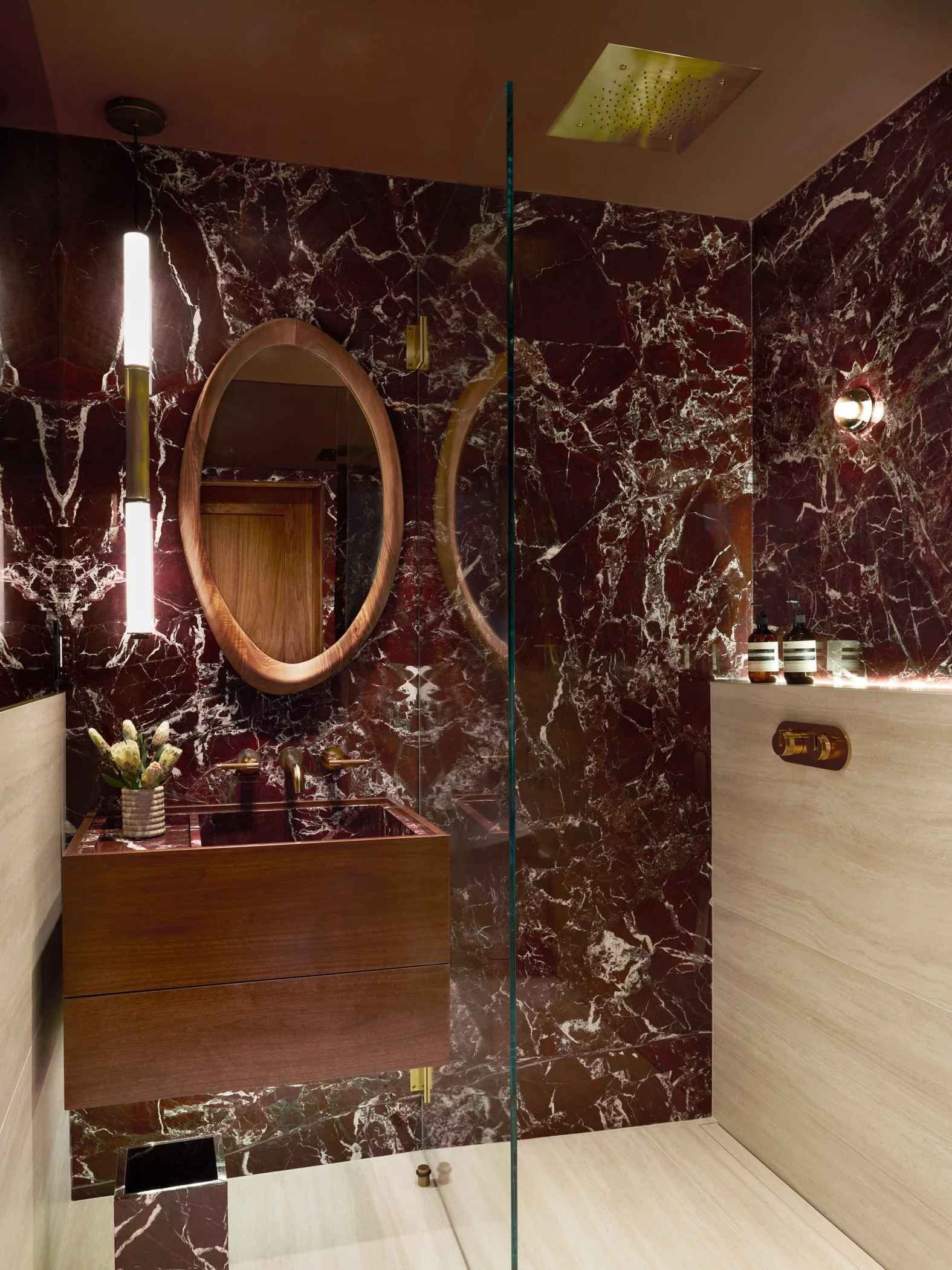
Ambient lighting provides overall illumination and establishes the foundation of the lighting plan. It often comes from recessed fixtures, ceiling-mounted lights, cove lighting, or other indirect sources.
Task lighting delivers focused illumination where it's needed most, such as kitchen islands, reading chairs, bathroom vanities, or workspaces. Placing it where activities take place improves both comfort and functionality.
Accent lighting draws attention to architectural features, artwork, built-ins, textured surfaces, or other design elements, adding visual interest.
The most effective lighting plans balance all three layers. Relying too heavily on overhead lighting can make a room feel flat, while task or accent lighting alone rarely provides enough illumination to support the space as a whole.
Layer ambient, task,
and accent lighting
A single light source cannot fully illuminate a room. Effective lighting plans combine ambient, task, and accent lighting so that each layer serves a distinct purpose.
A kitchen may need bright lighting during meal preparation, then a softer setting once people gather. A dining room should transition from practical illumination to a more intimate atmosphere, while bedrooms benefit from lighting that can be adjusted for reading, relaxing, or winding down in the evening.
Dimmers also improve how fixtures and finishes are perceived. Even a well-designed lighting plan can feel harsh if every fixture operates at full output all the time. Having control over light levels lets you to create a more comfortable environment while also allowing the room to adapt throughout the day.
Use dimmers to control mood
and flexibility
Installing dimmers is one of the simplest ways to make lighting more adaptable. A room rarely needs the same amount of light throughout the day, and adjustable lighting allows each space to respond to changing activities and conditions.
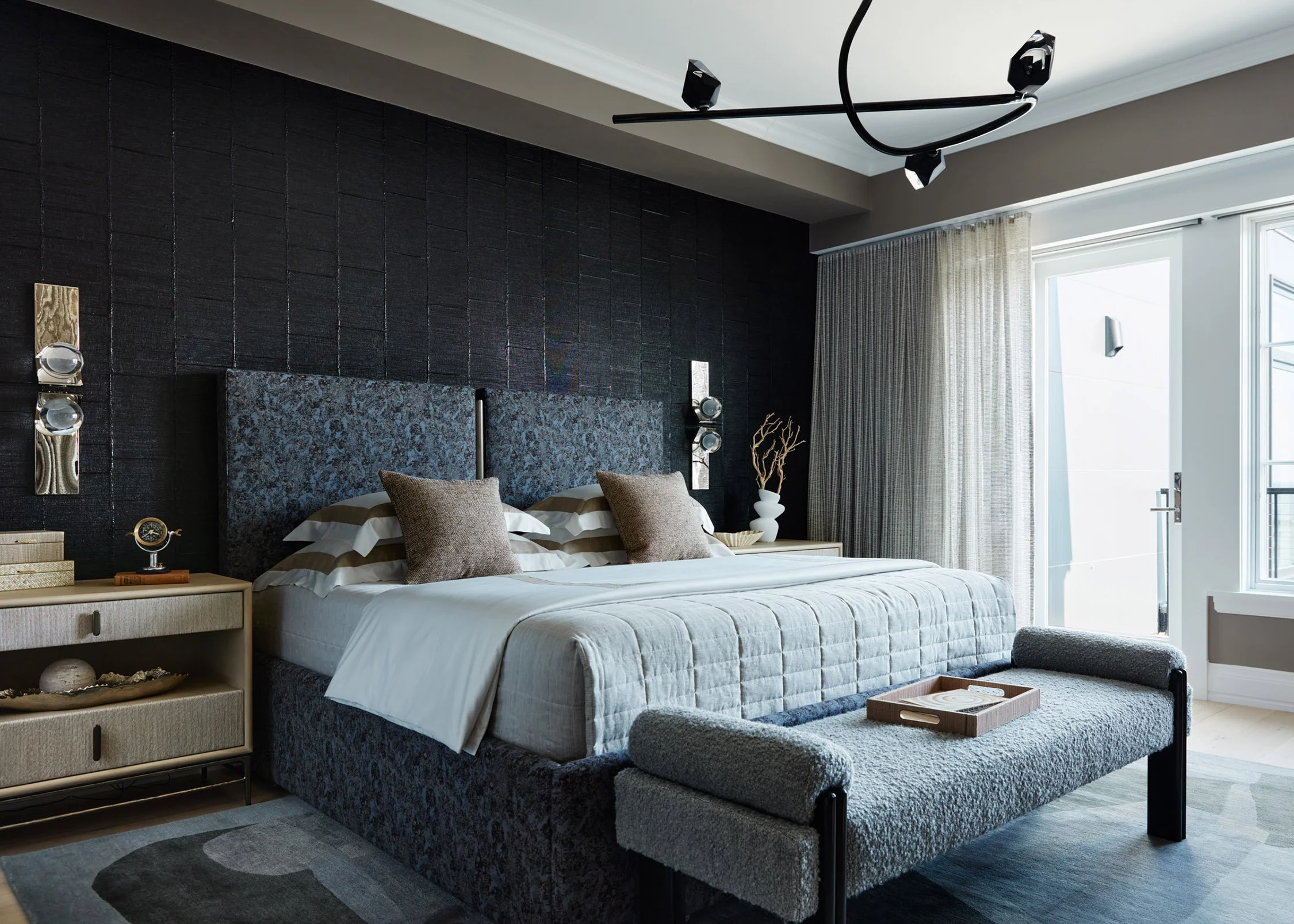
A color temperature around 2700K is often well suited for living spaces because it creates warmth without appearing overly yellow. Maintaining the same color temperature throughout a room is equally important. A warm table lamp paired with cool recessed lighting creates visual inconsistency that can make an otherwise well-designed space feel unsettled.
Ideally, contrast should come from light placement, intensity, and layering – not mismatched bulb temperatures. Keeping color temperature consistent allows architectural details, furnishings, and finishes to work together as intended.
Stick to warm, consistent
color temperatures
Color temperature has a significant impact on how interior finishes are perceived. In most residential interiors, lighting above 3000K can appear too cool, making wood, stone, paint colors, and upholstery
feel less inviting.
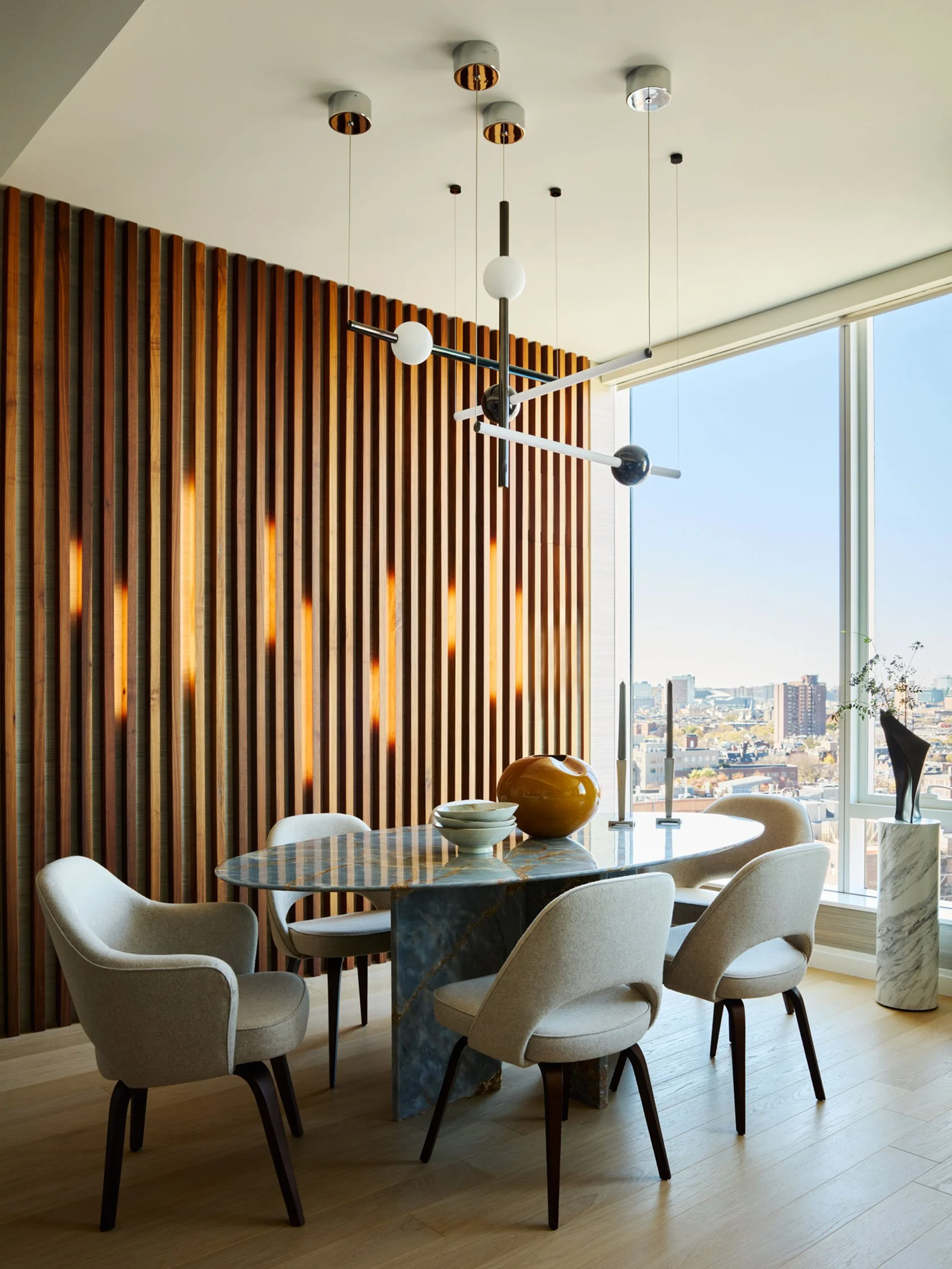
Proportion has a significant impact on the overall design. A pendant that's too small can feel disconnected from the room, while an oversized fixture may overwhelm nearby furnishings or architectural details. Ceiling height, furniture placement, and the visual weight of surrounding elements should all influence fixture selection.
Material and finish shape the character of a space just as much as the fixture itself. Brass, bronze, plaster, glass, ceramic, wood, and linen each create a different visual effect, so they should complement the home's architecture and interior palette. The strongest lighting plans coordinate these details without requiring every metal or finish to match exactly.
Select fixtures that complement
the architecture
Lighting fixtures should reinforce a home's architectural style and interior design. A statement fixture can become a focal point, but its scale, material, and finish should still feel appropriate for the surrounding space.

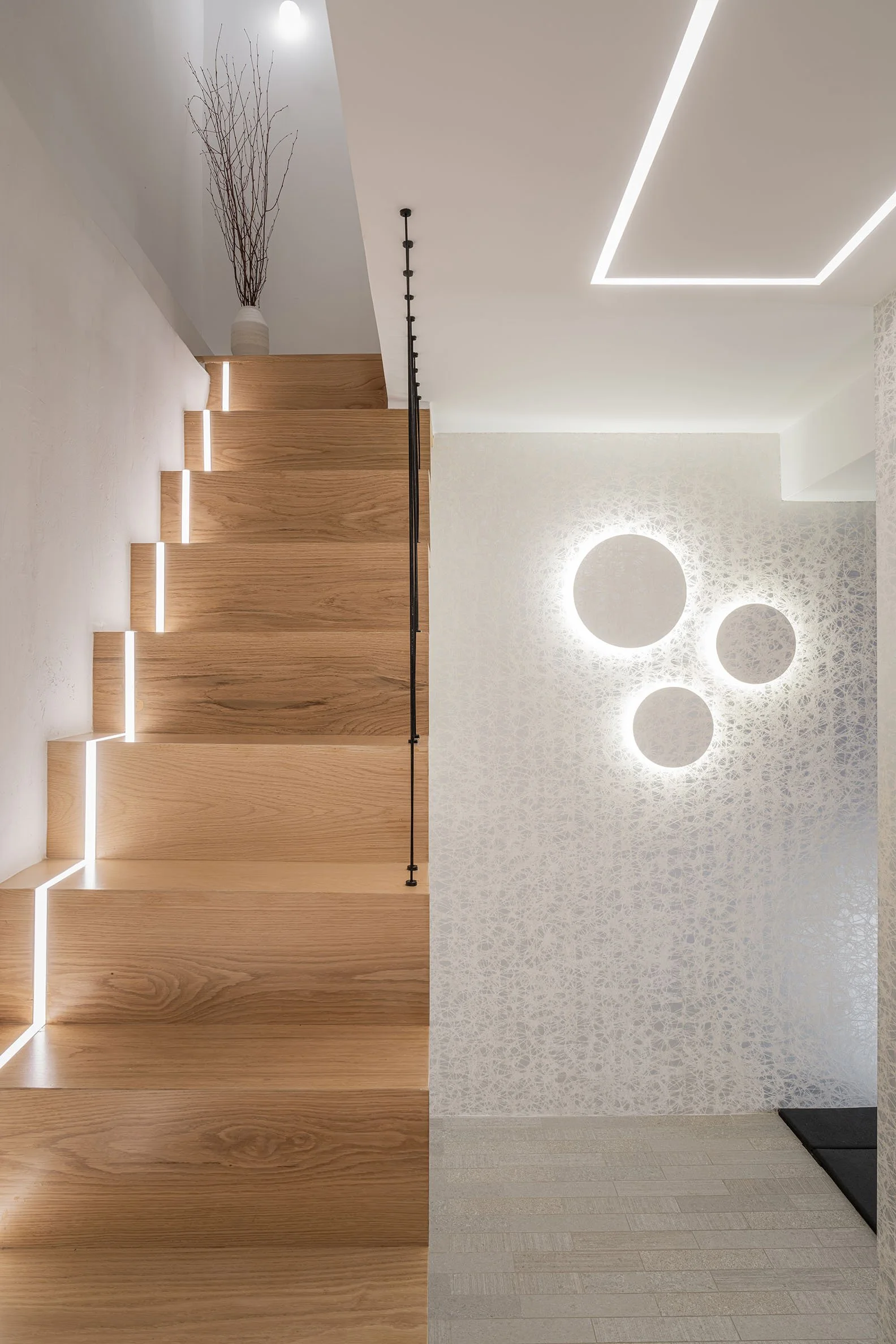
Picture lights, directional recessed fixtures, cabinet lighting, and concealed LED strips are all inspiring approaches to placing emphasis without overpowering the room. This is because careful placement directs the eye naturally and adds dimension by creating contrast between focal points and surrounding surfaces.
Often, successful accent lighting relies on restraint. Highlighting only the features that deserve attention creates greater visual impact and gives the room a stronger sense of depth.
Highlight what matters
Every room benefits from a clear focal point, and lighting plays an important role in drawing attention to the features that define the space. Architectural details, artwork, fireplaces, built-ins, textured materials, and
curated décor all become more impactful when
they're intentionally illuminated.
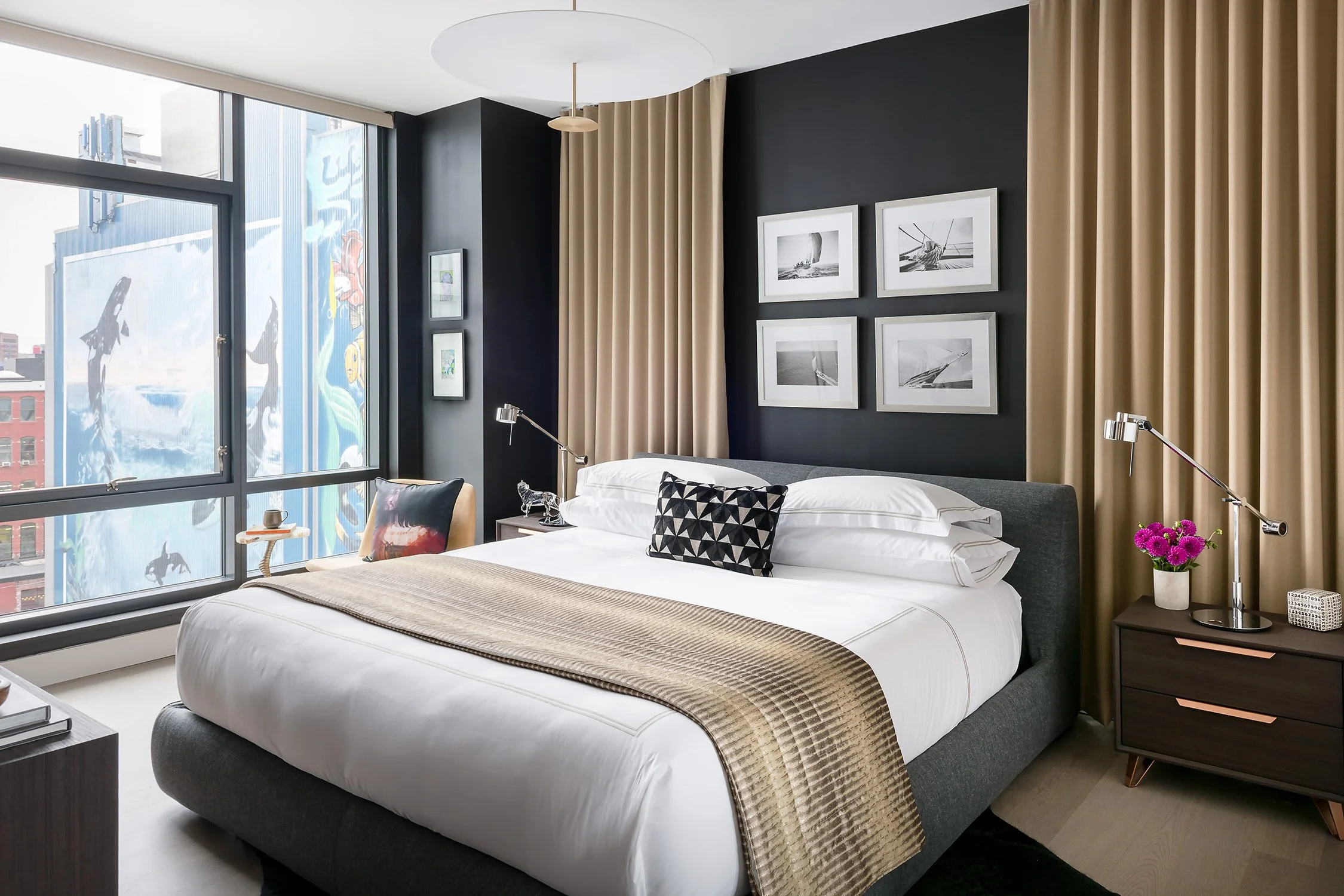
A more effective lighting plan uses multiple light sources at different heights to support both function and atmosphere. Floor lamps can define seating areas, table lamps add warmth to consoles and side tables, sconces provide soft ambient light, and cabinet lighting improves visibility in kitchens. Recessed fixtures also have a place, but they work best when they're positioned to support the layout instead of filling the ceiling with a uniform grid.
Layering these light sources creates a more balanced environment that feels comfortable throughout the day while allowing different areas of the room to serve different purposes.
Avoid the “big light” mentality
Relying on a single ceiling fixture is one of the most common residential lighting mistakes. While it may provide general illumination, one overhead light rarely distributes light evenly throughout the room. The result is often harsh shadows, overly bright areas, and spaces that feel flat or unfinished.

Make the most of natural lighting
Daylight should be one of the first considerations when developing a lighting plan. Before selecting fixtures, evaluate how natural light moves through the home. Notice which rooms receive strong morning sun, which spaces become darker in the afternoon, where direct sunlight creates glare, and which areas receive little natural light throughout the day.
These patterns influence both fixture placement and the amount of artificial lighting each room needs. Bright spaces may require only subtle lighting during the day but benefit from additional layers in the evening. Rooms with limited daylight often need more carefully placed fixtures and lighter finishes to create a balanced, welcoming environment. Window treatments also play an important role, as sheers, woven shades, lined drapery, and shutters all affect how daylight enters and diffuses throughout the space.
A lighting plan should account for how a room functions after sunset as well. Spaces that feel inviting during the day often require additional layers of artificial light at night to maintain the same sense of warmth, depth, and visual balance.
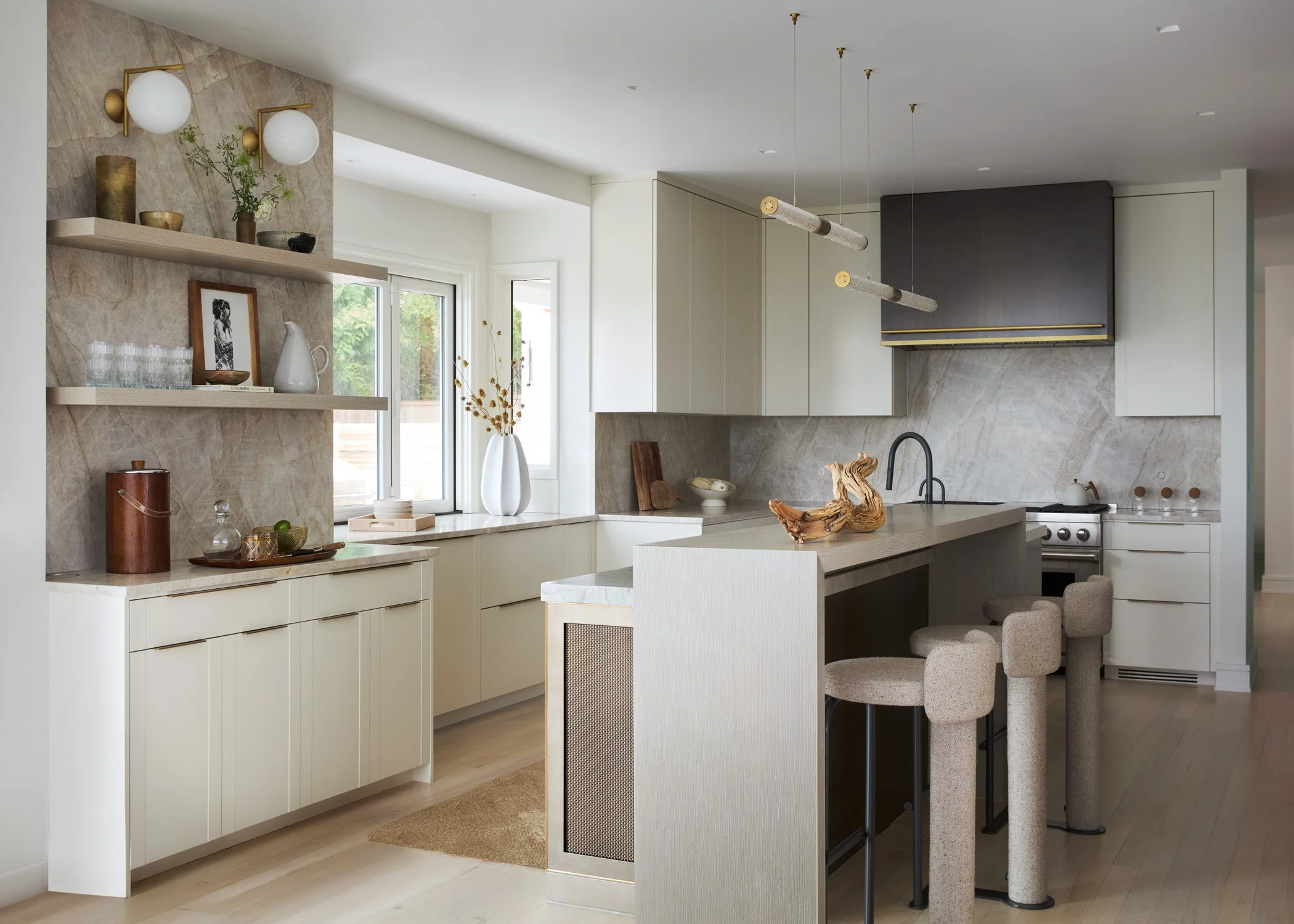
Timers, occupancy sensors, and scheduled exterior lighting can also improve convenience while reducing unnecessary energy use. These features are especially beneficial in larger homes or spaces with multiple lighting layers, where managing each fixture independently can become cumbersome. Grouping lights by room or activity creates a more intuitive experience and allows the lighting to adapt as the needs of the space change.
The effectiveness of a smart lighting system still depends on a well-designed lighting plan. Thoughtful fixture placement, appropriate color temperature, and layered lighting provide the foundation, while automation makes those design decisions easier to use every day.
Incorporate smart home lighting
Smart lighting adds value when it simplifies how a home is used every day. Instead of adjusting individual fixtures throughout the house, you can create lighting scenes that match common activities, such as cooking, dining, reading, entertaining, or winding down for the evening.

Organize controls around how each space is used instead of grouping every fixture on the same switch. In a kitchen, island, under-cabinet, and ceiling lighting should operate independently. In a living room, lamps, sconces, and overhead fixtures are easier to manage when they have separate controls, allowing each layer to be adjusted as needed.
Simple organization also improves the user experience. Clear labels such as "Kitchen Island" or "Evening" are easier to navigate than overly detailed names, and reliable compatibility between apps, voice assistants, dimmers, and fixtures helps prevent connection issues or delayed responses.
Configure your smart lighting
for simple, intuitive control
The right system depends on the scope of the project. Bulb-based solutions can work well for smaller updates, while smart switches and fully integrated systems are often better suited for larger homes or full renovations where multiple lighting zones
need to work together.
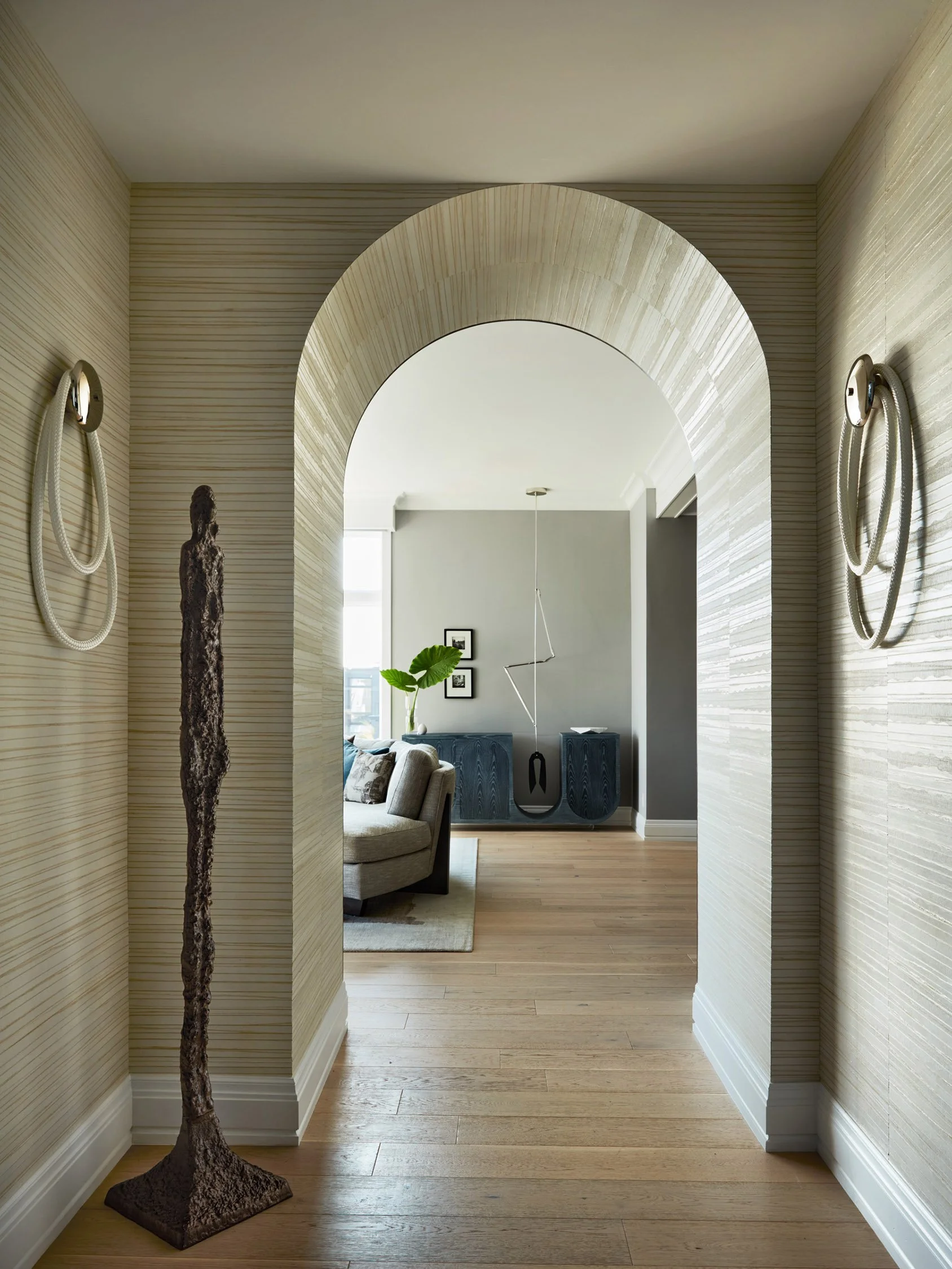
Wall sconces can free up valuable surface space, flush-mount fixtures may add character without overwhelming low ceilings, and picture lights or narrow table lamps can provide targeted illumination in hallways and entryways. Selecting the right fixture for each location allows smaller spaces to feel well-lit without becoming crowded.
Scale is just as important in compact rooms as it is in larger ones. A thoughtfully sized statement fixture can work beautifully, but too many light sources or oversized fixtures can quickly create visual clutter. A layered lighting plan with a few well-placed fixtures often provides all the illumination a small space needs while keeping the room balanced.
Maximize functional lighting for
small spaces
Lighting can have a greater impact in smaller rooms as every fixture affects both the function and visual balance of the space. Choosing fixtures with a clear purpose helps maintain an open feel without sacrificing comfort or usability.
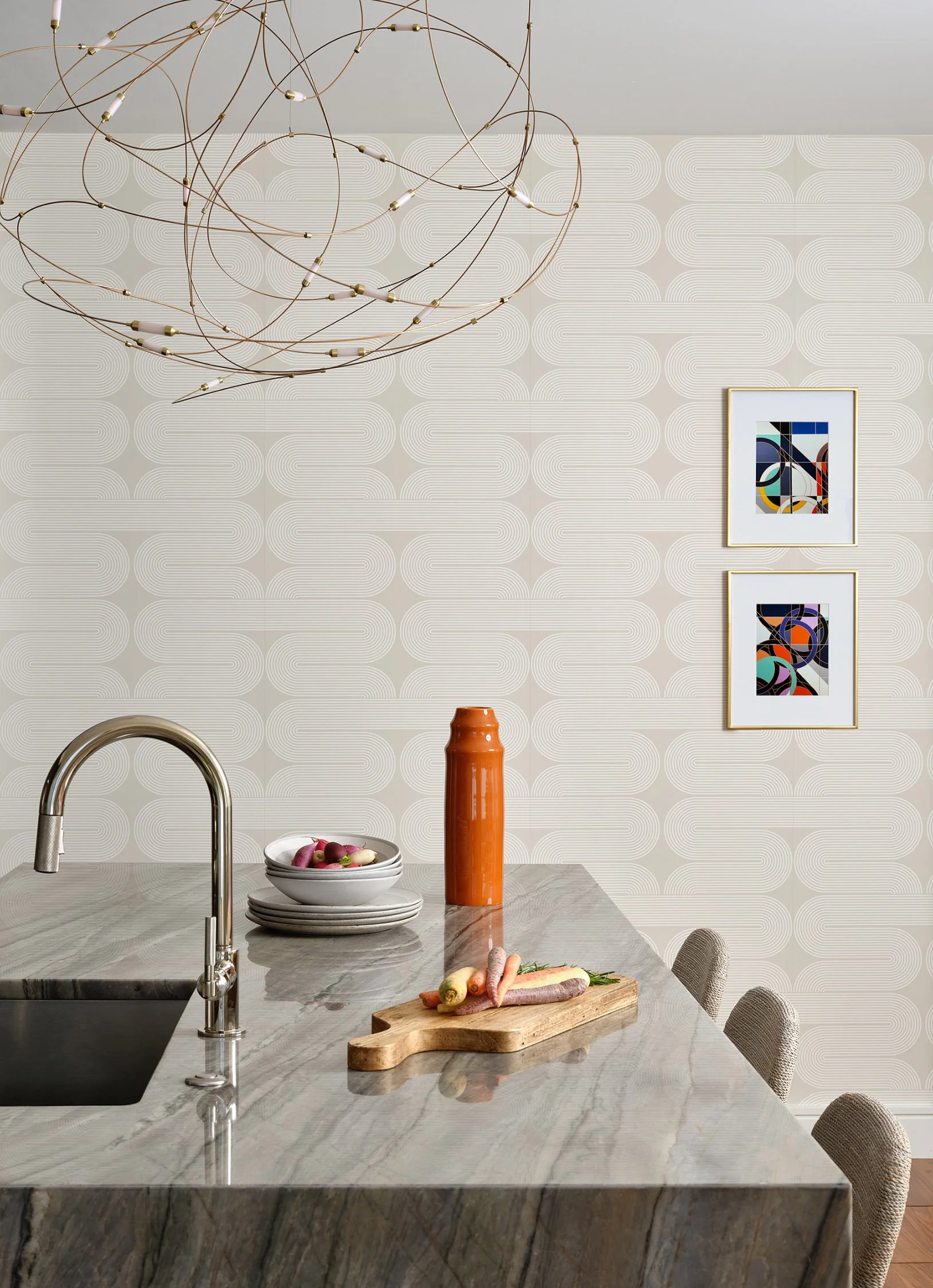
Choose energy-efficient and
eco-friendly lighting solutions
LED lighting has become the preferred choice for residential interiors because it uses less energy, lasts significantly longer than traditional bulbs, and offers better control over dimming and color temperature. Choosing quality LED products is just as important as choosing the fixture itself, since poor color rendering, inconsistent dimming, or flickering can affect how finishes and furnishings are perceived.
When evaluating lighting products, look for LEDs with a warm color temperature, smooth dimming performance, and a high color rendering index (CRI) to accurately showcase paint colors, wood tones, fabrics, and artwork.
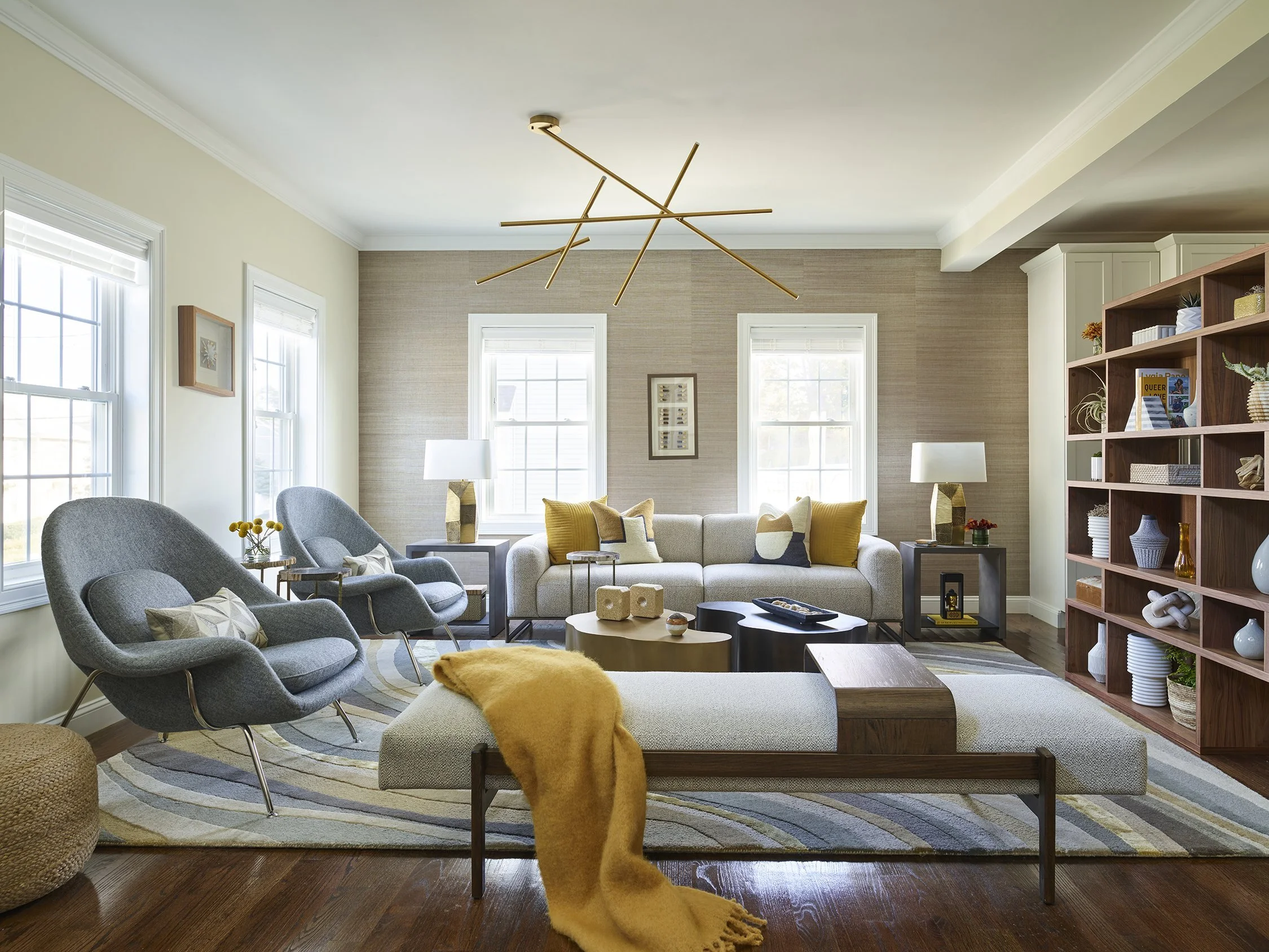
That’s why one of the best lighting tips to follow is to work with the professionals. An experienced electrician or lighting professional can identify potential issues before they become expensive fixes. Proper installation also helps prevent flickering lights, incompatible dimmers, uneven light distribution, and control system problems, so the finished space looks and functions the way it was designed.
Work with Skilled Professionals
for Installation
Even the best lighting plan can be undermined by poor installation. Fixture placement, wiring, dimmer compatibility, and control systems all need to be installed correctly for the design to work as intended.
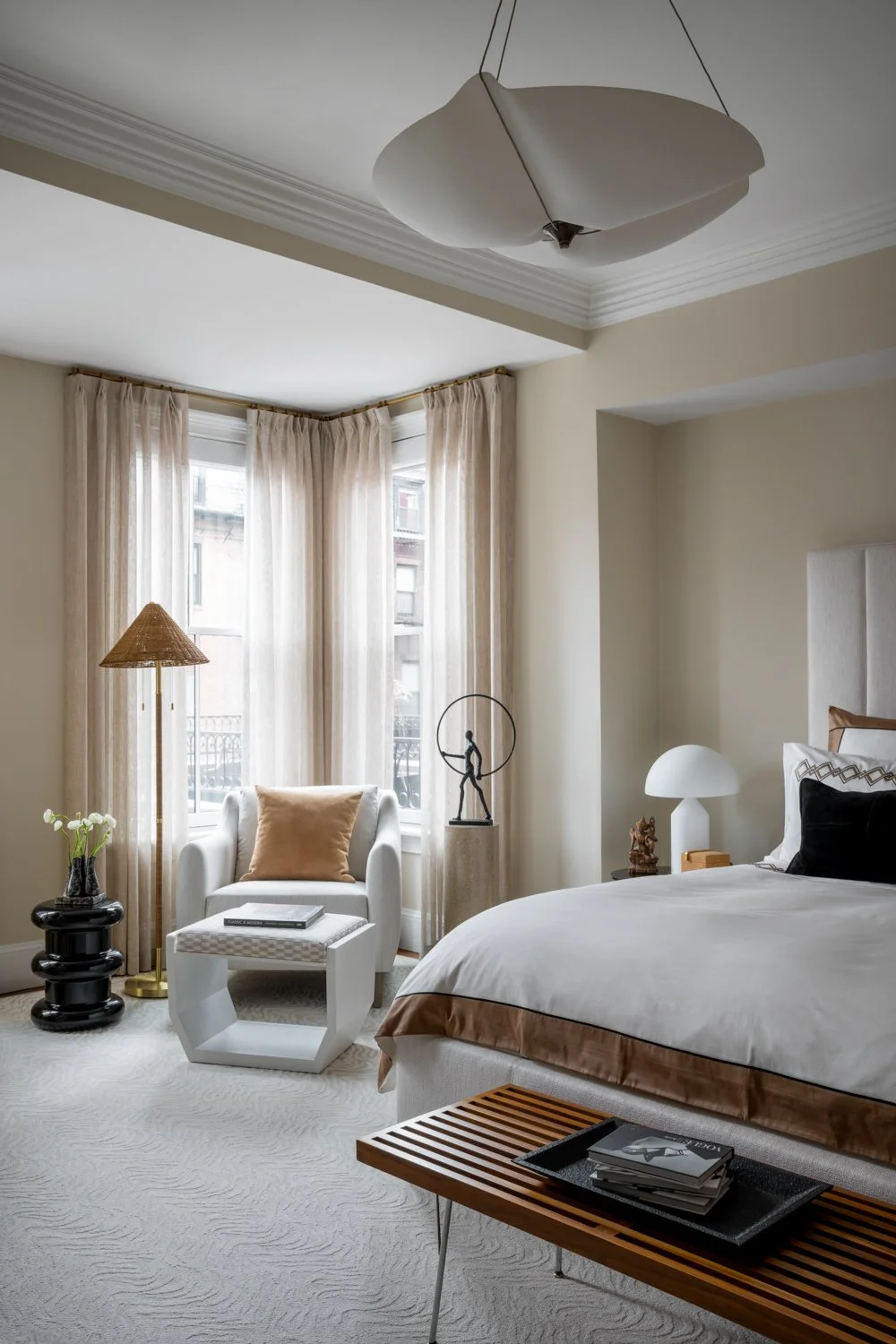
Choosing fixtures that are too small for the space
Hanging pendants or chandeliers at the wrong height
Over-lighting a room to compensate for poor placement
Placing recessed lights in a grid without relation to the layout
Forgetting to light vertical surfaces like walls and cabinetry
Ignoring how lighting changes from day to night
These are not major design failures on their own, but collectively they can make a space feel off, even when everything else is done well.
Avoid these common lighting mistakes
Some lighting issues are obvious while others take time to notice, but once you do, they’re hard to ignore.
Using thoughtful lighting to create better living
A well-designed lighting plan can significantly improve how a home looks, feels, and functions.
If you're building a new home, renovating an existing space, or refining the details of a single room, thoughtful lighting decisions can have a lasting impact on the finished design. Our interior design consultation provides personalized guidance to help you select lighting solutions that fit your goals.
Contact Trevor Fulmer Design for more home lighting advice and see explore we can help create a lighting plan tailored to your home.
