
How to Mix and Match Rugs to Create an Elegant Home
A rug is never just a rug. It sets the tone before furniture settles in, before art finds its place. It shapes how a room is experienced both underfoot and from across the space. Yet most people treat rugs as a final decision, something to “fill in” once everything else is done.
That’s where things fall flat.
The more interesting approach is to think in layers. Not identical pieces repeated room to room, but variation. Understanding how to mix and match rugs starts with letting go of the idea that everything needs to line up perfectly. A home gains depth when pieces relate without mirroring each other.
Blog Contributor:
Trevor Fulmer

“Layered rugs introduce texture, dimension, and a stronger sense of composition.”
— Trevor Fulmer

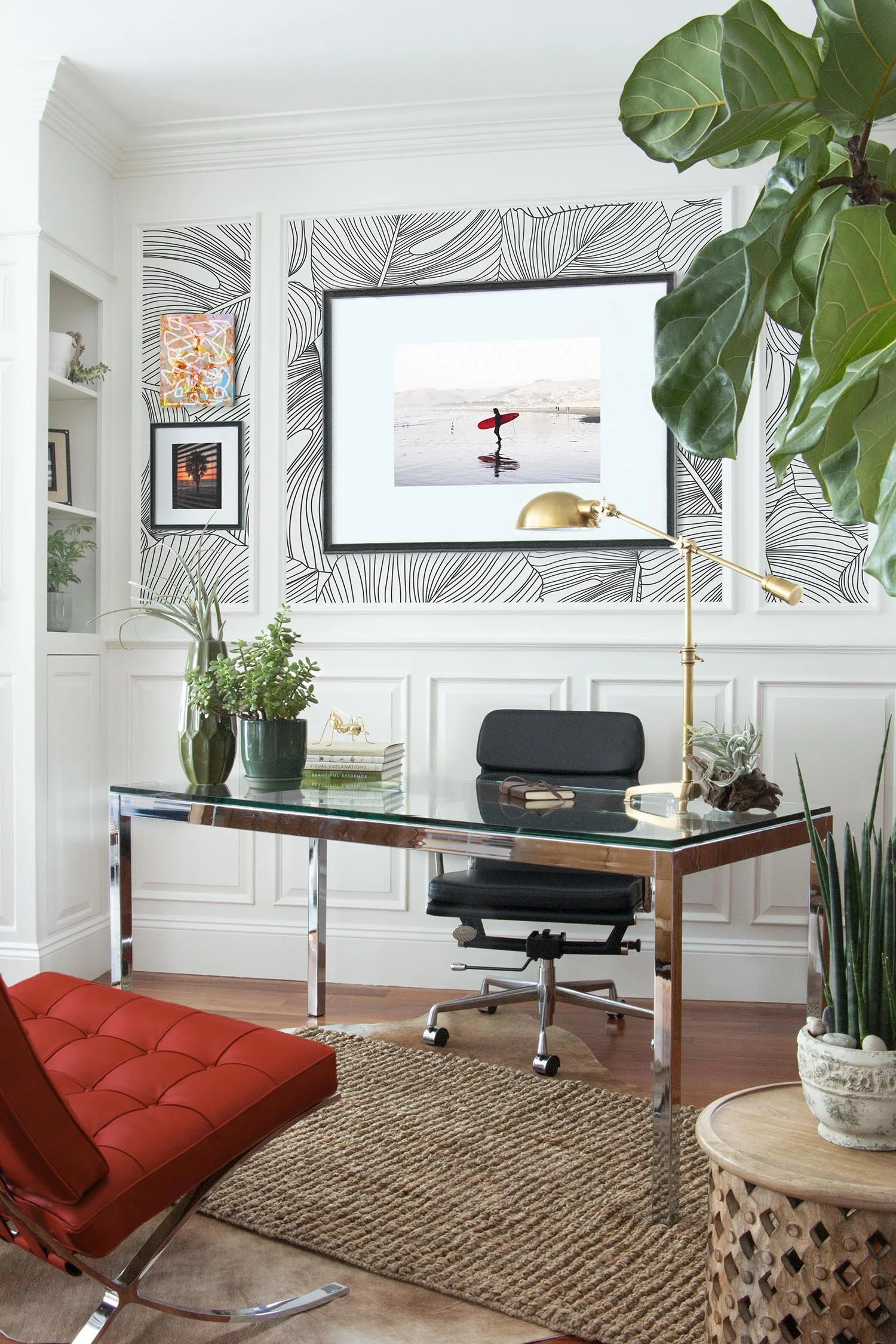
Start with a unifying color story across spaces
Color carries the conversation from one room to the next. It doesn’t need to match exactly. In fact, it shouldn’t.
Build a palette that feels related. Warm tones sit with warm tones. Muted shades stay within that same register. A soft rust in one room might echo as a deeper terracotta in another. A washed blue might shift toward slate as you move through the home.
This approach creates continuity without repetition. In an open floor plan, this becomes even more important. Rugs act as visual anchors, and when their colors speak the same language, the entire space feels connected.
Coordinate tones, not exact matches
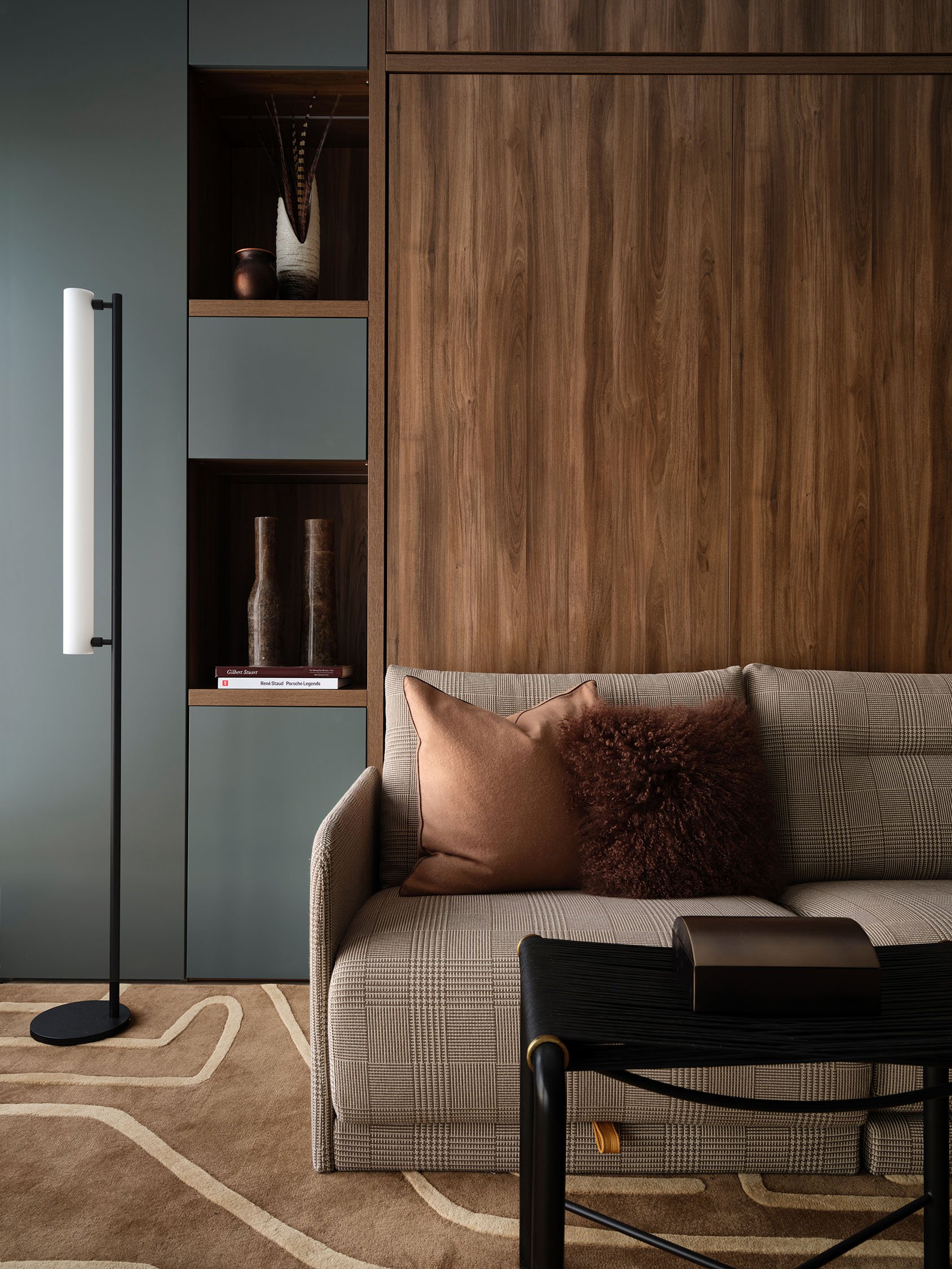
Matching rugs often feel predictable. Coordinating tones creates something more layered. Think of it as a conversation.
A neutral rug with subtle variation can sit next to a patterned piece that pulls from the same tonal range. Accent colors can repeat, but in different proportions.
This is where many people get stuck. They search for exact matches when the goal is alignment. The best spaces feel considered, not overly coordinated.
Vary pattern scale to avoid visual competition
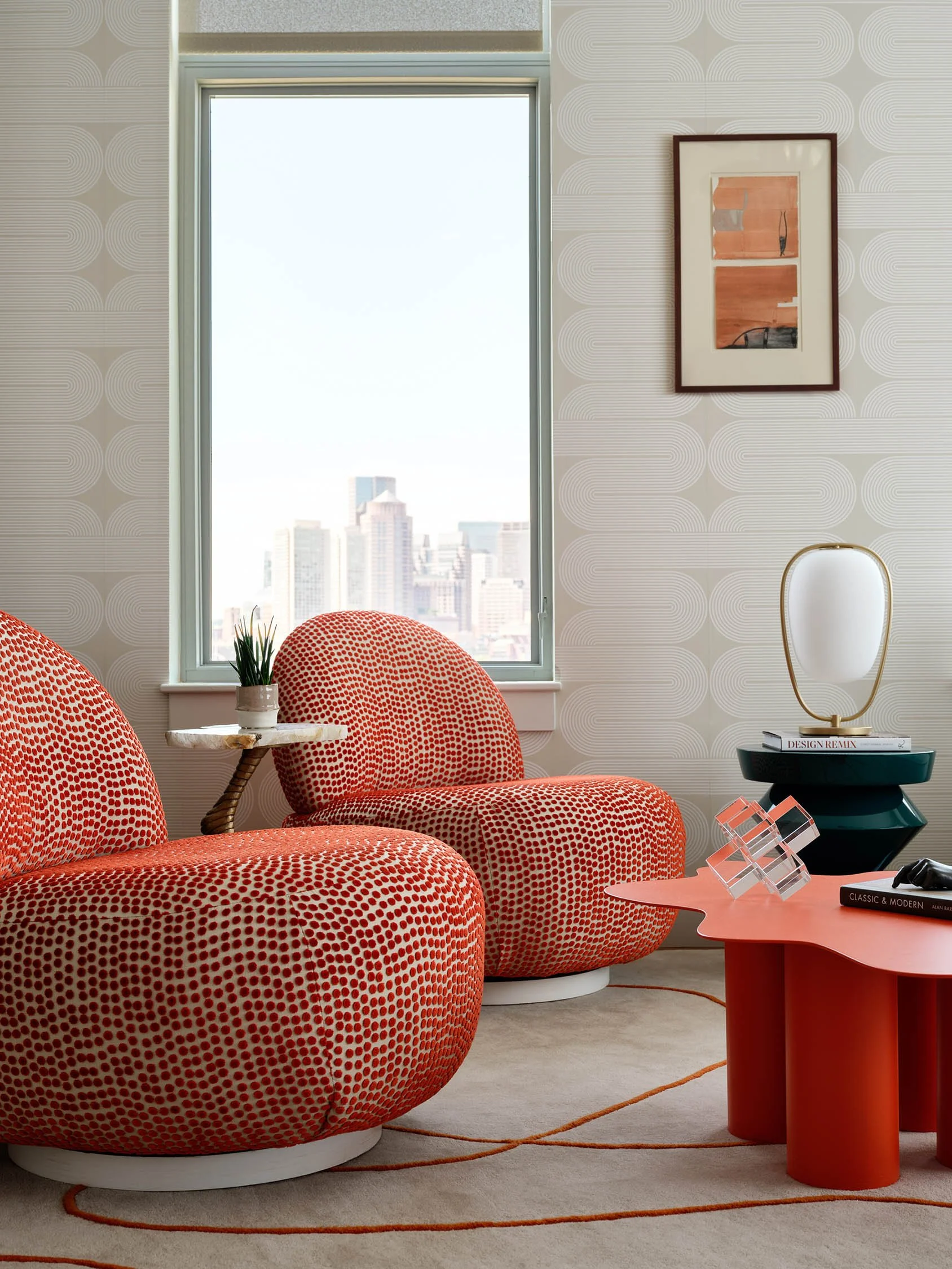
Pattern needs hierarchy. When everything demands attention, nothing stands out.
One rug can carry a strong, graphic pattern. Let it lead. Around it, introduce calmer pieces. Smaller motifs, softer lines, or even solids with texture can support that focal point without competing.
This balance keeps the space from feeling busy. It also gives the eye a place to rest, which is often what makes a room feel composed.
Balance statement rugs with simpler foundations
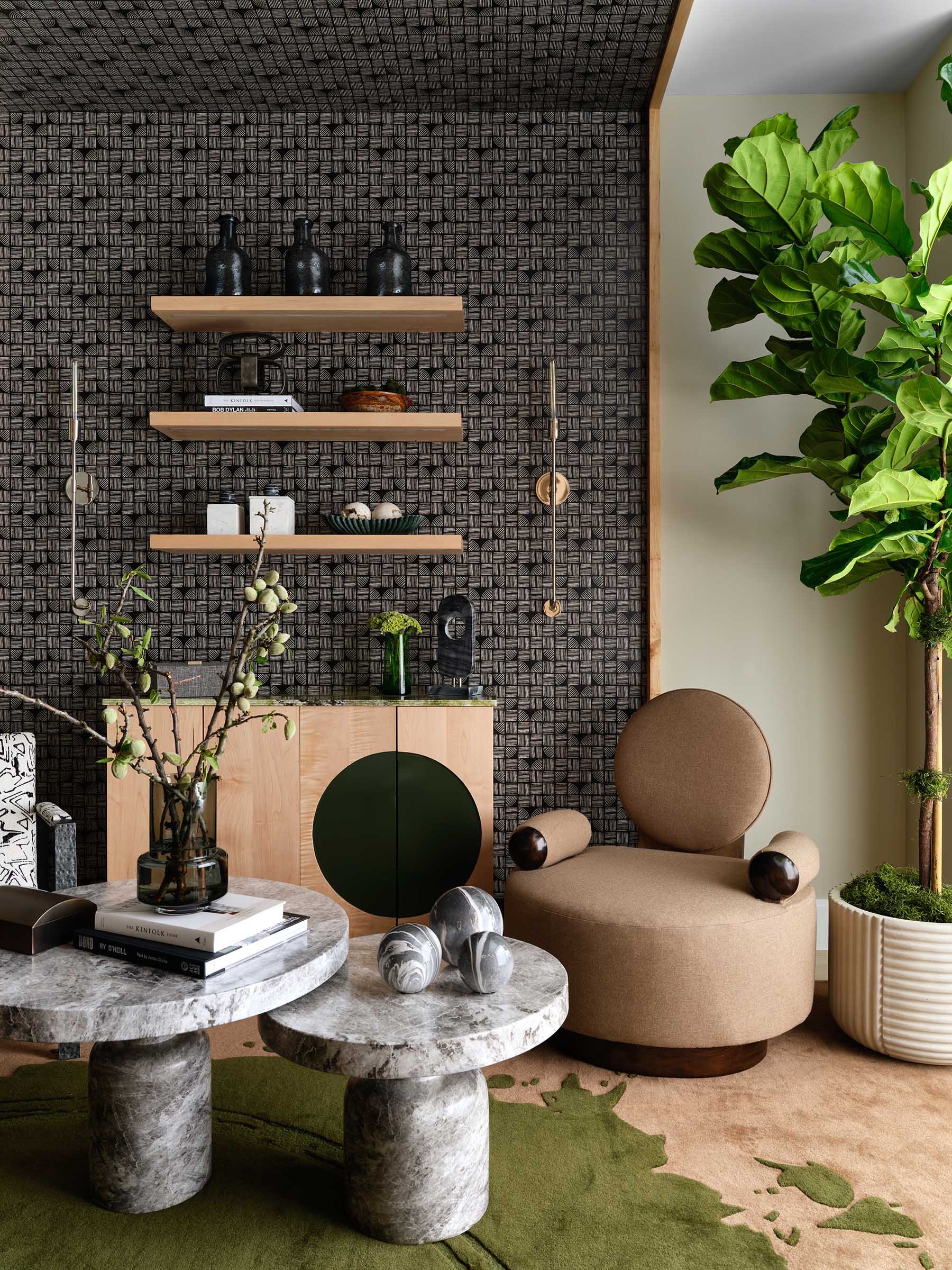
Every room benefits from a clear point of focus. A vintage rug with a worn pattern can anchor a living space. A bold geometric rug can define a dining area.
Around these pieces, bring in restraint. Natural fiber rugs, low-contrast patterns, or flatweaves provide a base that allows the statement piece to hold its ground.
This is where layering rugs becomes truly effective. A larger, neutral rug can sit beneath a more detailed one, framing it while softening the overall look.
Consider material, texture, and pile height
Visual contrast is only part of the story. Texture changes everything.
A wool rug carries weight and softness. A jute or sisal piece introduces a more grounded feel. Flatweaves offer structure, while higher-pile rugs bring warmth underfoot.
Mixing these materials creates depth without relying on bold color shifts. Even a restrained palette can feel rich when textures shift from one surface to another.
Pile height also matters. A low-profile rug can define circulation areas, while something softer can anchor a seating space. The variation keeps each zone distinct without relying on visual separation alone.

Define spaces while maintaining flow
Rugs are one of the most effective tools for defining space, particularly in open layouts.
A living area, dining space, and passageway can all exist within the same footprint, yet feel distinct through placement and scale. A larger area rug under seating establishes boundaries, while a runner guides movement through a corridor.
The key is alignment. Rugs should relate to the furniture they sit beneath, not float independently. When placed correctly, they create structure without interrupting flow.

Transition thoughtfully between rooms
Moving from one room to another should feel natural. Abrupt changes in color scheme, pattern, or scale can break that continuity.
Instead, think about how different rug styles connect across thresholds. A color that appears in one room can reappear in another, even if the pattern changes. A bold piece can give way to something calmer as you move into a different space. This progression creates a sense of movement as each room feels distinct, yet still part of a larger whole.

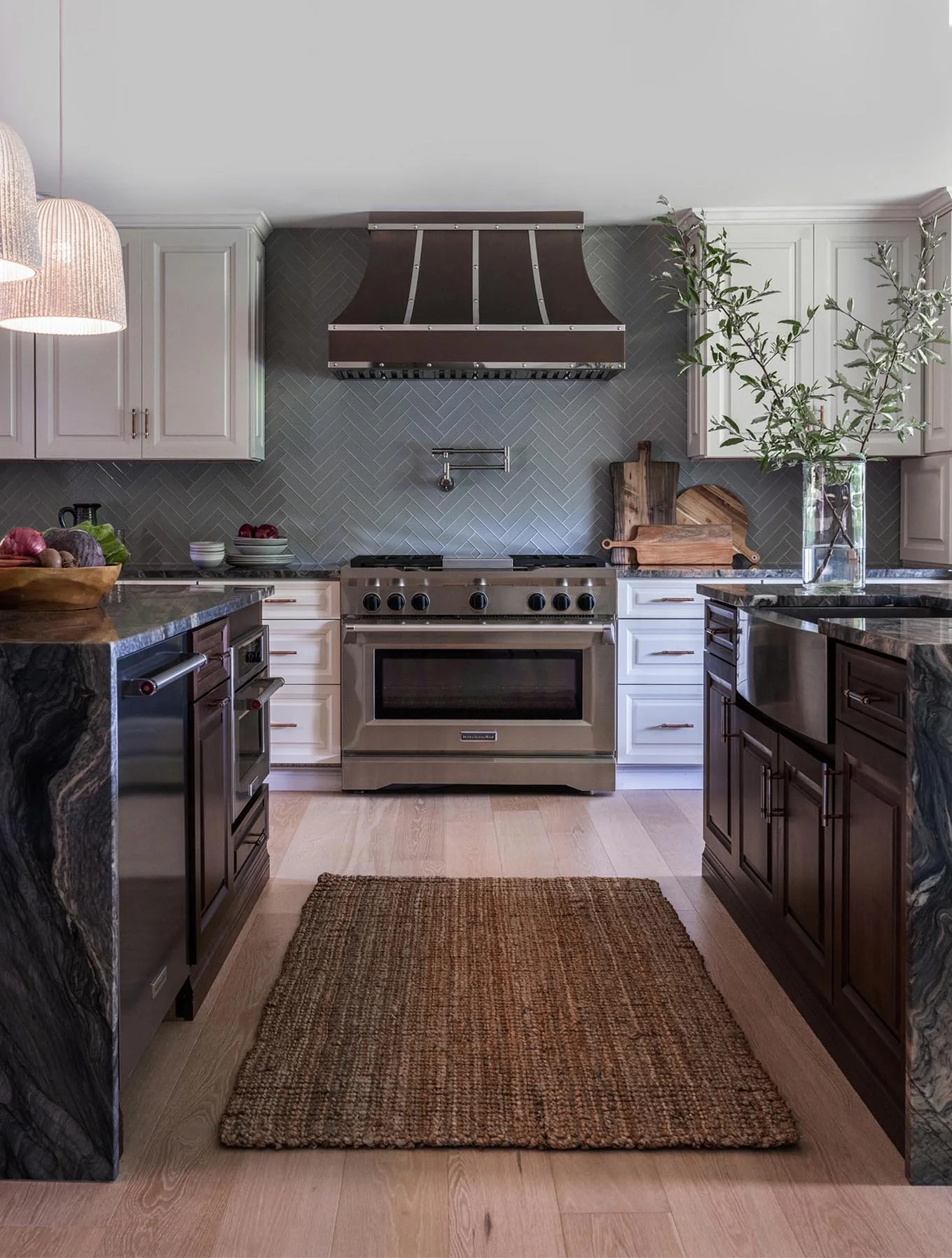

Understanding rug layering and arrangement basics
Layering rugs is not about stacking pieces at random. It requires intention.
Start with scale. The base rug should be large enough to anchor the space. The top layer can be smaller, acting as a focal point. Placement should feel deliberate, not centered by default.
Avoid placing rugs where they interfere with furniture function. Dining chairs should move easily and doors should clear edges without resistance.
When done well, layering rugs adds dimension. When done poorly, it creates confusion. The difference is in the details.

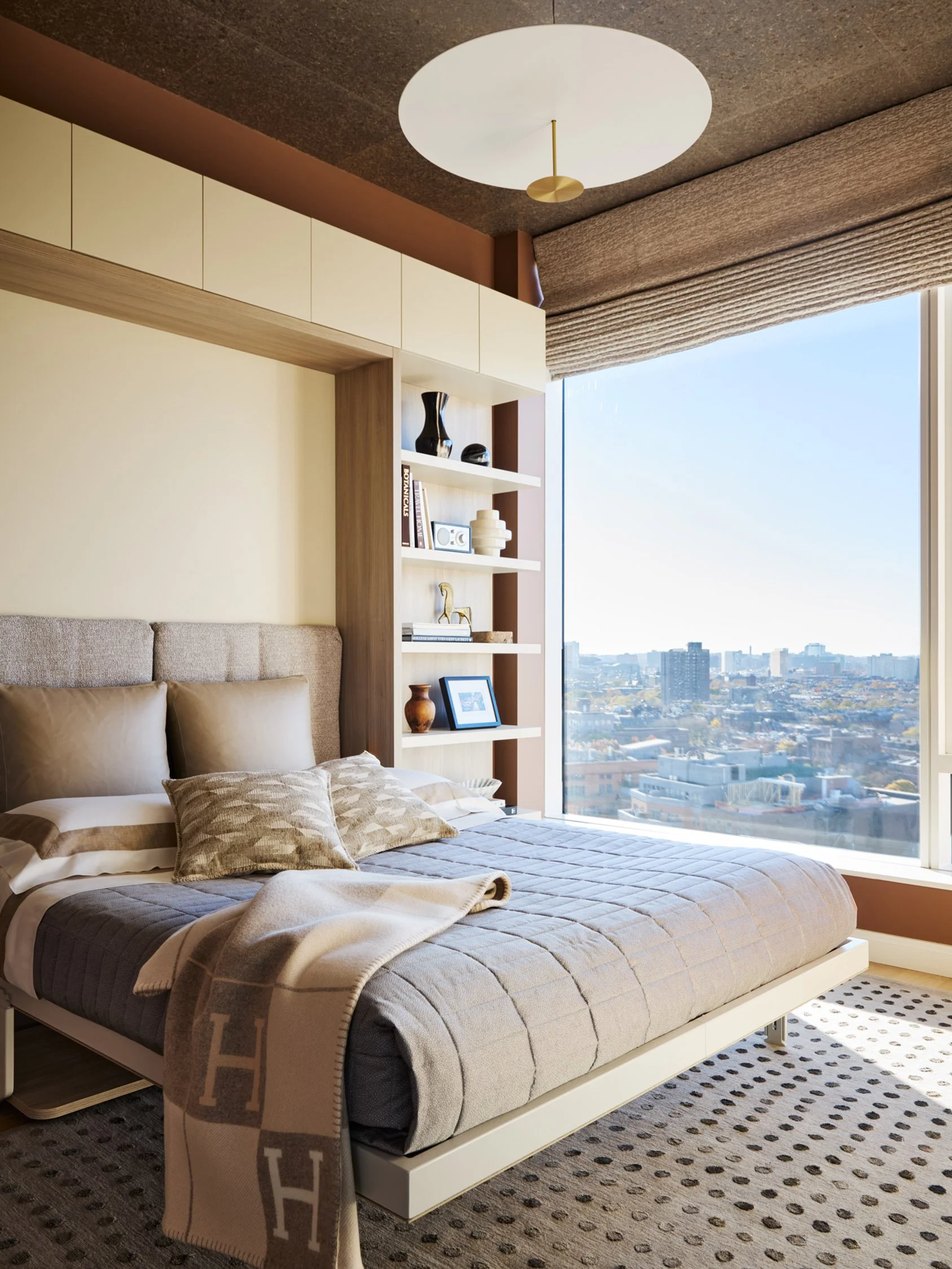
Choosing the right rug sizes for every room
Size shapes perception. A rug that is too small makes a room feel disconnected. Furniture appears to float, and the space lacks grounding. Larger rugs pull elements together.
In living areas, aim for rugs that extend under key pieces of furniture. In dining rooms, allow enough space for chairs to move without catching edges. Bedrooms benefit from rugs that extend beyond the bed, softening the perimeter.
Scale should always respond to the room, not the other way around.
Coordinating colors and patterns for harmony
Color and pattern work together. When one becomes more pronounced, the other should step back.
A patterned rug can carry multiple tones that tie into surrounding elements. A simpler rug can reinforce those tones without adding visual weight.
This balance keeps the space from feeling overworked. It also allows each piece to contribute without dominating.
Exploring rug texture combinations for depth
Texture often does more than color.
A layered combination of materials creates interest that feels natural. Wool against jute. Flatweave paired with a softer pile. These shifts create variation that reads as intentional, not forced.
Even within a single room, texture can define zones. A softer rug under seating invites rest. A flatter surface near entry points handles movement.
Creative rug placement ideas to enhance aesthetics
Placement can shift how a room is experienced.
Rugs don’t always need to sit centered. A slight offset can create movement. Layering at an angle introduces a more relaxed feel. Runners can break up large expanses of flooring while guiding the eye.
In open spaces, rugs act as anchors. They define purpose without walls. They suggest where to gather, where to pass through, where to pause.
Maintaining and caring for layered rugs
Layered rugs require attention. Be sure to rotate pieces periodically to balance wear, use proper padding to prevent slipping, and to vacuum regularly, especially where layers overlap.
Different materials call for different care. Wool handles cleaning differently than natural fibers. Understanding these needs extends the life of each piece. A well-maintained rug continues to support the space and not detract from it.
Incorporating mixed rugs into popular decor styles
Mixed rugs adapt to a range of interiors.
In more minimal spaces, subtle layering adds interest without introducing clutter. In more eclectic settings, variation becomes a defining feature. Even traditional interiors benefit from slight shifts in pattern and tone.
The key is restraint. Each piece should feel chosen, not added out of necessity.
Common mistakes to avoid
These missteps often come from trying to follow rules too strictly rather than understanding relationships between pieces.
Matching rugs too closely
Using multiple bold patterns without hierarchy
Ignoring material differences
Abrupt transitions between rooms
Choosing multiple rugs that feel too similar in scale or tone
Creating a collected, layered approach
A home like this doesn’t come together all at once. It builds slowly. One piece, then another, each adding something that wasn’t there before.
Matching rugs might feel like the easier move. It also flattens the space. When everything lines up too neatly, the room loses tension. It stops asking anything of you.
Better to let things shift slightly. Let one rug lead, another support. Let tones repeat without copying. That’s where the space starts to feel lived-in.
If you need help getting there, working with a full service interior designer can bring direction to the process.
And if you’re starting from scratch, the Foundations collection offers pieces that give you something to build on, including the award-winning collaboration with esteemed rug atelier Landry & Arcari and luxury bedding brand Frette, featuring new designs inspired by Frette's signature palette.
In the end, it isn’t about rules. It’s about how things sit together. When that’s right, the room settles into itself.
