
Timeless Interior Design: How to Renovate Without Dating Your Home
A home renovation is a significant investment. The goal should not be to create an interior that looks current for the next few years. It should be to create a home that continues to feel relevant long after today's biggest design trends have changed.
For homeowners throughout Boston, Brookline, Newton, Wellesley, Weston, Dover, Lexington, Concord and the greater New England area, this is particularly important. Many of the homes we renovate already have a strong architectural identity. Boston brownstones, historic townhouses, coastal homes and established suburban residences often benefit from thoughtful modernization rather than complete reinvention.
Timeless interior design does not mean playing it safe or avoiding personality. Some of the most enduring interiors use dramatic stone, expressive lighting, rich woods, unusual artwork and unexpected color. The difference is that those decisions are connected to the architecture and the people living there rather than a passing trend.
Here are eight ways we approach renovations that are designed to last.
Blog Contributor:
Trevor Fulmer

“Timeless design is not about avoiding trends. It is about knowing which ideas deserve permanence.”
— Trevor Fulmer

1. Respect the Architecture You Already Have
One of the fastest ways to date a renovation is to force an architectural style onto a home that was never designed to support it.
Boston and New England have an incredible range of residential architecture, from historic Back Bay brownstones and South End townhouses to midcentury homes, contemporary condominiums and traditional coastal properties. Each provides a different framework for renovation.
Before changing walls, fireplaces, moldings, openings or ceiling details, I look at what deserves to remain and what can be reinterpreted. Sometimes preserving an original architectural feature gives a modern renovation the contrast it needs.
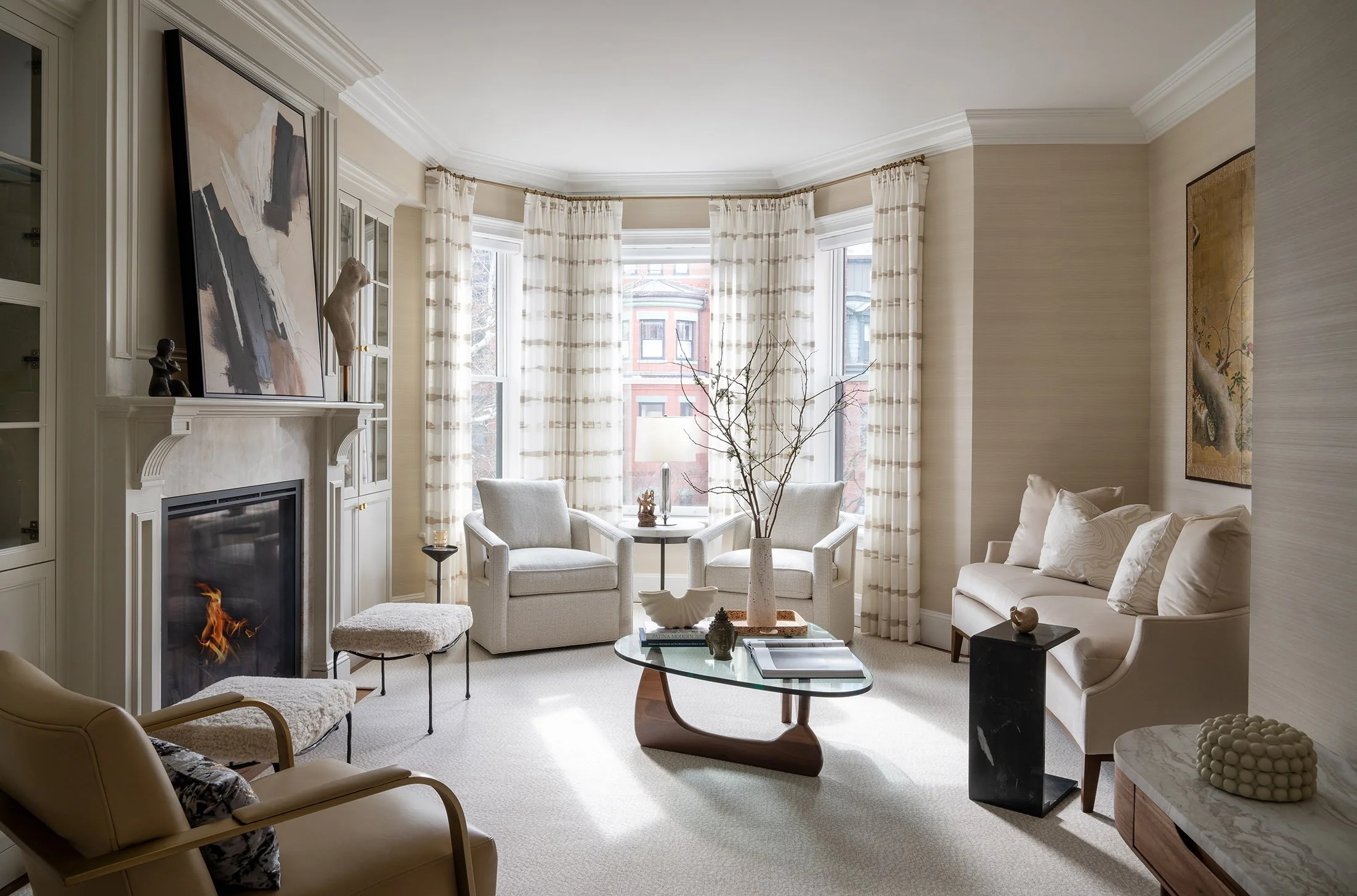
In our Neutral Nuances project, a historic Boston brownstone became the backdrop for contemporary furnishings, modern lighting and an extensive art collection. The goal was not to make the architecture disappear. The contrast between old and new became part of the design.
A timeless renovation should feel connected to the building rather than imposed upon it.


2. Invest in Proportion Before Decoration
Good proportions rarely go out of style.
Before selecting tile, furniture, paint colors or decorative lighting, we spend significant time thinking about floor plans, circulation, ceiling heights, cabinetry dimensions and how architectural elements relate to one another.
A beautiful kitchen can still feel wrong if the island is oversized. Custom millwork can look awkward if shelving proportions do not relate to the architecture. An expensive sofa can overwhelm a living room if its scale is wrong.
These are not trend decisions. They are design fundamentals.
This is particularly important when renovating Boston brownstones and city residences where every square foot matters. In larger homes throughout Wellesley, Weston and Dover, the challenge can be the opposite. Large rooms need furniture and architectural elements with enough scale to give them structure.
When the underlying proportions work, finishes can evolve over time without requiring another major renovation.

3. Let Natural Materials Age With the Home
Materials that become more interesting with age often have greater longevity than materials designed to look perfect forever.
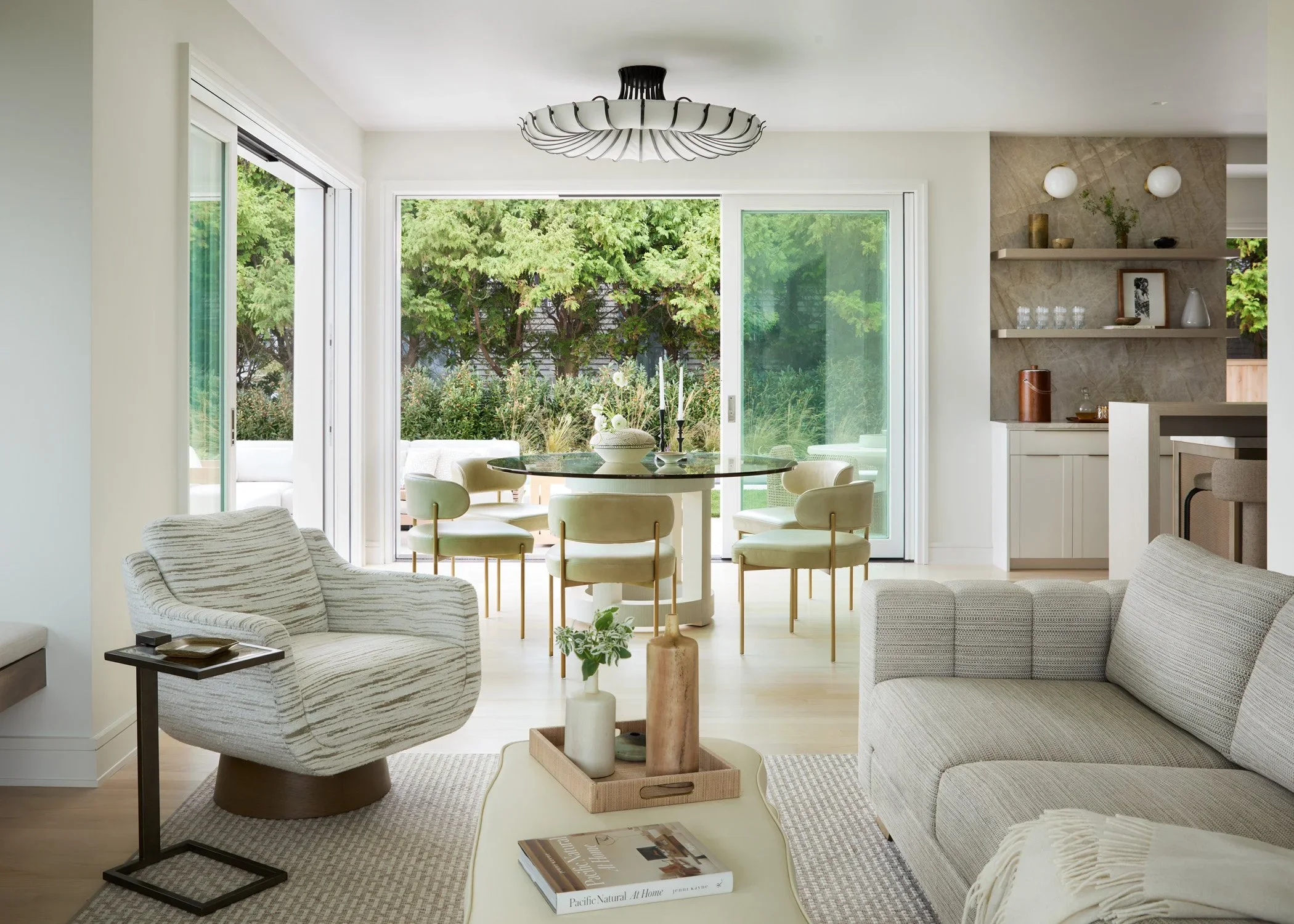
Natural stone, walnut, oak, linen, wool, leather, unlacquered metals and other tactile materials develop variation and character through use. That evolution can become part of the interior rather than something that needs to be corrected.
Throughout Skyline Sophistication, walnut cabinetry, natural stone and earth toned materials create warmth within the architecture of a contemporary South End penthouse. None of these materials depends on a single trend or decorative theme.
The same principle applies to New England coastal interiors. Natural woods, woven fibers and stone have an inherent relationship to the landscape, making them appropriate without relying on literal coastal motifs.
I would rather select a beautiful material because of its inherent qualities than because it happens to be the material everyone is using that year.

4. Make Permanent Decisions More Carefully Than Decorative Ones
Not every design decision needs the same lifespan.
A sofa can eventually be reupholstered. A wall can be repainted. Artwork can move. Replacing an entire stone fireplace, custom kitchen or primary bathroom is considerably more complicated.
During a renovation, I like to think about design decisions in terms of permanence.
Architecture, flooring, plumbing locations, millwork and major stone installations should receive the greatest scrutiny. Furniture, paint, accessories and decorative layers provide more opportunities to experiment.
That does not mean permanent materials have to be boring.
Our projects frequently incorporate expressive marble, detailed millwork and unusual architectural elements. The difference is that these materials are selected as part of the larger composition rather than because they are temporarily popular.
This hierarchy gives homeowners permission to take risks while being strategic about where those risks occur.
5. Use Statement Materials With Restraint
Timeless does not have to mean beige.
One exceptional material can give a room far more identity than five competing materials.
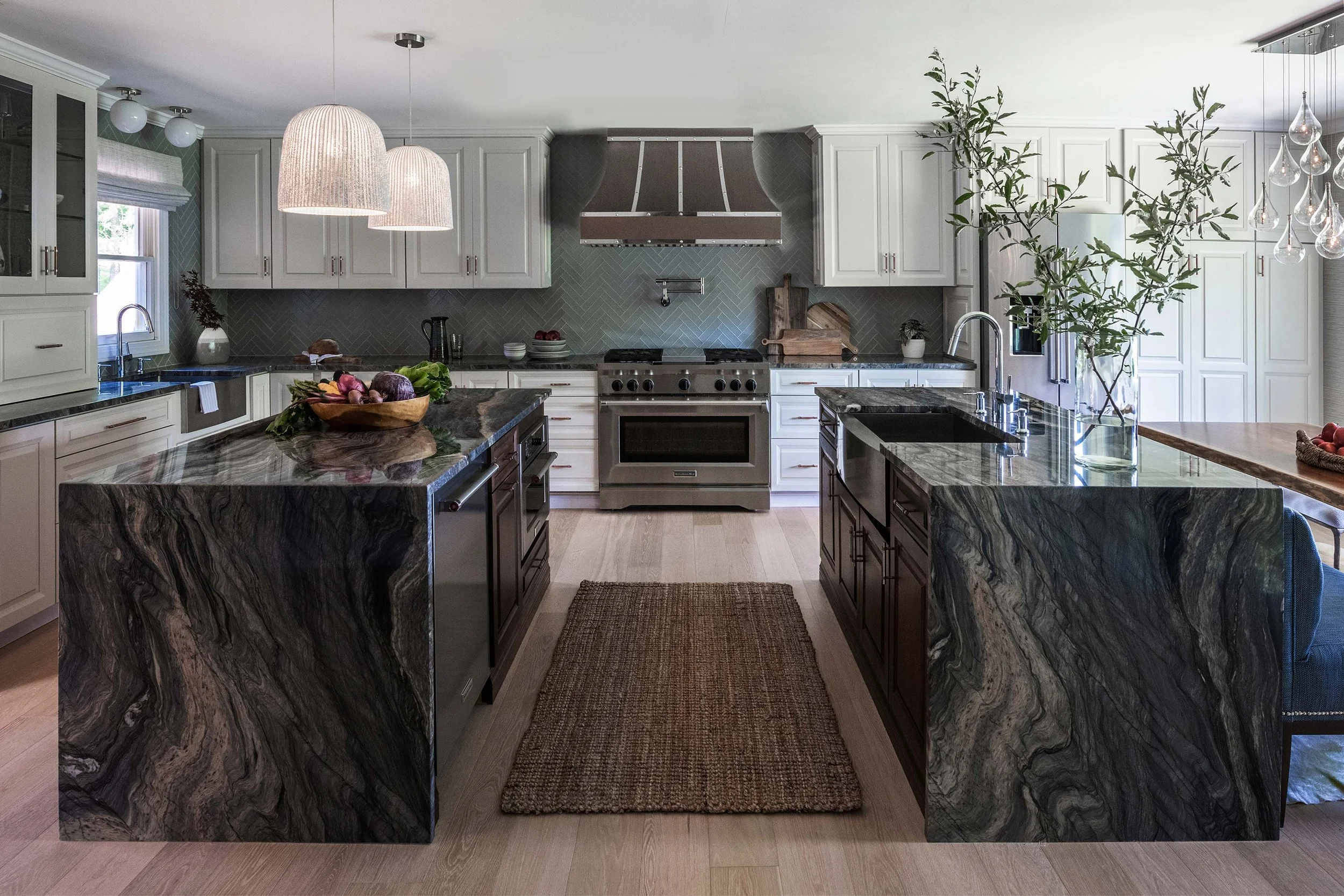
Natural stone is a perfect example. Marble and quartzite with pronounced veining can become the focal point of a kitchen, bathroom or fireplace. When that stone is surrounded by simpler materials, its natural movement becomes even more powerful.
Our Contemporary Kitchen uses moody marble and a strong architectural layout to give the room personality without relying on decorative excess.
The same approach appears throughout our work. Expressive materials are often balanced by quieter cabinetry, simple upholstery, natural woods or restrained wall finishes.
If everything is intended to be the statement, the room quickly becomes visually exhausting. Creating hierarchy allows stronger design decisions to have greater longevity.


6. Avoid Designing Every Room Around One Theme
A home should have continuity without becoming repetitive.
One of the easiest ways to make a renovation feel dated is to choose a recognizable aesthetic and repeat every characteristic of it throughout the house.
Coastal homes are a good example.
In Nautical Noir, our oceanfront New England project, we deliberately moved away from the predictable blue and white coastal vocabulary. Walnut, blackened metals, marble, sculptural lighting, woven materials and references to the sea create a relationship to the home's location without turning the interior into a theme.
That distinction is important.
A coastal home does not need anchors and stripes to feel connected to the water. A historic Boston brownstone does not need to be filled with antiques. A modern condominium does not need to contain only contemporary furniture.
The most interesting interiors allow different periods, materials and influences to coexist.

7. Design Lighting as Architecture
Lighting technology will change. A strong lighting plan remains valuable.
Lighting is one of the areas I encourage clients to address early in a renovation because it influences nearly every other element of the home.
A successful lighting plan considers ambient light, task lighting, decorative fixtures, architectural lighting and accent lighting together. It also considers what deserves to be illuminated.
Artwork, stone, millwork and textured surfaces can completely change depending on the direction and temperature of the light hitting them.
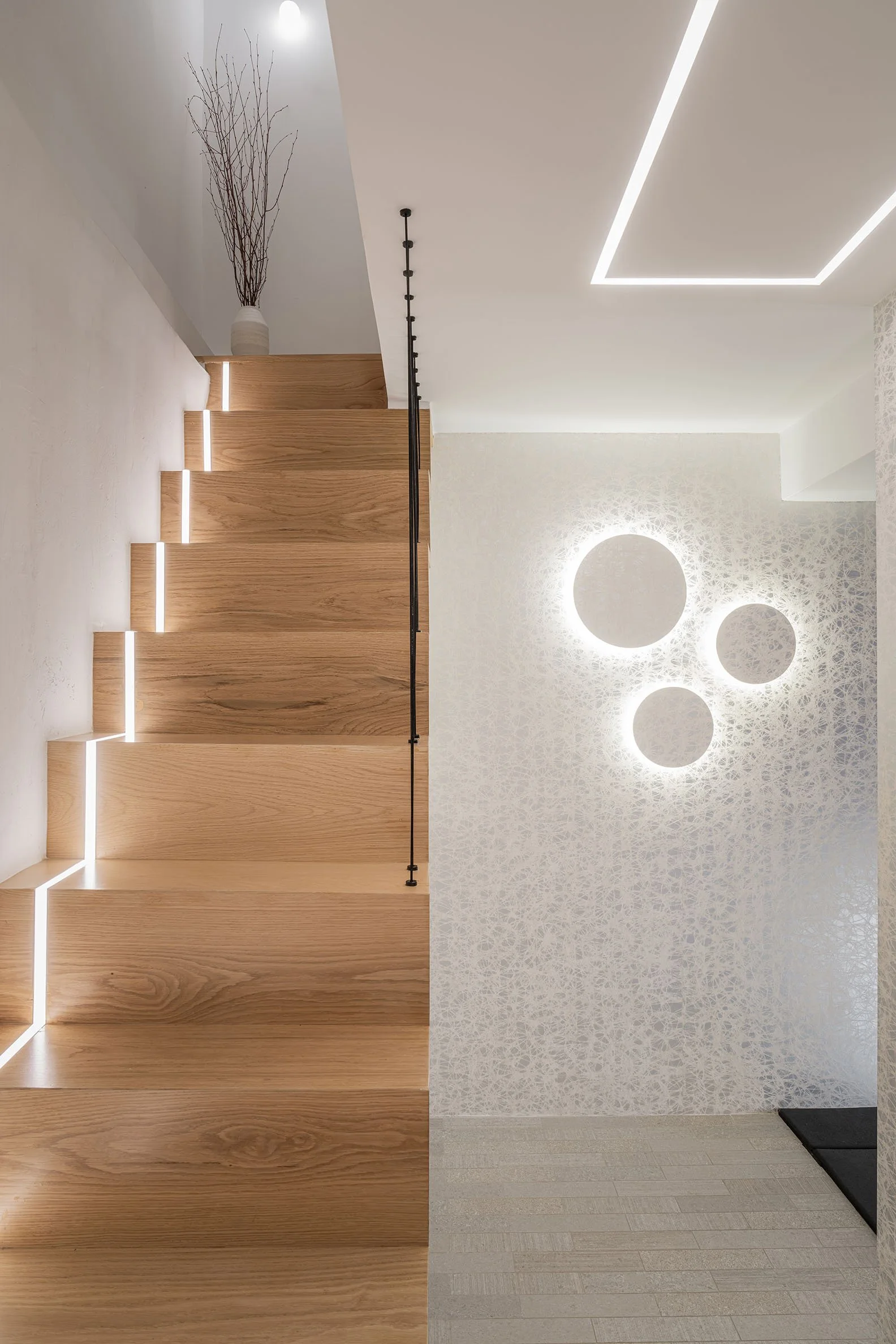
In Home Health Haven, lighting is integrated directly into the architectural design, helping define the room rather than simply illuminating it. In Nautical Noir, sculptural fixtures function almost like pieces of art against more architectural elements.
For Boston and New England homeowners undertaking a major renovation, electrical and lighting plans should be developed alongside the architecture rather than after construction decisions have already been made.
8. Leave Room for the Home to Evolve
A timeless interior should never feel completely frozen in time.
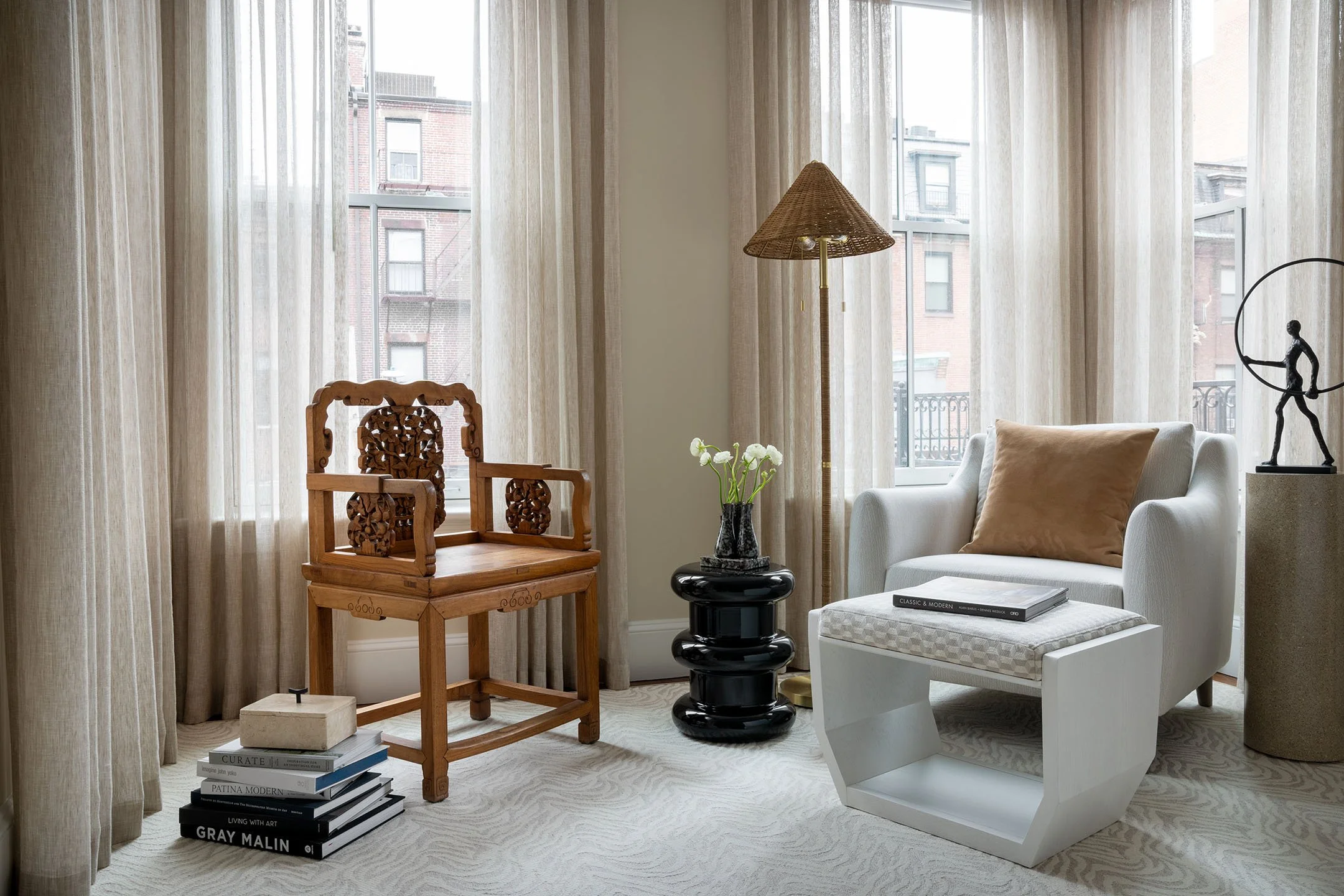
Some of my favorite interiors contain pieces collected over many years. Artwork, vintage furniture, books, objects from travel and family pieces introduce history that cannot be recreated by purchasing an entire room at once.
Our Neutral Nuances project is a good example. The clients' artwork became an integral part of the design, while contemporary furniture, lighting and materials created a new framework around their collection.
This is one reason I avoid designing rooms where every object coordinates too perfectly.
Your home should have space for the painting you discover five years from now, the chair you inherit, or the object you bring home from a trip.
When the architectural foundation is strong, those additions make the interior better rather than disrupting it.
Timeless Interior Design and Home Renovation in Boston
The best timeless interiors are not tied to a particular decade. They combine strong architecture, appropriate proportions, enduring materials and enough personality to make the home distinctly individual.
For homeowners considering a luxury home renovation in Boston, Brookline, Newton, Wellesley, Weston, Dover, Needham, Lexington, Concord, Winchester and throughout New England, longevity should be part of the design conversation from the beginning.
At Trevor Fulmer Design, we approach renovations by looking beyond individual finishes. We consider architecture, floor planning, circulation, lighting, materiality, furniture and the way each room connects to the next. Our projects range from historic Boston brownstones and high rise residences to suburban homes and New England coastal properties.
Trends can absolutely be part of that conversation. Some trends introduce new materials, technologies and ideas that can improve a home for decades. Others are better explored through paint, textiles, accessories and pieces that can evolve.
The goal is not to predict what will be fashionable twenty years from now.
It is to create a home that will not need to.
