
8 Fall Interior Design Trends for 2026
Fall has always influenced how we experience our homes. As the days get shorter and life moves back indoors, we naturally become more aware of color, texture, lighting and how a room makes us feel. For Fall 2026, interior design trends are moving beyond predictable seasonal decorating and toward something much more lasting.
Across Boston and the surrounding communities of Wellesley, Weston, Dover, Newton, Brookline, Lexington and Concord, homeowners are investing in interiors that feel warmer, more personal and increasingly connected to natural materials. Instead of changing a home for one season, the best fall interior design ideas can influence how a space looks and functions throughout the year.
Here are eight interior design trends I see shaping Fall 2026.
Blog Contributor:
Trevor Fulmer

“Fall invites warmth, texture, personality, and richer materiality.”
— Trevor Fulmer
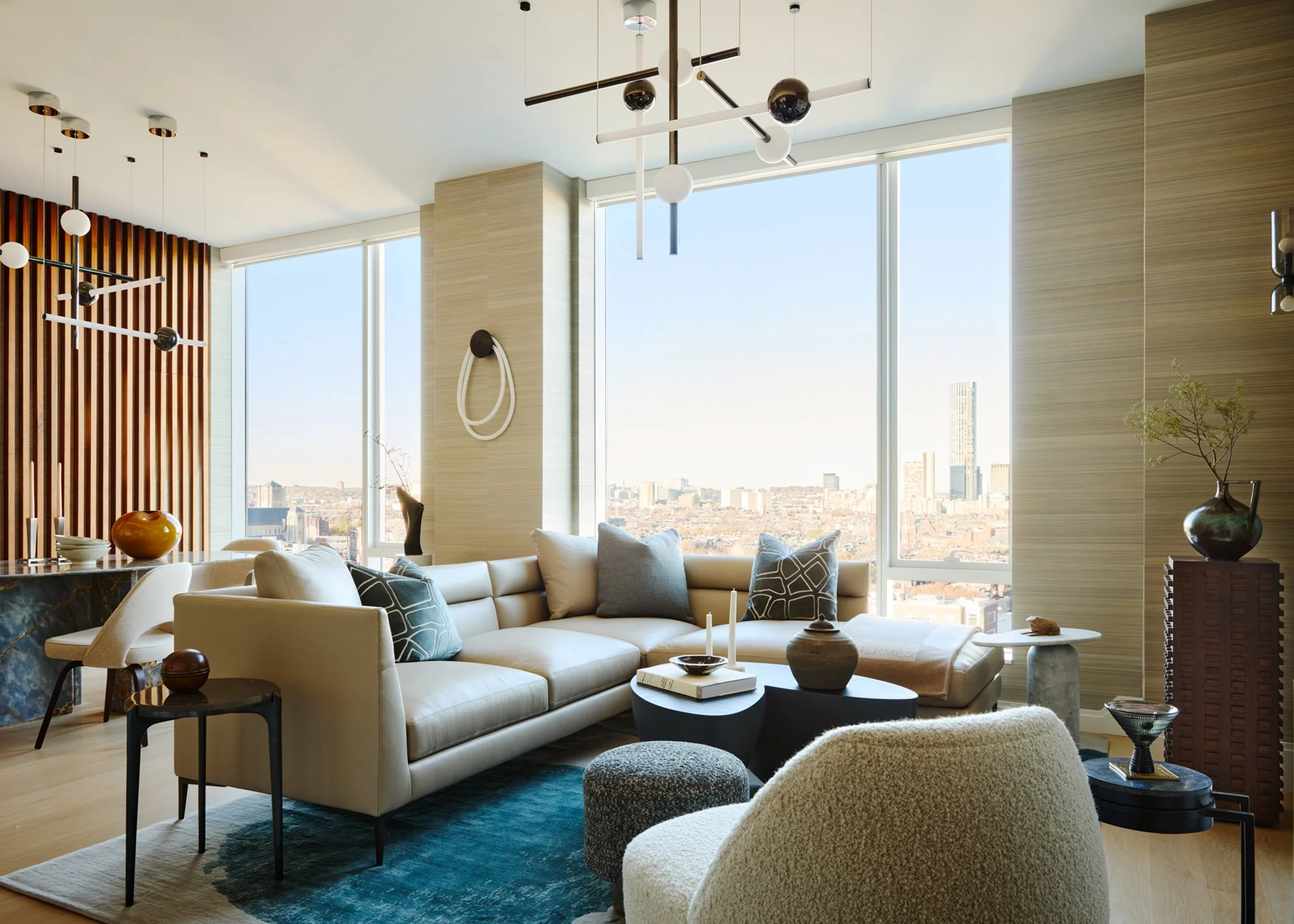
1. Warmer, More Complex Neutrals
White and cool gray are giving way to neutrals with greater depth. Mushroom, taupe, clay, camel, cognac and earthy brown create a warmer foundation without forcing a room into a specific color story.
I have always preferred a neutral palette that has dimension. The key is using multiple tones rather than relying on a single shade throughout a room. Warm plaster walls can sit against walnut millwork, cream upholstery, natural stone and darker bronze or black accents. The contrast gives each material more presence.
For Boston homes, particularly historic properties in neighborhoods like Back Bay and Beacon Hill, these colors also work beautifully alongside original architectural details.
See the warm tones of our south end penthouse project Skyline Sophistication.
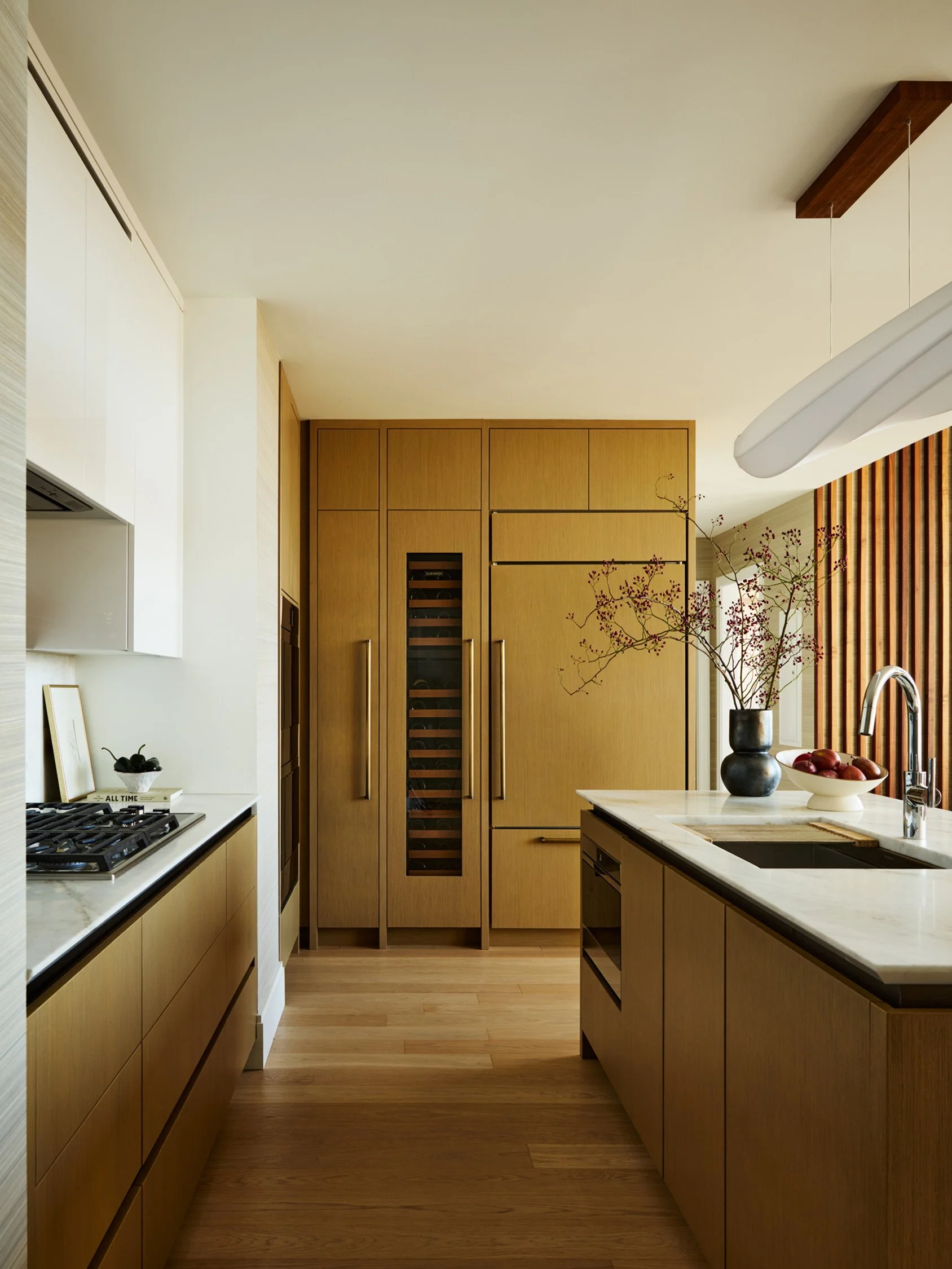

2. Natural Wood Takes Center Stage
Wood continues to become more prominent, but in 2026 it is moving beyond flooring and furniture. We are seeing it used across walls, ceilings, cabinetry and architectural millwork.
Walnut remains one of my favorite materials because of its depth and graphic grain, while oak brings a lighter and more organic quality. Rather than matching every wood finish, I prefer combining complementary tones and allowing natural variation to become part of the composition.
In larger homes throughout Weston, Wellesley, Dover and Newton, wood paneling and custom millwork can also help bring warmth and architectural definition to expansive rooms.
Natural woods are king in our Skyline Sophistication kitchen.
3. Material Drenching
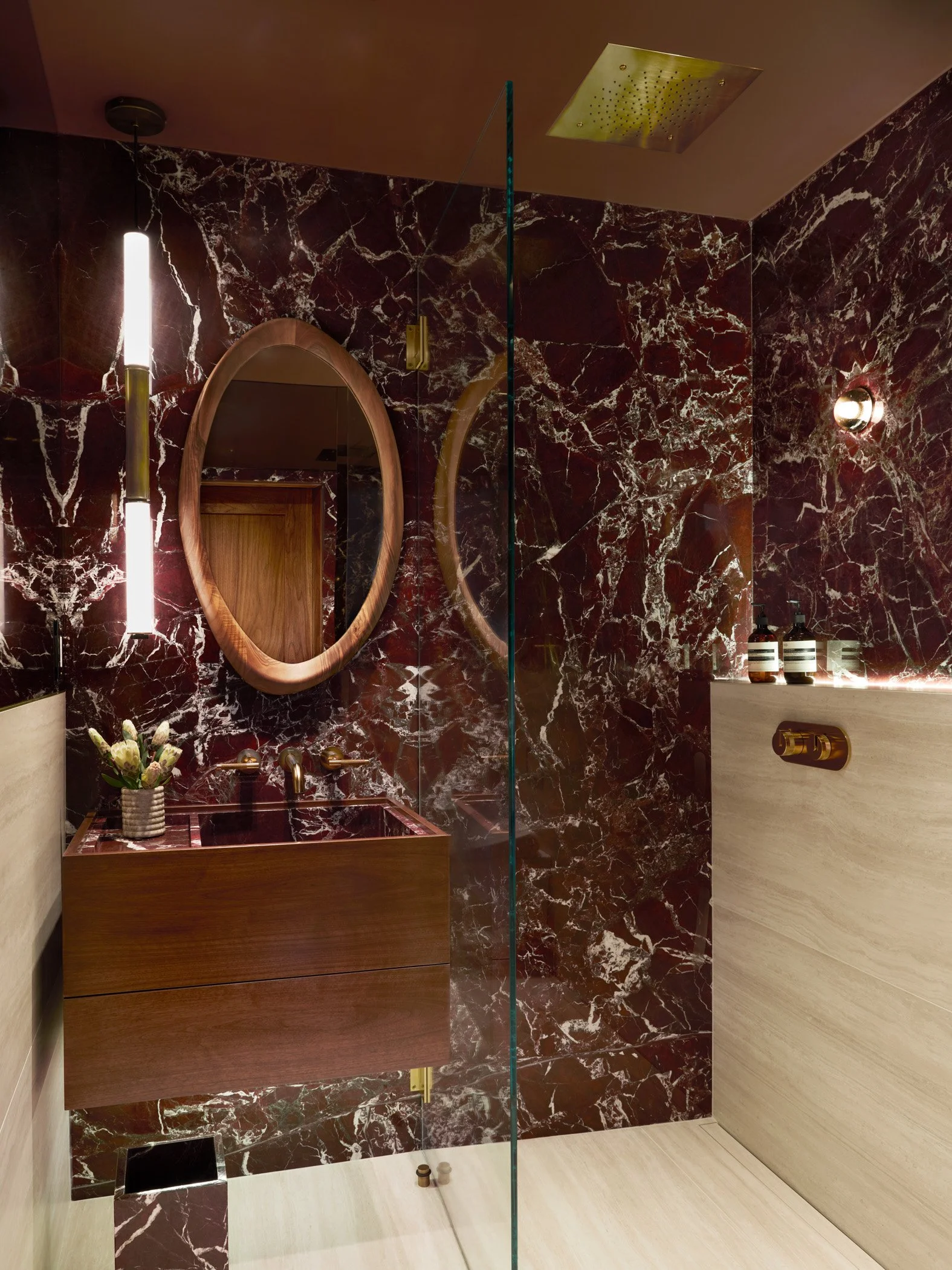
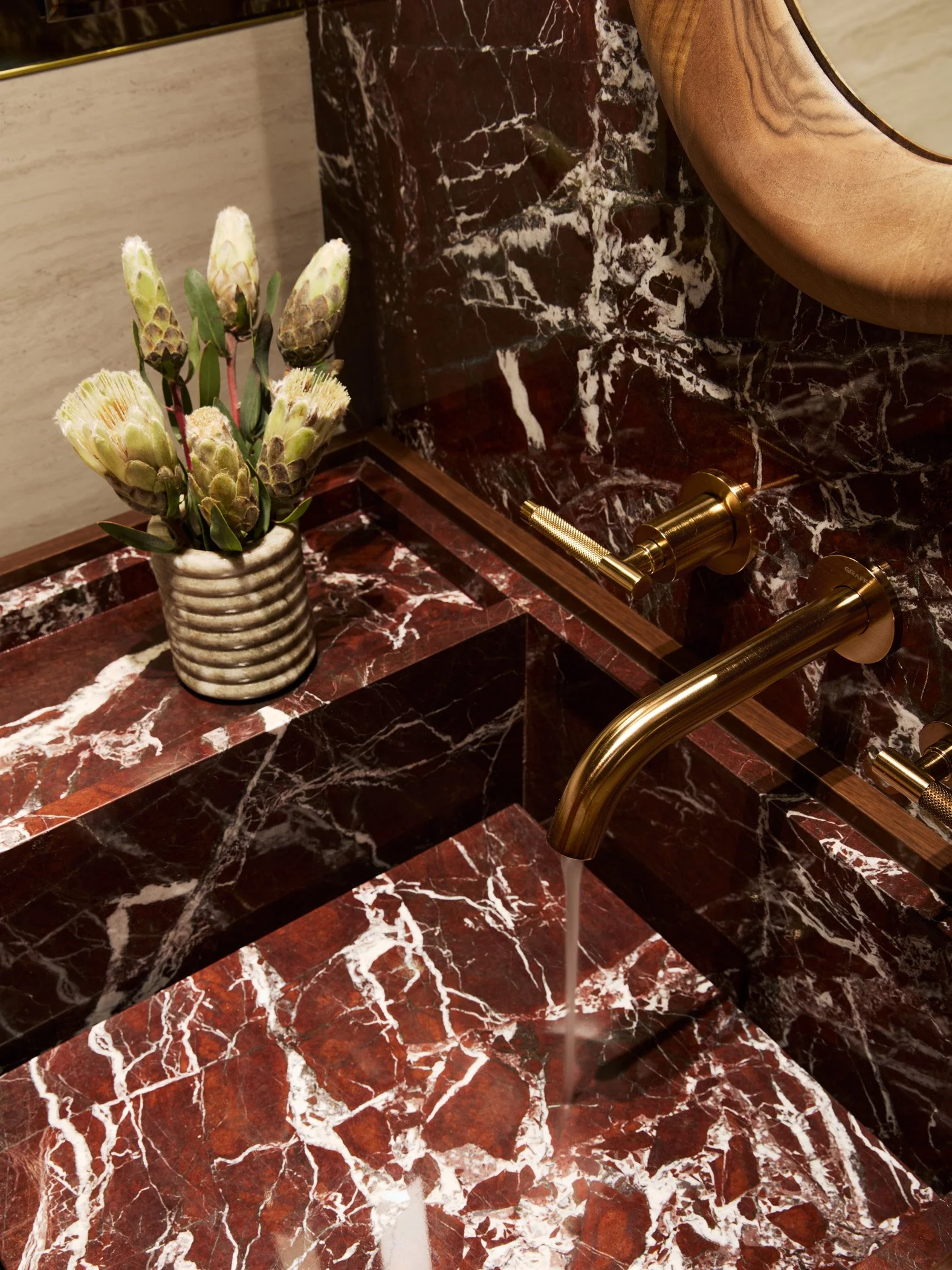
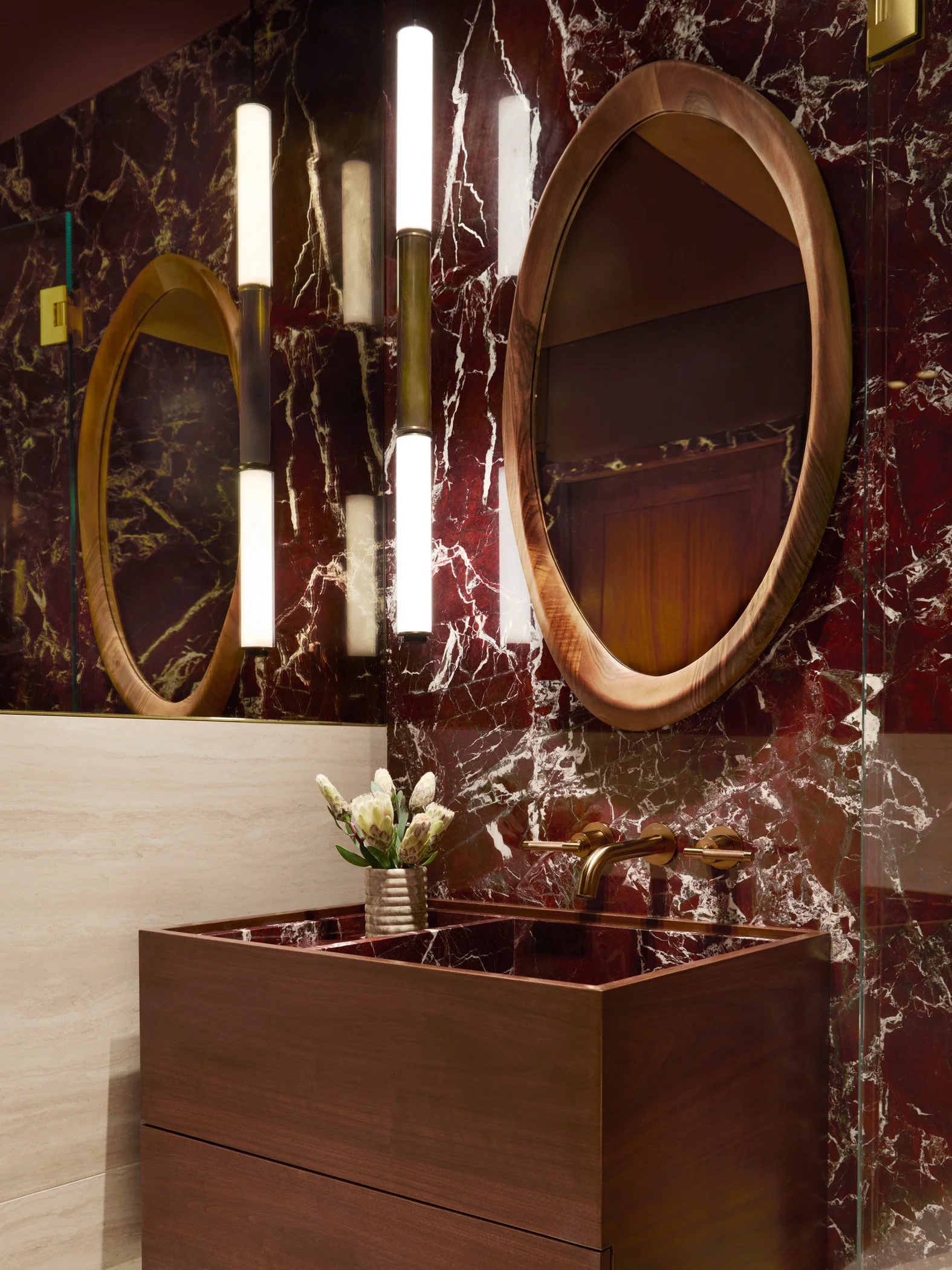
One of the more interesting interior design trends for 2026 is material drenching, where a single material extends across multiple surfaces.
Think marble moving from a vanity onto the walls of a bathroom, wood continuing from cabinetry across a ceiling, or tile wrapping an entire shower rather than stopping at an arbitrary line.
This approach can be especially effective in bathrooms, powder rooms, bars and smaller spaces where a strong material statement creates impact. It is less about adding more and more finishes and more about allowing one exceptional material to do the work.


4. Sculptural Lighting Becomes Art
Lighting should do much more than illuminate a room. It can shape the architecture, highlight materials, create contrast, draw attention to artwork, and completely change how a space feels.
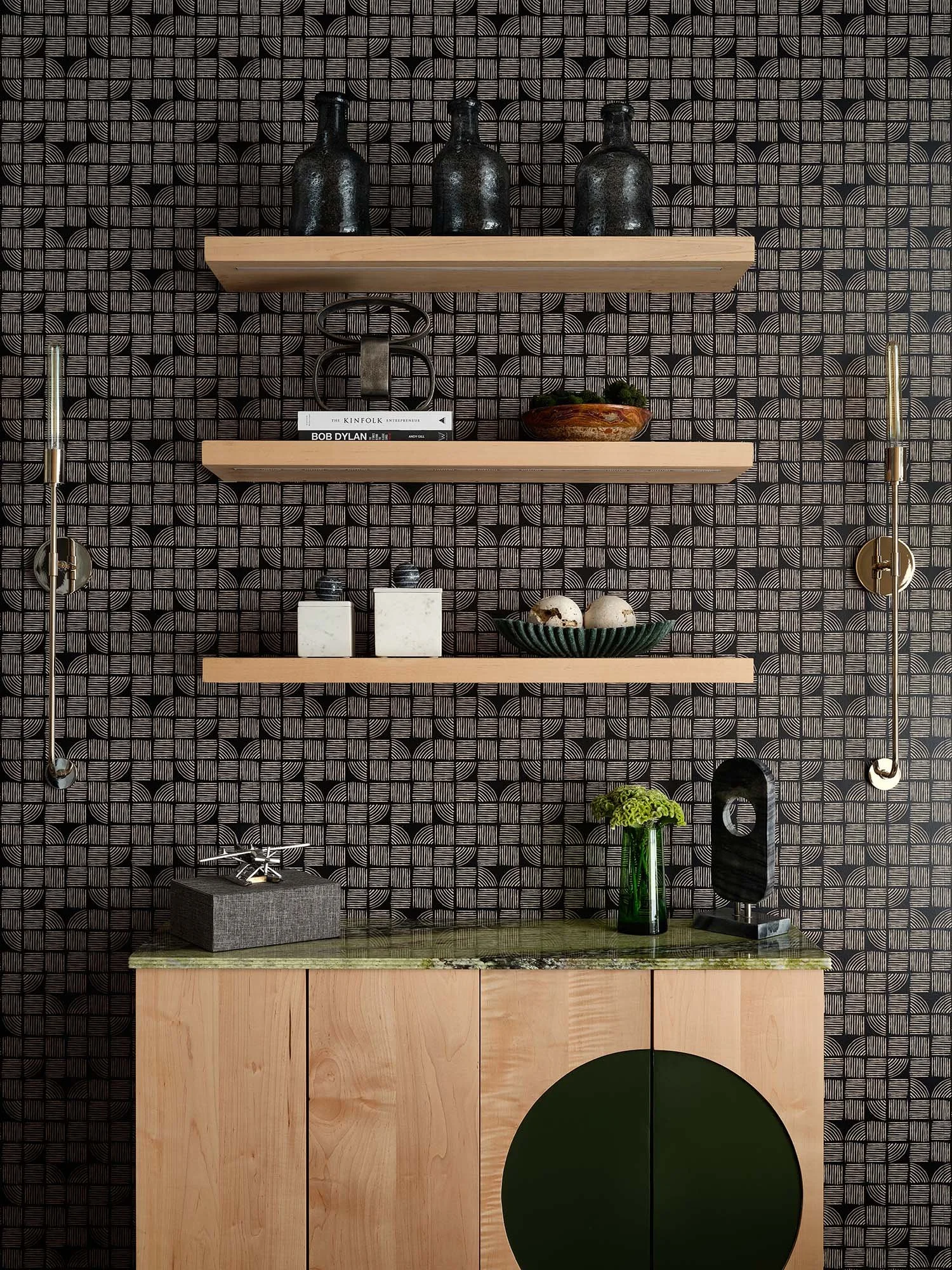
Sculptural pendants, oversized chandeliers, alabaster fixtures, decorative sconces and expressive table lamps are increasingly functioning as pieces of art. We are also seeing more color, unusual materials and unexpected forms enter decorative lighting.
I often begin thinking about lighting early in the design process because it affects architecture, furniture placement, artwork and how materials are experienced. A beautiful stone or textured wall can look completely different depending on how it is illuminated.
For homeowners planning renovations in Boston and Greater Boston, lighting should be part of the initial design conversation, not something selected at the end.
See how we boldy paired sculptural lighting with a custom cabinet in our Nautical Noir project.


5. Natural Stone With Personality
Perfectly uniform surfaces are losing some of their appeal. Instead, homeowners are embracing stone with movement, dramatic veining, unusual coloration and visible variation.
Marble, quartzite, travertine and other natural stones can become major design elements rather than simply functional surfaces. The natural movement, veining, color variation and texture of stone introduce an organic quality that cannot be perfectly replicated. A kitchen island, fireplace or bathroom vanity can become the visual anchor of a room when the stone has enough character. Extending the material beyond a countertop, wrapping an island, carrying stone up a wall or using large slabs around a fireplace can further emphasize its scale and natural beauty.
I particularly like balancing expressive stone with simpler surrounding materials. A dramatically veined marble might be paired with walnut, plaster, painted cabinetry or a quieter tile so the stone remains the focal point. It is about creating hierarchy within the composition and knowing which material should command attention. If everything in a room is competing for attention, nothing stands out.

6. Rooms Feel More Collected and Personal
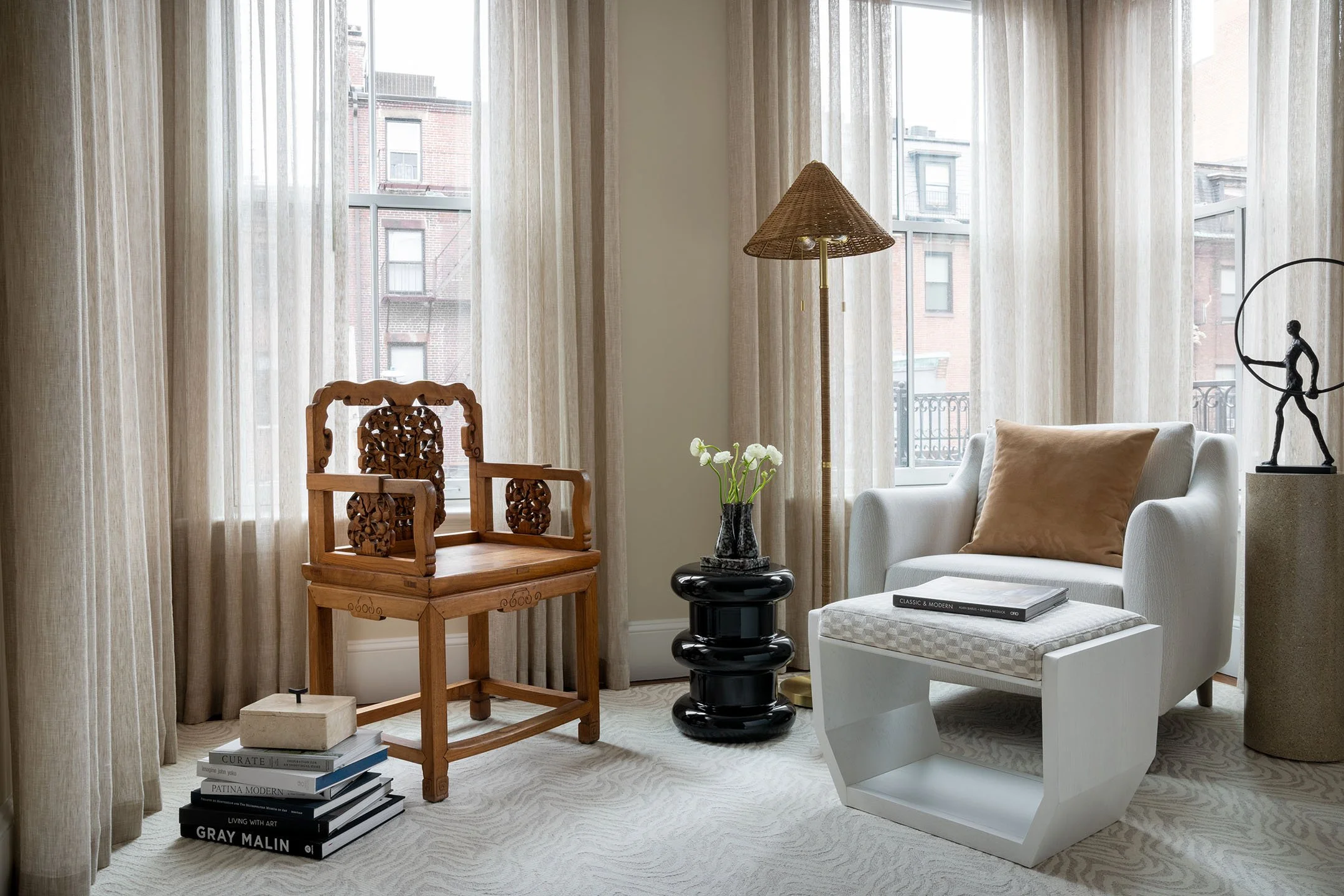
One of my favorite shifts happening in interior design is the movement away from rooms that look as though everything was purchased at once.
Vintage furniture, contemporary pieces, artwork, travel finds and objects with personal meaning create interiors with greater depth. A modern sofa can sit beside a vintage chair. A sculptural light fixture can hang above an antique table. Artwork does not need to match the furniture around it.
The most interesting homes tell you something about the people who live there. They evolve over time rather than looking like a completed furniture showroom.
See out art filled project Neutral Nuances.


7. Texture Becomes More Important Than Pattern
Fall naturally makes us think about tactile materials, but texture is becoming a much larger part of luxury interior design.
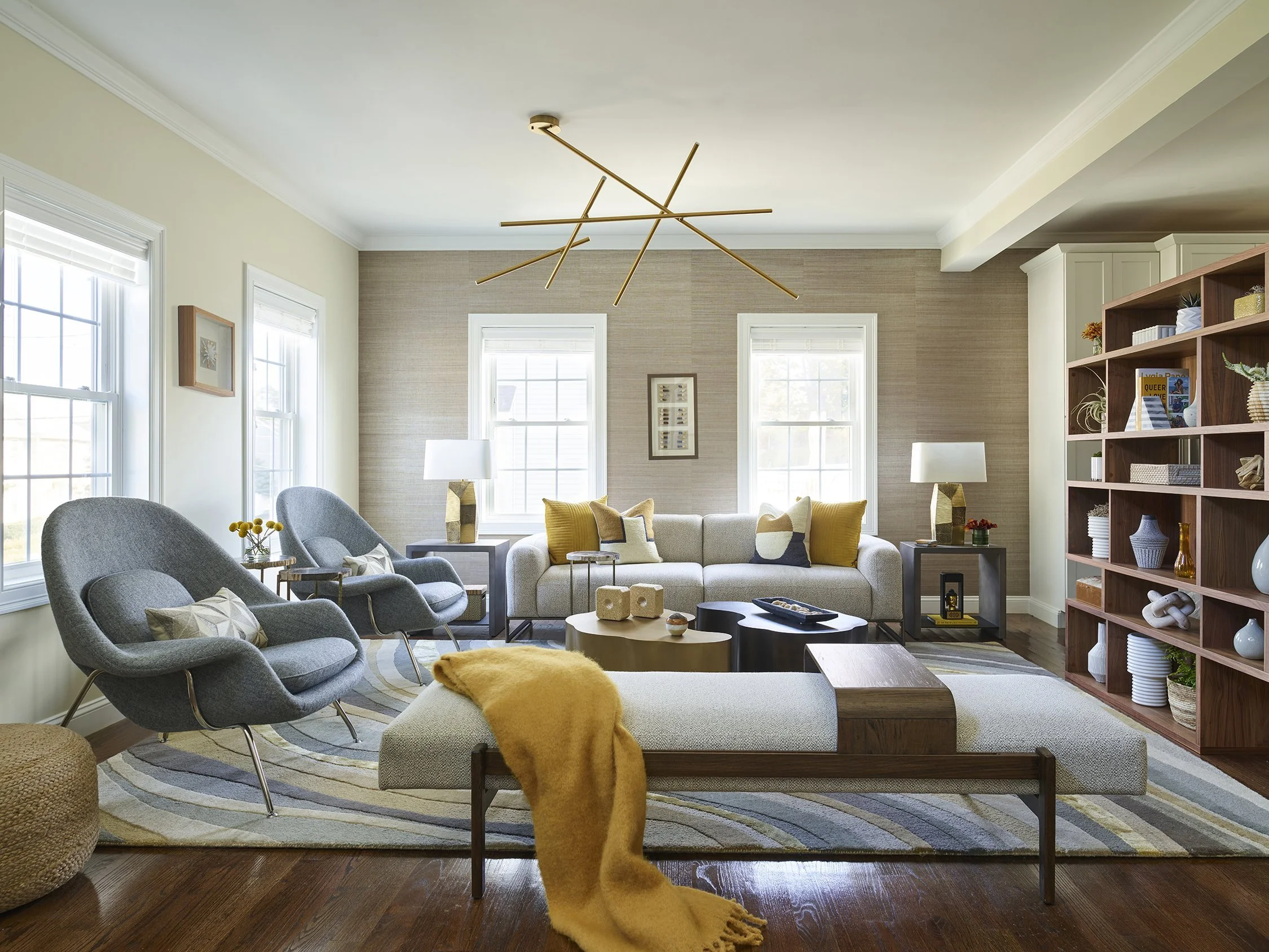
Bouclé, wool, mohair, velvet, linen, grasscloth, woven fibers and heavily textured rugs can create visual interest without relying on an abundance of pattern. Against wood and natural stone, these materials soften harder architectural surfaces and change the way a room feels.
This is particularly effective within the modern interiors we design throughout Boston, Brookline, Newton and surrounding communities, where texture can add depth while maintaining strong, clean architectural lines.
8. Homes Are Being Designed Around Emotion
Perhaps the biggest trend is not a material or color. It is a shift in how we think about our homes and the emotional impact they have on us.
Homeowners are becoming increasingly aware of the emotional impact of an interior. Lighting, color, proportion, acoustics, circulation and material choices all influence how we experience a space.
I love the psychology of interior design and the power a room has to transform your mood. A home can energize you, calm you, encourage conversation or provide a place to disconnect. That emotional response should be considered alongside aesthetics and function.
For me, this is where good interior design becomes much more powerful than following a trend.
Fall 2026 Interior Design in Boston and Greater Boston
The strongest Fall 2026 interior design trends are ultimately about creating homes with greater warmth, personality and material depth. Warm woods, expressive stone, sculptural lighting and tactile fabrics may be trending now, but they also have the ability to remain relevant long after the season changes.
At Trevor Fulmer Design, we approach trends as inspiration rather than rules. Our Boston interior design studio creates modern, personalized interiors for renovations, new construction and comprehensive furnishing projects throughout Boston and surrounding communities including Brookline, Newton, Wellesley, Weston, Dover, Needham, Lexington, Concord and Winchester.
The goal is not to create a home that looks like everyone else's. It is to understand what is happening in design, take the ideas that have value, and translate them into an interior that feels distinctly your own.
