
How to Design a Luxury Penthouse: 8 Mistakes Owners Make
Purchasing a penthouse is a milestone. Whether you've recently acquired a residence at The Quinn, the Ritz Carlton Residences South Station Tower, Millennium Tower Boston, or another luxury high rise, the design decisions you make in the first few months will have a lasting impact on both your daily experience and your property's value.
At Trevor Fulmer Design, we have worked in numerous luxury residential buildings throughout Boston and New England. As a Preferred Vendor Partner at the Ritz Carlton Residences South Station Tower and the designer behind a recently completed penthouse at The Quinn, we understand the unique opportunities and challenges that come with designing in the city's most prestigious addresses.
While many penthouse owners focus on selecting furniture and finishes, the most successful projects begin with a thoughtful plan. Here are eight common mistakes we see homeowners make when designing a luxury penthouse.
Blog Contributor:
Trevor Fulmer

“Great penthouse design balances architecture, views, comfort, and individuality.”
— Trevor Fulmer
1: Prioritizing Furniture Before Space Planning
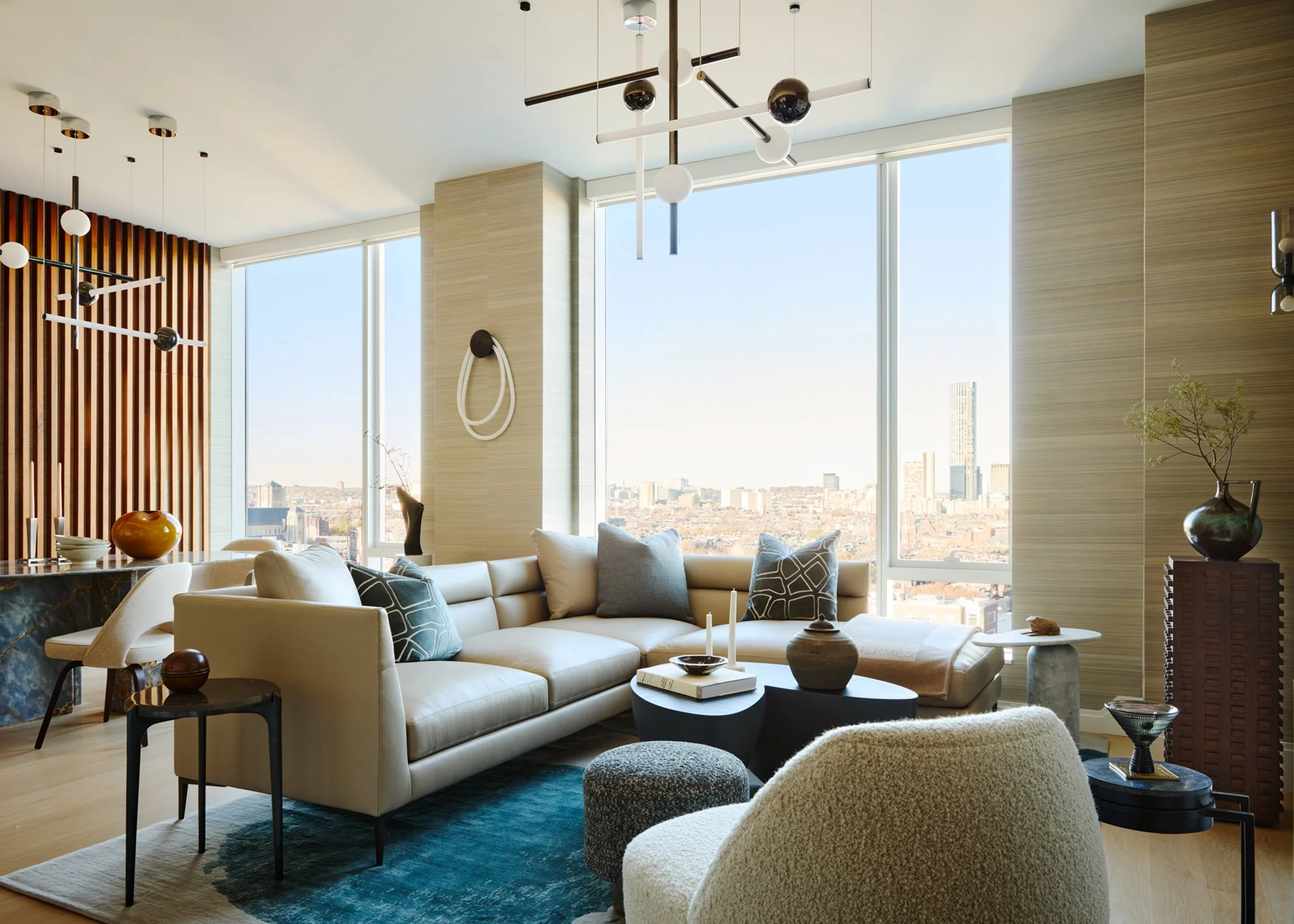
Many homeowners begin shopping for furniture before fully understanding how the space should function. While it is tempting to start selecting sofas, dining tables, and statement lighting immediately after purchasing a penthouse, doing so often leads to costly mistakes.
A penthouse should be designed around circulation, views, entertaining, daily routines, and lifestyle goals. How do you host guests? Do you work from home? Is the residence intended to be a primary home, a pied à terre, or a place to entertain? These questions should influence every decision.
Without a comprehensive furniture plan, it is easy to purchase pieces that are either too large, too small, or fail to work together cohesively. In many cases, homeowners end up replacing recently purchased furnishings because they do not support the larger vision for the space.
The best penthouse interiors begin with a carefully developed floor plan that considers every square foot before a single item is purchased. When the layout is right, every subsequent design decision becomes easier and more successful.
2: Ignoring the Views
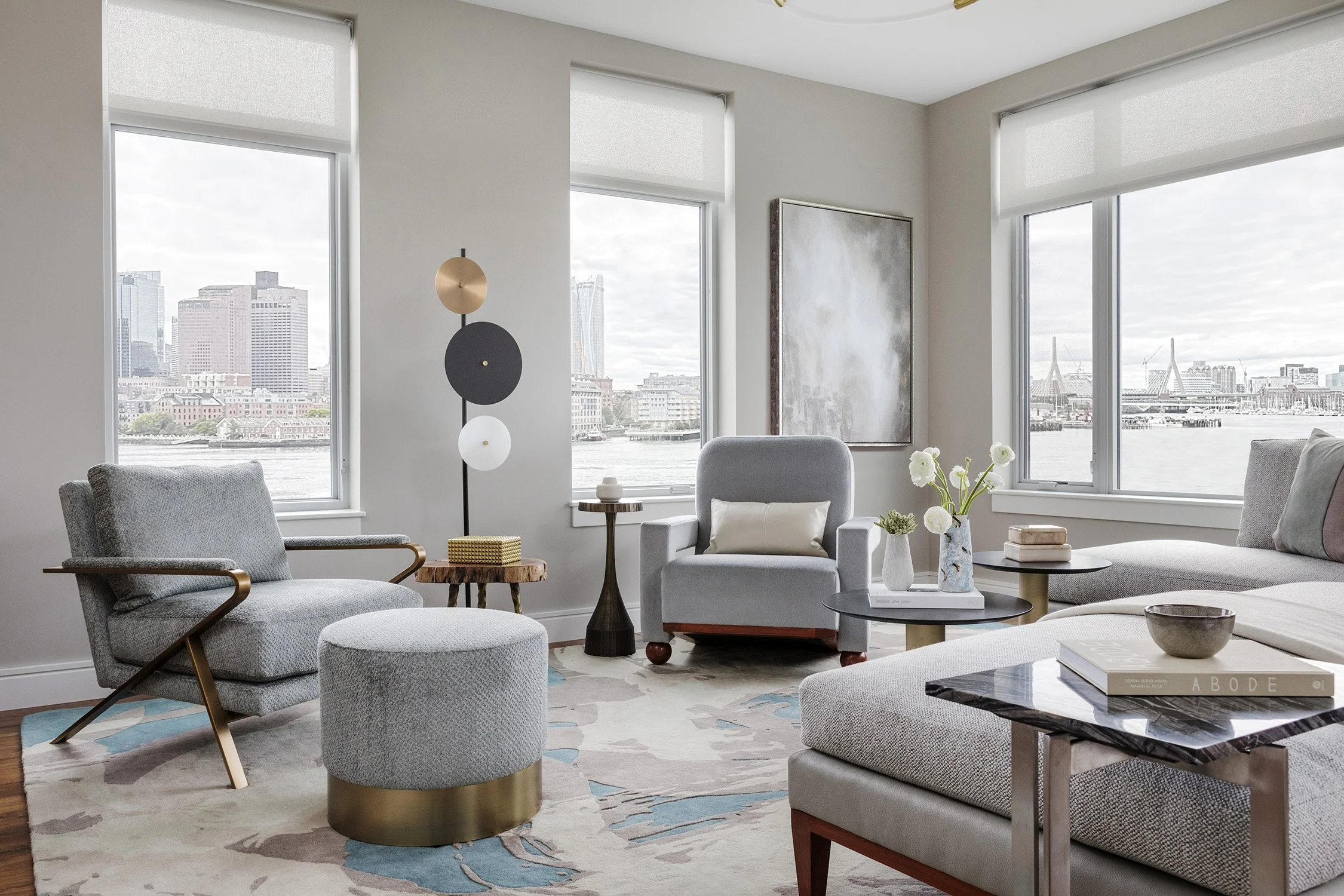
One of the greatest assets of a penthouse is often just outside the window. Whether overlooking Boston Harbor, the Charles River, or the city's skyline, those views should influence nearly every design decision.
Unfortunately, we frequently see layouts that unintentionally block sightlines with oversized furniture, improperly scaled lighting, tall decorative accessories, or poorly positioned televisions. In some cases, homeowners invest heavily in interior finishes while minimizing the very feature that made them fall in love with the property in the first place.
At our Quinn penthouse project, every major design decision was evaluated against the panoramic city views. Even the height of dining chairs, pendant lights, and occasional furniture was carefully considered to ensure the skyline remained the focal point from multiple vantage points throughout the home.
The architecture and the views should always work together. A well designed penthouse frames and celebrates its surroundings rather than competing with them.
3: Underestimating Lighting
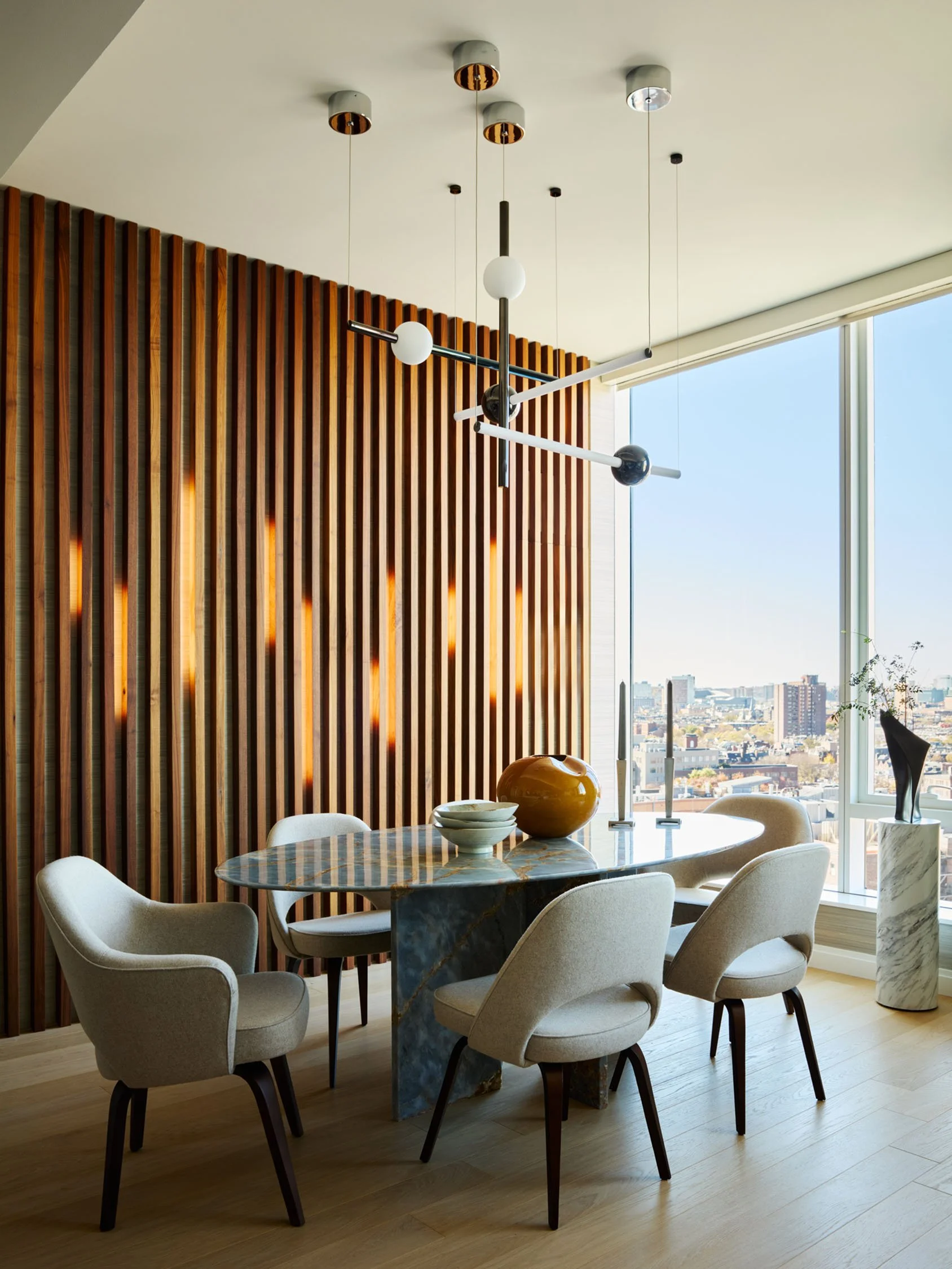
Lighting is one of the most important elements in luxury interior design, yet it is often overlooked until late in the process. By the time homeowners begin thinking seriously about lighting, many opportunities have already been missed.
A successful penthouse requires multiple layers of lighting including architectural lighting, decorative fixtures, accent lighting, task lighting, and artwork illumination. Each layer serves a different purpose and contributes to the overall atmosphere of the home.
Natural light may be abundant during the day, but a penthouse should feel equally inviting after sunset. The right lighting can emphasize architectural details, highlight artwork, improve functionality, and create warmth within large open floor plans.
The goal is not simply brightness. The goal is creating flexibility and atmosphere throughout the day and evening. The most luxurious homes feel equally beautiful at noon and at midnight because their lighting has been thoughtfully planned from the very beginning.

4: Designing Every Room the Same Way
Many penthouse owners strive for consistency but accidentally create interiors that feel repetitive. While cohesion is important, uniformity can make a home feel flat and predictable.
Each room should have its own identity while still contributing to a larger design story. Variation in scale, texture, materiality, lighting, and furniture forms creates visual interest and encourages movement throughout the home. A residence should reveal itself gradually rather than feeling fully understood within the first few moments.
A dining room should not feel identical to a living room, and a primary bedroom should evoke a different mood than a home office. Different spaces support different activities and should reflect those distinctions through their design.
Thoughtful contrast creates memorable interiors. The most sophisticated penthouses balance continuity with individuality, allowing each room to contribute something unique to the overall experience.
5: Missing Opportunities for Customization
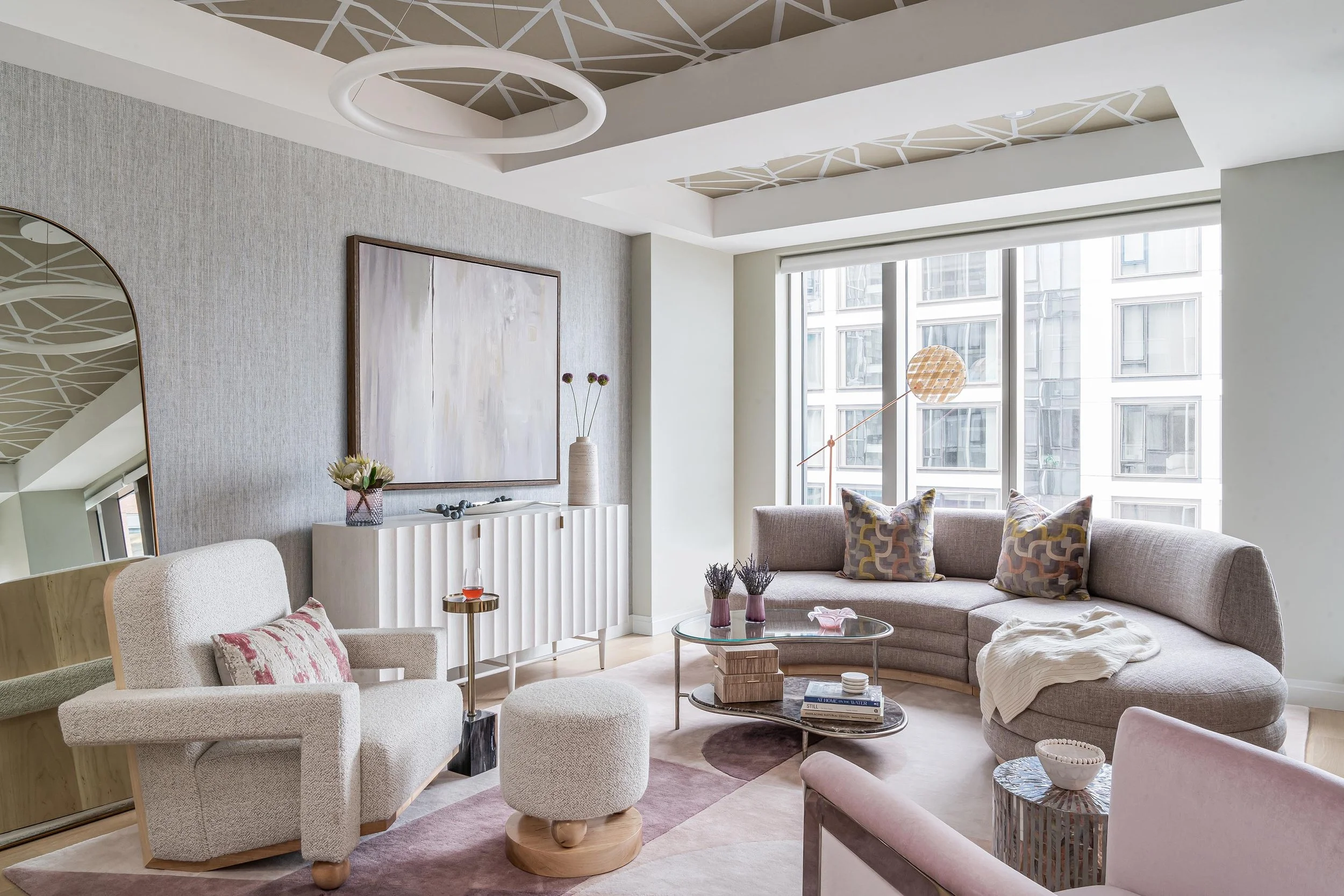
A luxury penthouse should feel uniquely yours. Yet many homeowners rely exclusively on retail furnishings and finishes that can be found in countless other residences.
Custom elements elevate a residence beyond what can be achieved through standard selections alone. This may include custom millwork, bespoke furniture, one of a kind artwork, tailored lighting solutions, specialty finishes, or architectural detailing designed specifically for the space.
At Trevor Fulmer Design, we offer opportunities for extensive personalization through our Foundations rug collection and custom rug capabilities developed in partnership with Landry & Arcari. We also created Natural Principles, our collection of grasscloth wallcoverings inspired by landscapes, movement, texture, and natural forms.
These exclusive design elements allow homeowners to create interiors that cannot be replicated elsewhere. The result is a home that feels personal, distinctive, and reflective of the people who live there rather than a collection of furnishings selected from a catalog.
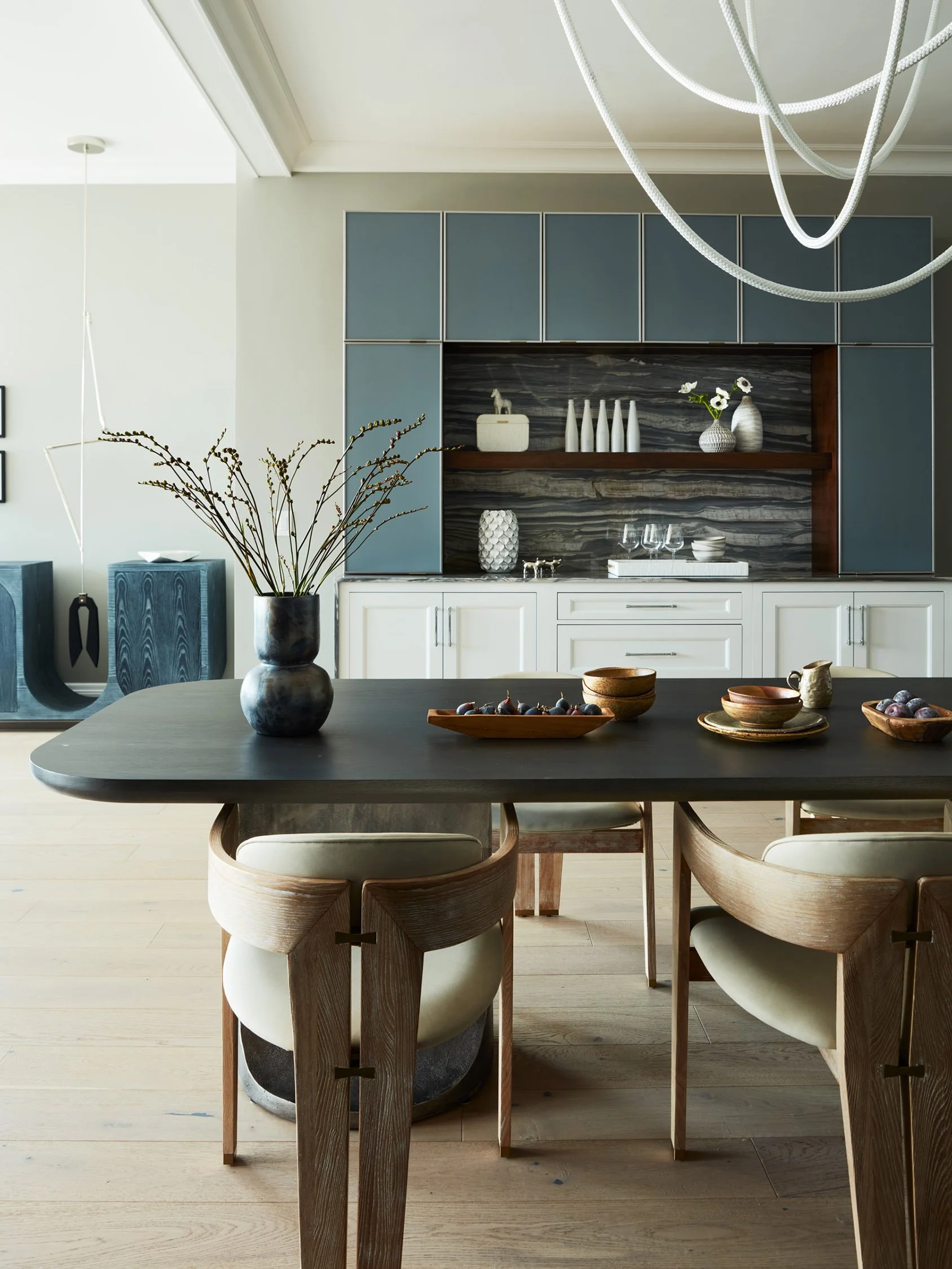
6: Forgetting About Storage
Luxury living does not eliminate the need for practical storage. In fact, storage often becomes even more important as homeowners seek to maintain clean architectural lines and uncluttered interiors.
One of the most common mistakes in high rise living is focusing exclusively on aesthetics while overlooking the realities of everyday life. Seasonal items, luggage, entertaining pieces, office supplies, technology, and personal collections all require thoughtful accommodation.
The most successful penthouses integrate storage seamlessly into the architecture through custom cabinetry, built ins, concealed utility spaces, multifunctional furnishings, and carefully planned millwork. When done correctly, storage enhances the design rather than detracting from it.
Beautiful spaces perform beautifully. The goal is to create interiors that look exceptional while supporting the routines and needs of daily life.

7: Choosing Finishes Without Considering Longevity
Trends come and go. Penthouse renovations often remain for decades. While it can be tempting to embrace the latest design trend, homeowners should carefully evaluate whether those selections will still feel relevant years from now.
The most successful luxury interiors balance contemporary design with timeless materials and craftsmanship. Natural stone, custom millwork, tailored upholstery, quality lighting, and thoughtfully selected architectural details tend to age gracefully while continuing to add value to the home.
This does not mean avoiding personality or creativity. Instead, it means investing in foundational elements that can withstand changing tastes and evolving lifestyles. Decorative layers can be refreshed over time, but major architectural decisions should have lasting appeal.
A well designed penthouse should feel current today and equally compelling ten or twenty years from now.
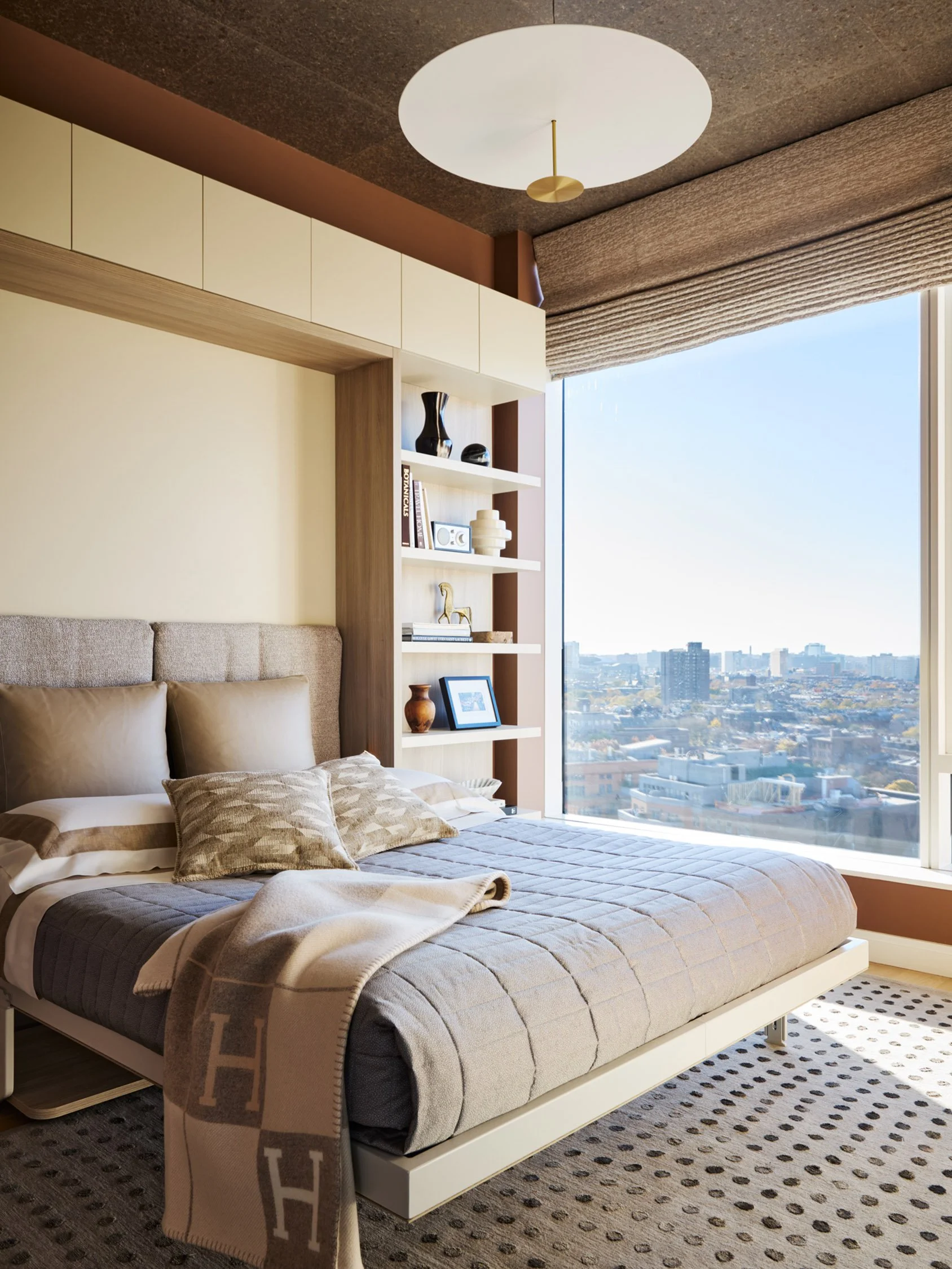

8: Hiring a Designer Without High Rise Experience
Luxury condominium buildings present unique challenges that many homeowners do not anticipate. Designing a penthouse involves much more than selecting finishes and furnishings.
Move in regulations, elevator reservations, insurance requirements, loading dock procedures, contractor access, building approvals, and construction restrictions all influence a project's timeline and execution. A single oversight can create delays, additional costs, or unnecessary frustration.
An experienced designer understands how to navigate these complexities while coordinating vendors, contractors, deliveries, and installations. They also understand how building systems, architectural constraints, and condominium rules can impact design decisions.
Having worked within many of Boston's premier residential towers, including The Quinn, Millennium Tower Boston, and as a Preferred Vendor Partner at the Ritz Carlton Residences South Station Tower, our team understands the processes, requirements, and expectations associated with luxury high rise living. That experience allows projects to move more efficiently while delivering a more refined result.
Designing a Luxury Penthouse with Purpose
A penthouse is more than just a larger condominium. It is a unique opportunity to create a highly personalized home that reflects your lifestyle, priorities, and aspirations. From maximizing views and natural light to integrating custom architectural details, the most successful penthouse interiors are thoughtfully planned from the very beginning.
The process always begins with understanding the property itself. Every building presents different opportunities and constraints, whether it's a residence at The Quinn, Ritz Carlton Residences South Station Tower, Millennium Tower Boston, or another luxury high rise. When design decisions respond to the architecture, views, and daily routines of the homeowner, the result feels effortless and enduring.
The mistakes outlined above are common, but they are also entirely avoidable with the right team and strategy. Careful space planning, layered lighting, custom design elements, and a deep understanding of luxury residential buildings all contribute to a more successful outcome.
For homeowners seeking a truly one of a kind residence, customization can make all the difference. From bespoke furnishings and millwork to exclusive wallcoverings from our Natural Principles collection and custom rugs through our Foundations collection, every detail can be tailored to create a home that is uniquely yours.
At Trevor Fulmer Design, we have extensive experience designing luxury residences throughout Boston's premier residential towers. Our work combines thoughtful planning, architectural sensitivity, and highly personalized design solutions to create homes that are as functional as they are beautiful.
If you are planning a penthouse renovation, furnishing a newly purchased residence, or exploring possibilities for your luxury condominium, we would welcome the opportunity to discuss your project.
