
Interior Designer vs Interior Decorator: What's the Difference?
Many people use the terms interior designer and interior decorator interchangeably. While there is certainly overlap, they represent two very different professions with different training, responsibilities, and project scopes.
Understanding the distinction can save you time, money, and frustration, especially if you're planning a renovation, building a new home, or investing in a luxury residence.
At Trevor Fulmer Design, we are a full service Boston interior design studio specializing in renovations, new construction, and luxury residential interiors. Below are eight ways an interior designer differs from an interior decorator, and how to determine which professional is right for your project.
Blog Contributor:
Trevor Fulmer

“Great homes begin with choosing the right design professional for your vision.”
— Trevor Fulmer


1. Interior Designers Can Reimagine the Structure of a Home
The biggest distinction begins before a single piece of furniture is selected.
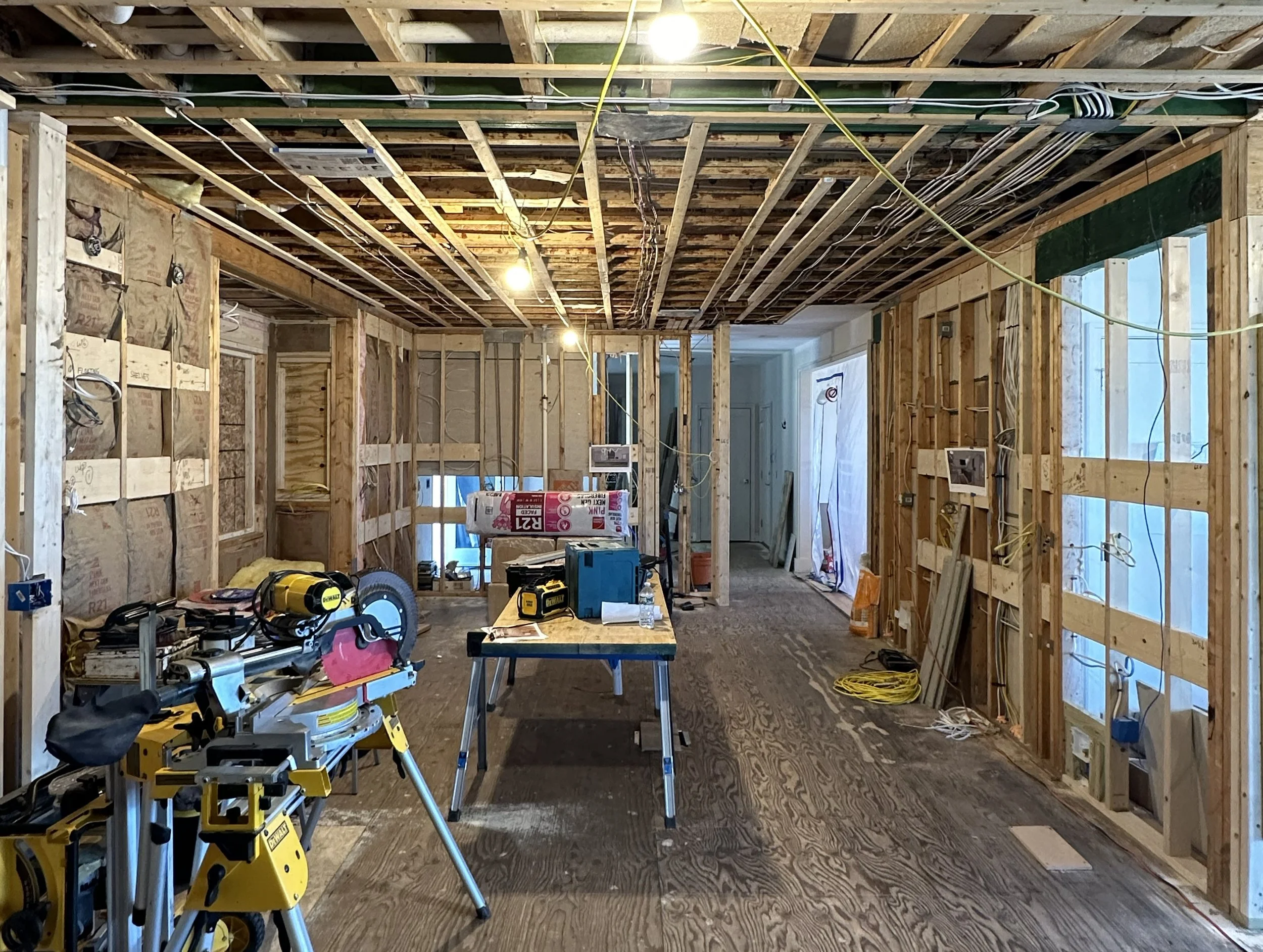
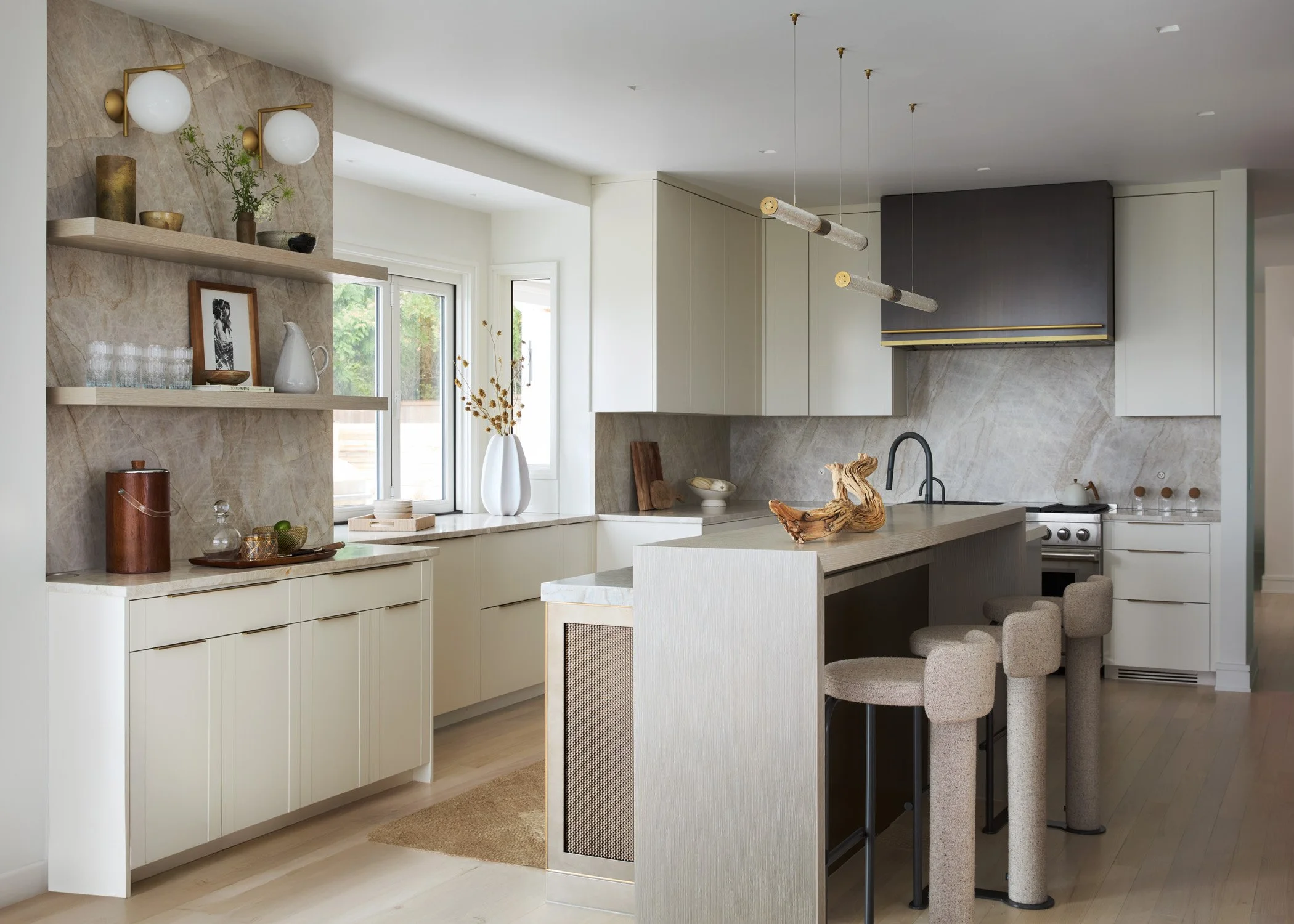
Interior designers evaluate how a home functions and can redesign the layout itself. This may include relocating walls, reconfiguring kitchens, expanding bathrooms, designing custom built ins, improving circulation, or creating entirely new floor plans.
Interior decorators typically work within the existing architecture, enhancing what already exists through furnishings and decorative finishes.
If your home requires construction or major spatial changes, an interior designer is the appropriate choice.

2. Interior Designers Plan Spaces Before Selecting Furniture
Beautiful rooms begin with thoughtful planning.
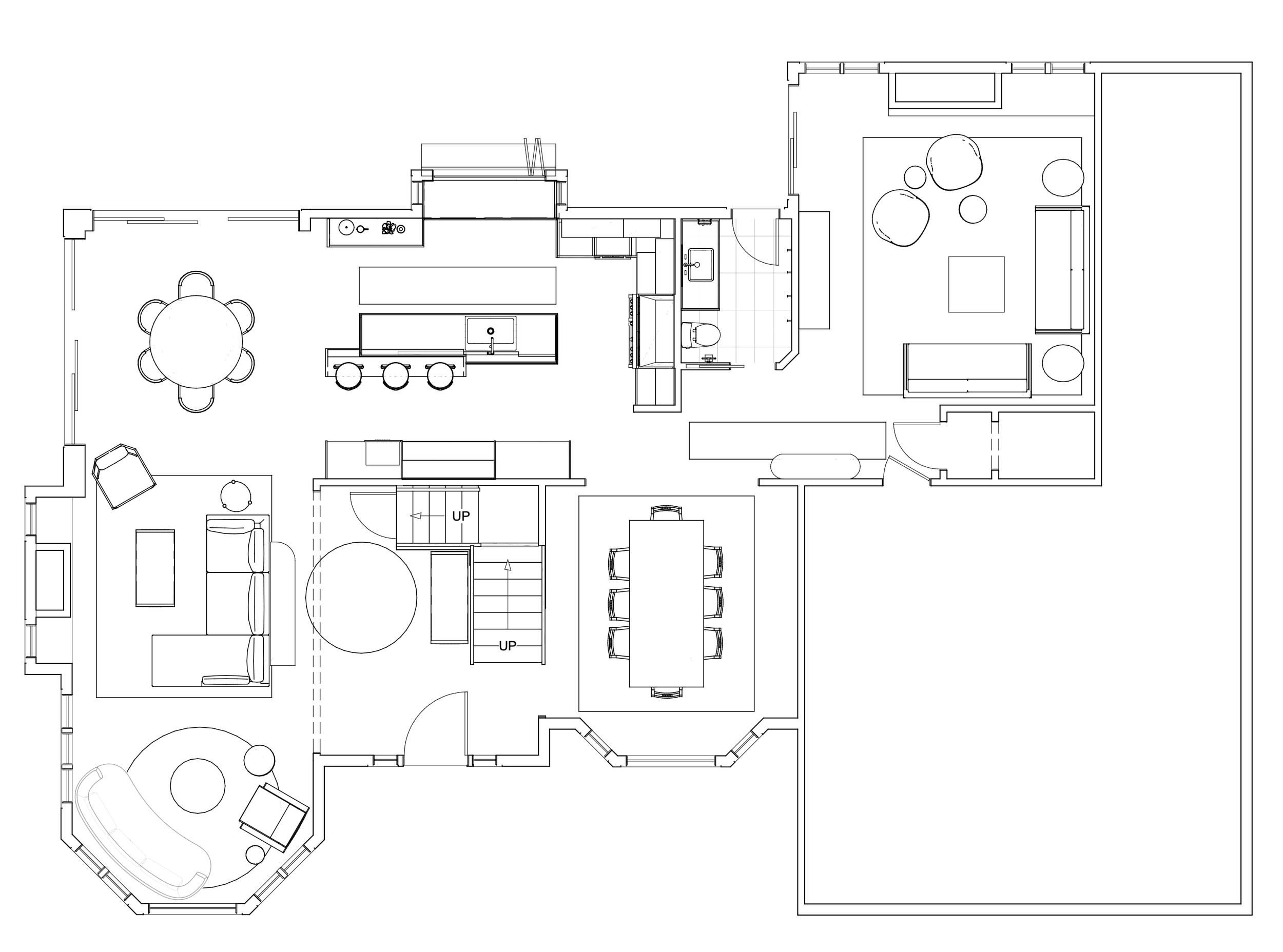
Before selecting furnishings, an interior designer studies proportions, circulation, sightlines, lighting, storage, and how each room connects to the next. Every decision is made in relation to the architecture and the way the homeowner lives.
Decorators generally focus on the visual presentation of a finished room by selecting furniture, accessories, textiles, artwork, and decorative styling.
The result may look beautiful, but the underlying function of the space often remains unchanged.

3. Interior Designers Coordinate Renovations
Luxury renovations require hundreds of decisions that happen long before furniture arrives.
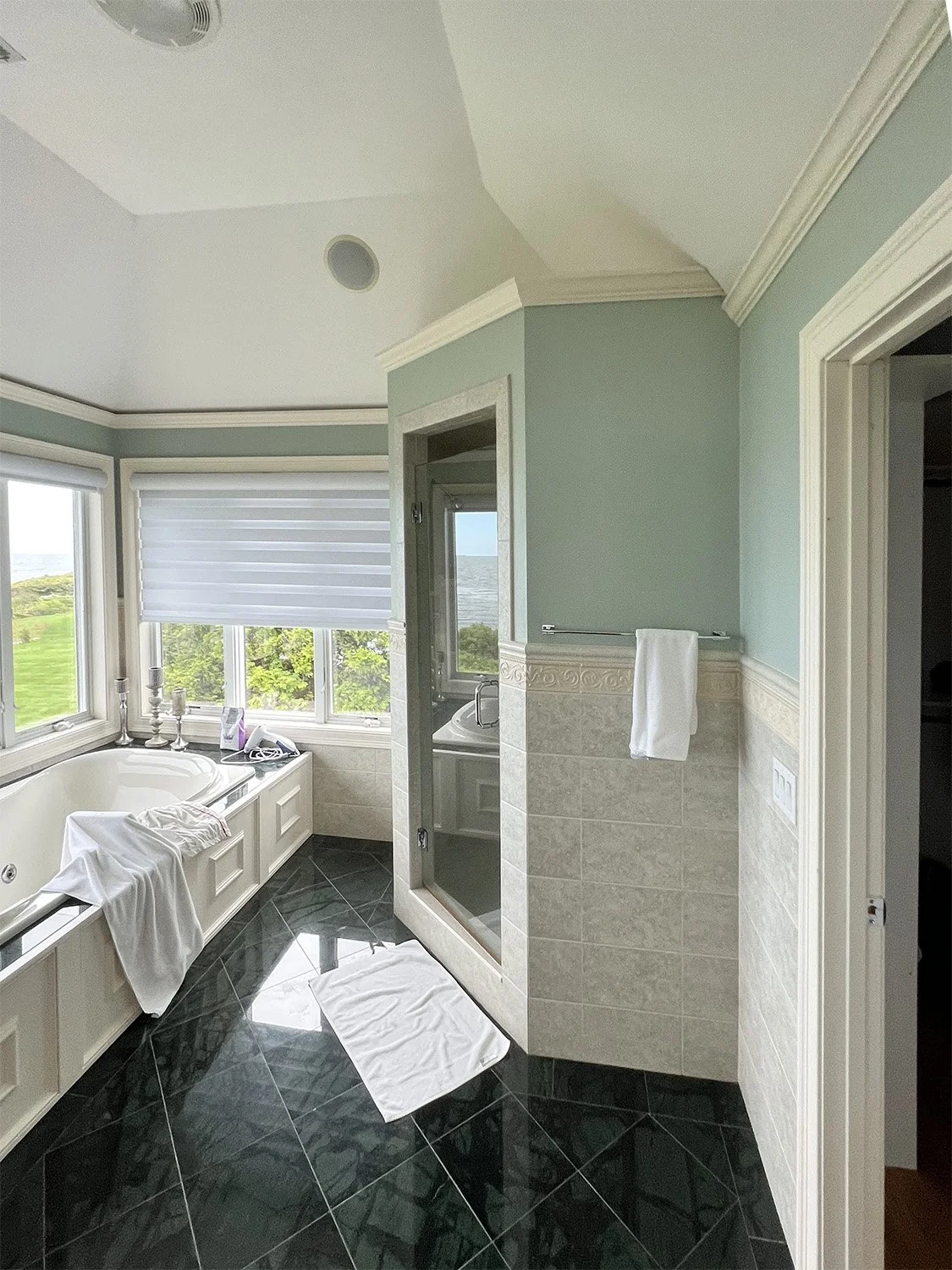
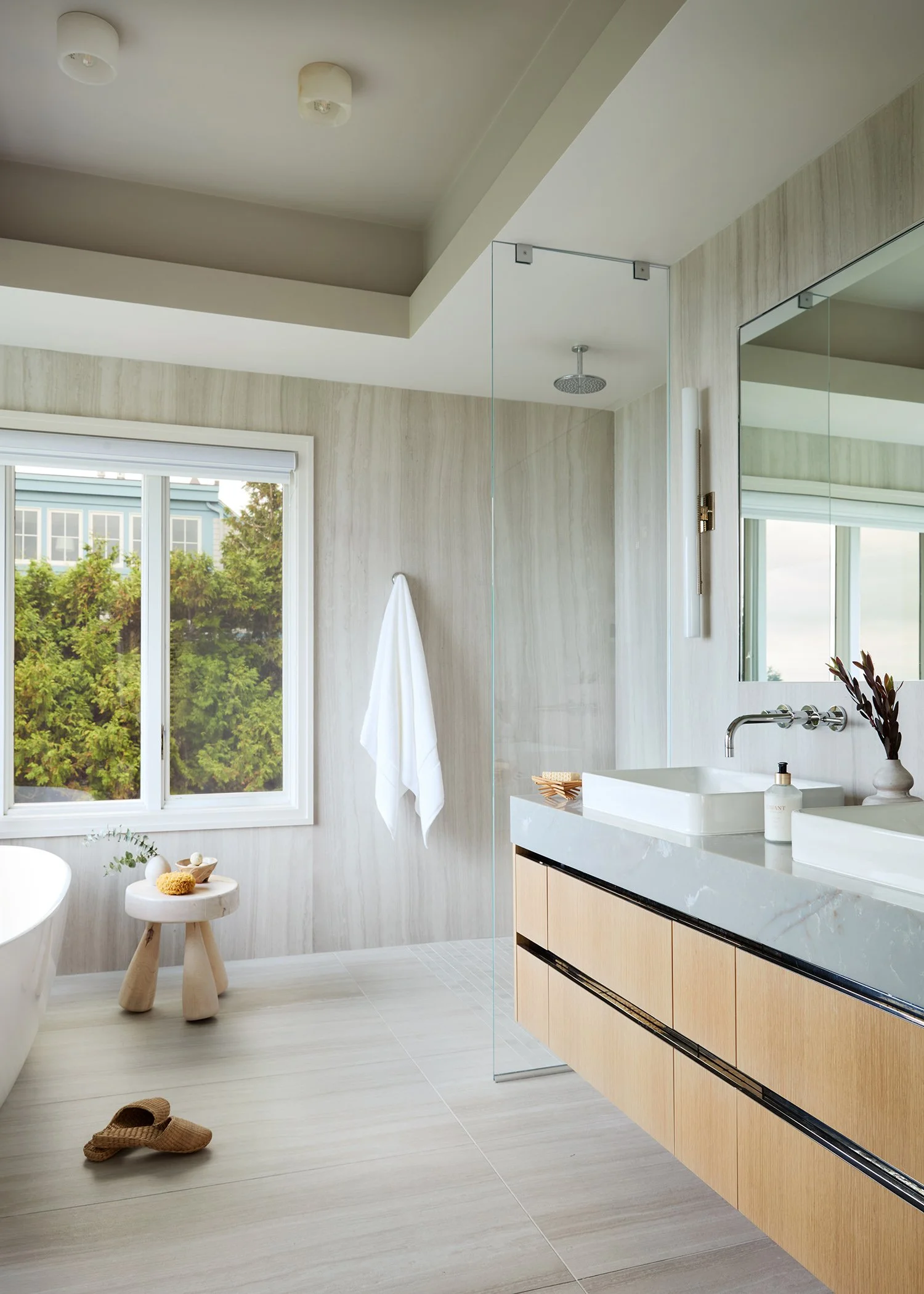
Interior designers prepare detailed construction drawings, select architectural finishes, coordinate with architects and contractors, review millwork, specify plumbing fixtures, lighting, flooring, tile, hardware, and countless other details.
Decorators are generally not involved in construction documentation or managing the design decisions that shape a renovation.
If your project includes demolition, kitchens, bathrooms, additions, or custom architectural elements, an interior designer provides guidance from the beginning.

4. Interior Designers Create Comprehensive Lighting Plans
Lighting is one of the most overlooked elements of residential design.
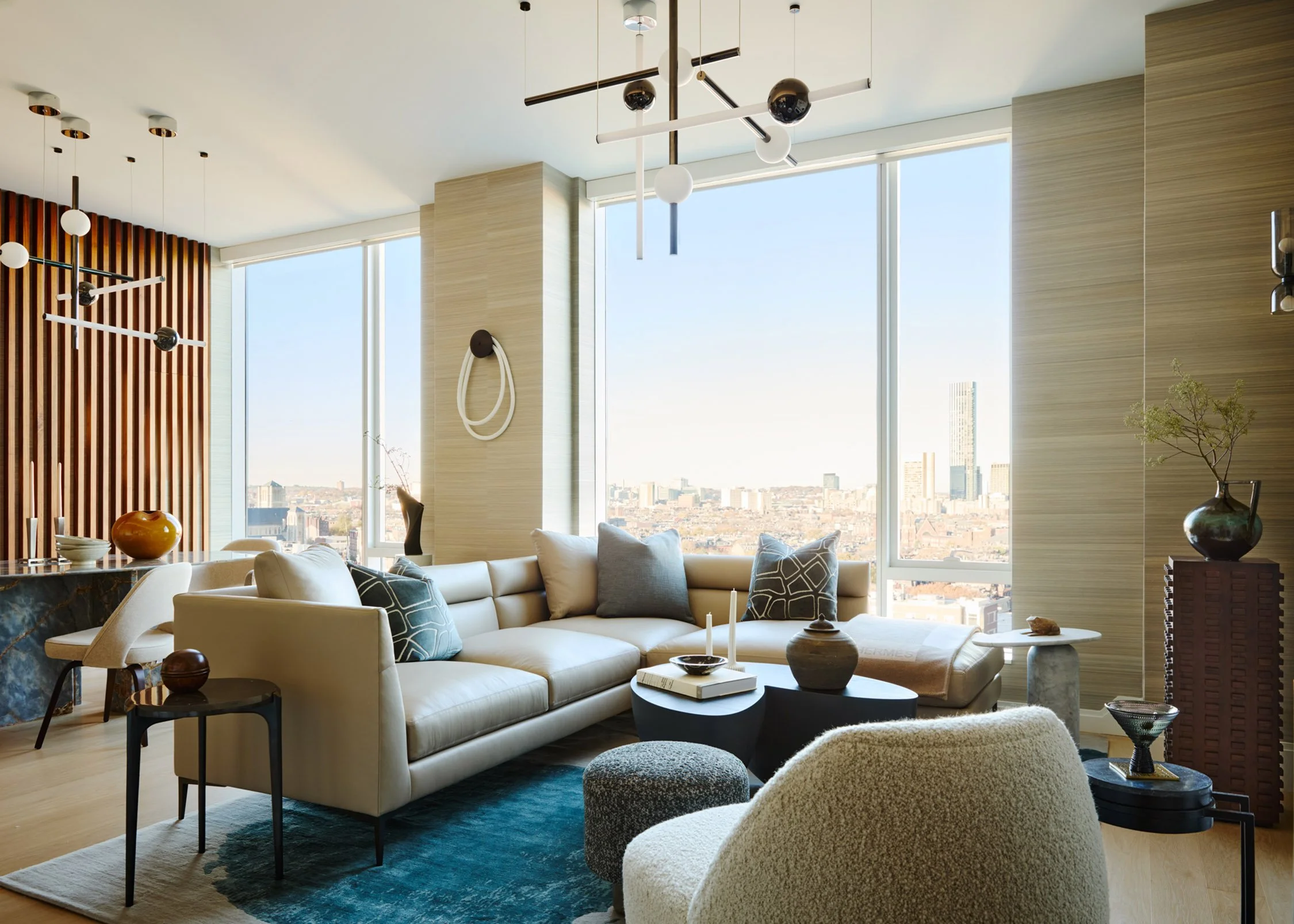
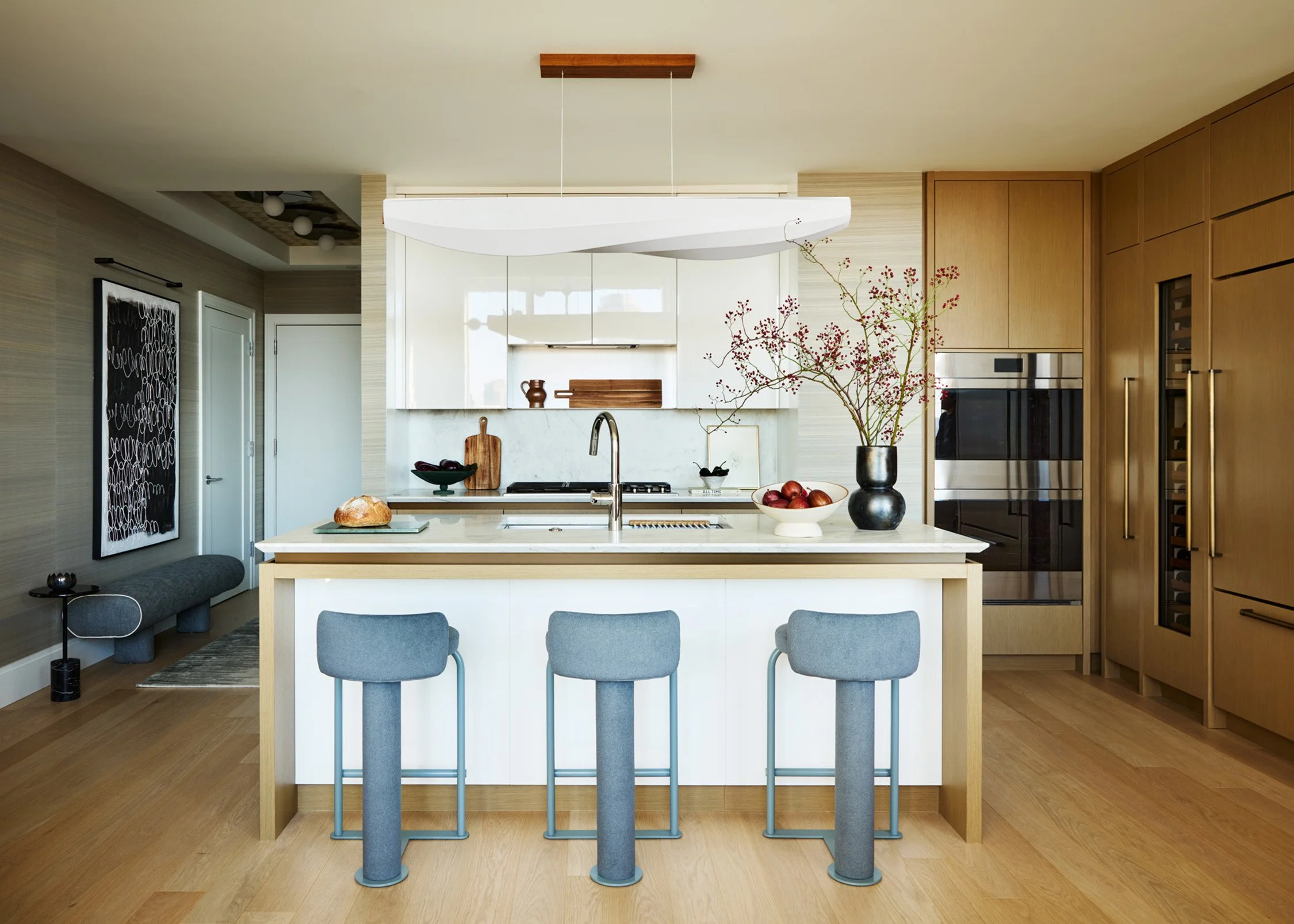
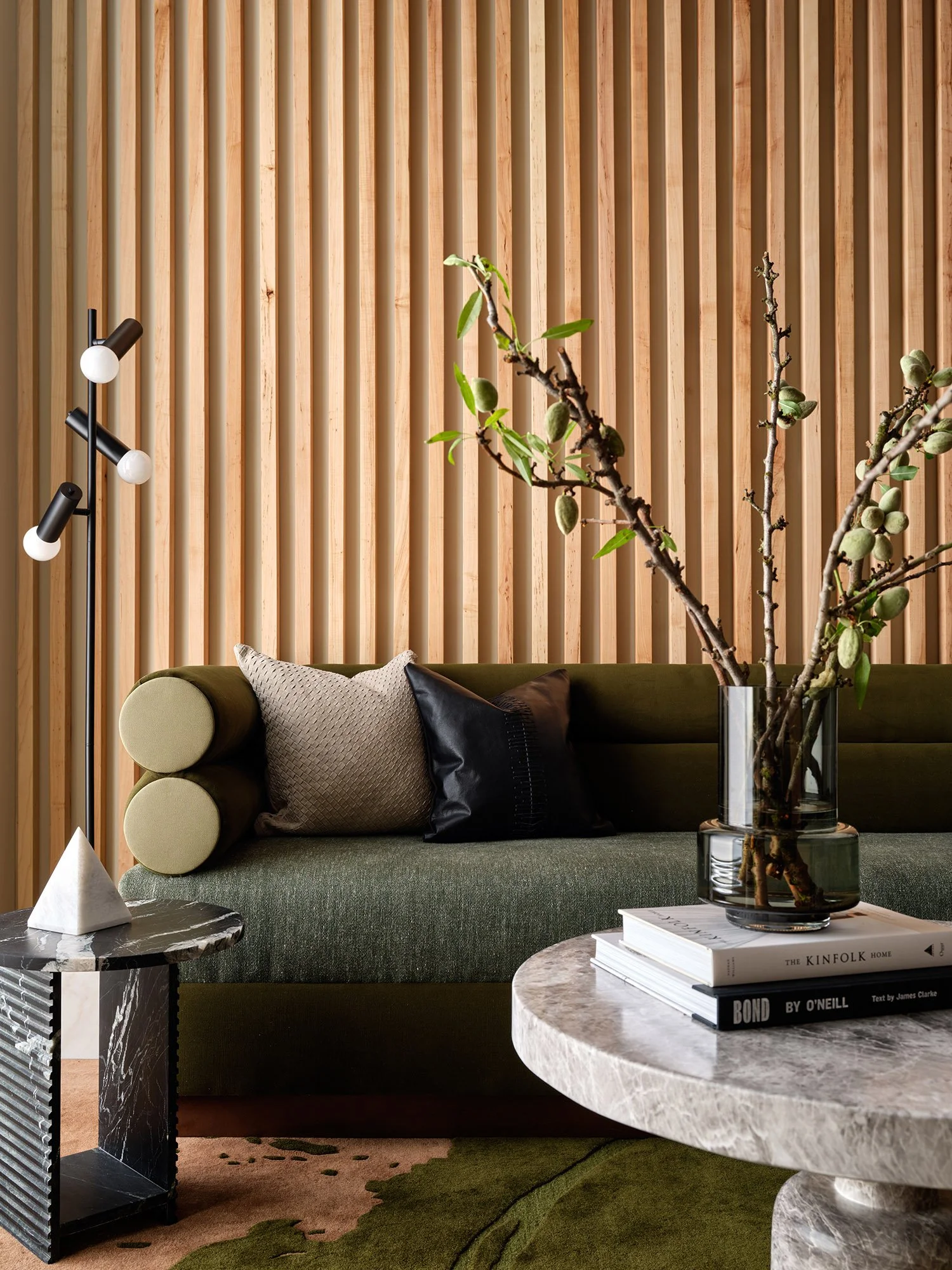
An interior designer considers natural light, recessed lighting placement, decorative fixtures, accent lighting, task lighting, dimming systems, and how light interacts with materials throughout the day.
Decorators may recommend decorative fixtures, but comprehensive lighting design is typically outside the scope of decorating.
A thoughtfully designed lighting plan dramatically changes how a home looks, functions, and feels.
5. Interior Designers Design Custom Solutions
Not every home can be solved with furniture purchased from a showroom.
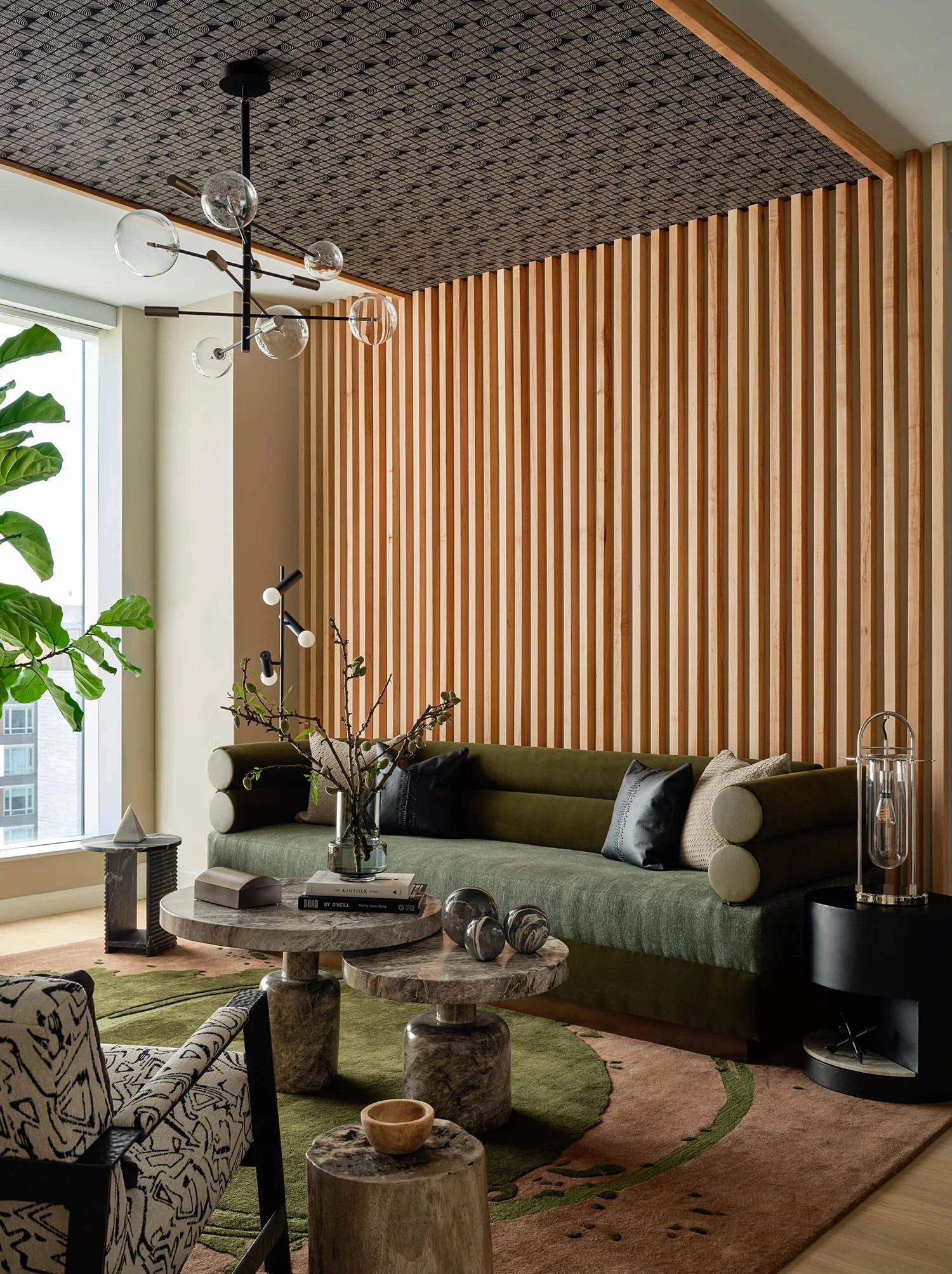
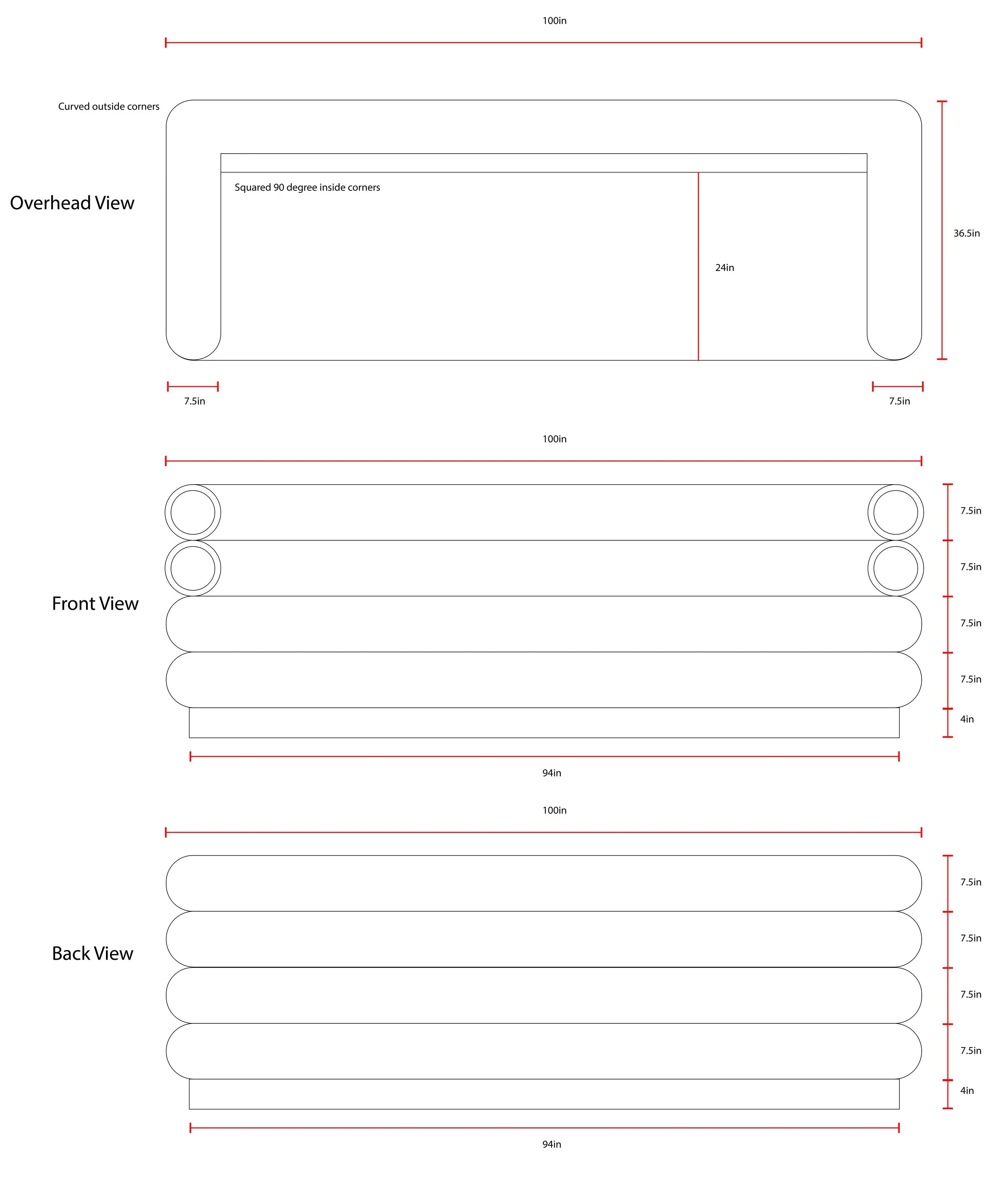
Interior designers frequently create custom cabinetry, fireplace surrounds, built ins, furniture, vanities, kitchen islands, closets, and architectural details designed specifically for the home.
These custom elements maximize functionality while giving each project a unique identity.
Decorators generally select from existing retail furnishings rather than creating custom solutions.


6. Interior Designers Manage the Entire Design Process
Design is much more than selecting beautiful finishes.
A full service interior designer coordinates vendors, develops schedules, reviews shop drawings, manages orders, tracks deliveries, oversees installations, and works closely with contractors throughout the project.
Decorators often become involved after construction has been completed and focus primarily on furnishing and styling the finished space.
For homeowners seeking one point of contact from concept through installation, an interior designer provides a more comprehensive service.



7. Interior Designers Balance Beauty and Performance
Great design is never just about appearance.
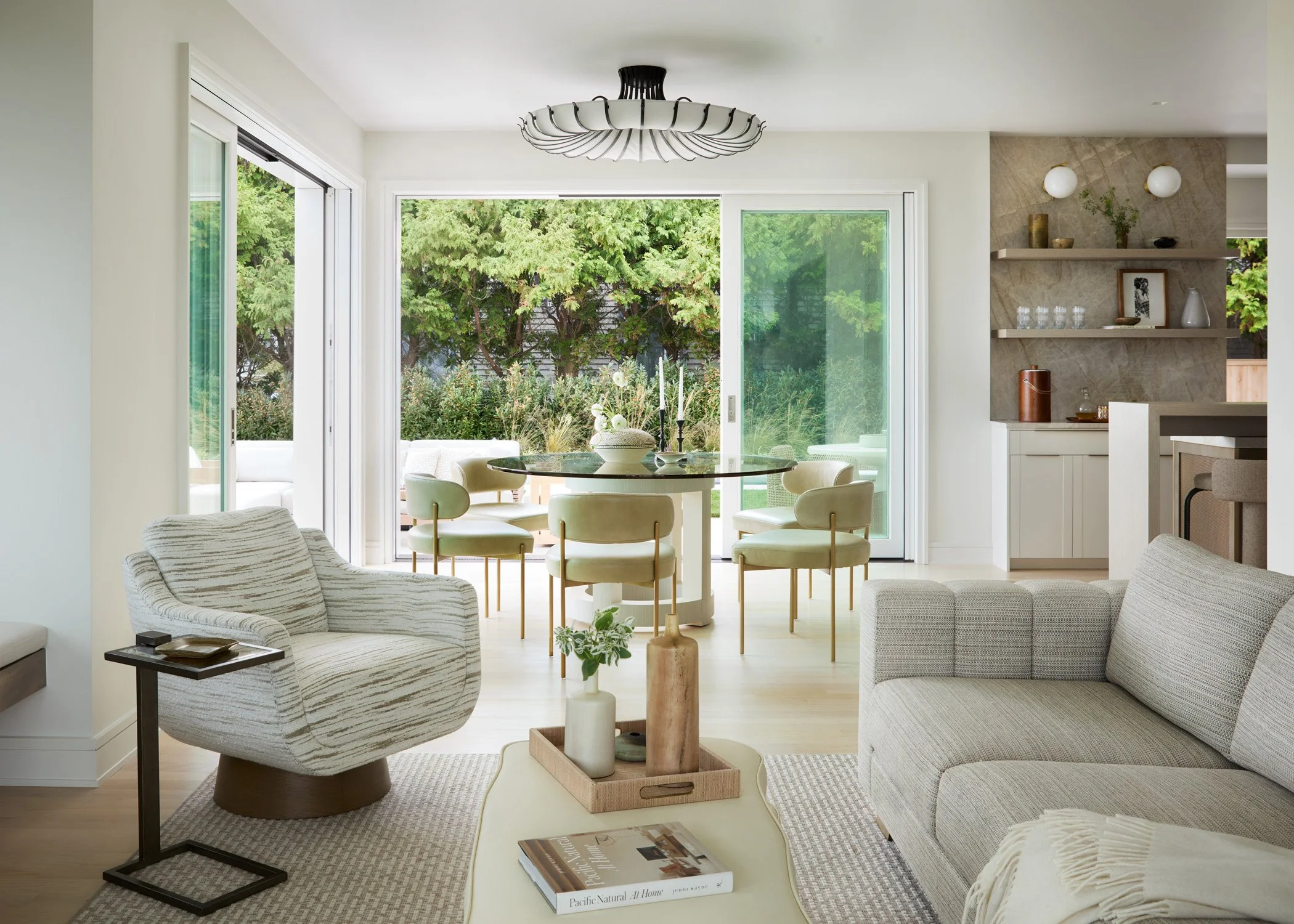
Every finish, material, fabric, and furnishing must perform for the people living in the home. Durability, maintenance, comfort, acoustics, storage, and longevity all influence the design process.
While decorators excel at creating attractive interiors, interior designers evaluate how every decision contributes to the home's long term function as well as its visual appeal.
The most successful interiors balance aesthetics with everyday living.



8. Interior Designers Think About the Entire Home
Individual rooms should never feel disconnected.
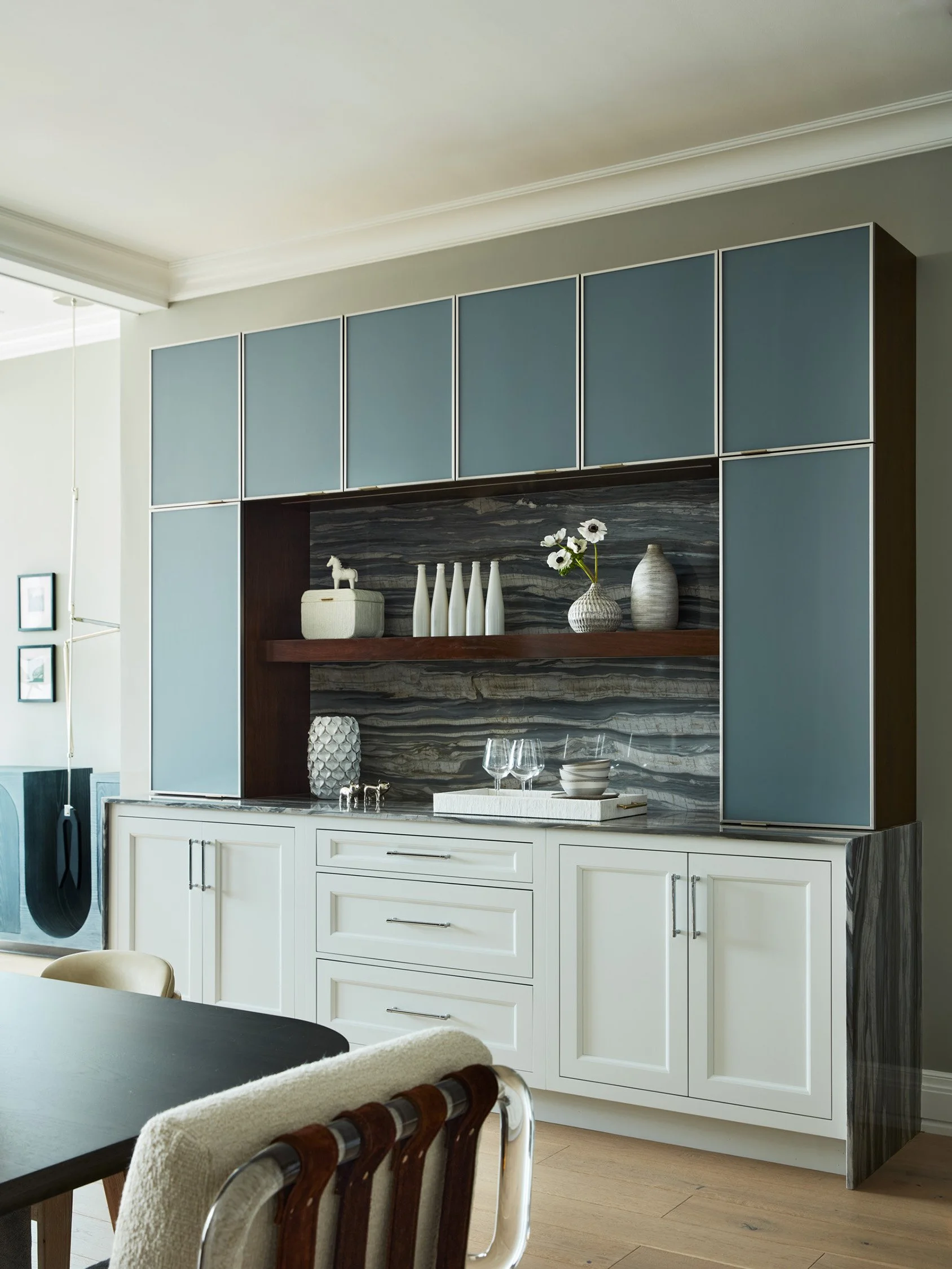
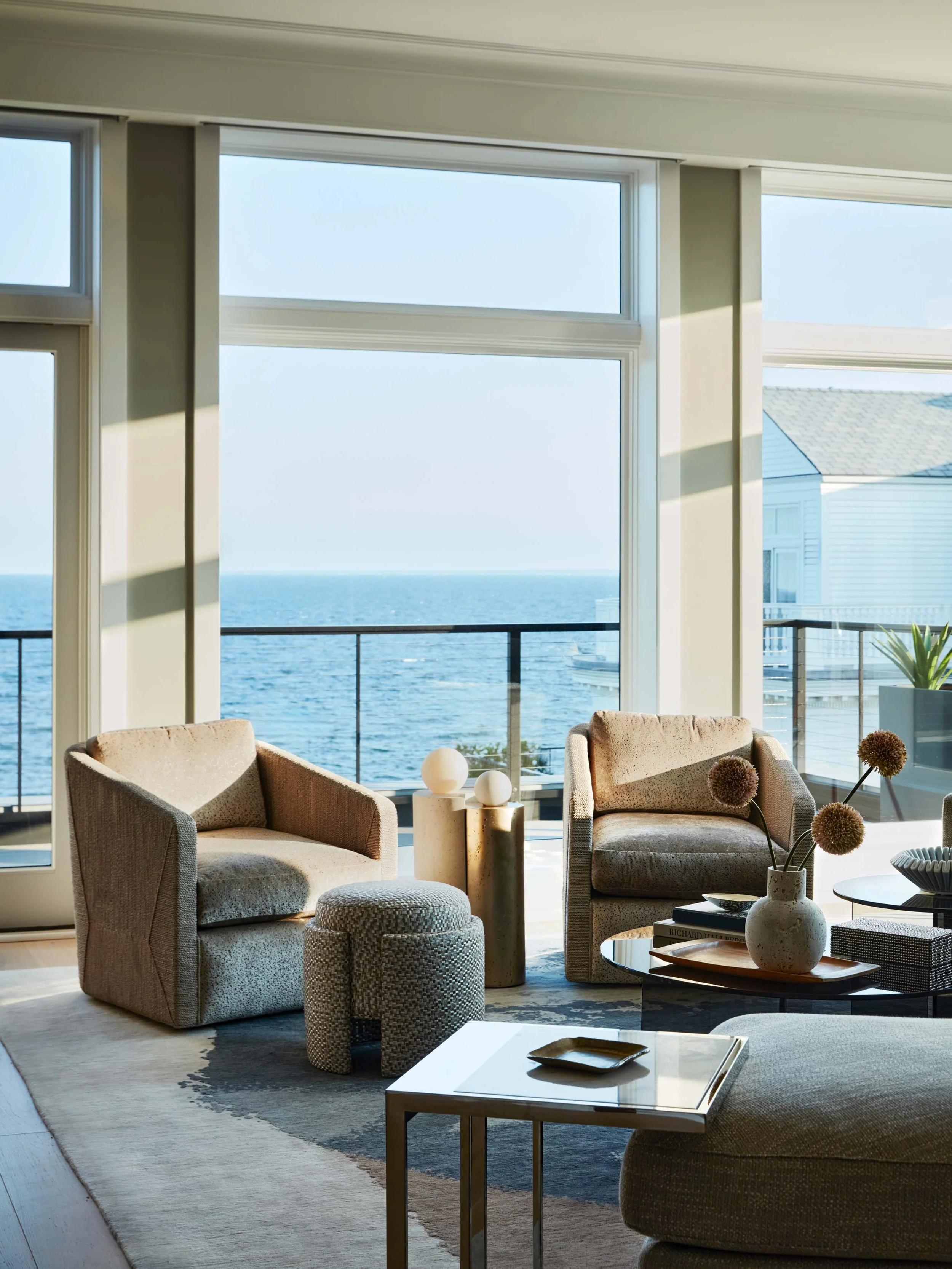
Interior designers create a cohesive experience by considering how colors, materials, lighting, architectural details, furnishings, and artwork relate throughout the entire residence.
Rather than designing rooms independently, they establish a consistent visual language that creates flow from one space to the next.
The result is a home that feels intentional, timeless, and uniquely personal.
Which Professional Is Right for You?
If you're simply refreshing an existing room with new furniture, artwork, or accessories, an interior decorator may be exactly what you need.
However, if your project involves renovations, custom millwork, kitchens, bathrooms, new construction, lighting design, space planning, or creating a highly personalized home, an interior designer brings the experience needed to guide the project from concept through completion.
At Trevor Fulmer Design, we believe exceptional interiors begin with thoughtful planning. Every project is approached holistically, balancing architecture, materials, lighting, proportion, and functionality to create homes that are both beautiful and deeply personal. If you're planning a renovation or building your dream home, we'd love to help you create a space designed around the way you live.
