
Design Tips: How to Arrange Living Room Furniture
Why layout matters
A living room rarely struggles because of the pieces inside it. More often, the problem is where those pieces land. A beautiful sofa pushed against the wrong wall, chairs that sit too far apart, or a coffee table that blocks the natural walkway can make a room feel awkward even when the furniture itself is great.
Furniture arrangement quietly shapes how a room behaves. It determines where people sit, where they walk, and how easily conversations happen. When the layout works, everything feels natural.
Understanding how to arrange living room furniture begins with thinking about how the space should function day to day. The goal is not just to fill the room. It’s to build a layout that supports real life while still looking polished.
At Trevor Fulmer Design, we help clients recognize the fact that the right arrangement can completely change how a room feels without buying a single new piece. It could be moving a sofa six feet, turning a chair or shifting a rug and suddenly the room works. In other words, a room that once felt stiff can feel welcoming simply by letting the furniture interact more naturally.
Here, we break down how to approach furniture placement with purpose. Our tips help you achieve the look you want with steps designed to shape a living room that feels welcoming, practical, and thoughtfully planned.
Blog Contributor:
Trevor Fulmer

“Layout transforms a room without changing a single piece.”
— Trevor Fulmer
Start with how you use the space
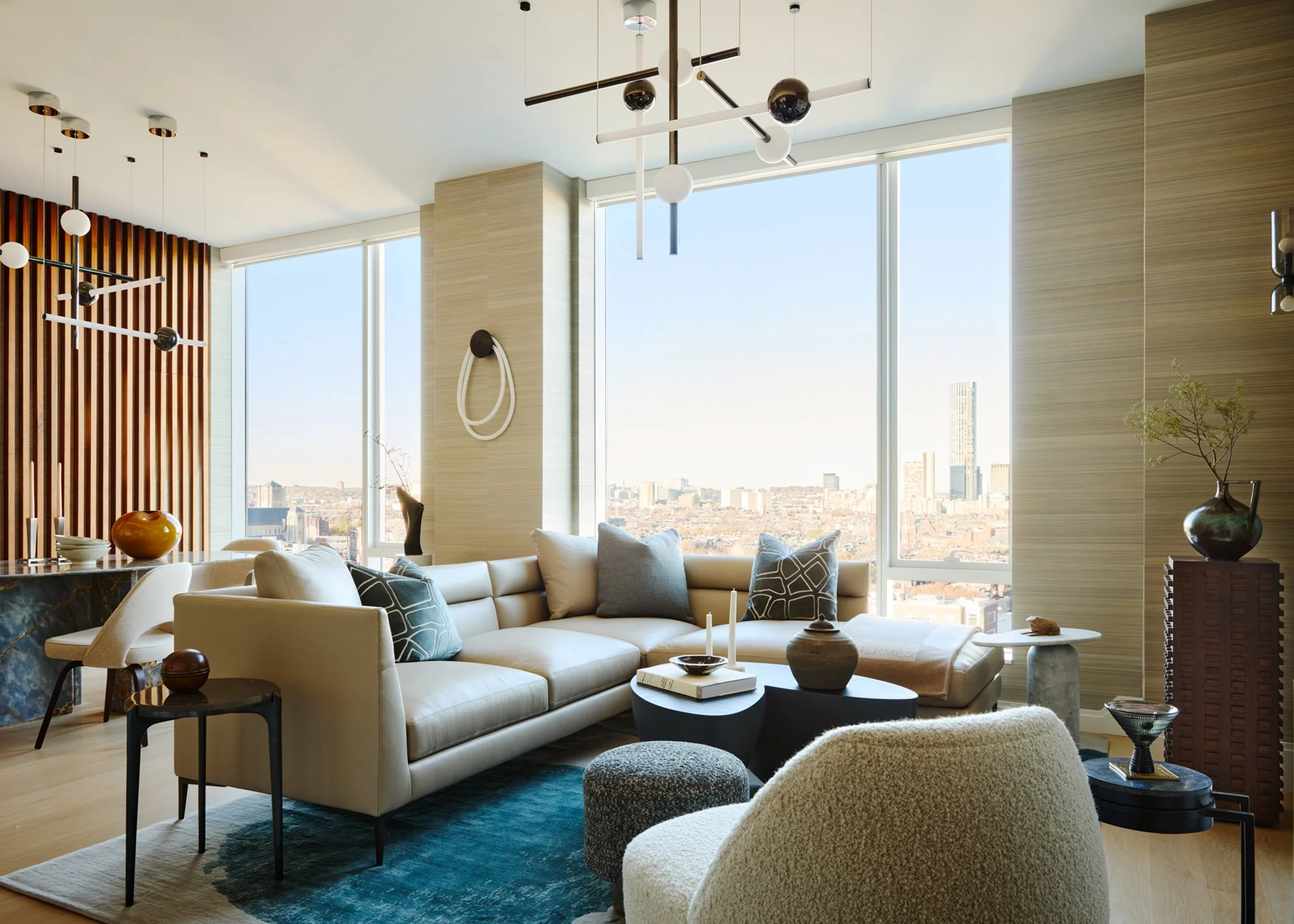
Before placing a single piece of furniture, you should take a moment to think about how the room actually gets used. After all, a living room which hosts movie nights needs a different layout than one meant for reading or entertaining guests.
Some households treat the living room as the main gathering space while others use it as a quiet retreat. Families with young children often need flexible seating and open floor space. Homes that entertain frequently may need larger conversation areas where several people can sit comfortably without feeling crowded.
These habits influence everything about the furniture arrangement. They affect how much seating the room needs, where pathways should run, and which features deserve attention.
For instance, if the television is used daily, seating will likely face that direction. If the goal is conversation, chairs and sofas should face each other rather than a wall. A reading corner might benefit from a comfortable chair placed near a window or floor lamp.
This early decision sets the tone for the entire layout. When the room’s purpose is clear, every piece of living room furniture has a reason to exist and a place to belong.
Choose the optimal focal point
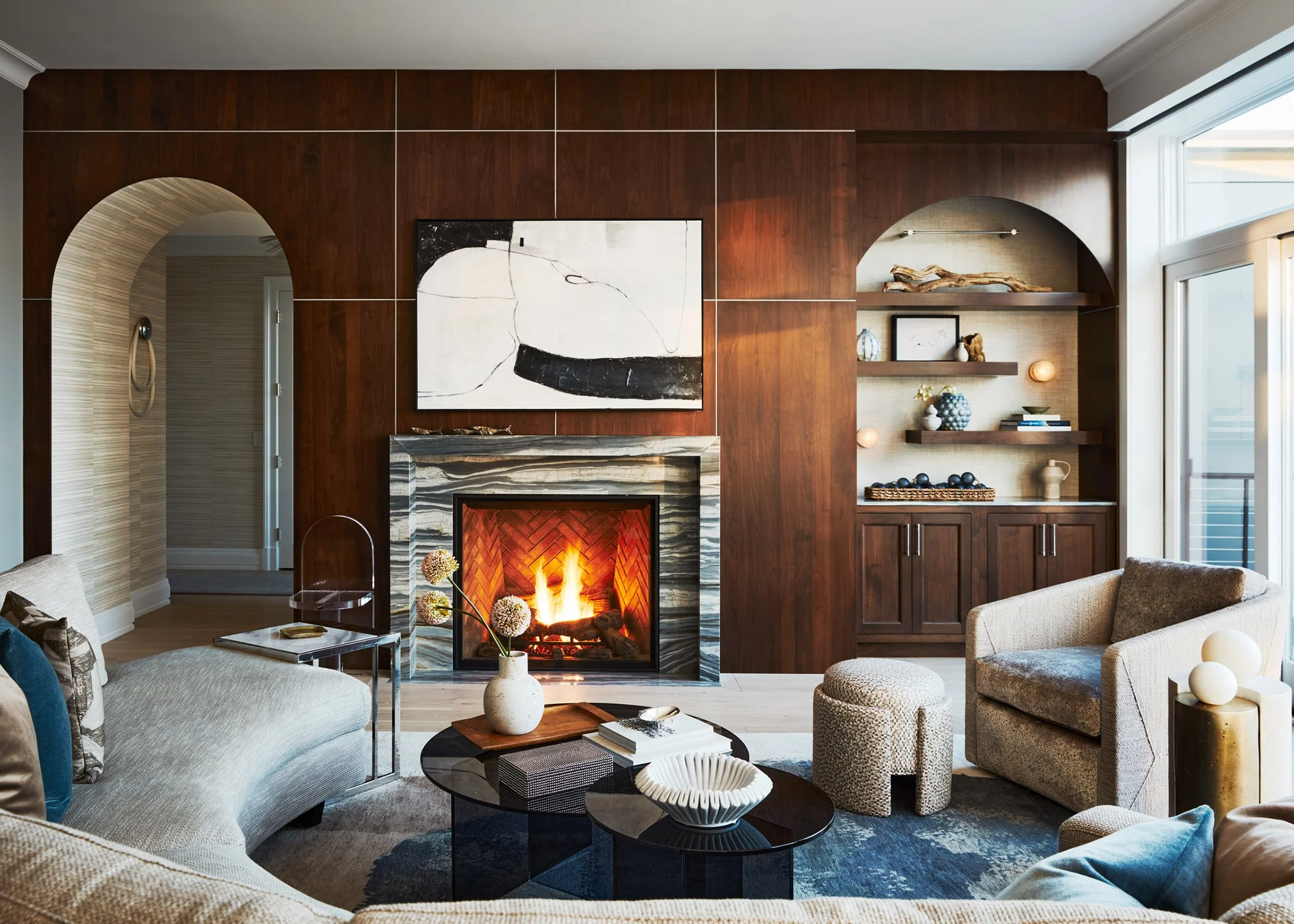
Every strong living room layout starts with a focal point. It is the feature that naturally draws attention when someone enters the room. In many homes, that focal point is a fireplace. In others, it might be the television, a wall of windows, or a striking architectural detail that deserves attention. Even a carefully styled bookshelf or statement artwork can take on this role.
Once the focal point is identified, arrange the main seating to relate to it. This does not always mean placing everything directly in front of it. The goal is to allow the focal point to anchor the room while seating feels comfortable and balanced.
Rooms without an obvious focal point require a little creativity. A large piece of art, a built-in bookshelf, or even a well-placed sofa can act as the visual anchor. Sometimes a coffee table or lighting fixture becomes the quiet center of the room. When the focal point is respected, the rest of the furniture naturally falls into place.
Understanding traffic flow and pathways
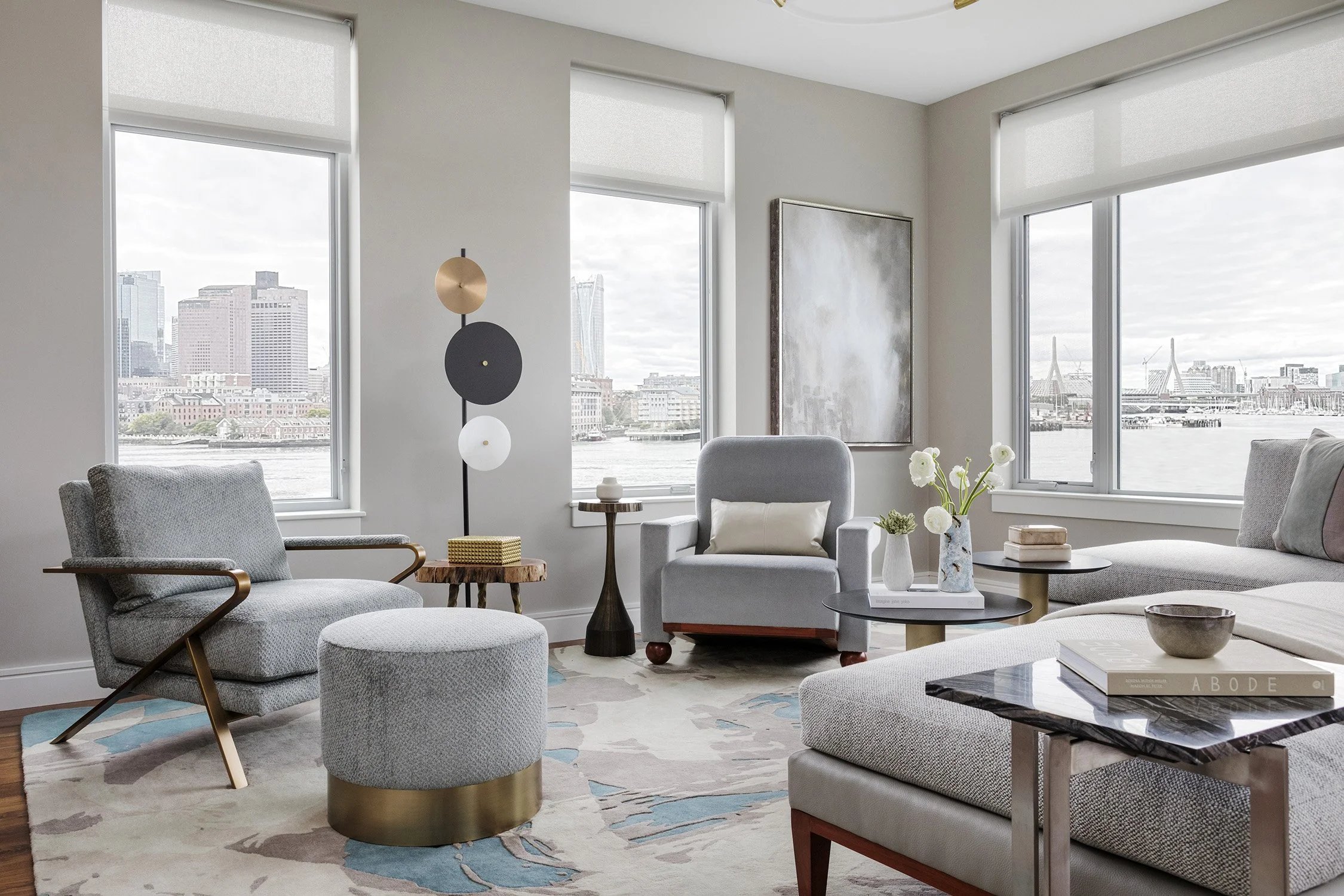
One of the quickest ways to disrupt a living room is poor circulation. If people must squeeze between chairs or step around tables to cross the room, the layout will always feel off.
Comfortable movement should guide the design. Most rooms benefit from pathways that measure roughly 30 to 36 inches wide. This allows people to walk through the room without brushing against furniture or shifting pieces out of the way.
Entrance points also matter. You should consider how people enter and exit the space. Furniture should support these paths rather than block them. A sofa placed too close to a doorway can interrupt movement before anyone even sits down.
Sight lines are equally important. A tall chair placed in front of a doorway can visually close off the room while lower pieces help maintain an open feeling and allow the layout to breathe. When circulation works well, the room feels relaxed. Guests move naturally from one area to another without thinking about it, which is exactly how a living room should function.
Anchor with a rug size and placement tips
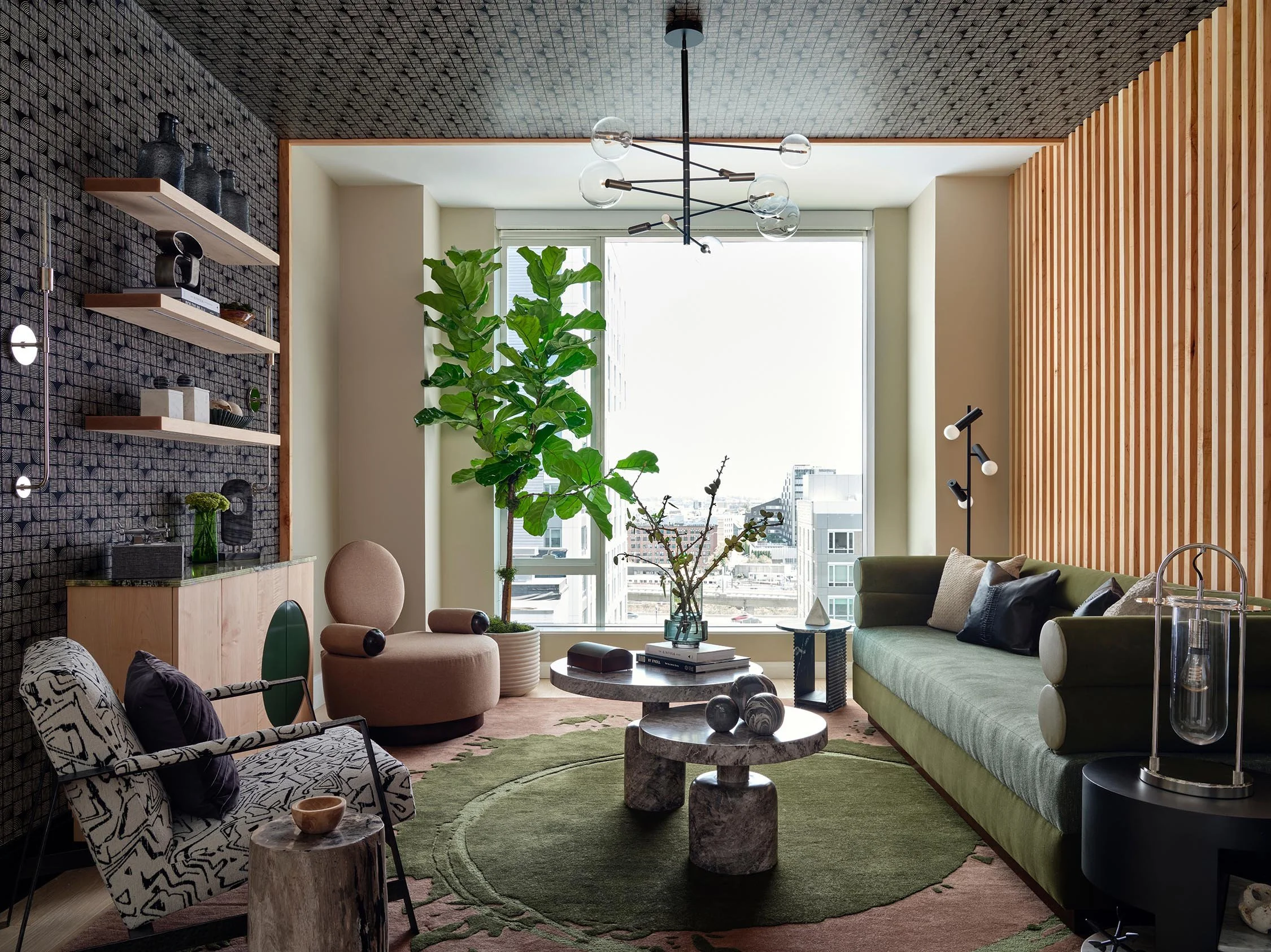
Area rugs can play a major role in defining the layout of a living room as they visually group furniture together and give the seating area a clear boundary. A rug that is too small can make even well-placed furniture feel scattered. Ideally, the rug should be large enough to connect the main seating pieces and give them a shared foundation.
In many layouts, the front legs of the sofa and chairs sit on the rug while the back legs remain off. In larger rooms, all seating can rest completely on the rug for a more unified look that pulls everything together.
Placement matters as much as size. The rug should center beneath the main seating area, helping to anchor the conversation zone and guide the overall design. This simple step often brings structure to the room and helps guide the overall furniture arrangement.
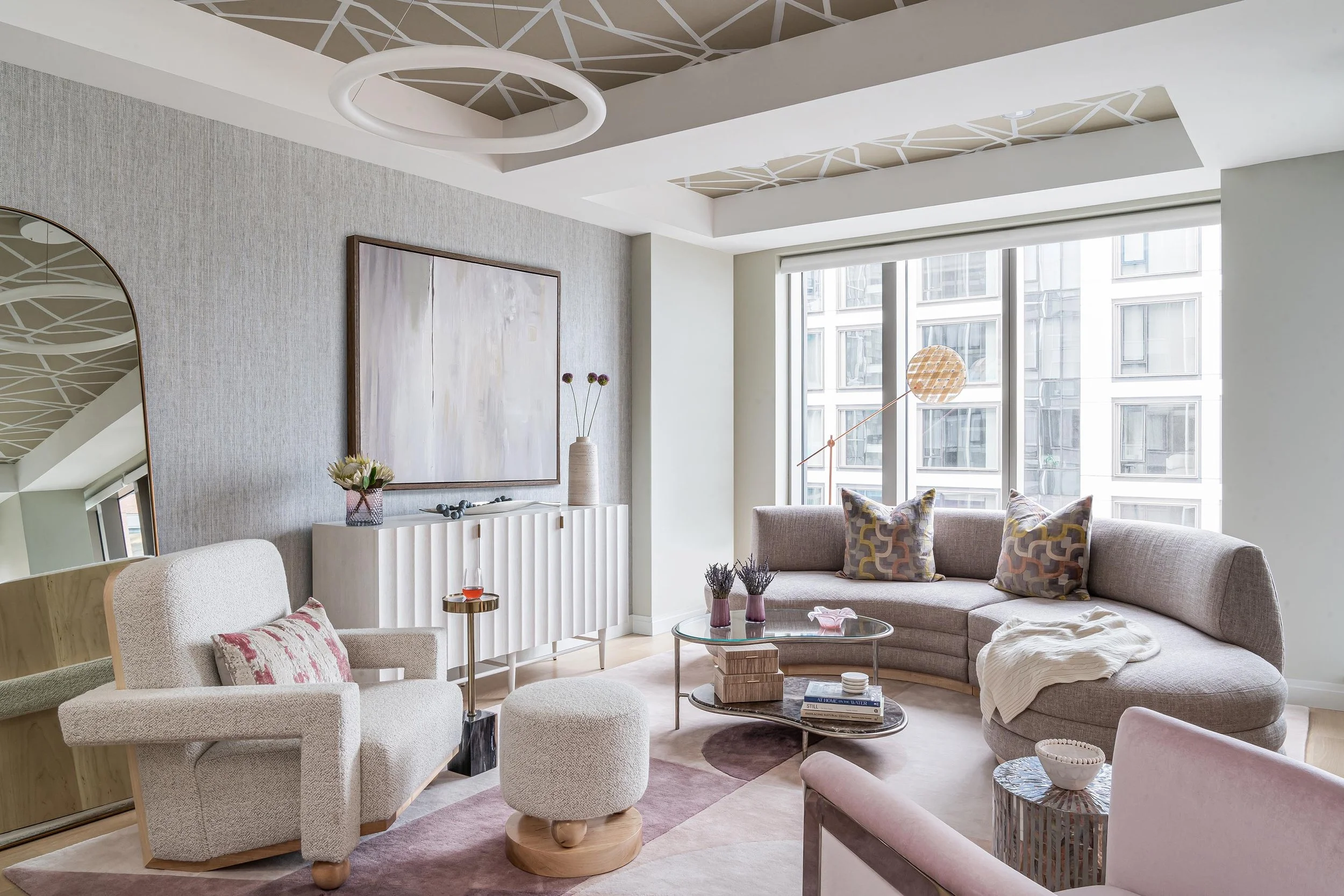
Sofa placement strategies
The sofa usually carries the most visual weight in a living room. Because of this, its placement sets the tone for the rest of the layout.
Many homeowners instinctively push the sofa against a wall. While this can work in smaller spaces, floating the sofa within the room often creates a more inviting layout. A floating sofa helps define seating areas and encourages conversation. It can also guide traffic flow by gently directing movement around the space rather than forcing people to walk through the seating group. That said, wall placement still has its place. In compact rooms, positioning the sofa along a wall can open up floor space and keep pathways clear.
Regardless of location, the sofa should relate to the focal point and maintain comfortable spacing from other furniture. This balance helps the room feel intentional rather than crowded. Small adjustments to the sofa’s angle or position can often make a surprising difference.
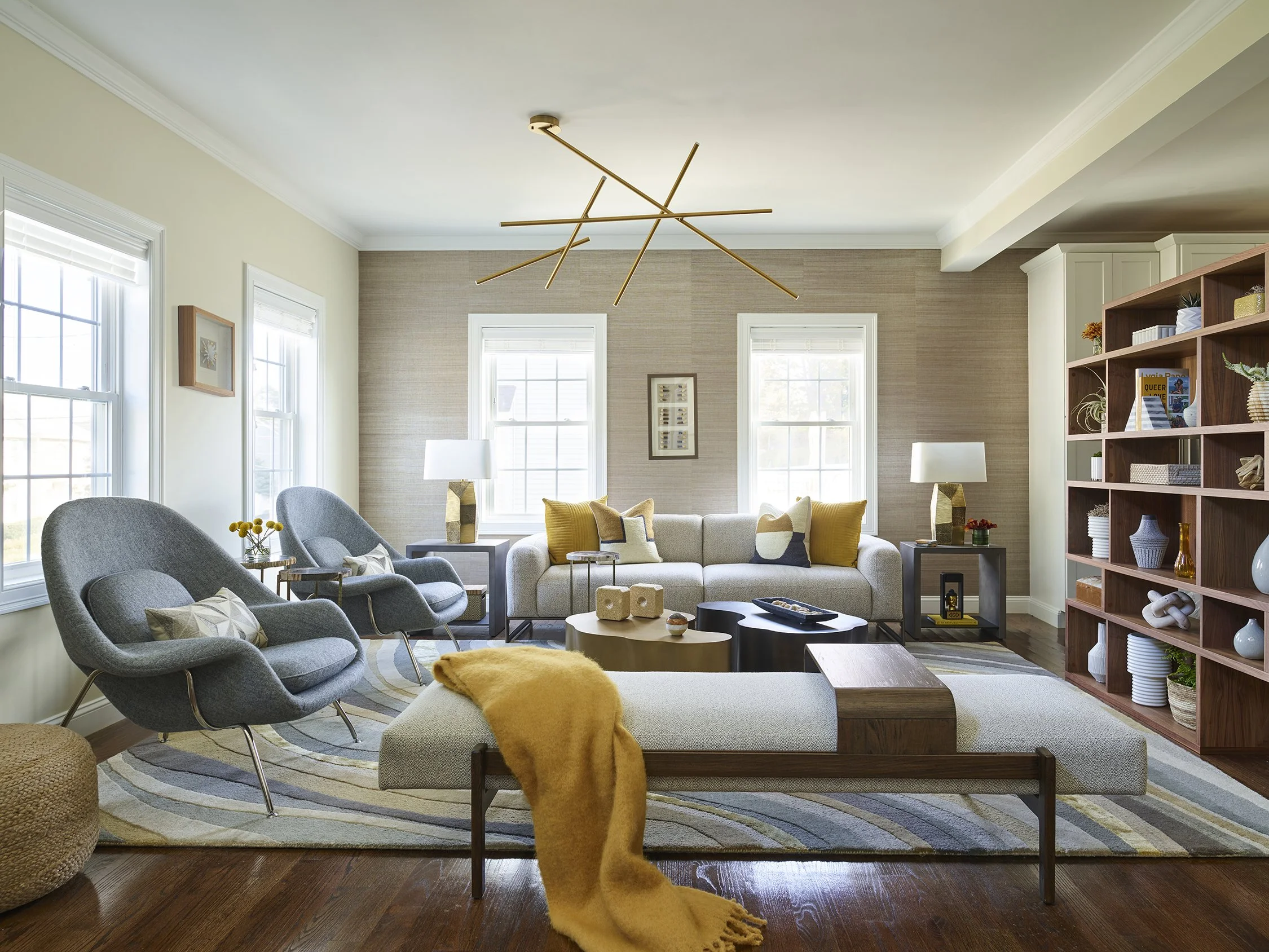
Balancing additional seating and variety
A living room rarely relies on a single sofa. Additional seating adds flexibility and gives guests more ways to interact with the space.
Chairs are often the easiest way to introduce variety. They can pivot toward the conversation area, face the focal point, or shift slightly depending on how the room is being used. Loveseats and benches can also help fill larger spaces while maintaining visual balance. Ottomans serve double duty as footrests, extra seating, or casual tables for trays and books.
When arranging these pieces, aim for seating that faces inward rather than outward. This encourages conversation and keeps the layout connected.
Spacing plays a part here as well. Seats that sit too far apart can make conversations feel strained. Bringing chairs slightly closer creates a more comfortable social environment where people can speak naturally without raising their voices.

Side and coffee table placement
Tables may be smaller pieces, but they greatly influence how comfortable a seating area feels.
A coffee table should sit within easy reach of the sofa. Typically, leaving about 12 to 18 inches between the sofa and table allows enough space to walk while still keeping drinks and books within reach.
Side tables perform a similar job for chairs and sofas. Their height should align closely with the arm of the seating next to them so that the surface feels natural to use. These surfaces provide a place for lamps, drinks, or decorative objects while supporting the daily routines that happen in the living room.
When placed thoughtfully, tables strengthen the usability of the space without interrupting the flow of the layout as they quietly support how people live in the room.

Create zones in open floor plans
Open floor plans offer flexibility, but they also require clear organization. Without walls to define boundaries, furniture must step in to shape different areas of the room.
One section might support conversation, while another becomes a reading nook or casual workspace. Rugs, sofas, and chairs help outline these zones without closing off the room.
A sofa placed with its back toward the dining area can gently divide spaces while still allowing sight lines to remain open. Chairs and side tables can reinforce the purpose of each zone. The key is to give each activity area a sense of identity while still allowing the room to feel connected.
Many of the best living room layout ideas for open spaces rely on this subtle zoning technique. When done well, the room feels organized without ever feeling boxed in.
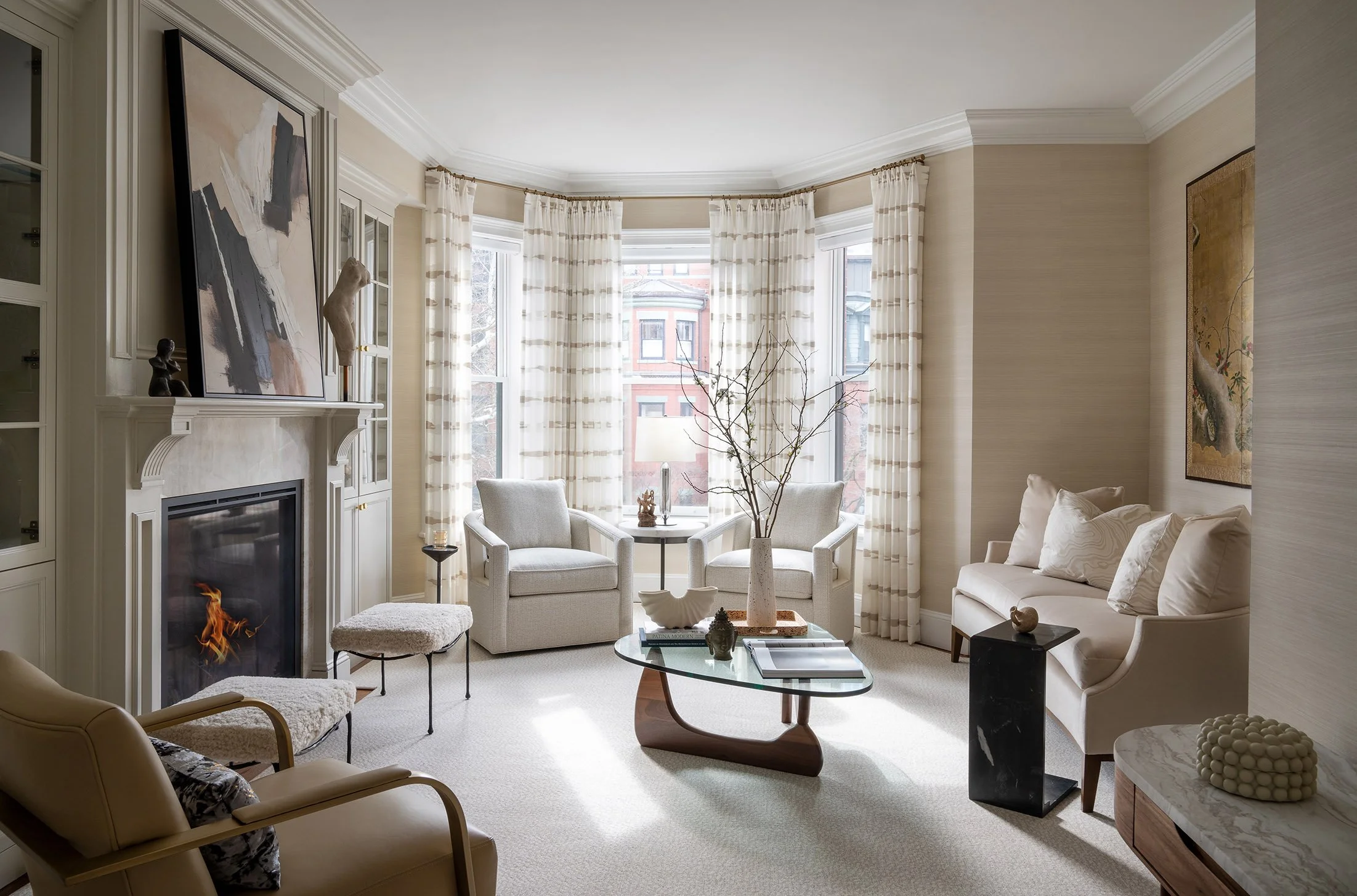
Symmetry vs. asymmetry when to use each
Symmetry creates a sense of order. Matching chairs on either side of a sofa or identical lamps on a pair of tables can bring balance to the room. This approach works well in formal living rooms where structure and visual calm are priorities. The repetition gives the eye a clear pattern to follow.
Asymmetry offers a more relaxed look. A single chair paired with a floor lamp or a mix of seating styles can add personality without feeling rigid.
Both approaches can work beautifully depending on the home and the homeowner’s style.
Often the best layouts combine the two. A symmetrical base might anchor the room while smaller elements introduce variation and warmth.

Lighting and accessory placement
Lighting should support the way the room functions. Lamps placed near seating allow people to read comfortably while soft overhead lighting provides general illumination for the whole room. Floor lamps often work well beside chairs or tucked into corners while table lamps on side tables add a welcoming glow while supporting the seating arrangement.
Accessories also help guide the eye. A large artwork above the sofa or a well-placed mirror can reinforce the room’s focal point. Smaller decorative objects can add interest without crowding the space. Utilizing assorted sizes lets the room feel layered and inviting rather than cluttered.
The goal is to layer light throughout the space so that the room feels comfortable during both daytime and evening hours.
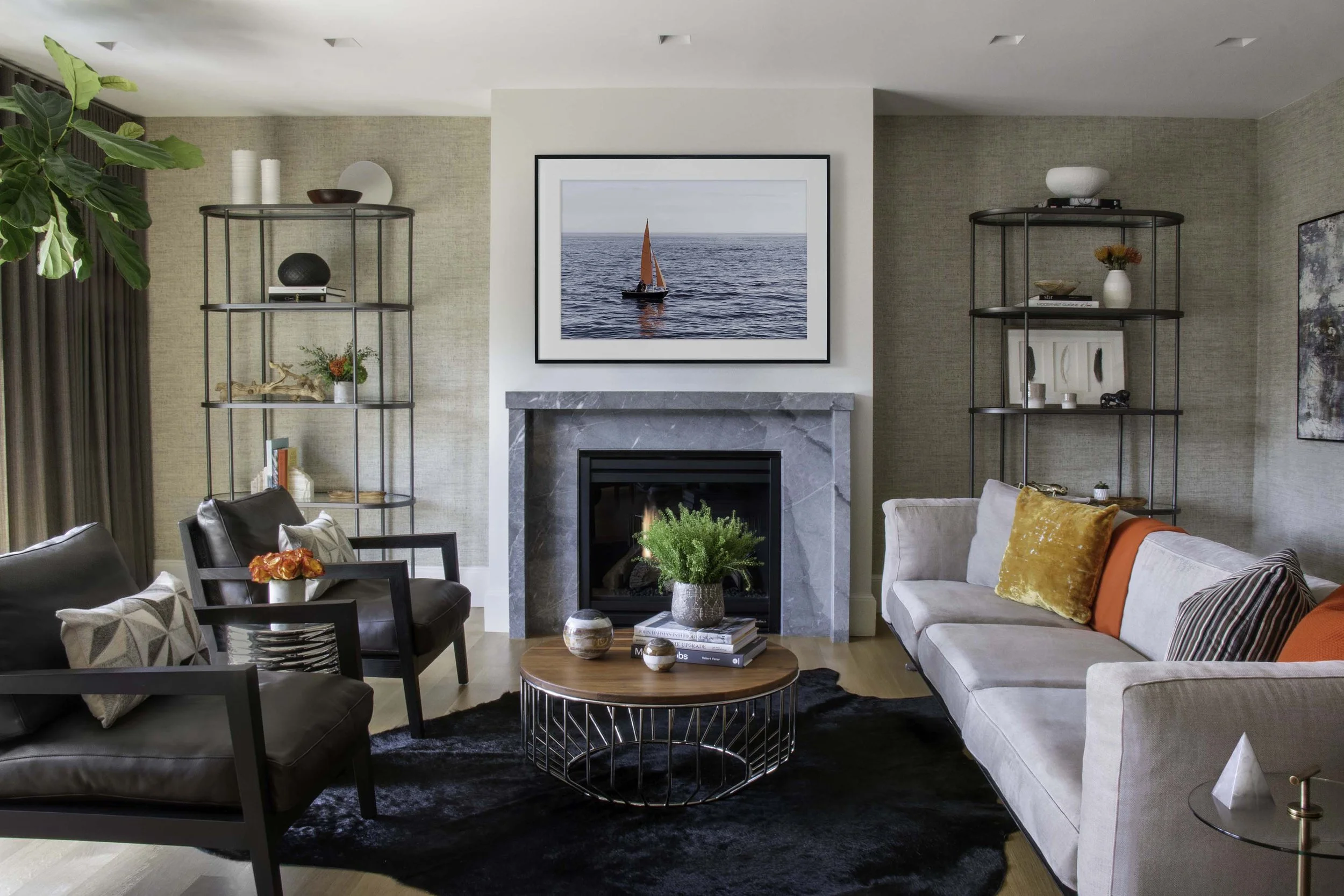
Maintaining proportion and scale
Large sofas can dominate small rooms, while tiny chairs can disappear in larger spaces. The relationship between the furniture and the room itself should always feel balanced.
Ceiling height plays a role here too. Rooms with tall ceilings can support taller bookcases or larger art pieces. Lower ceilings often benefit from furniture with a slightly lower profile. Spacing between pieces also affects proportion. Leaving breathing room between furniture allows each item to stand on its own while still contributing to the overall layout.
When scale is handled well, the room feels comfortable the moment someone walks in.
Functional stylish living room layouts
A well-arranged living room supports daily life while welcoming guests with ease. When furniture placement reflects how the room is used, the space begins to feel natural and comfortable.
The process always begins with proportion and intention. Study the wall in context and consider what the room needs most – whether that’s focus, storage, warmth, or light. When every decision is deliberate, the wall becomes an asset rather than an afterthought.
If you’re facing a space that feels incomplete and want guidance, our interior design services approach each surface with purpose. We consider the full environment so that every wall contributes to the whole.
Understanding how to arrange living room furniture takes a mix of planning and experimentation. The right focal point, clear pathways, balanced seating, and well-proportioned scale all work together to shape the final result.
That said, small adjustments can make the biggest difference. Whether it’s simply moving a chair closer to the sofa or shifting a rug, these changes can alter the rhythm of the room and improve how people interact within it.
For homeowners who want expert guidance, working with a professional can simplify the process. At Trevor Fulmer Design, we approach each project with the belief that great design begins with understanding the home itself. When the layout works, the entire room comes alive.
If you would like to learn more, reach out to us today to speak with a skilled living room designer. Let us help you create a space that truly fits the way you live.
