
Breaking Down Interior Designer Cost in Boston
Hiring an interior designer is an investment in your home and how well it supports the way you live. If you are considering a renovation or furnishing project in Boston, you also need to understand what that investment may include.
Of course, there is no single answer when come to cost. Hiring an interior designer in Boston means planning a project in a high-cost metropolitan market, but the final investment depends on the project scope, level of customization, property, and amount of coordination required. A historic brownstone renovation has different requirements than furnishing a new luxury condominium.
How your designer charges should be considered as well. Some firms use flat project fees, while others bill hourly or incorporate product markups. At Trevor Fulmer Design, we structure our interior design projects around hourly design fees and product markups. This approach allows the project to adapt as construction conditions, selections, and client needs change.
Blog Contributor:
Trevor Fulmer

“The cost of interior design is not simply about selecting furnishings. It reflects the planning, expertise, coordination, and execution required to complete a project.”
— Trevor Fulmer
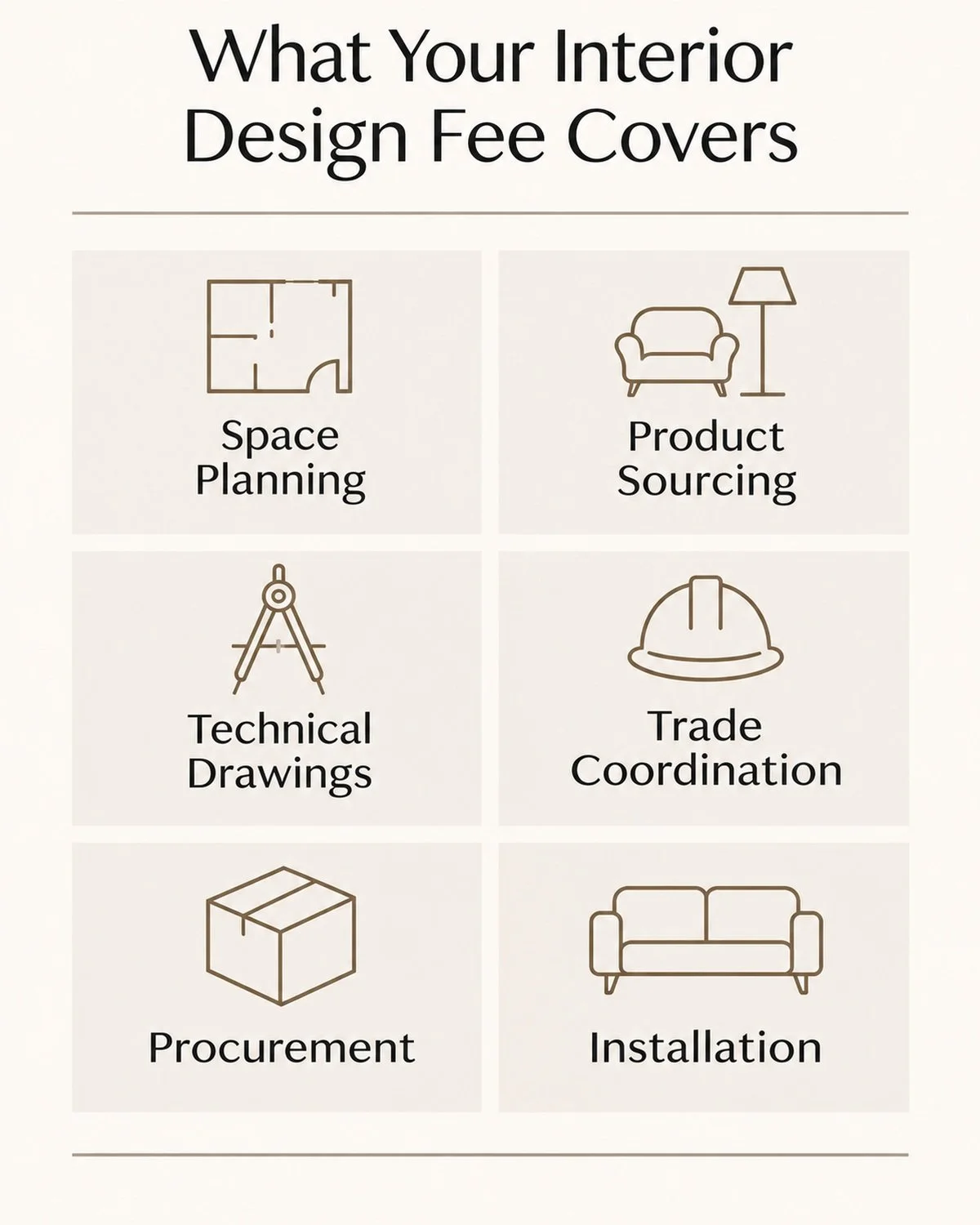
What Interior Design Fees Cover
Experienced luxury interior designers in Boston commonly charge $250 – $400 dollars per hour, depending on experience, project complexity, and service level.
However, the hourly rate is only one part of the total investment.
Interior design services can include large-scale renovations and kitchen design as well as space planning, furniture layouts, lighting plans, material and finish selections, custom furniture development, vendor coordination, site visits, installation oversight, and final styling.
Large renovation and furnishing projects can require hundreds of hours behind the scenes. Designers coordinate contractors, manage revisions, research materials, source products, track orders, resolve damages, and oversee installations.
Early planning can also influence the larger renovation budget. Furniture layouts may affect outlet locations, while lighting selections can affect electrical plans. Addressing these details early helps coordinate the interior design with the architecture and construction.


How Product and Merchandise Affect the Budget
Furniture, lighting, rugs, plumbing fixtures, tile, stone, wallcoverings, cabinetry, art, and accessories can represent a substantial portion of the overall budget.
Costs vary based on materials, craftsmanship, customization, quantity, and manufacturer.
Establishing priorities early can help determine where to allocate more of the merchandise budget and where a simpler selection may make sense. It also gives the designer a framework for sourcing pieces across different categories while considering the entire home, rather than making each purchase as an isolated decision.
Homeowners may want a design tailored to what they collect or how they use each room. Working with a professional designer provides access to trade-only vendors that may offer custom sizing, specialized finishes, higher-quality construction, and collections unavailable through retail stores.
Depending on the vendor and product category, trade discounts can sometimes reach up to 50% below standard retail pricing. Our product markups never exceed MSRP, so clients can gain access to trade-only products and customization without paying above standard retail pricing.
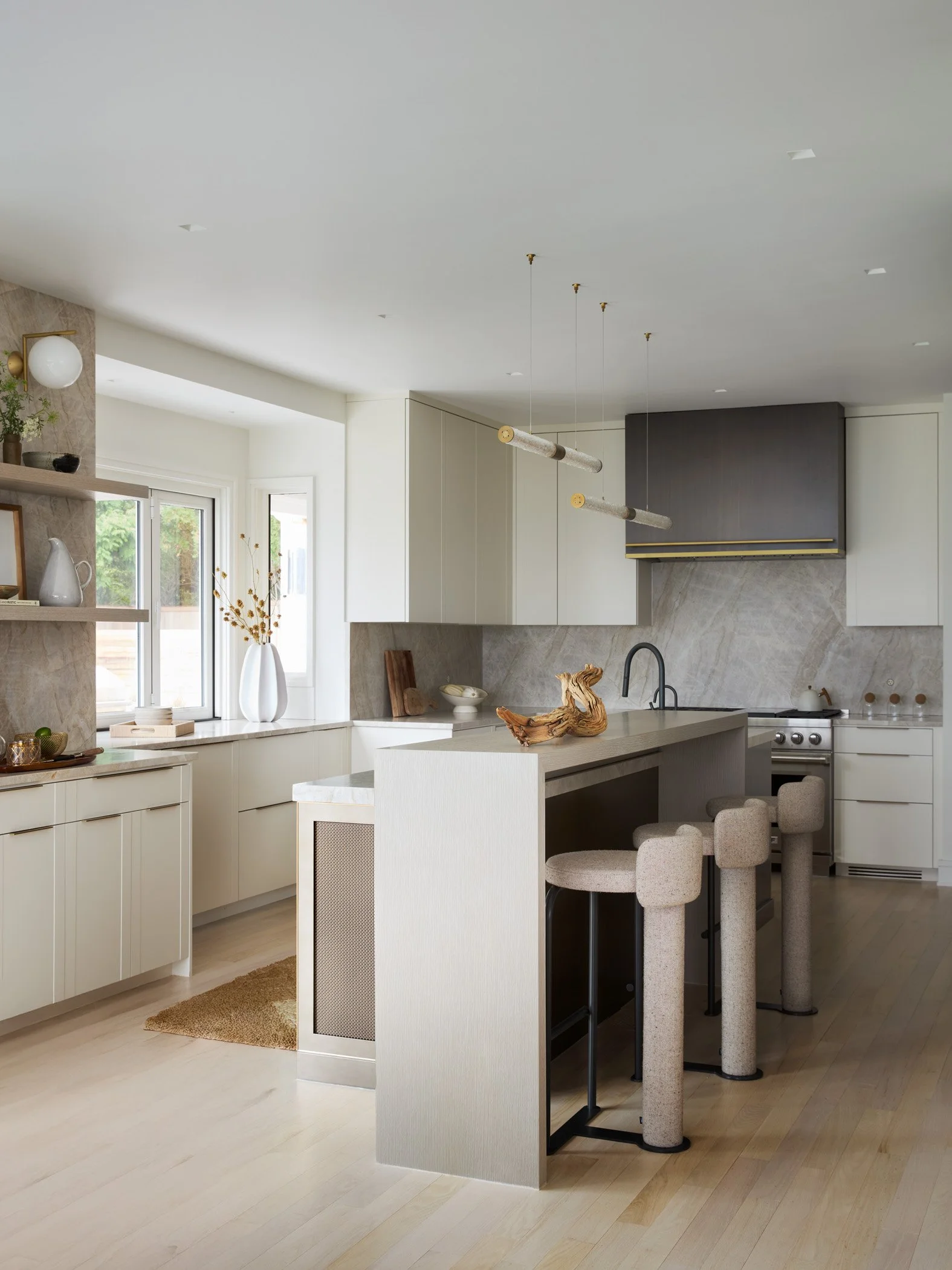

Trade Labor and Renovation Costs
For renovation and new construction projects, design fees are only one part of the budget.
General contractors, builders, electricians, painters, installers, fabricators, cabinetmakers, stone fabricators, and other subcontractors have separate costs. Trade labor can represent one of the largest portions of a renovation budget.
Older Boston properties and brownstones may also reveal existing conditions that add complexity once construction begins. Luxury condominiums can have building requirements, access restrictions, and installation procedures that affect schedules and labor.
As a leading Boston interior designer, Trevor Fulmer coordinates with architects, builders, contractors, and fabricators throughout the project. This collaboration helps the team address decisions about architecture, materials, furniture, and lighting throughout construction and installation.
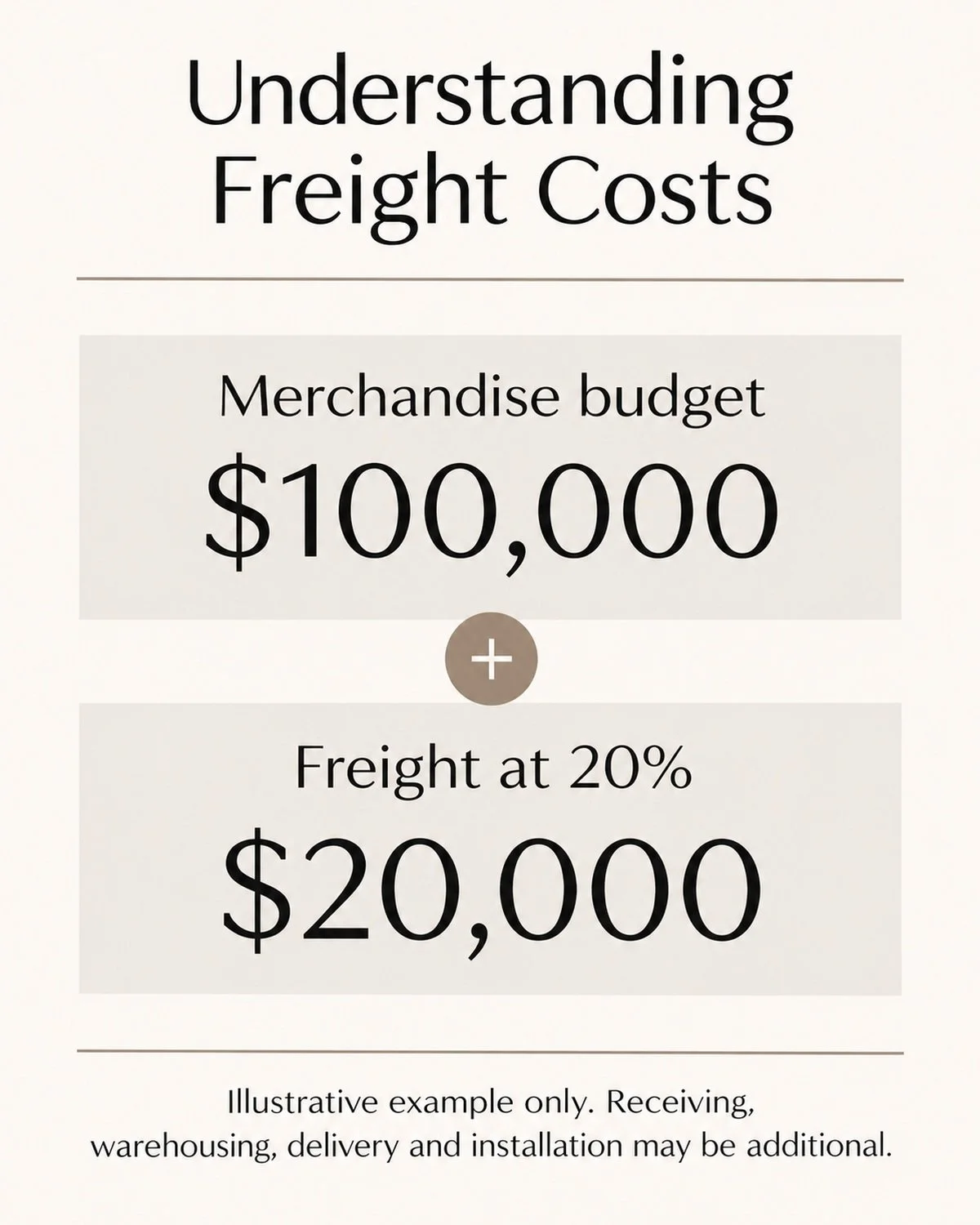
Don’t Forget Freight, Delivery, and Installation
Freight is one of the most easily overlooked parts of an interior design budget.
On some projects, freight alone can equal roughly 20% of the merchandise budget, particularly when products are arriving from multiple vendors, states, or countries.
Clients may also need to account for receiving and inspection, warehousing, freight coordination, white-glove delivery, and installation. Additionally, luxury furnishings may be shipped to a receiving warehouse, inspected for damage, stored until the project is ready, and delivered during a coordinated installation. Accounting for these expenses early provides a more complete picture of the merchandise budget.


Where a Larger Design Investment Makes Sense
Luxury design does not require choosing the most expensive option for every element.
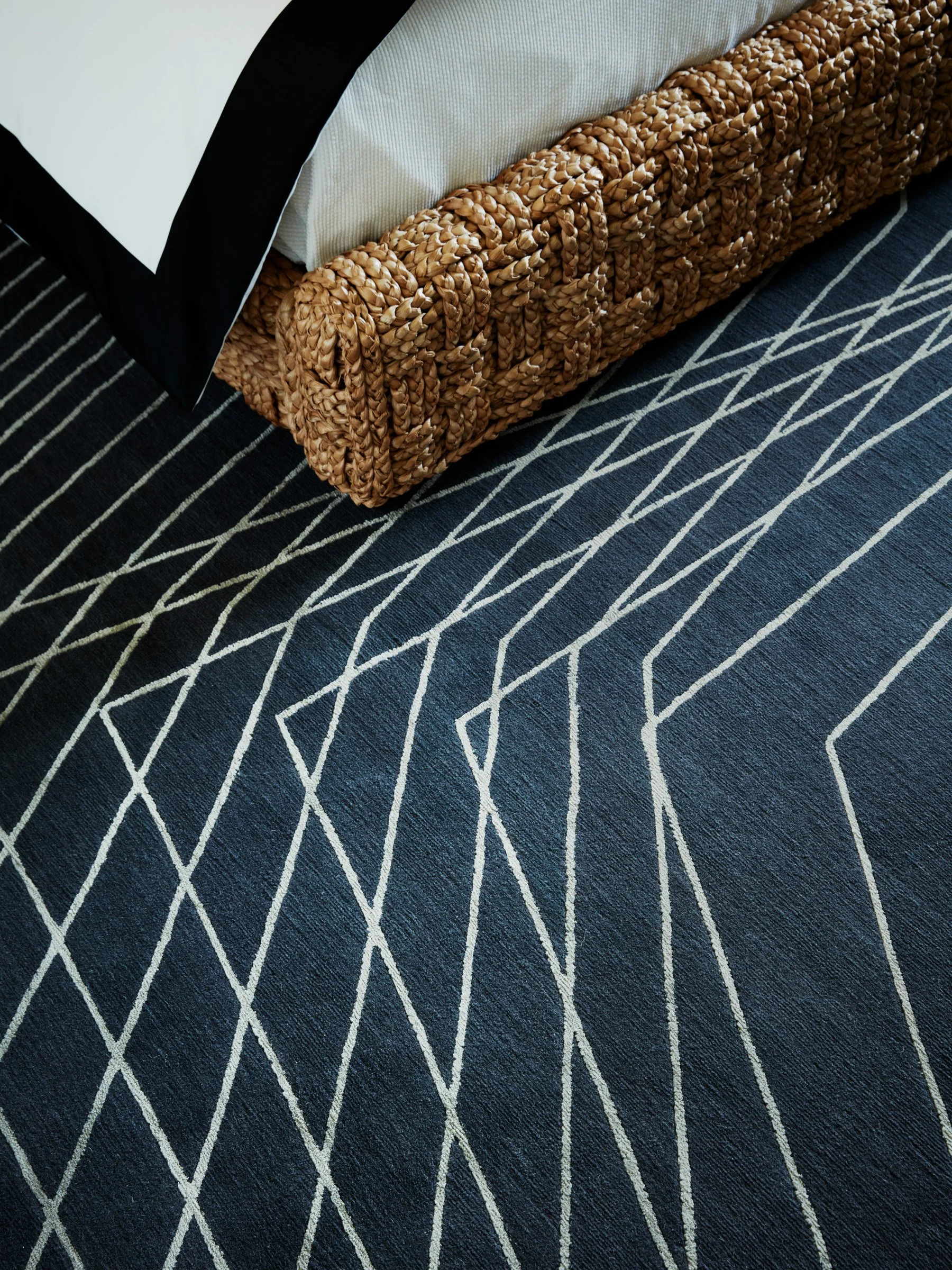
The key is knowing which elements warrant a larger investment. Frequently used pieces, permanent materials, and elements that establish the character of a room may deserve a larger share of the budget. Custom upholstery, millwork, natural stone, distinctive lighting, and rugs are a few examples.
Our Foundations rug collection reflects this approach. The collection includes high-quality wool and silk designs with options for custom sizing, colors, materials, and weaving techniques. Selecting a rug specifically for a room can help establish its scale, palette, and overall composition. A well-planned budget directs more of the investment toward pieces and materials that have the greatest impact on the home.


Why Pricing Transparency Matters
Before hiring an interior designer, it’s essential that you understand how design time is billed, how merchandise is priced, and what procurement services are included.
You should discuss trade coordination along with potential freight, receiving, warehousing, delivery, and installation expenses.
Project scope, budget, and timeline should also be discussed early. Clear expectations give clients and designers a shared framework for making decisions as the project progresses. Transparency matters because a successful interior design project involves more than furniture and finishes. It depends on communication, organization, trust, and realistic expectations from the beginning.
Planning Your Boston Home with Trevor Fulmer Design
We approach each project as a collaboration between our clients, design team, architects, builders, craftspeople, and vendors.
Our hourly design fee and product markup structure allows the project to evolve while giving clients a clear understanding of how their investment is allocated. The finished home should reflect the people who live there and support how they use it each day.
Planning a Boston renovation or comprehensive furnishing project? Contact us today to start the conversation about your project scope and timeline.
