
Custom built-in furniture
What custom built ins really do
There is something satisfying about a built in that feels as though it has always belonged in the house, giving the room intention without demanding attention.
A library wall can bring presence to a living room, integrated cabinetry can give everyday objects a proper place, and a window seat can turn an overlooked corner into somewhere people want to spend time.
At Trevor Fulmer Design, we think of built ins as part of the architecture, with careful consideration given to proportion and material. When the details are right, the finished piece simply makes sense in the room.

Project: Skyline Sophistication
Designed for the way you live
Good built ins begin with understanding the people who will live with them and how they use a room each day. Some clients want technology and everyday necessities concealed, while others have books, ceramics, photographs, and collected objects they want to see.
Before we draw up any plans, we take what clients reach for every day into account as well as what they want to keep in view and what tends to accumulate without a designated place. These ordinary details often tell us more about what a room needs than appearance alone.
Scale matters just as much because even beautifully made cabinetry can feel wrong when its proportions do not belong to the room. Ceiling height and surrounding architectural features guide the composition and help the millwork feel connected to the space.
As an experienced built-in designer team, we also know when to pull back, as filling every available wall rarely makes a room better.

Project: Nautical Noir
Types of custom built-in furniture
Built ins allow us to take cues from the architecture while creating storage and display specific to each room.
In living rooms, integrated shelving can frame a fireplace, accommodate a television, or provide space for books and art without allowing technology to dominate. A library wall can give a larger space a sense of intimacy and a strong architectural focal point.
Kitchens and dining rooms invite a different approach, with banquettes turning underused areas into comfortable gathering places while bar cabinetry and concealed storage keep practical necessities nearby.
Bedrooms offer opportunities for wardrobes, integrated headboards, and bedside storage that create a greater sense of enclosure. Entryways and mudrooms deserve their own special attention, with cabinetry planned around the realities of arriving home and putting things away.

Project: Skyline Sophistication
Materiality and detail
Materials give built ins much of their character and influence how the cabinetry is experienced both from across the room and at close range.
Painted cabinetry can blend naturally with the surrounding architecture, while walnut or oak adds warmth through its visible grain. Bronze hardware develops a rich patina with age, and darker metals offer crisp definition against lighter finishes.
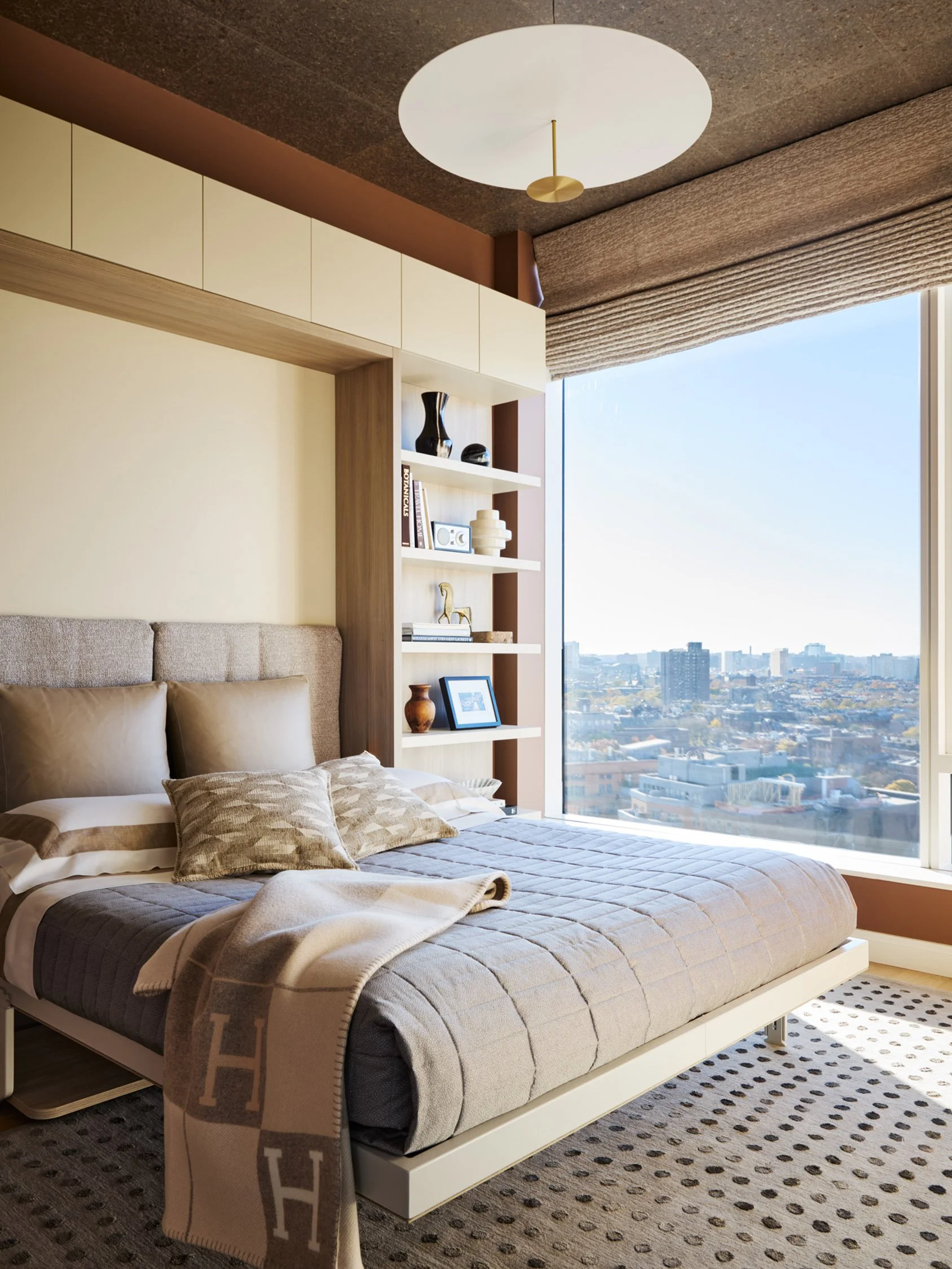
Project: Skyline Sophistication
We like materials to reveal themselves gradually, with a linen-lined drawer or carefully placed lighting becoming apparent through daily use. These details add depth without making the room feel overly decorated.
Lighting deserves its own consideration as it can give millwork a different presence as the day changes. In the evening, softly illuminated shelving brings warmth while drawing the eye to books, artwork, and collected objects.
The smallest decisions often distinguish thoughtful millwork from ordinary cabinetry, which is why details such as edge profiles and hardware placement deserve close attention.
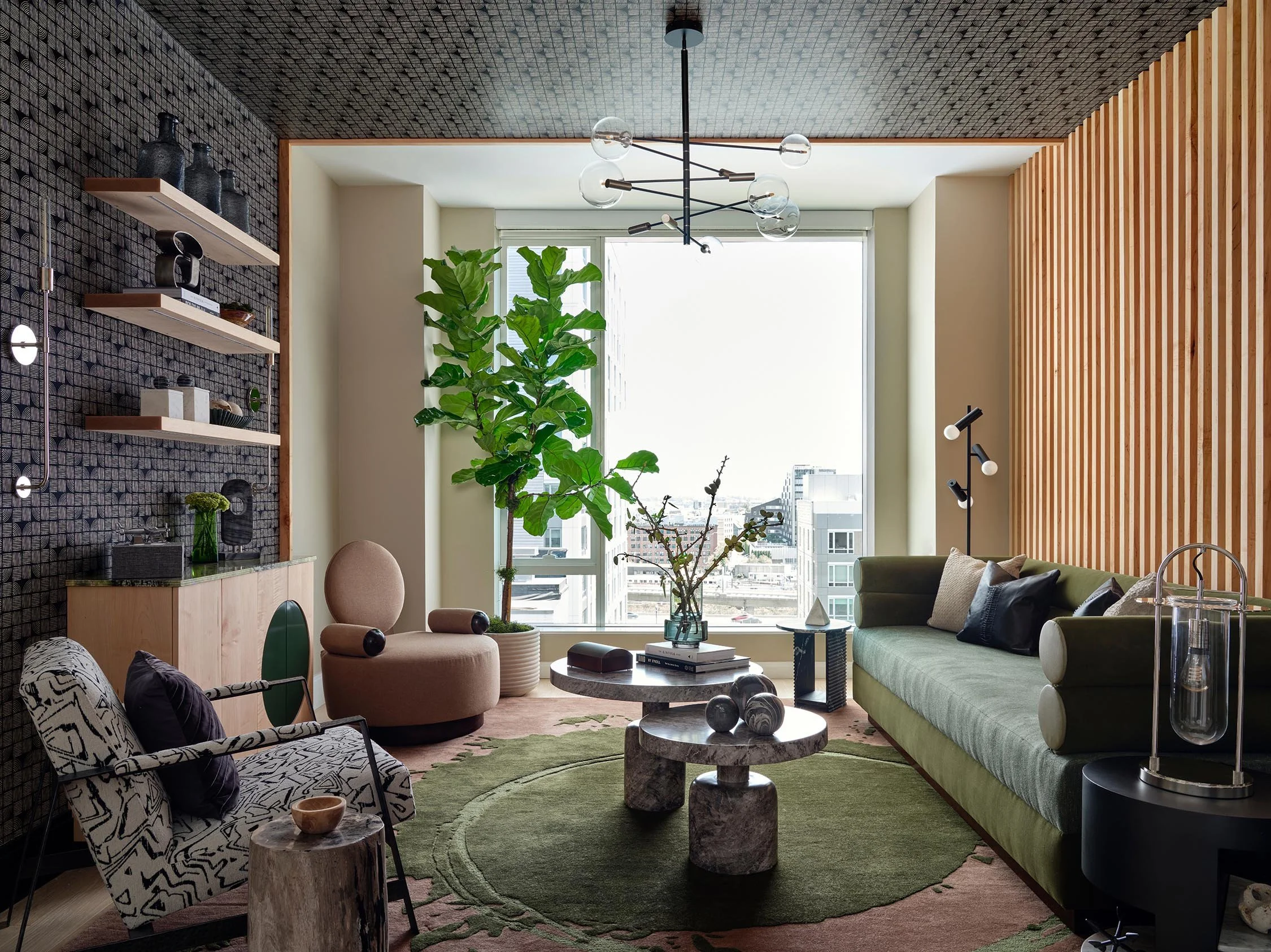
Project: Postmodern Naturals
Integration with architecture
The best built ins feel connected to the architecture because their proportions and details respond directly to the room.
Ceiling heights, trim profiles, windows, and views from adjoining spaces all inform the design. Even where a cabinet begins or ends can affect the balance of an entire wall, while careful alignment with nearby architectural features can bring a subtle sense of order.
Through our interior architecture services, built-ins can be developed alongside floor plans and renovation details early in the process. Bearing these elements in mind together allows the finished room to feel cohesive, with cabinetry that belongs naturally within its surroundings.
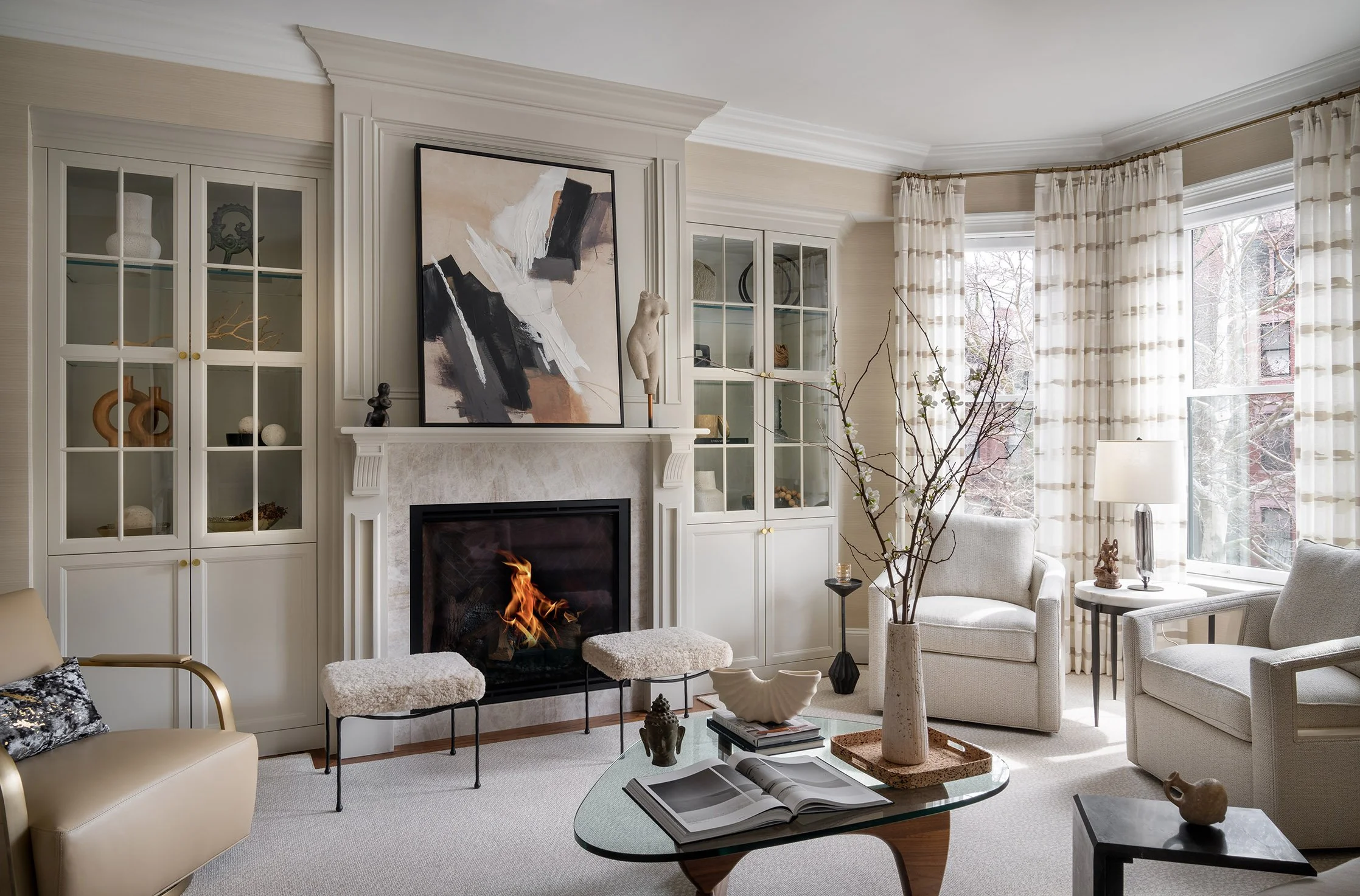
Project: Neutral Nuances
A collaborative process from concept to installation
Custom millwork requires careful planning long before fabrication begins, which is why we start with conversations about the room, the architecture, and the client's daily life.
Once we understand what the space needs to accomplish, drawings and visual studies allow us to explore the design before production begins. Collaboration with millworkers, contractors, and fabricators continues through installation because small inconsistencies in alignment or finish can affect the entire composition.
Through our full-service interior design process, we remain involved from the earliest concept through installation, carrying the original vision through to the details clients see and use in their homes.
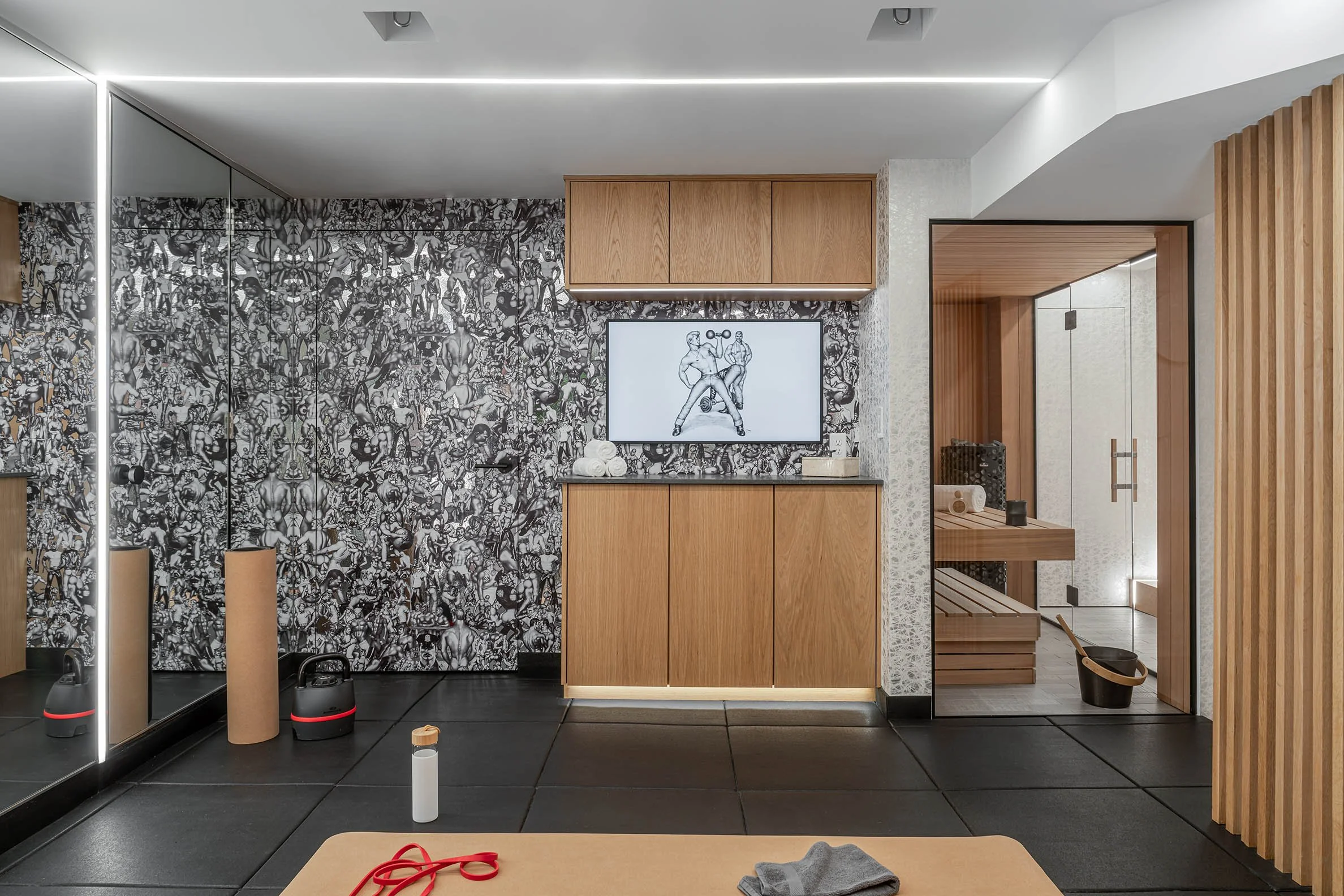
Project: Home Health Haven
Why custom always wins
Homes rarely conform perfectly to standard dimensions, as walls can be uneven, ceiling heights vary, and existing architectural details can create conditions that off-the-shelf furniture cannot address gracefully.
Custom built-ins give us the freedom to work with those conditions, turning unusual corners into useful storage and giving difficult walls a stronger purpose. Materials and construction can also be selected specifically for the home and the way the cabinetry will be used.
Planning the details early can make a significant difference. Consider what needs to be stored, which items you want within easy reach, and how much open display space you need. These practical decisions help determine the right mix of drawers, cabinets, and shelving before the design reaches fabrication.

Project: Skyline Sophistication
Pairing built ins with furniture and decor
Built ins give a room structure, but it is the furniture, objects, and personal details around them that make the space feel like home.

Project: Skyline Sophistication
Every shelf does not need to be filled or styled with perfect symmetry. Leaving some open space gives books, ceramics, artwork, and personal collections more presence. Upholstery, rugs, and textiles can soften the architectural lines of millwork and create a more relaxed balance within the room.
Begin with the pieces that mean something to you, then add or remove objects until the arrangement feels balanced. Varying the height, scale, and placement of what you display can also keep shelving from feeling too formal or staged.
Start your custom built in project
A custom built in should make your home more functional while feeling like a natural part of the space. We take stock of how you use the room, what you need to store or display, and how the design fits with the existing architecture.
From integrated shelving to media cabinetry and custom storage, we create built ins designed around your home and the way you live. Looking to add the expert touch to your upcoming project? Contact us today to start planning your custom built in project.